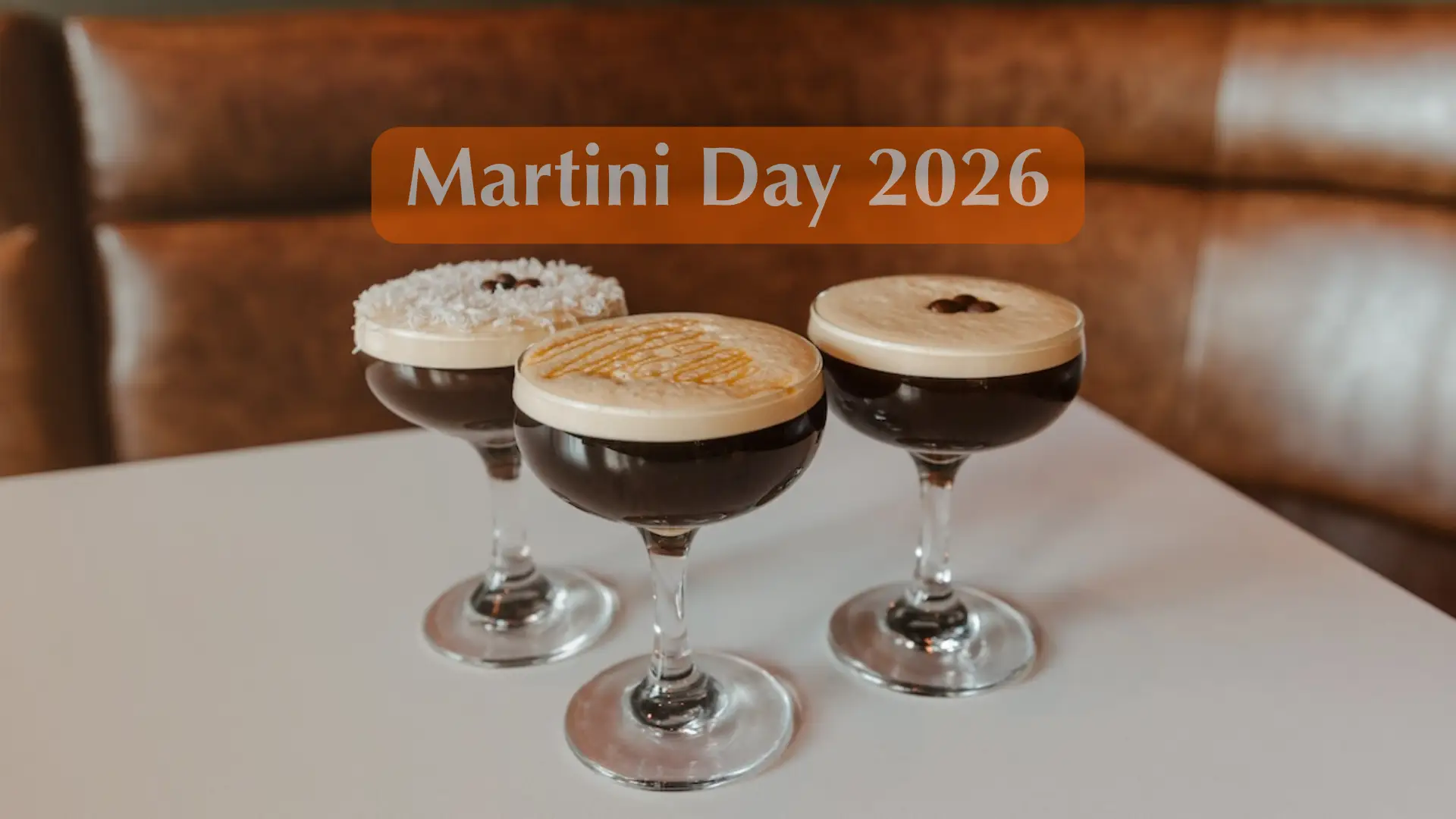
Observed each year on 19 June, National Martini Day places one of the world’s most recognisable cocktails back at the centre of bar culture. In 2026, the date falls on a Friday. The observance itself has no clearly documented founder or official institutional origin. Still, the Martini carries a history far older and more complex than the modern calendar date attached to it.
Its story dates back to the late 1800s, when gin, vermouth, bitters, and liqueurs were combined in forms that gradually evolved towards the drink now recognised as the Martini. What followed was not a single moment of invention, but a long evolution shaped by bartenders, printed manuals, changing gin styles, shifting ideas of dryness, and the international movement of cocktail culture.
An Unofficial Date with a Longer History
National Martini Day is commonly listed on drinks calendars for 19 June, particularly in the United States. It is not a public holiday, nor does it appear to have originated through a historic bartending association, government proclamation, or recognised trade organisation. The absence of an official foundation does not make the date meaningless. It offers an opportunity to examine a cocktail whose history is often reduced to uncertain invention stories and familiar cultural images.
The Martini connects several major developments in drinks history. It belongs to the expansion of vermouth in American bars, the evolution of gin from sweeter styles towards cleaner dry forms, the professionalisation of bartending, and the international movement of cocktail culture during the early 1900s. The observance is recent. The history it points towards is not.
Before the Martini Came the Martinez
The Martini did not first appear in the spare form recognised today. Its early development sits among drinks combining gin, vermouth, bitters, and, in some cases, maraschino or curaçao. One of the most important was the Martinez. O. H. Byron’s 1884 bartending guide described the drink briefly as a Manhattan in which gin replaced whisky. The precise result depended on which of Byron’s Manhattan formulas was followed, but the entry establishes the Martinez name in print.
A fuller version appeared in the 1887 edition of Jerry Thomas’s The Bar Tender’s Guide. It combined Old Tom gin with vermouth, maraschino, and bitters. This was a sweeter and more elaborate drink than the later Dry Martini.
The Martinez is frequently described as the Martini’s direct predecessor, but the relationship is better understood as part of a broader evolution. Gin and vermouth drinks were changing across several books, bars, and cities. No surviving evidence proves that one bartender transformed the Martinez into the Martini at one precise moment. Stories linking the drink to the town of Martinez in California or to Jerry Thomas at San Francisco’s Occidental Hotel remain part of Martini mythology, but neither account has been conclusively established.
The Martini Name Appears in Print
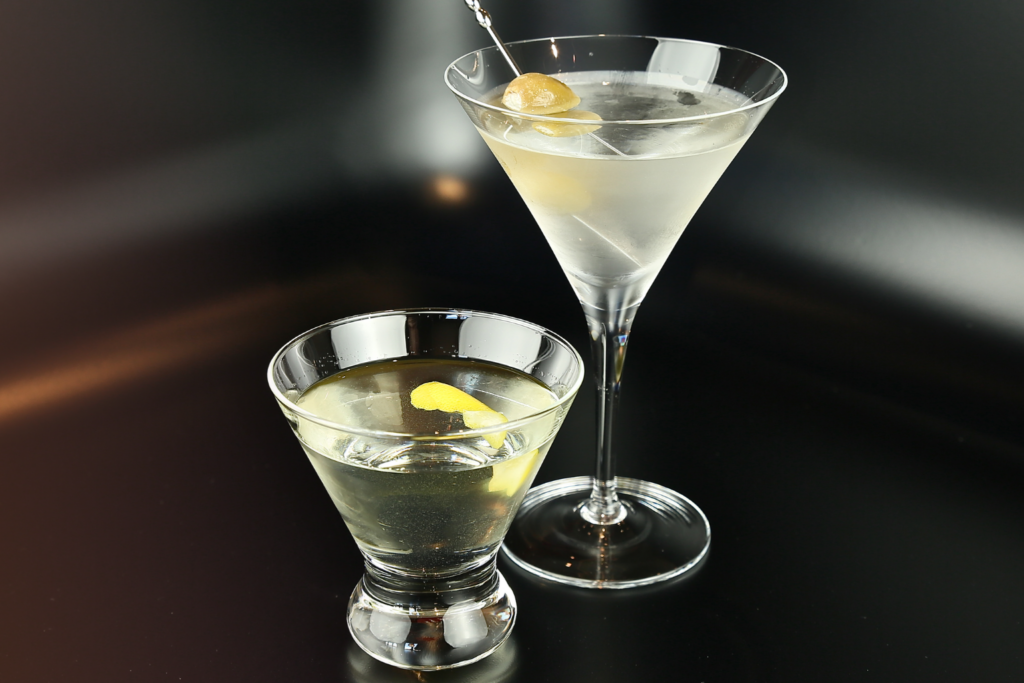
By the late 1880s, drinks resembling the Martini were appearing under several related names. The 1888 edition of Harry Johnson’s New and Improved Bartender’s Manual included a drink called the Martine Cocktail. The spelling may have reflected variation or error, but the recipe is treated as an important stage in the emergence of the Martini name. It still belonged to the sweeter mixing style of the period, using Old Tom gin and vermouth alongside additional flavouring ingredients.
During the early 1900s, drinks such as the Marguerite moved closer to the dry structure associated with the modern Martini. Dry gin, dry vermouth, and orange bitters increasingly replaced the sweeter combinations found in earlier manuals.
A particularly important printed reference appeared in the 1908 edition of William Boothby’s The World’s Drinks and How to Mix Them. Boothby included a Dry Martini Cocktail attributed to Charlie Shaw of Los Angeles. These records show a process of development rather than a clean invention. The cocktail became drier, simpler, and more recognisable across several decades.
Vermouth and the Changing Meaning of Dry
The Martini’s history cannot be understood through gin alone. Vermouth gave the drink its defining relationship between distilled spirit, aromatised wine, sweetness, bitterness, and botanical complexity. Antonio Benedetto Carpano introduced his influential commercial vermouth in Turin in 1786. French dry vermouth developed during the early 1800s, with the work of Joseph Noilly becoming especially important to the category.
By the late 1800s, American bartenders were using both Italian and French vermouths. Sweet vermouth helped shape drinks such as the Manhattan and Martinez, while French dry vermouth became central to the emerging Dry Martini. The word dry originally referred largely to the styles of vermouth and gin being used. It did not necessarily mean that vermouth should be reduced to an almost invisible quantity.
During the 1900s, however, the proportion of vermouth generally declined. Dryness gradually came to describe not only the ingredients but the increasingly dominant role of gin. In some later interpretations, vermouth was treated as little more than a symbolic presence. That development changed the public understanding of the Martini. Historically, vermouth was not an optional decoration. It was one of the elements that created the cocktail.
From Old Tom to London Dry Gin
Changes in gin transformed the Martini as decisively as changes in vermouth. Early Martinez and Martini-type drinks often used Old Tom gin, a style generally associated with greater sweetness and a rounder character than modern dry gin. Improved rectification and the expansion of cleaner neutral spirit during the 1800s allowed dry gin styles to become more widely available.
London Dry gin gave the Martini a more direct structure. Juniper became clearer, residual sweetness receded, and the relationship between spirit and vermouth became easier to perceive. London Dry is a regulated production style rather than a geographical appellation. A qualifying gin does not need to be distilled in London. The term relates to how the spirit is produced and what may be added following distillation.
As the Martini became simpler, small differences in gin style, vermouth character, and proportion became increasingly visible. This helped establish the cocktail as a professional benchmark. Its apparent simplicity left little room for inconsistency.
Prohibition and the International Martini
National Prohibition began in the United States in 1920, closing legal bars and severely disrupting established distilling and distribution systems.
Gin became strongly associated with the period because unaged spirit did not require the long maturation necessary for whisky. The quality of illicit products varied widely, and the idea that Martinis of the Prohibition period were uniformly elegant is historically misleading. At the same time, American bartenders and guests carried cocktail culture into London, Paris, Havana, and other international centres. Hotel bars and overseas manuals helped preserve established drinks while legal American bar culture remained restricted.
When Prohibition ended in 1933, the Martini returned to legal bars with greater cultural recognition. During the following decades, it became closely associated with hotels, private clubs, political life, business culture, and the public image of postwar sophistication. The drink had moved beyond its uncertain origins in the late 1800s. It had become an international symbol.
Fiction, Film, and the Expanding Martini
Popular culture carried the Martini far beyond professional bars. Ian Fleming’s 1953 novel Casino Royale introduced the Vesper, a named variation connected to James Bond. Later film adaptations turned Bond’s preference for a particular form of Martini service into one of cinema’s most familiar cocktail references.
Vodka also altered the category. During the second half of the 1900s, the Vodka Martini became widely recognised, challenging the idea that Martini must always refer to a gin and vermouth drink. By the 1980s and 1990s, the name was being attached to a broad range of cocktails with little historical connection to the original structure. In some cases, the only shared element was the glass in which they appeared.
This expansion made the Martini name more visible but less precise. The historic gin and vermouth structure survived alongside a growing family of unrelated interpretations. The Martini had become both a cocktail and a cultural category.
From Cocktail to Professional Benchmark
The International Bartenders Association currently places the Dry Martini among its Unforgettable cocktails. That recognition reflects its lasting position within the international bar canon. The Martini’s importance comes partly from its restraint. Its limited structure makes changes in style, balance, and handling unusually apparent. It also exposes the historical knowledge behind a bar’s interpretation.
Presenting vermouth as irrelevant overlooks the drink’s development. Claiming that one modern proportion is permanently correct ignores more than a century of variation. There has never been only one Martini. The historical record contains sweeter versions, drier versions, gin versions, vodka versions, and related drinks such as the Gibson, Vesper, Martinez, and Marguerite. Its continuity rests not on one fixed formula but on a recognisable relationship between spirit, vermouth, and professional discipline.
National Martini Day has no clearly documented founder and no official public status. Its significance comes from the history it brings back into view. The Martini developed through competing names, changing gin styles, the expansion of vermouth, American bartending manuals, Prohibition, international hotel culture, fiction, and film. Its beginnings remain disputed because it did not emerge from one clean act of invention.
That uncertainty is part of the historical record. The Martini became a classic through gradual change, repeated interpretation, and professional memory. On 19 June 2026, its history is best recognised not through a convenient creation myth, but through the long evolution that turned a family of gin and vermouth drinks into one of the international bar’s most enduring standards.

Cocktail
The Martinez 2 is a refined and historically inspired cocktail, celebrated for its balanced blend of sweetness, botanical…
Cocktail
The Manhattan is one of the most distinguished and enduring cocktails in history, often placed alongside the Martini…

Cocktail
The Martinez is often regarded as the direct ancestor of the Martini, a bridge between the sweet, aromatic…
Cocktail
The Martini is perhaps the most iconic cocktail in the world, a symbol of elegance, sophistication, and modernity.…
Cocktail
The Vesper is a sophisticated and striking cocktail, known for its crisp, clean profile and storied connection to…
Cocktail
The Dry Martini is one of the most iconic and enduring cocktails in the history of mixology. Its…
Spirit
N°3 London Dry Gin is a pinnacle of traditional gin craftsmanship, created by the esteemed Berry Bros. &…
Spirit
Vermouth Del Professore Caroni Cask Finish Edition Rum
Vermouth Del Professore Caroni Cask Finish Edition Rum is an artisan vermouth produced by Antica Distilleria Quaglia in…
Trending
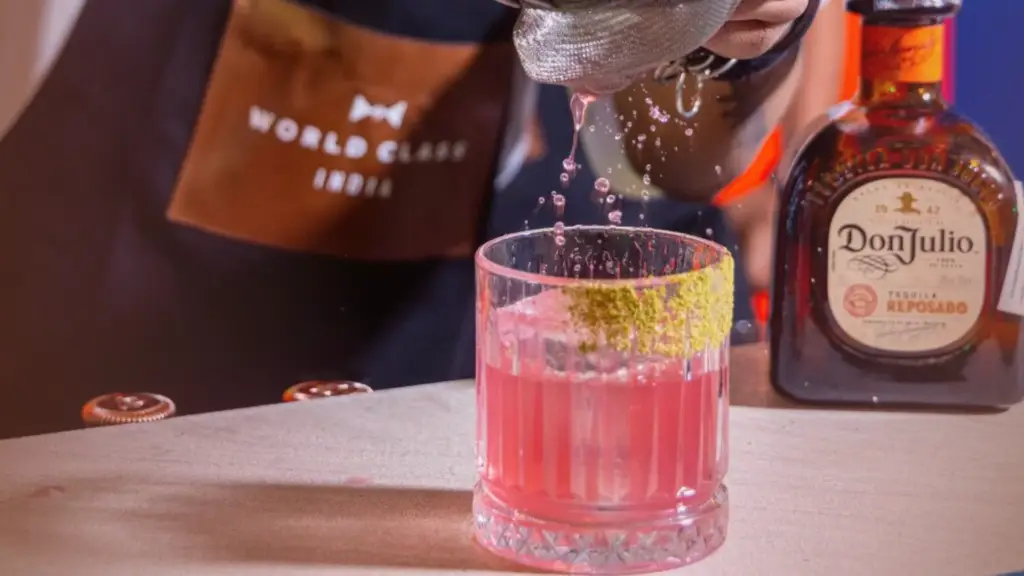
World Class 2026 and Dubai’s Rise as a Global Cocktail Culture Hub
From bartender competition to global industry platform The modern cocktail world has developed far beyond the traditional image of the bartender as a skilled server behind a bar. Over the past two decades, bartending has increasingly been recognised as a professional discipline built on technical knowledge, hospitality, creativity and a deeper understanding of spirits. Few […]
September 8, 2026
Partnership
Dilution and the Hidden Structure of the Cocktail
Dilution begins as soon as ice and liquid exchange heat, but its importance extends far beyond the simple addition of water. It changes alcoholic strength, temperature, aroma, sweetness, bitterness and texture, helping separate ingredients become a coherent drink. Because the process is usually invisible, it can be mistaken for a side effect of chilling. In […]
August 4, 2026
Partnership
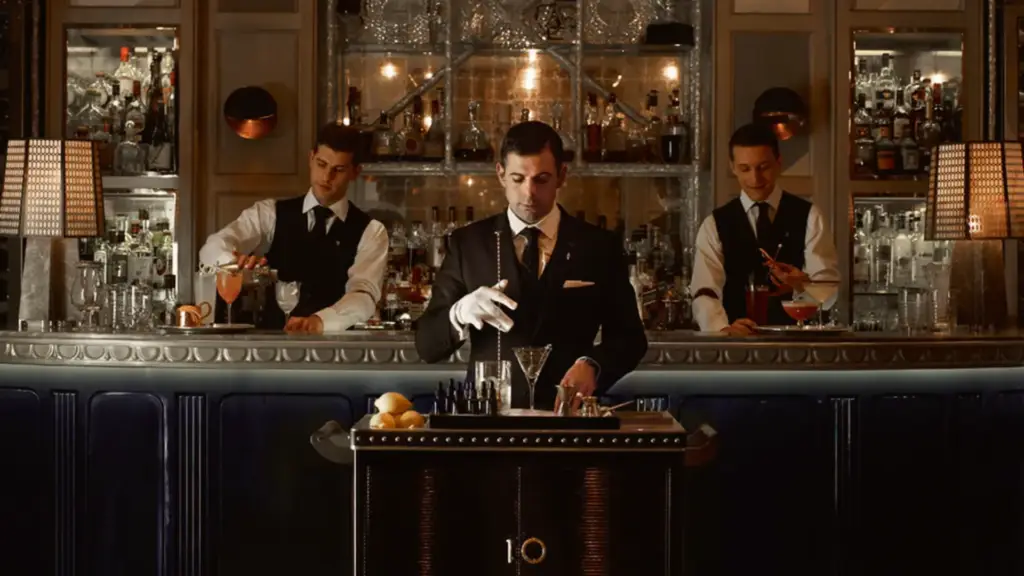
The Connaught Bar: Precision, Ritual, and the Martini That Set the Standard
Some bars are defined by their drinks. Others by their atmosphere. At Connaught Bar, it is service that holds everything together. Tucked within The Connaught in London, the bar has, over time, established itself as a reference point for what modern classic bartending can look like when precision and ritual are treated as inseparable. This […]
August 1, 2026