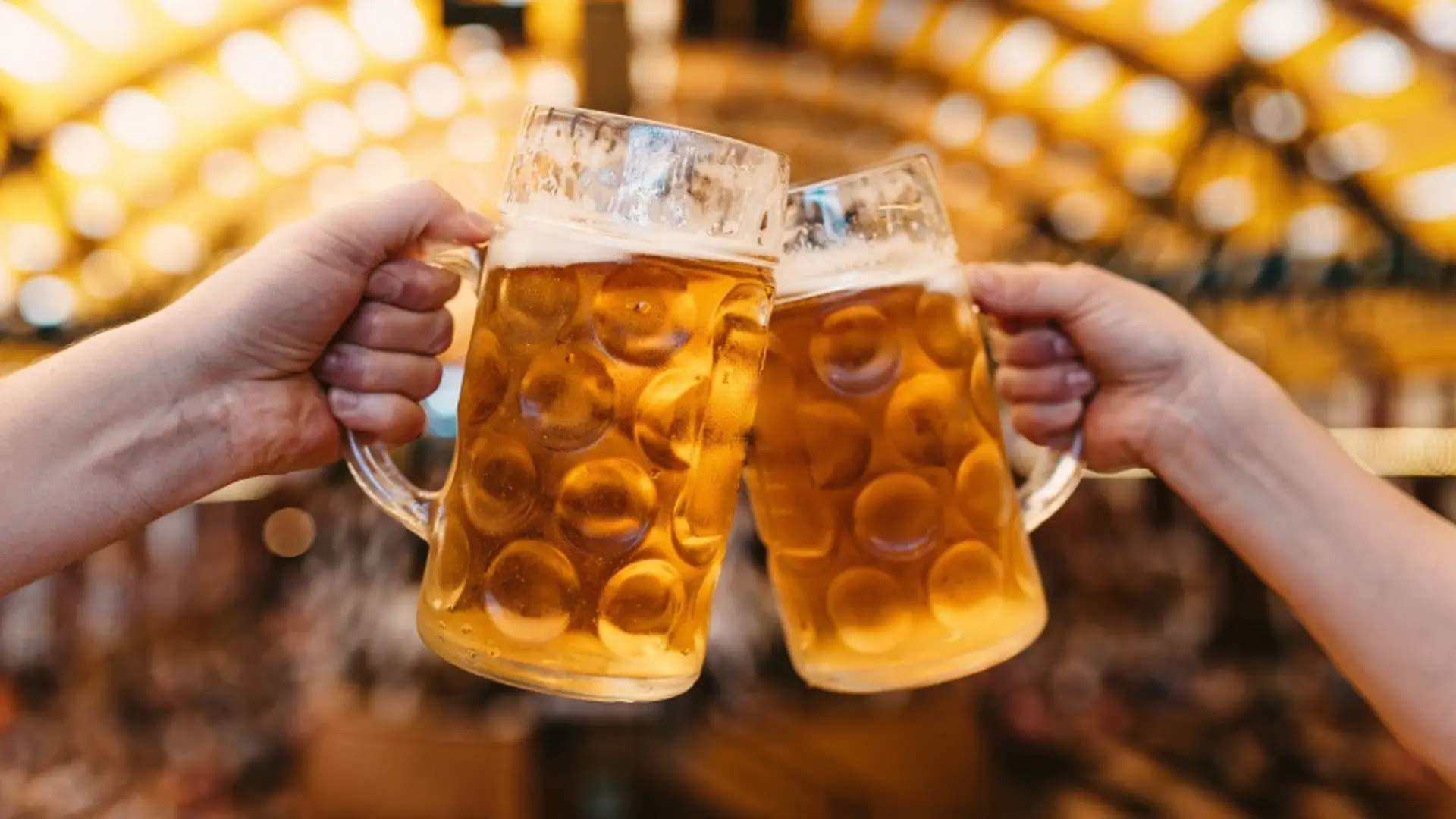
National Beer Day 2026 in the United States is observed each year on April 7, marking the date in 1933 when beer became legal again after more than a decade of Prohibition. The turning point was the Cullen–Harrison Act, signed by Franklin D. Roosevelt, which permitted the production and sale of beer with an alcohol content of up to 3.2% by weight, equivalent to approximately 4% ABV.
This act did not end Prohibition entirely. Full repeal came later in December 1933 with the ratification of the 21st Amendment. However, April 7 marked the first legal return of beer to the American public since the enforcement of the 18th Amendment in 1920. Contemporary reports indicate that breweries prepared extensively for this moment, and beer sales resumed immediately upon legalization.
National Beer Day itself is a modern observance, first widely recognized in 2009, but it commemorates a precise historical and legal transition that reshaped the American beverage industry.
Prohibition and the Disruption of American Brewing
The origins of this day are inseparable from the impact of Prohibition in the United States. Beginning in 1920, the federal ban on alcoholic beverages forced breweries to either shut down or adapt to survive.
Large producers such as Anheuser-Busch, Pabst Brewing Company, and Yuengling shifted to producing near beer, soft drinks, malt syrup, and other non-alcoholic products. While a handful of major companies maintained operations, thousands of smaller breweries closed permanently, resulting in a significant loss of regional brewing diversity. This period disrupted not only production but also brewing knowledge, supply chains, and local beer styles that had developed throughout the nineteenth century.
The Cullen–Harrison Act and Industrial Restart
The passage of the Cullen–Harrison Act represented a controlled reintroduction of alcohol into the American market. By limiting beer to 3.2% alcohol by weight, the law provided a transitional framework that allowed brewing to resume under federal oversight.
Breweries that had survived Prohibition were able to restart production rapidly. Distribution systems, although partially dismantled, were reestablished to meet immediate demand. Within days of legalization, millions of gallons of beer were produced and sold, signaling both economic recovery and cultural reacceptance. This moment also laid the groundwork for regulatory systems that would later define the modern U.S. alcohol market, including licensing structures and distribution controls.
Beer Styles and Production Realities in 1933
At the time of legalization, the American beer market was dominated by lager styles, influenced heavily by German brewing traditions established in the nineteenth century. Breweries such as Anheuser-Busch and Pabst Brewing Company focused on light, consistent lagers that could be produced efficiently and distributed widely.
Ale production persisted in smaller volumes, but the disruption of Prohibition had narrowed stylistic diversity. The priority in 1933 was not experimentation, but stability and scalability. As a result, the post-Prohibition beer market initially favored uniformity over regional variation. This standardized structure would remain dominant until the rise of the American craft beer movement several decades later.
National Beer Day in Contemporary Brewing Culture
The modern observance of National Beer Day reflects a different phase in American brewing history. Since its recognition in 2009, the day has been embraced by both large-scale producers and independent breweries.
Contemporary craft brewers such as Sierra Nevada Brewing Company, Boston Beer Company, and Dogfish Head Craft Brewery represent a shift toward diversity in style, fermentation techniques, and ingredient use.
Unlike the industrial restart of 1933, modern brewing culture emphasizes variation. India Pale Ales, stouts, sour beers, and hybrid styles coexist alongside traditional lagers, reflecting a re-expansion of the category that had once been narrowed by Prohibition.
Beer as a Legal, Industrial, and Cultural System
The return of beer in 1933 was not limited to consumption. It marked the restoration of an integrated system involving agriculture, fermentation science, manufacturing, and regulated distribution.
Beer production depends on grain cultivation, yeast management, and controlled fermentation processes. Its distribution operates within a regulated framework that balances commercial activity with public policy. These interconnected elements define beer not only as a beverage but as an industry.
Culturally, beer functions as a shared product, embedded in public and social life. The legal changes of 1933 allowed this role to reemerge after a prolonged period of restriction.
April 7 as a Structural Reintroduction
National Beer Day represents a precise historical moment when beer returned to legality within a structured framework. The Cullen–Harrison Act did not simply permit consumption. It enabled the reorganization of an industry that had been interrupted for over a decade.
From the survival of producers such as Yuengling to the industrial recovery led by companies like Anheuser-Busch, the date reflects continuity regained through regulation and adaptation. April 7 remains significant not because it celebrates beer in general, but because it marks the moment when beer was reintroduced as a legal, regulated, and culturally integrated system in the United States.

Travel & Experience
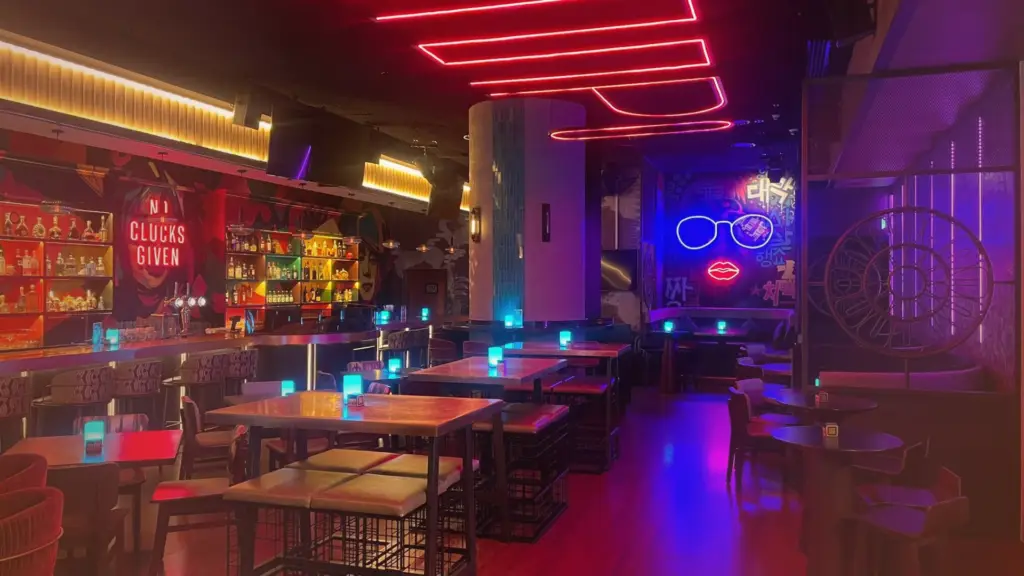
The Best 5 Bars in Dubai: Cocktail Bars Defining the City in 2026
Bars in Dubai have evolved into one of the city’s most distinctive expressions of hospitality, combining ambitious cocktail programmes, international bartending talent, rooftop venues, hotel bars and increasingly sophisticated local concepts. From intimate speakeasies and neighbourhood drinking spots to destination bars overlooking the Dubai skyline, the city offers a drinking culture shaped by both global […]
August 19, 2026
Travel & Experience
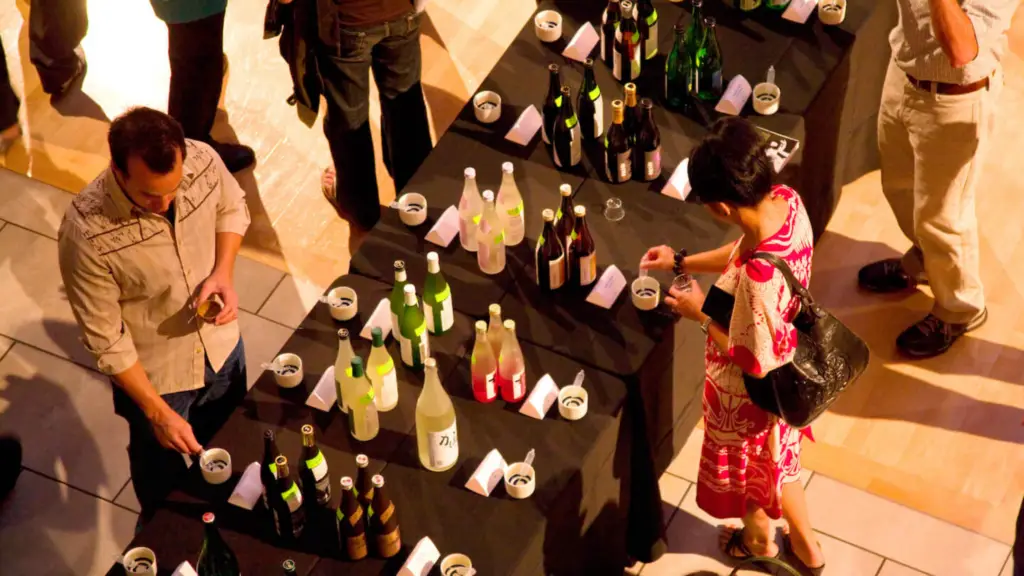
The Joy of Sake NYC 2026: Competition Sake, Urban Tasting, and Global Brewing Culture
On April 30, 2026, New York hosted one of the most significant sake events outside Japan through The Joy of Sake, held at the Metropolitan Pavilion. Recognized as the largest sake celebration beyond Japan, the event brought together competition-level sake, brewery representation, and restaurant-led food pairings within a structured tasting format. The event operates as […]
April 30, 2026
Community and Lifestyle
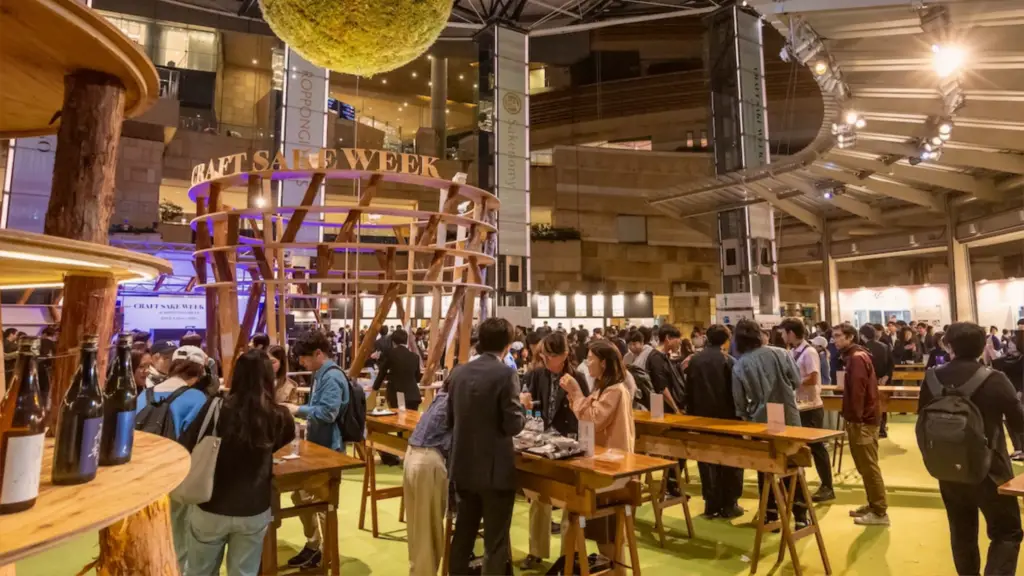
Craft Sake Week 2026 in Tokyo: Brewing Tradition, Modern Craft, and National Showcases
Each year, Tokyo hosts one of the most influential sake events in the country through Craft Sake Week, held at Roppongi Hills. Founded by former footballer Hidetoshi Nakata, the event was created to reposition sake within both domestic and global contexts, emphasising craftsmanship, regional identity, and contemporary relevance. The 2026 edition continues this structure, bringing […]
April 21, 2026