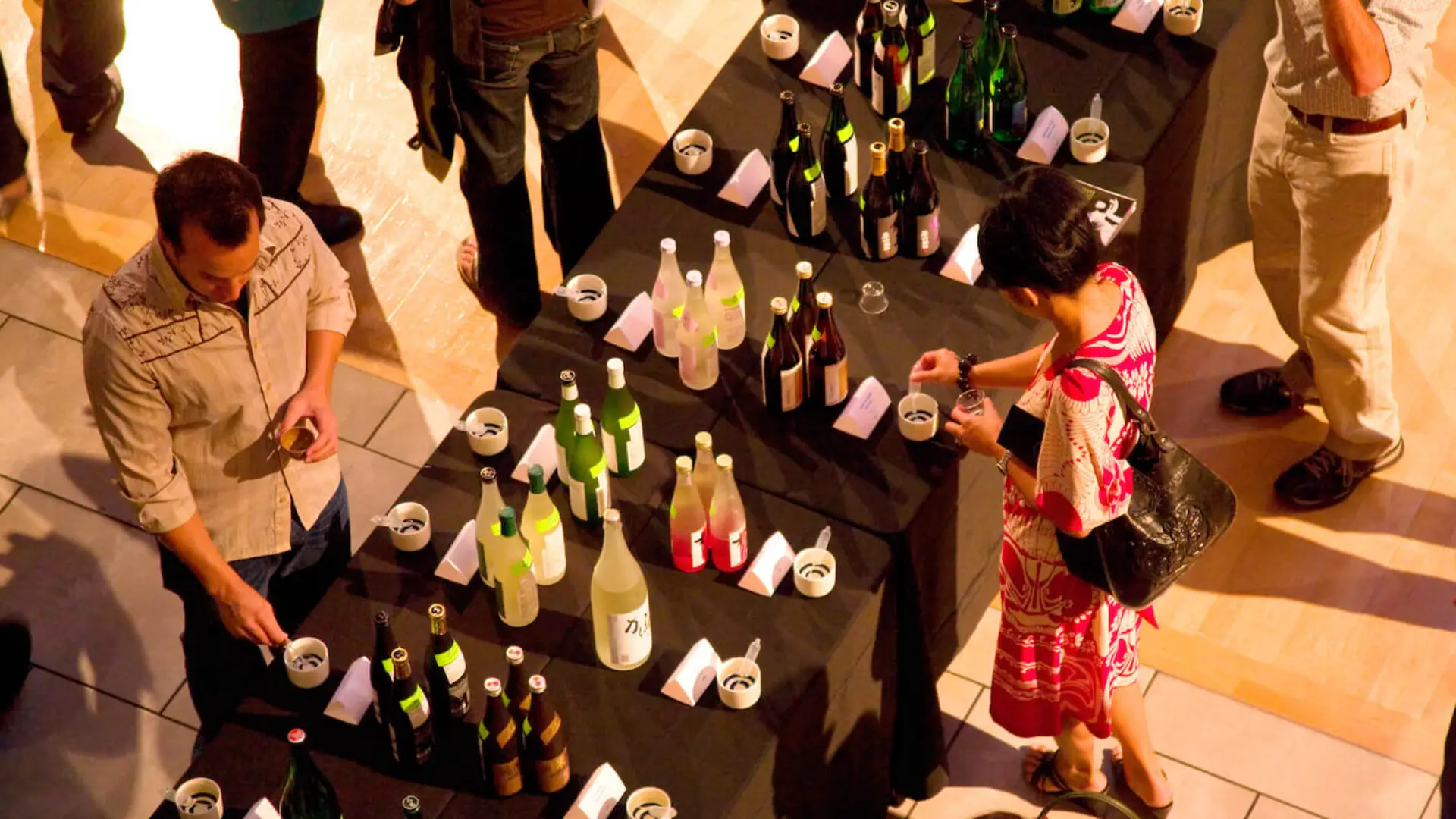
On April 30, 2026, New York hosted one of the most significant sake events outside Japan through The Joy of Sake, held at the Metropolitan Pavilion. Recognized as the largest sake celebration beyond Japan, the event brought together competition-level sake, brewery representation, and restaurant-led food pairings within a structured tasting format.
The event operates as an extension of the U.S. National Sake Appraisal, a competition that evaluates sake across categories based on aroma, balance, and technical precision. Rather than presenting sake as a retail product, The Joy of Sake positions it within a curated tasting system, where attendees experience award-winning expressions under controlled conditions.
Event Structure and Format
The 2026 edition followed a walk-around tasting model, running from 6:30 PM to 9:30 PM. The venue at Metropolitan Pavilion provided a centralized layout where participants could move between tasting stations, each representing different breweries and sake styles.
Tickets, priced between $140 and $148, included unlimited sake sampling and access to food pairings prepared by participating restaurants. Entry was restricted to guests aged 21 and above, aligning with U.S. alcohol regulations.
This format allowed attendees to engage directly with a broad range of sake expressions without structured sequencing, emphasizing exploration over guided tasting.
Sake Selection and Competition Context
The event featured 492 distinct sake labels, making it one of the most concentrated displays of sake outside Japan. These selections were drawn directly from the U.S. National Sake Appraisal, ensuring that each product met defined quality standards.
Among these, 253 were award-winning entries, including 124 gold and 129 silver medal recipients. These awards reflect evaluation criteria based on brewing precision, aroma clarity, and structural balance, rather than branding or market positioning.
A notable aspect of the 2026 selection was the inclusion of approximately 293 sake varieties not typically available in the United States. This provided access to limited-distribution and export-restricted expressions, positioning the event as both a tasting platform and a rare point of exposure for international audiences.
Breweries and Production Representation
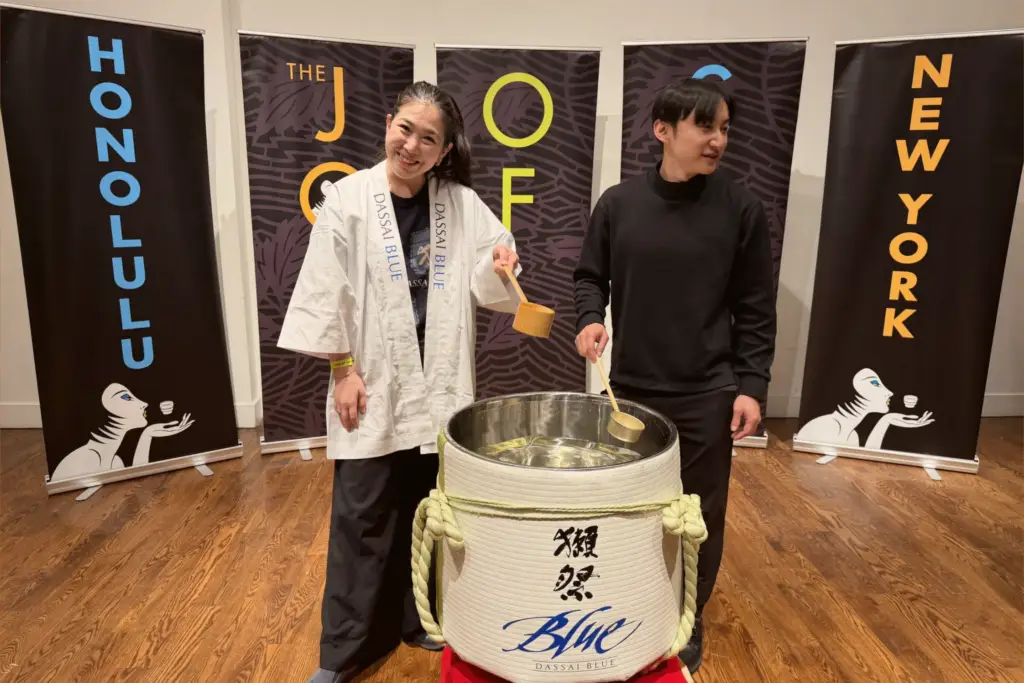
Participating producers included both Japanese and U.S.-based breweries, reflecting the global expansion of sake production. Among the featured names were Brooklyn Kura, representing domestic brewing innovation, and Dassai Blue, a U.S. extension of the Japanese brand Asahi Shuzo.
These producers operate within different production frameworks. Traditional Japanese breweries emphasize regional water sources, rice polishing ratios, and long-established fermentation techniques. In contrast, U.S.-based breweries adapt these methods to local conditions, integrating new ingredient sourcing and fermentation environments.
The presence of both models within a single event highlights sake’s transition from a nationally rooted product to a globally produced category.
Fermentation, Rice, and Technical Precision
Sake production is defined by multiple parallel fermentations, a process in which starch conversion and alcohol fermentation occur simultaneously. This system distinguishes sake from beer and wine, where these processes occur in separate stages.
The Joy of Sake, this technical complexity is reflected in the diversity of styles presented. Variations in rice polishing ratios, yeast strains, and fermentation control produce a wide spectrum of aromatic and structural profiles.
Highly polished daiginjo styles emphasize aromatic precision and light texture, while junmai expressions present fuller body and deeper rice character. These distinctions are not simply stylistic choices but outcomes of controlled technical processes.
Restaurant Integration and Culinary Pairing
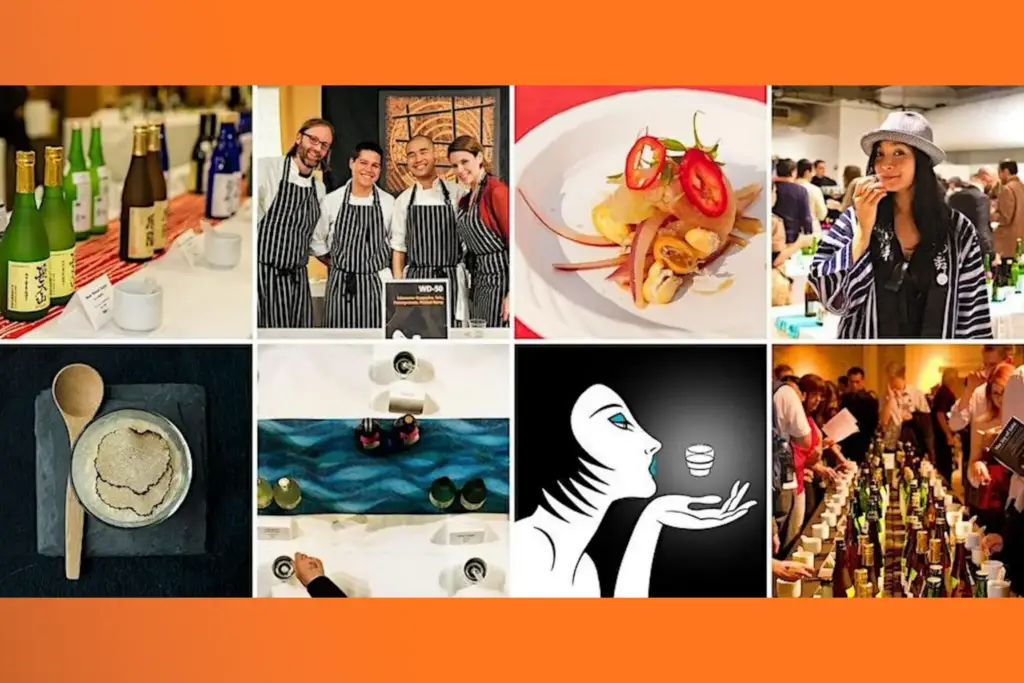
Food pairing is a central component of the event. Approximately 14 to 16 New York restaurants participated in the 2026 edition, providing dishes designed to complement sake’s structural profile.
Participating venues included BondST, known for upscale Japanese cuisine, Sakagura, a long-established Midtown sake bar, and Rule of Thirds, which focuses on modern Japanese dining.
Additional contributors such as Insa, Sake No Hana, Towa, and Yopparai expanded the culinary range, integrating both Japanese and non-Japanese interpretations of sake pairing.
These pairings highlight sake’s compatibility with a wide range of flavors. Its relatively low acidity and umami-driven profile allow it to interact with food in ways that differ from wine or distilled spirits.
Position Within Global Sake Culture
The Joy of Sake NYC reflects a broader shift in how sake is positioned globally. While traditionally associated with Japanese cultural and ceremonial contexts, sake is increasingly presented within international urban environments.
Events such as this reposition sake from a specialized or niche product into a globally accessible category. By integrating competition-level products, culinary pairing, and open-format tasting, the event bridges traditional brewing with modern consumption patterns.
This positioning aligns with the expansion of sake production beyond Japan, as seen in breweries such as Brooklyn Kura and Dassai Blue, which contribute to the category’s evolving identity.
Sake as a Globalized System
The Joy of Sake NYC 2026 is not simply a tasting event. It represents a structured convergence of competition standards, production diversity, and cultural adaptation.
From nearly 500 sake labels to participation by both Japanese and American breweries, the event demonstrates how sake operates as a system that extends beyond national boundaries. Each glass reflects not only fermentation technique but also the movement of a category into new cultural and geographic contexts.
In New York, sake is not presented as an imported tradition alone. It is positioned as an active, evolving component of global beverage culture, shaped by both its origins and its expansion.
Travel & Experience
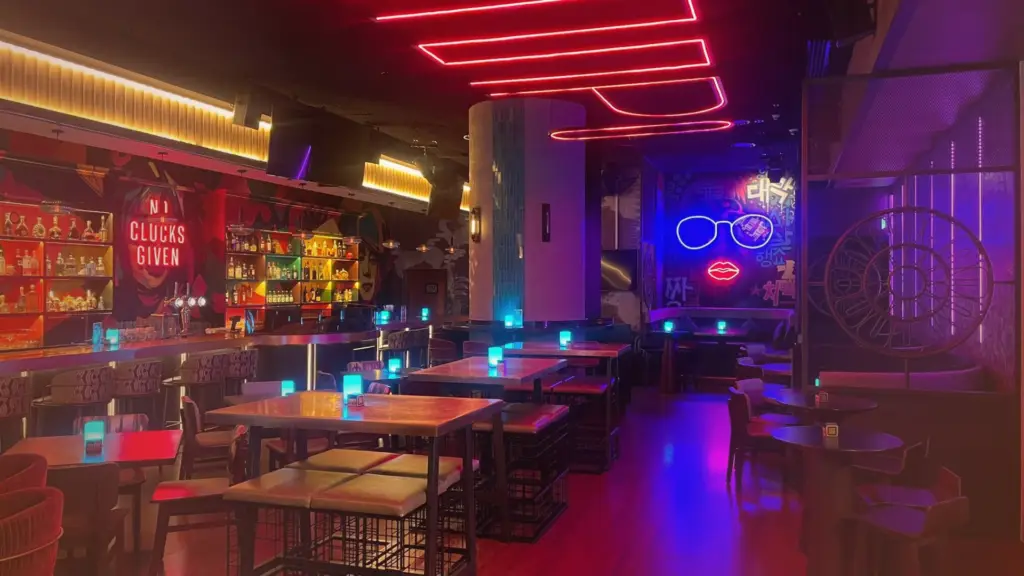
The Best 5 Bars in Dubai: Cocktail Bars Defining the City in 2026
Bars in Dubai have evolved into one of the city’s most distinctive expressions of hospitality, combining ambitious cocktail programmes, international bartending talent, rooftop venues, hotel bars and increasingly sophisticated local concepts. From intimate speakeasies and neighbourhood drinking spots to destination bars overlooking the Dubai skyline, the city offers a drinking culture shaped by both global […]
August 19, 2026
Community and Lifestyle
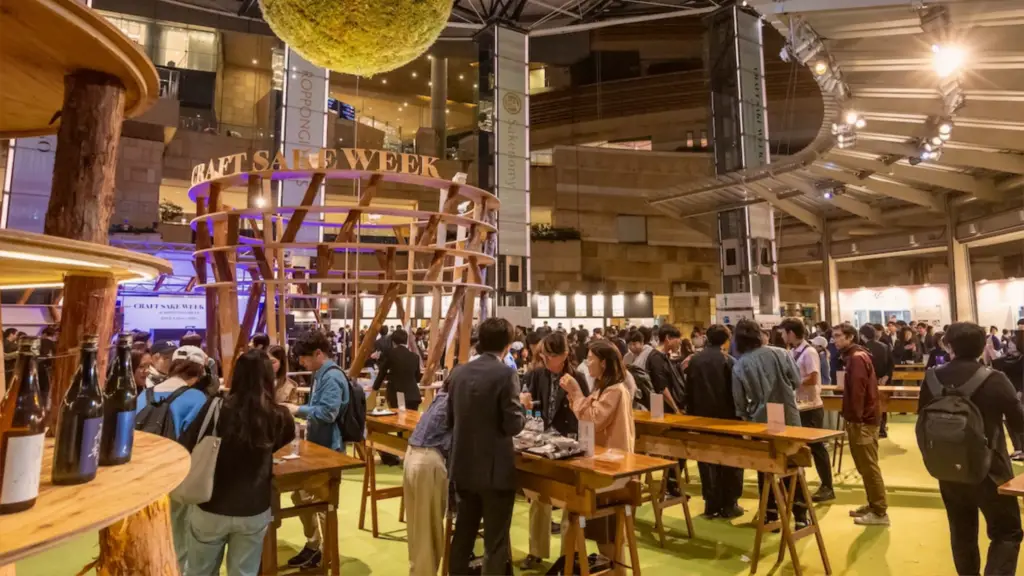
Craft Sake Week 2026 in Tokyo: Brewing Tradition, Modern Craft, and National Showcases
Each year, Tokyo hosts one of the most influential sake events in the country through Craft Sake Week, held at Roppongi Hills. Founded by former footballer Hidetoshi Nakata, the event was created to reposition sake within both domestic and global contexts, emphasising craftsmanship, regional identity, and contemporary relevance. The 2026 edition continues this structure, bringing […]
April 21, 2026
Community and Lifestyle
National Beer Day 2026 in the USA: April 7 and the Legal Return of Beer in 1933
National Beer Day 2026 in the United States is observed each year on April 7, marking the date in 1933 when beer became legal again after more than a decade of Prohibition. The turning point was the Cullen–Harrison Act, signed by Franklin D. Roosevelt, which permitted the production and sale of beer with an alcohol […]
April 7, 2026