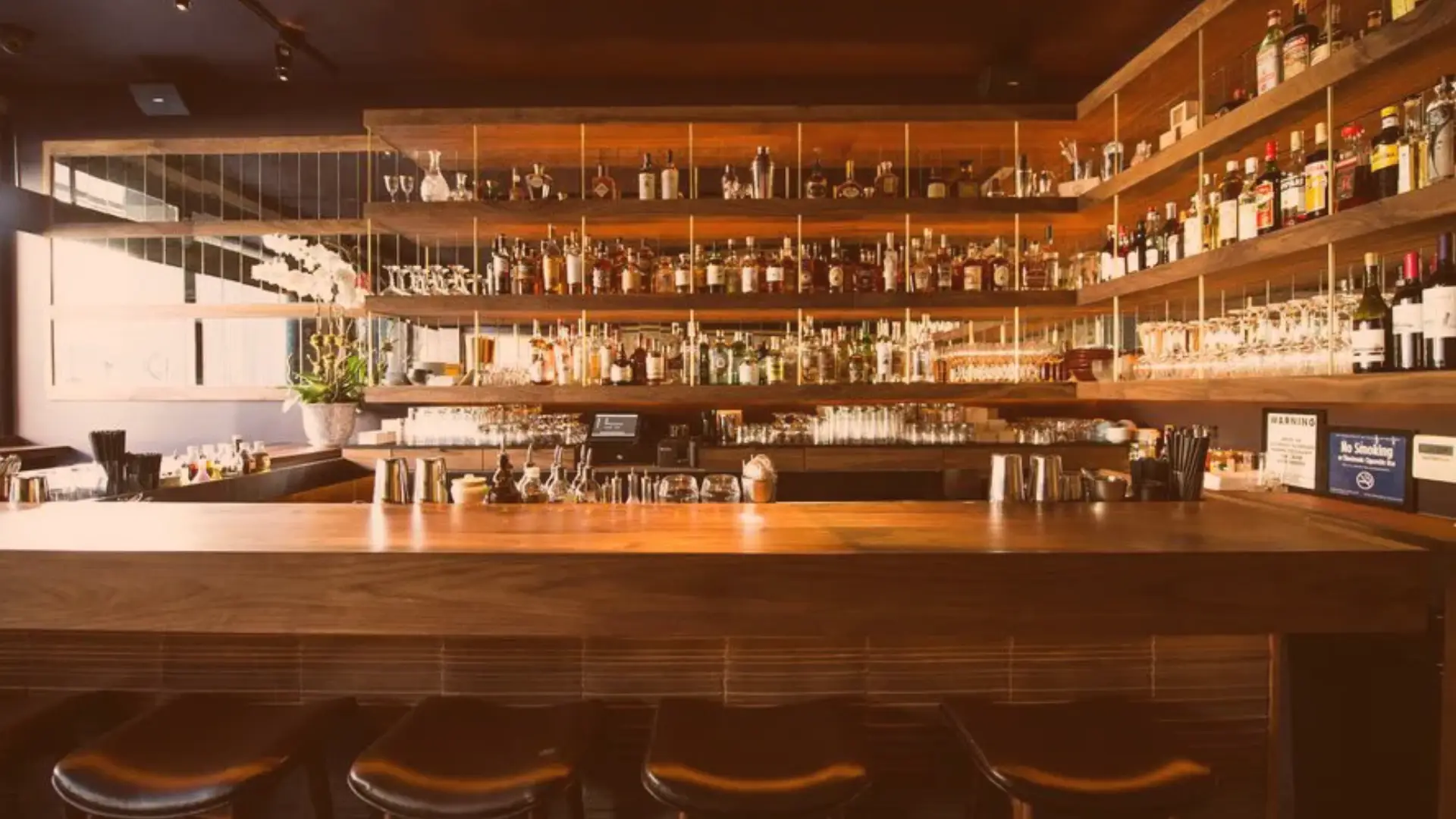
New York City has always treated bars as more than places to drink. Since the late 19th century, bars across Manhattan, Brooklyn and beyond have functioned as social institutions where immigration, nightlife, music, politics and creativity intersect. In 2026, the top bars in New York City are not defined by novelty or rankings alone but by their ability to sustain relevance across decades of change. These bars succeed because they understand rhythm, community and craft while remaining deeply rooted in place.
Bars in New York City as Cultural Institutions
The history of New York bar culture is inseparable from the city’s evolution. During the early 1900s, hotel bars and neighborhood saloons reflected the city’s social hierarchy and migration patterns. The repeal of Prohibition in 1933 marked a turning point when cocktail culture reemerged and bars began shaping identity rather than hiding from authority.
In the 21st century, New York bars evolved again, becoming spaces where culinary thinking, education, and hospitality professionalism converged. The bars that endure are those that balance innovation with consistency. In 2026, the most respected bars continue to operate as living institutions rather than trend-driven concepts.
The Dead Rabbit and the Return of Narrative Hospitality
Opened in 2013 by Jack McGarry and Sean Muldoon, The Dead Rabbit redefined what a modern bar could be. Drawing inspiration from 19th-century Irish pubs and New York immigrant history, it introduced a layered approach where cocktails, food and storytelling coexist. The bar’s menu reads like a historical document while its upstairs parlor emphasizes refined service.
The Dead Rabbit’s relevance in 2026 lies in its discipline. Cocktail technique remains sharp yet accessible, with classic whiskey cocktails Irish Irish-influenced serves and historical punches anchoring the experience. Spirits categories such as Irish whiskey, rye whiskey and fortified wines are treated with respect rather than reinvention. This commitment to narrative hospitality has made The Dead Rabbit a reference point for bars worldwide.
Katana Kitten and the Reimagining of Japanese Drinking Culture
Founded in 2018 by Masahiro Urushido and partners, Katana Kitten brought Japanese highball culture into New York with a sense of playfulness. Unlike formal Japanese cocktail bars, Katana Kitten embraces warmth, color and informality while maintaining technical precision.
Highballs featuring Japanese whisky, gin and shochu sit alongside inventive cocktails that reflect pop culture as much as tradition. In 2026, Katana Kitten remains influential because it demonstrates how cultural translation can feel authentic without being rigid. It attracts industry professionals and casual drinkers equally, reinforcing the idea that excellence does not require intimidation.
Dante and the Endurance of Aperitivo Culture- Bars in New York City
Originally opened as a café in 1915, Dante’s modern revival during the 2010s positioned it as a global ambassador for aperitivo culture. Located in the West Village, Dante emphasizes Negroni variations, vermouth-based cocktails and low alcohol serves rooted in Italian tradition.
Dante’s strength lies in its daytime relevance. Unlike many cocktail bars that peak at night, Dante thrives from afternoon into evening, reflecting how New Yorkers increasingly drink socially rather than excessively. In 2026, its approach to vermouth, Campari gin and amaro continues to shape how aperitivo culture is understood in the United States among the other top bars in New York City.
Employees Only and the New York Night Rhythm
Since opening in 2004, Employees Only has embodied the late-night New York cocktail bar. Founded by Dushan Zaric and partners, it combines high-energy service with disciplined drink execution. The bar’s longevity is remarkable in a city known for rapid turnover.
Classic cocktails dominate the menu, with vodka, gin, rye whiskey and tequila serving as foundations rather than afterthoughts. Employees Only remains relevant in 2026 because it understands flow. Guests come for energy rather than spectacle, making it a model for bars in New York City that prioritize atmosphere over trends.
Bemelmans Bar and the Preservation of Elegance
Opened in 1947 inside The Carlyle Hotel, Bemelmans Bar represents an unbroken line of New York luxury. Decorated with murals painted by Ludwig Bemelmans himself, the bar has hosted generations of musicians, writers and diplomats.
Cocktails here are classic martinis, Manhattans and champagne-based drinks served without irony. The spirits focus remains on cognac, gin, American whiskey and fortified wines. In 2026, Bemelmans Bar endures because it resists reinvention entirely. It offers continuity in a city defined by change among the Bars in New York City
Attaboy and the Human Element of Bartending
Opened in 2014 by Sam Ross and Michael McIlroy, former bartenders at Milk and Honey, Attaboy removed menus entirely. Guests describe preferences and bartenders respond through conversation rather than instruction.
This model emphasizes trust as a fundamental component. Spirits such as mezcal, rum, rye whiskey and gin are selected based on dialogue rather than branding. In 2026, Attaboy remains a benchmark for bars that prioritize human connection over format.
Death and Co and the Professionalization of Cocktail Culture
Founded in 2006 in the East Village, Death and Co. played a central role in shaping modern cocktail education. Its influence extends through published books, training systems and alumni who now lead bars globally.
The bar’s menu emphasizes balance, structure and restraint, with deep respect for spirits categories such as brandy rye whiskey, gin, and rum. In 2026, Death and Co. remains essential because it represents the intellectual backbone of New York cocktail culture.
Double Chicken Please and Culinary Driven Mixology
Opened in 2020 by GN Chan and Faye Chen, Double Chicken Please reflects a new generation of bars that merge culinary technique with cocktail design. Drinks reference flavors such as yuzu, sesame and coffee while remaining structurally sound.
The bar operates in two distinct spaces, one casual and one more experimental. In 2026, it stands as a signpost for where New York cocktail culture is heading, toward integration rather than separation of kitchen and bar.
Maison Premiere and Brooklyn’s Influence on Bar Culture
Opened in Williamsburg in 2011, Maison Premiere helped redefine Brooklyn as a serious contributor to global bar culture. Inspired by New Orleans absinthe houses, it introduced extensive spirits selection, oyster service and garden seating into a neighborhood context.
Absinthe rum, American whiskey, and classic cocktails dominate the program. In 2026, Maison Premiere remains relevant because it combines escapism with consistency, offering destination-level quality while maintaining its neighborhood identity.
McSorley’s Old Ale House and the Architecture of Continuity
Established in 1854, McSorley’s Old Ale House in the East Village stands as New York City’s oldest continuously operated saloon. Unlike its cocktail-driven peers, McSorley’s is defined by a steadfast refusal to change. Having hosted legends from Abraham Lincoln to John Lennon, the experience remains starkly simple. Guests choose only between Light or Dark ale, served two mugs at a time amidst sawdust-covered floors. In 2026, it remains a vital institution representing the city’s working-class roots, proving that true bar culture relies on community and atmosphere rather than trends.
The Role of New York Bars in Global Drinking Culture
What unites the top bars in New York City is not style but intention. Each reflects a specific moment in the city’s cultural evolution while remaining open to change. New York bars influence global trends not because they chase them but because they establish standards that others respond to.
The city’s diversity allows multiple bar philosophies to coexist. From aperitivo-focused cafés to late-night cocktail dens and historic hotel lounges, New York remains unmatched in breadth.
On Barlist, bars are explored through narrative context, spirits knowledge and social role rather than hype. By examining Bars in New York City as institutions rather than rankings, Barlist connects readers to the deeper story of how cities drink, gather, and evolve.
Bar
Employees Only is a renowned cocktail bar located in the heart of New York City’s West Village. Since…
Bar
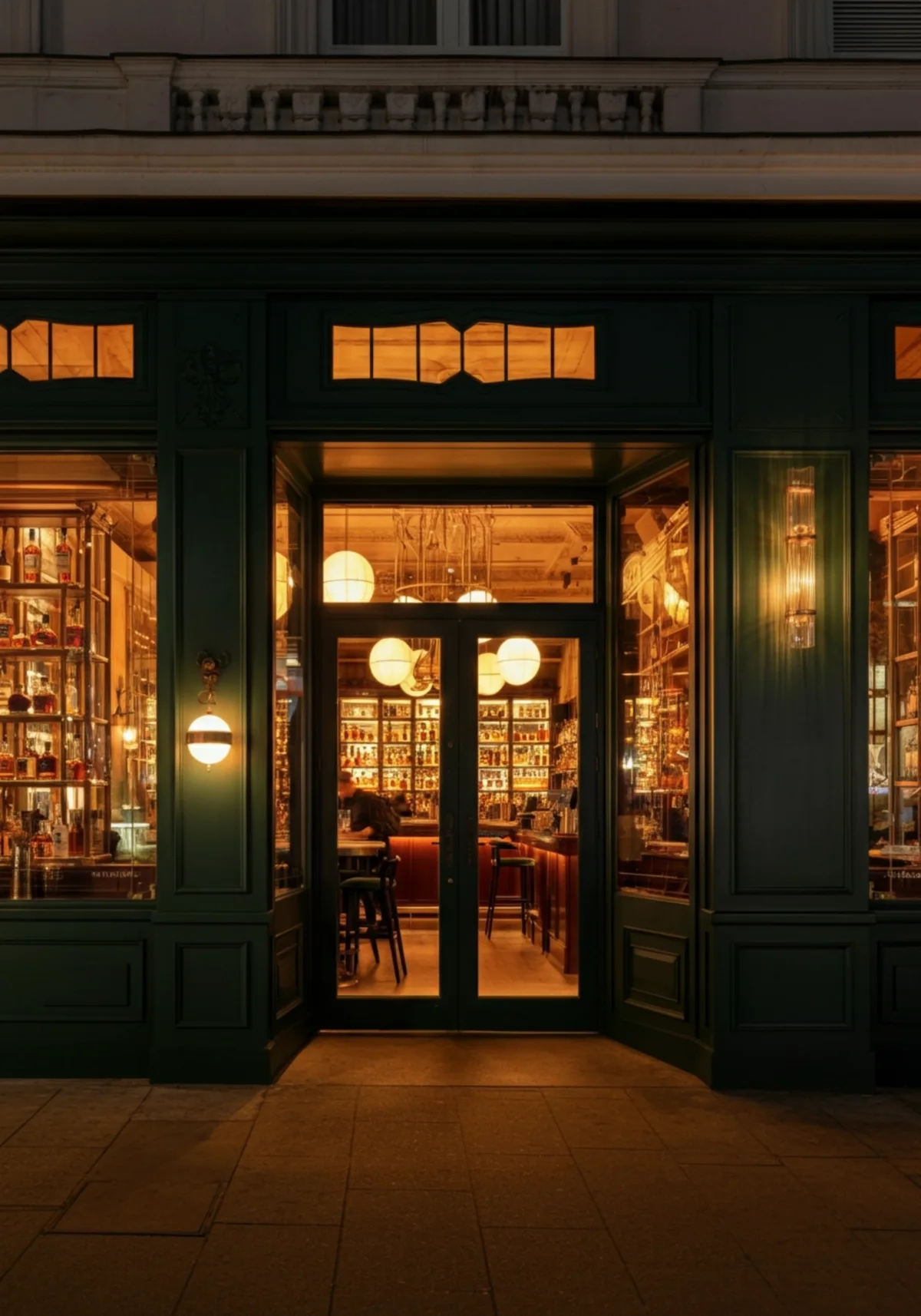
Maison Premiere is a Belle Époque–inspired absinthe bar and oyster saloon located at 298 Bedford Avenue in Williamsburg,…
Bar
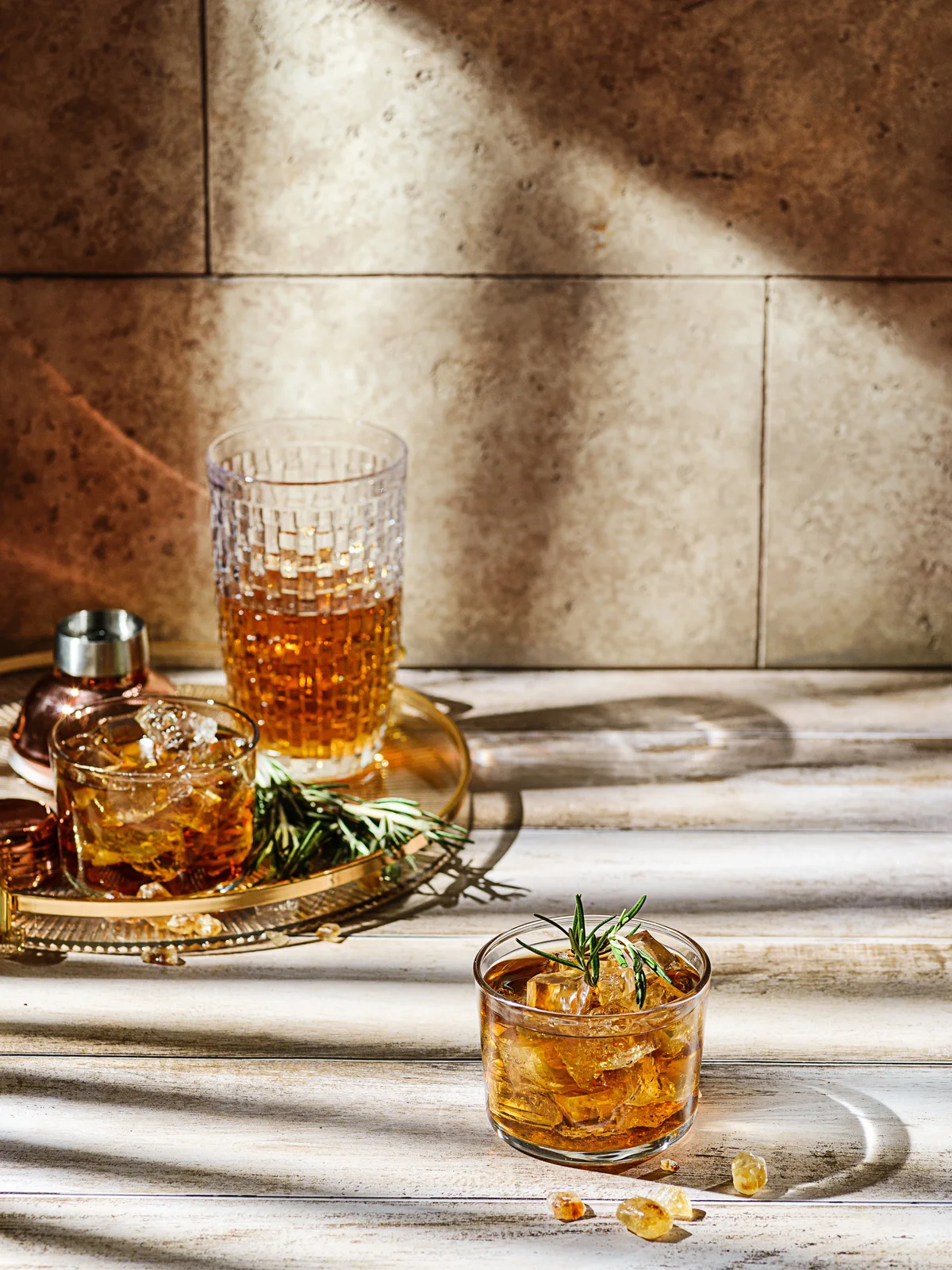
The Dead Rabbit is an iconic Irish cocktail bar nestled in New York City’s Financial District at 30…
Bar
Katana Kitten is a lively and inventive two-level cocktail bar located at 531 Hudson Street in New York’s…
Partnership
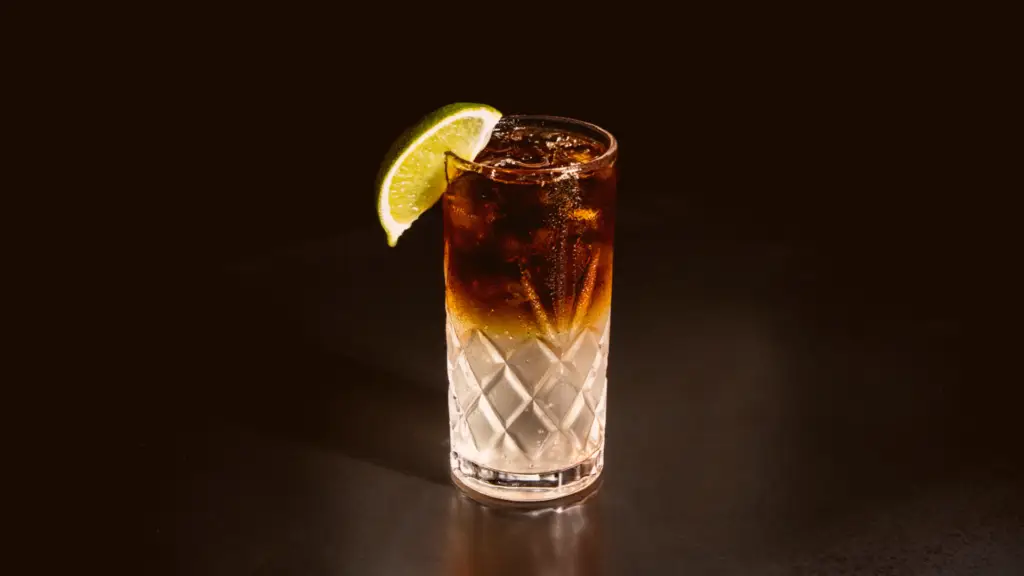
Dark ’N’ Stormy: Bermuda’s Highball, Trademark Law, and the Precision of Simplicity
A bar, a storm, and a glass of dark rum over ginger beer. The image has become inseparable from Bermuda, where the Dark ’N’ Stormy is less a cocktail than a national signature. Unlike many mixed drinks shaped by evolving bar culture, this one is anchored to a single producer, a specific island, and a […]
July 30, 2026
Cocktail of The Week
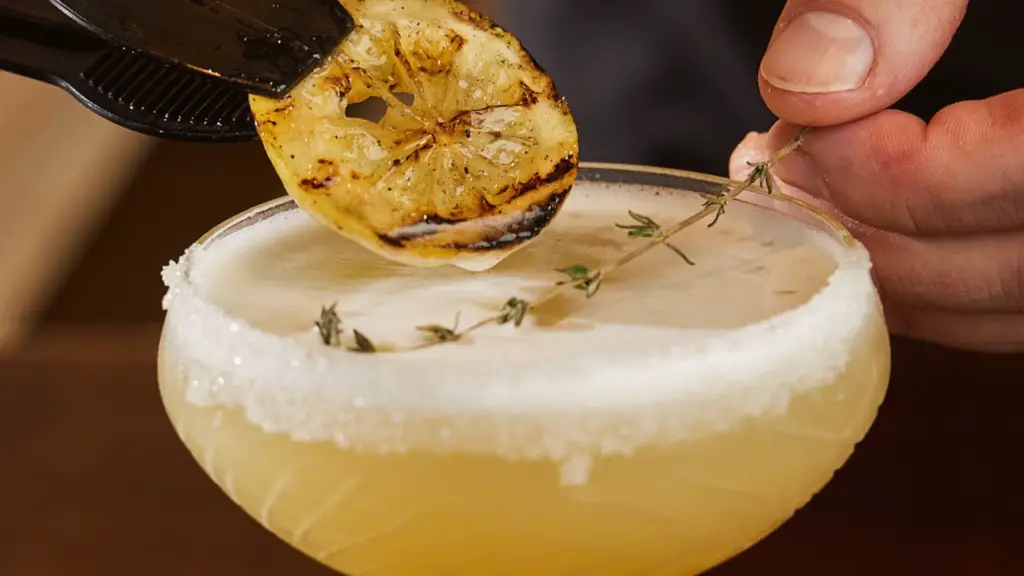
Bee’s Knees: Prohibition Precision, Honey Structure, and the Evolution of a Gin Sour
During the 1920s, under the restrictions of Prohibition, American drinkers and bartenders became used to cocktails that corrected, softened, or disguised rough spirits. Among them, the Bee’s Knees stands out for one reason: it did not disappear when better spirits returned. Instead, it moved beyond its Prohibition association, becoming one of the clearest demonstrations of […]
July 2, 2026
Bars and Cocktails
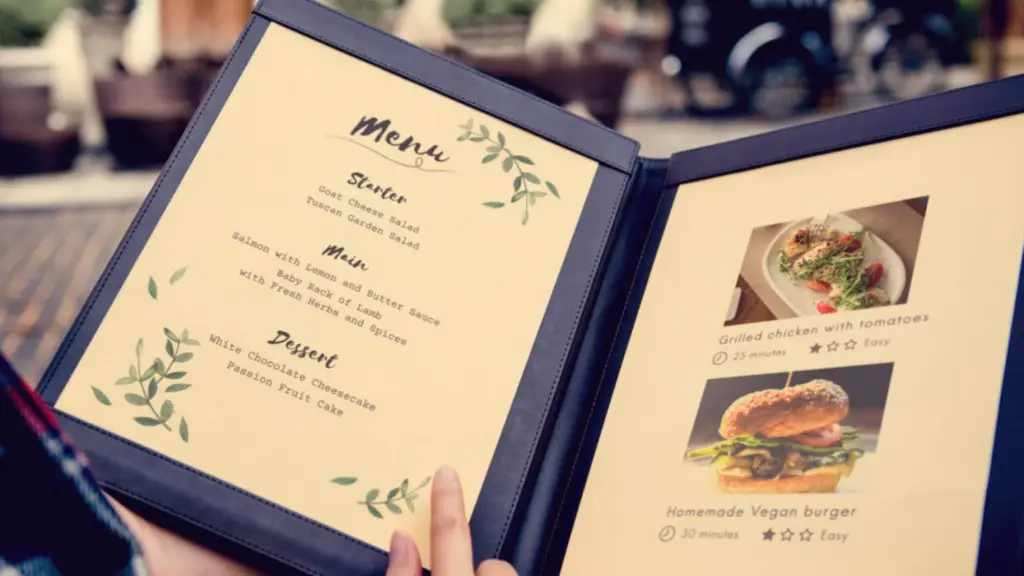
Psychology of Cocktail Menus: Design Influences Choice
Cocktail menus are rarely just a list of drinks. It functions as a structured system that shapes how guests navigate choice, often before any interaction with a bartender begins. Through layout, naming, pricing, and categorization, menus guide attention and reduce uncertainty, influencing decisions in ways that feel intuitive rather than directed. Across modern bar culture, […]
April 2, 2026