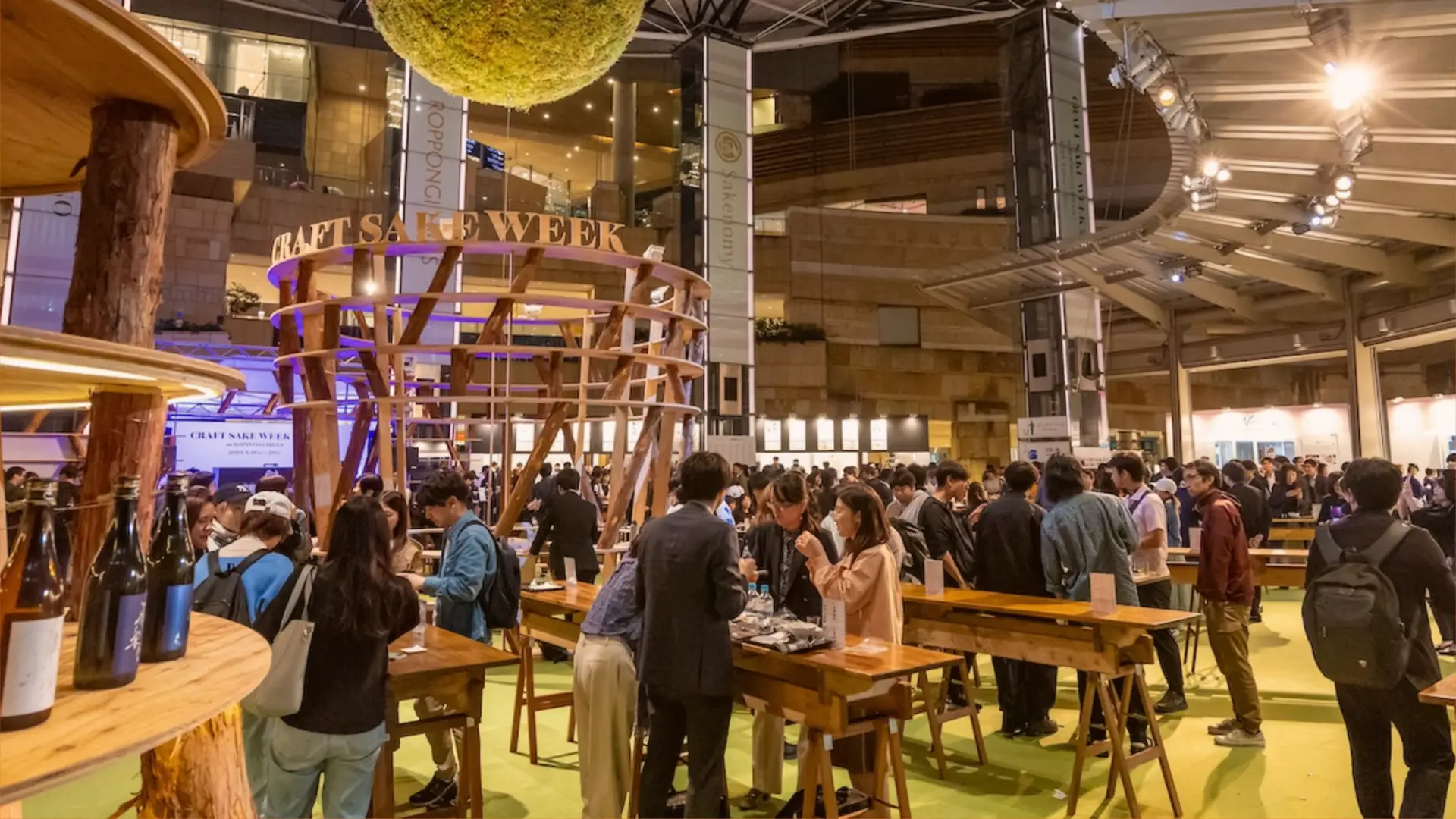
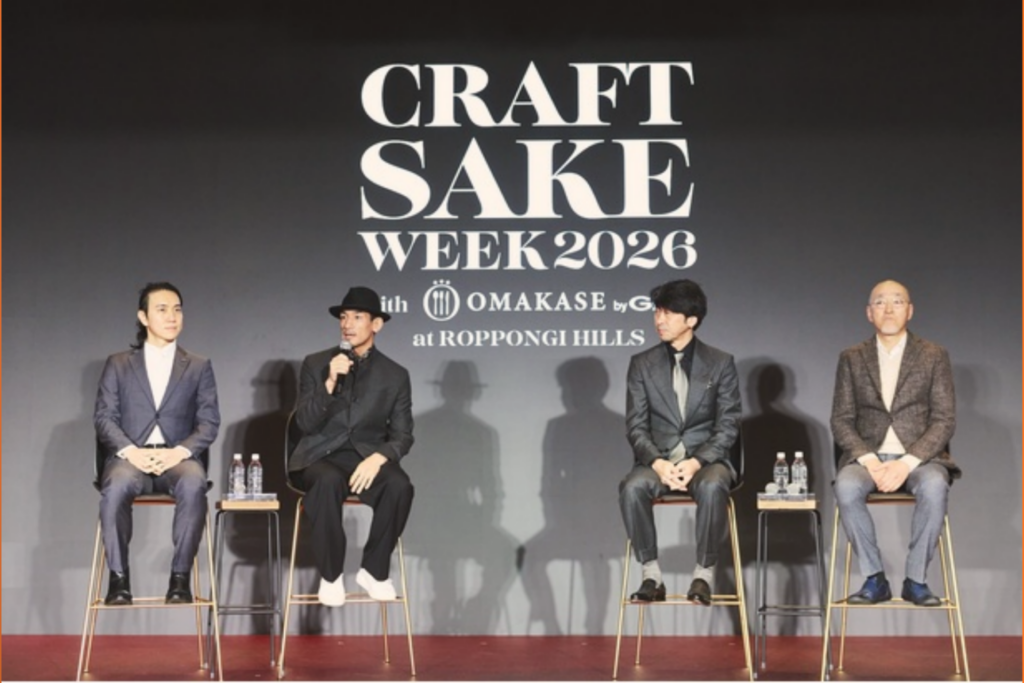
Each year, Tokyo hosts one of the most influential sake events in the country through Craft Sake Week, held at Roppongi Hills. Founded by former footballer Hidetoshi Nakata, the event was created to reposition sake within both domestic and global contexts, emphasising craftsmanship, regional identity, and contemporary relevance.
The 2026 edition continues this structure, bringing together a rotating selection of breweries from across Japan. Rather than presenting sake as a uniform category, the event organises producers into curated daily themes, allowing visitors to experience variation in brewing techniques, rice polishing ratios, fermentation styles, and regional characteristics.
Sake as Structure: From Regional Brewing to National Presentation
Sake production in Japan is rooted in regional diversity. Breweries operate across prefectures with distinct water sources, rice varieties, and climatic conditions, all of which influence fermentation and final flavour structure.
On Craft Sake Week 2026, this diversity is presented in a controlled environment. Each participating brewery is selected based on production quality and stylistic representation, allowing the event to function as a condensed map of Japan’s sake industry.
Visitors encounter a range of styles, from aromatic ginjo expressions to structured junmai styles, each reflecting variations in polishing ratio, yeast selection, and fermentation control. The event does not separate tradition from innovation. Instead, it places both within the same framework.
Breweries and Named Expressions
Participating producers typically include a mix of historic and contemporary breweries. Names such as Dassai Brewery, known for its highly polished rice and precise fermentation techniques, and Kubota (Asahi Shuzo Niigata), associated with clean and structured styles, represent the diversity of modern sake production.
Other breweries, including Hakkaisan Brewery and Born (Katoukichibee Shoten), contribute expressions that reflect regional water composition and long-standing brewing traditions. These producers do not present isolated products. Each sake is contextualised within its brewing environment, linking rice cultivation, water mineral content, and fermentation techniques to the final profile.
Fermentation, Rice, and Technical Precision
Unlike distilled spirits, sake production is centred on fermentation. The process relies on multiple parallel fermentations, where starch conversion and alcohol production occur simultaneously. This structure introduces a level of control that defines sake as both an agricultural and technical product.
At Craft Sake Week, this complexity is translated into tasting formats. Visitors are not only sampling finished products but also engaging with variations in rice polishing ratios, commonly referred to as seimai buai, and yeast strains that influence aroma and texture.
Water plays a central role. Just as in whisky production, mineral composition affects fermentation stability. Breweries from regions with soft water produce lighter, more delicate profiles, while harder water can result in more structured and robust expressions.
Food Pairing and Culinary Integration
A defining feature of Craft Sake Week is its integration with cuisine. The event pairs sake with dishes prepared by chefs from some of Tokyo’s leading restaurants, transforming tasting into a structured culinary experience.
This pairing reflects sake’s versatility. Unlike many spirits that dominate flavour profiles, sake interacts with food in a way that enhances both elements. Umami-rich dishes, seafood, and lightly seasoned preparations allow the subtlety of sake to emerge without overpowering the palate. The result is not a tasting in isolation, but a system in which food and beverage operate together.
Cultural Positioning and Modern Identity
The significance of Craft Sake Week lies in its ability to reposition sake within contemporary culture. While deeply rooted in tradition, sake has faced challenges in maintaining relevance among younger consumers and global markets.
By presenting sake in an urban, design-focused environment at Roppongi Hills, the event shifts perception. It moves sake from a purely ceremonial or traditional product into a modern lifestyle context. This repositioning aligns with broader trends in the global beverage industry, where heritage products are reintroduced through curated experiences rather than mass distribution.
Sake as a Living System
Craft Sake Week 2026 is not simply a festival. It is a structured representation of Japan’s brewing culture. Through curated participation, controlled tasting environments, and integration with cuisine, it presents sake as a system rather than a category.
From rice fields and water sources to fermentation tanks and final service, every stage of production is reflected in the glass. What visitors experience in Tokyo is not a collection of products, but a compressed expression of a national craft. In this context, sake is not static. It continues to evolve, shaped by both tradition and modern interpretation, with events like Craft Sake Week serving as the bridge between the two.
Travel & Experience
The Best 5 Bars in Dubai: Cocktail Bars Defining the City in 2026
Bars in Dubai have evolved into one of the city’s most distinctive expressions of hospitality, combining ambitious cocktail programmes, international bartending talent, rooftop venues, hotel bars and increasingly sophisticated local concepts. From intimate speakeasies and neighbourhood drinking spots to destination bars overlooking the Dubai skyline, the city offers a drinking culture shaped by both global […]
August 19, 2026
Travel & Experience
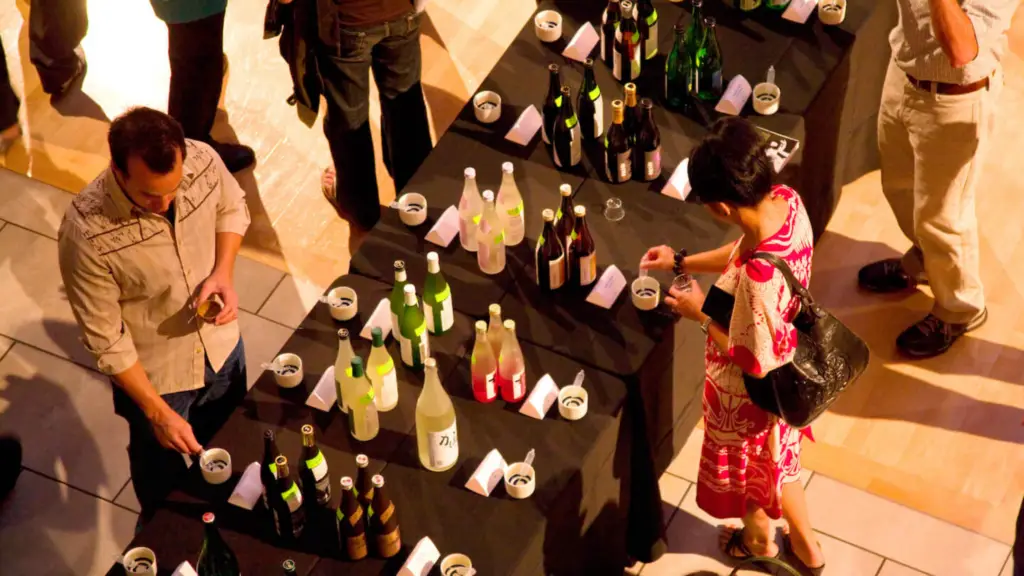
The Joy of Sake NYC 2026: Competition Sake, Urban Tasting, and Global Brewing Culture
On April 30, 2026, New York hosted one of the most significant sake events outside Japan through The Joy of Sake, held at the Metropolitan Pavilion. Recognized as the largest sake celebration beyond Japan, the event brought together competition-level sake, brewery representation, and restaurant-led food pairings within a structured tasting format. The event operates as […]
April 30, 2026
Community and Lifestyle
National Beer Day 2026 in the USA: April 7 and the Legal Return of Beer in 1933
National Beer Day 2026 in the United States is observed each year on April 7, marking the date in 1933 when beer became legal again after more than a decade of Prohibition. The turning point was the Cullen–Harrison Act, signed by Franklin D. Roosevelt, which permitted the production and sale of beer with an alcohol […]
April 7, 2026