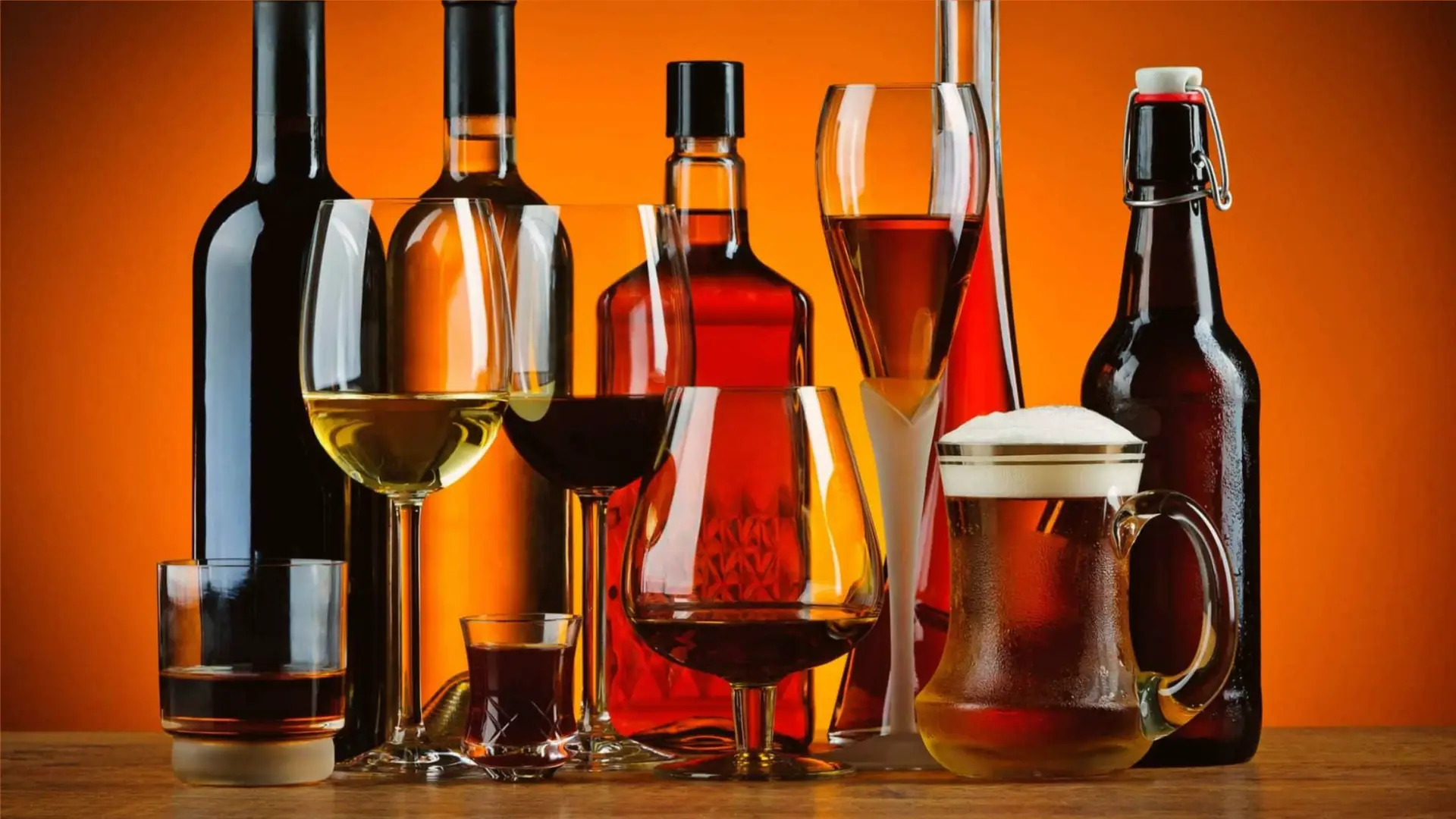
A decade ago, acquiring a premium bottle of whisky or tequila required physical presence. The process unfolded inside specialist retailers, where access depended on geography, relationships, and availability. That structure has shifted. The rise of alcohol e-commerce has transformed acquisition into a digital experience, using Digital Decanter, where selection, storytelling, and delivery operate within a single interface.
By the mid-2020s, this transformation had moved beyond convenience. It became a defining force across the global spirits industry. The premium segment, in particular, has accelerated this shift, in which the value of a bottle is increasingly shaped by how it is discovered and delivered as much as by how it is produced.
Alcohol e-commerce and the expansion of access
The scale of alcohol e-commerce reflects its structural impact. The global market is projected to reach $173.8 billion by 2031, with premium spirits driving a disproportionate share of that growth. This expansion aligns with the dominance of off-trade consumption, which reached approximately $126.41 billion in 2025.
Digital platforms have removed traditional limitations of retail. A consumer can access allocations from Ardbeg Distillery, limited releases from Kavalan Distillery, or small-batch tequila from Tequila Fortaleza without reliance on local distribution. Platforms such as ReserveBar and delivery networks integrated into Uber have converted access into immediacy. The shelf is no longer physical. It is global.
Premium spirits and the shift toward narrative value
Within alcohol e-commerce, premium spirits have gained a structural advantage because their value extends beyond liquid composition. Categories such as whisky and tequila are defined by origin, production, and identity, all of which translate effectively into digital storytelling.
The global whisky market, valued at approximately $82.57 billion, has adapted quickly to this environment. Distilleries such as The Macallan Distillery and Ardbeg Distillery are now positioned as digital-first discovery brands, where collectors track releases through online platforms rather than physical stores.
Tequila, growing at an estimated 8.37 percent CAGR, has undergone a similar repositioning. Producers such as Casa Dragones and Don Julio use digital channels to communicate production techniques, agave sourcing, and maturation practices directly to consumers. The transaction is no longer isolated. A narrative supports it.

Digital-native consumers and the restructuring of demand
The growth of alcohol e-commerce is closely tied to generational behavior. Millennials and Gen Z approach purchasing differently, prioritizing accessibility, transparency, and brand identity over traditional retail interaction.
For these consumers, digital platforms function as primary points of engagement. A product such as Clase Azul Reposado is encountered through visual storytelling, production context, and brand positioning before it is physically experienced.
This shift has redefined how premium spirits are marketed. The purchase decision is influenced by narrative depth, cultural positioning, and perceived authenticity. The experience begins before the bottle arrives.
Regional systems and the globalisation of premium access
The development of alcohol e-commerce reflects regional differences in infrastructure and consumer behavior. North America currently holds approximately 36.39 percent of the premium market, supported by evolving direct-to-consumer shipping frameworks and established logistics systems.
The Asia-Pacific region, however, represents the fastest expansion, with an estimated 8.38 percent CAGR. Markets such as China and India are driven by mobile-first purchasing environments, where discovery and transaction occur within integrated digital ecosystems.
Distilleries such as Amrut Distilleries and Kavalan Distillery benefit from this structure, reaching global consumers without reliance on traditional export channels. Access is no longer regional. It is networked.
Logistics and the new definition of luxury
In the context of alcohol e-commerce, logistics have become inseparable from product experience. The delivery process now forms part of the perceived value of a premium spirit.
Consumers purchasing high-value bottles expect controlled packaging, real-time tracking, and consistent delivery conditions. For companies such as Diageo and Pernod Ricard, logistics represent a direct extension of brand identity. A delayed shipment or damaged bottle disrupts the experience as much as an imbalance in the liquid itself. In this system, operational precision becomes a form of luxury.
Data, control, and the direct-to-consumer model
The expansion of direct-to-consumer channels within alcohol e-commerce has introduced a new layer of control for producers. By managing sales directly, companies gain access to detailed consumer data, including purchasing patterns, timing, and preferences.
This information informs production decisions, release strategies, and product development. It allows brands to align output with demand more precisely than traditional wholesale systems. The relationship between producer and consumer becomes continuous rather than transactional.
The rise of alcohol e-commerce has not replaced the culture of spirits. It has restructured how that culture is accessed. Premium is no longer defined solely by rarity or age. It is shaped by availability, narrative, and delivery.
The Digital Decanter reflects a system where discovery, purchase, and experience are integrated into a single flow. The bar, once tied to a physical space, now begins wherever that interaction occurs. In this environment, the value of a bottle is determined not only by how it is made, but by how it reaches the glass.
Distillery
Tequila Fortaleza is a proud embodiment of traditional tequila-making practices, set against the backdrop of the town of…
Distillery
Don Julio Tequila represents the epitome of luxury in the world of spirits, celebrated globally for its rich…
Distillery
The Macallan Distillery is a beacon of heritage and craftsmanship located in the heart of Speyside, in the…
Distillery
Nestled on the southern coast of the Isle of Islay, Ardbeg Distillery is celebrated for its unique productions…
Distillery
Amrut Distilleries, based in Bengaluru, India, stands as a beacon of innovation and craftsmanship in the spirits industry.…
Distillery
Casa Dragones Distillery, a renowned producer of small-batch tequila, is rooted in passion and dedication to crafting exceptional…
Distillery
Kavalan Distillery, renowned for its premium Taiwanese whisky, is situated in the picturesque Yilan County of Taiwan. Established…
Spirit
Clase Azul Reposado Tequila is a hallmark of luxury within the world of spirits, recognized for both its…
Distillery
Tequila Fortaleza is a proud embodiment of traditional tequila-making practices, set against the backdrop of the town of…
Distillery
Don Julio Tequila represents the epitome of luxury in the world of spirits, celebrated globally for its rich…
Distillery
The Macallan Distillery is a beacon of heritage and craftsmanship located in the heart of Speyside, in the…
Distillery
Nestled on the southern coast of the Isle of Islay, Ardbeg Distillery is celebrated for its unique productions…
Distillery
Amrut Distilleries, based in Bengaluru, India, stands as a beacon of innovation and craftsmanship in the spirits industry.…
Distillery
Casa Dragones Distillery, a renowned producer of small-batch tequila, is rooted in passion and dedication to crafting exceptional…
Distillery
Kavalan Distillery, renowned for its premium Taiwanese whisky, is situated in the picturesque Yilan County of Taiwan. Established…
Spirit
Clase Azul Reposado Tequila is a hallmark of luxury within the world of spirits, recognized for both its…
History
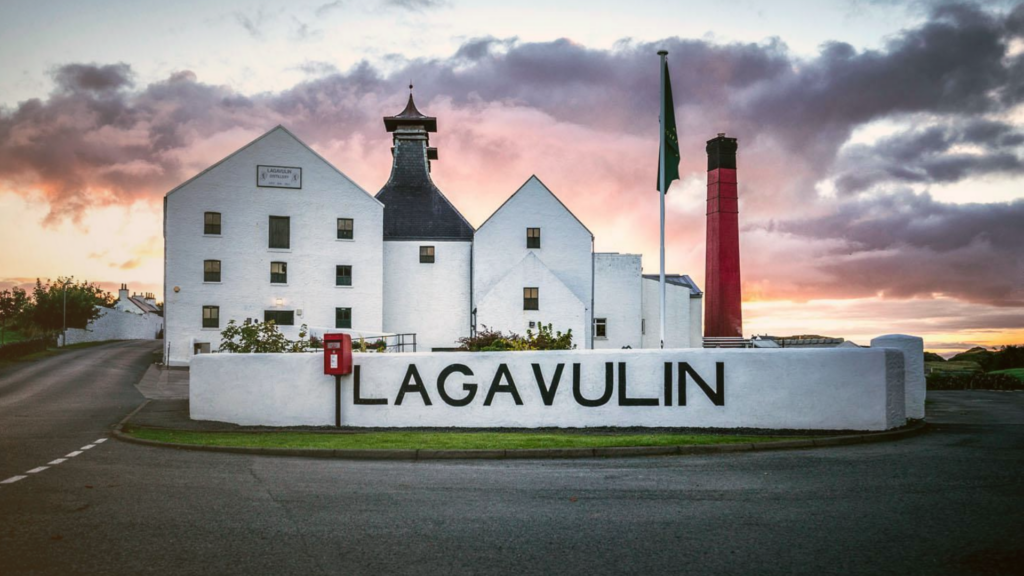
Lagavulin Distillery and the Discipline of Slow Distillation on Islay
On the southern coast of Islay, Lagavulin Distillery stands beside a sheltered bay between Laphroaig and Ardbeg. Its white buildings, dark kiln roofs, and long waterfront warehouses belong to one of Scotland’s most recognisable whisky landscapes. Still, the character associated with the distillery was not created by scenery alone. Peat is the most obvious part […]
June 28, 2026
Distilleries & Producers
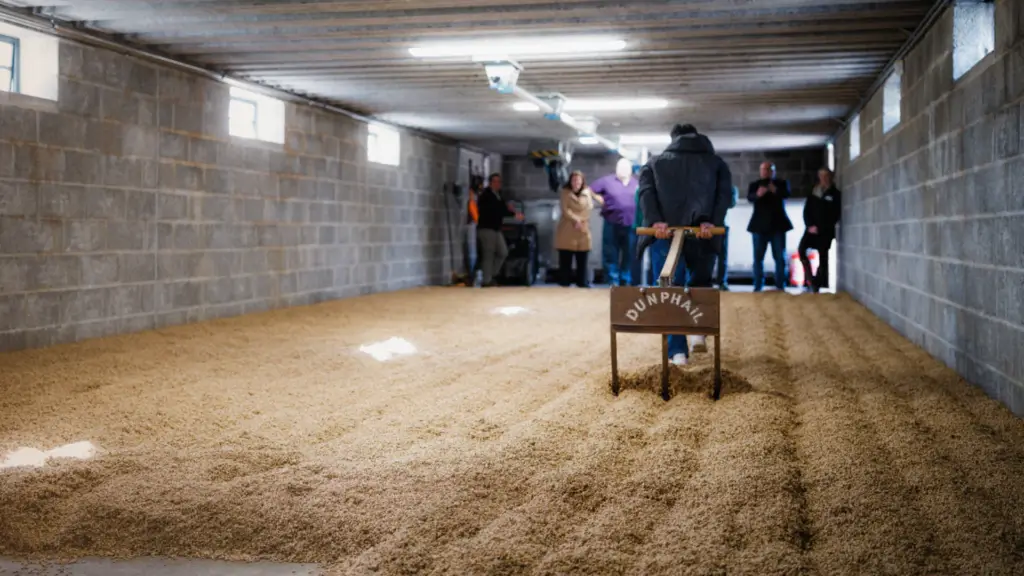
The Last Days of Floor Maltings: When Scotch Distilleries Made Their Own Malt
Floor Maltings History: Where Whisky Began Before stainless steel vessels, automated temperature control, and industrial malt plants, a Scotch whisky distillery often began its work on a stone or concrete floor. Barley was steeped in water, spread in a shallow layer, and turned repeatedly by hand as it germinated. The process demanded time, judgement, space, […]
June 18, 2026
Barlist
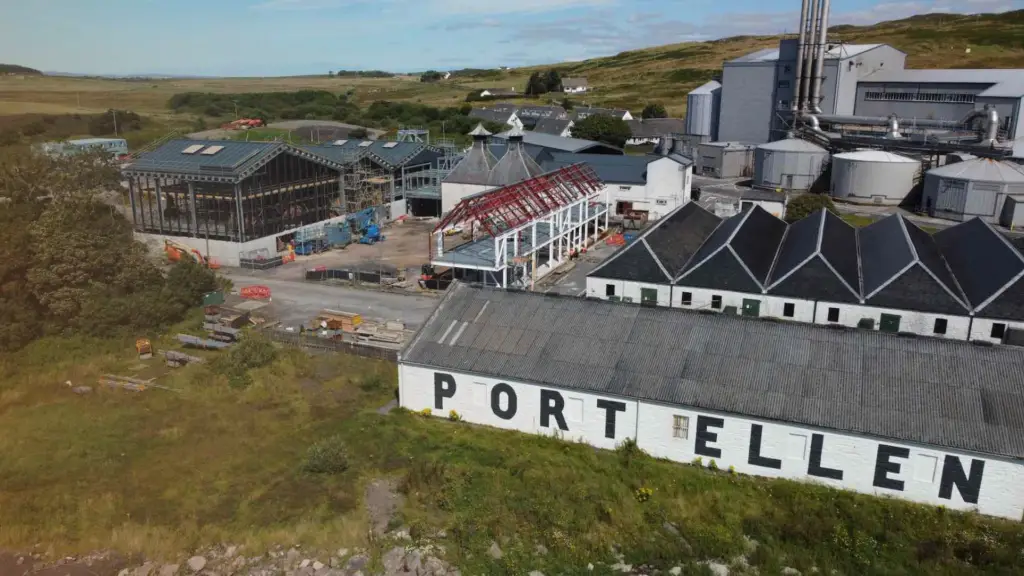
Port Ellen: From Closed Distillery to Whisky Legend
The southern coast of Islay has long been associated with peat smoke, maritime weather, and some of Scotland’s most influential whisky distilleries. Yet few names have acquired the near-mythical status of Port Ellen Distillery. For more than four decades, the distillery existed in an unusual state: closed, silent, and unable to produce a single drop […]
June 2, 2026