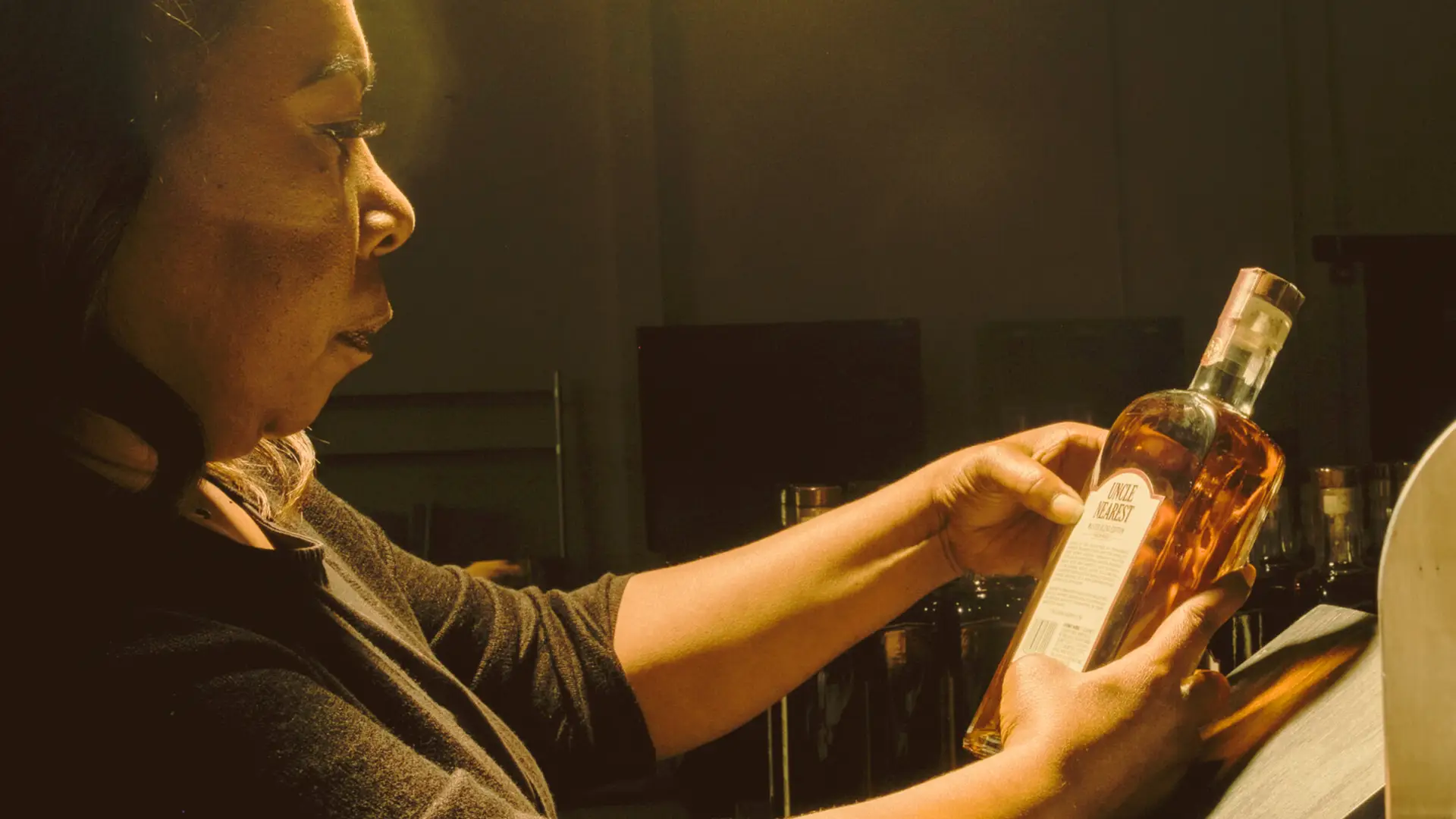
Whisky has long evolved gradually, shaped by production methods, ownership, and long-term decision-making. Over the past decade, a quieter structural shift has emerged as female founders in the whisky distillation and modern distillery model. Women now hold leadership roles in roughly 20 to 30 per cent of US craft distilleries, with growing influence in new global ventures. This shift extends beyond representation, introducing a stronger focus on sustainability, transparency, and direct consumer engagement, redefining how modern distilleries are built and positioned.
Across Scotland, Ireland, and emerging whisky regions, a growing number of distilleries have been founded or directed by women who are not entering existing frameworks but constructing new ones. This shift is less about representation and more about structure. Ownership, production philosophy, and brand identity are being redefined at the point where whisky begins.
Building distilleries rather than inheriting them
At Nc’nean Distillery, Annabel Thomas established a production model that places sustainability at the centre of the distillation process. Organic barley, renewable energy, and lightweight packaging are not secondary considerations. They are embedded in how the whisky is made and in how it is positioned.
Similarly, Waterford Distillery, while founded by Mark Reynier, operates with significant influence from female leadership across production and agricultural integration. The distillery’s focus on terroir, using single-farm barley, reflects a broader shift toward traceability and raw material identity.
In England, Cotswolds Distillery and other newer producers have incorporated diverse leadership structures that influence how whisky is presented and understood. These distilleries are not bound by inherited house styles. They are defining their own. The distinction matters. Founding a distillery allows control over the entire system, from fermentation to branding.
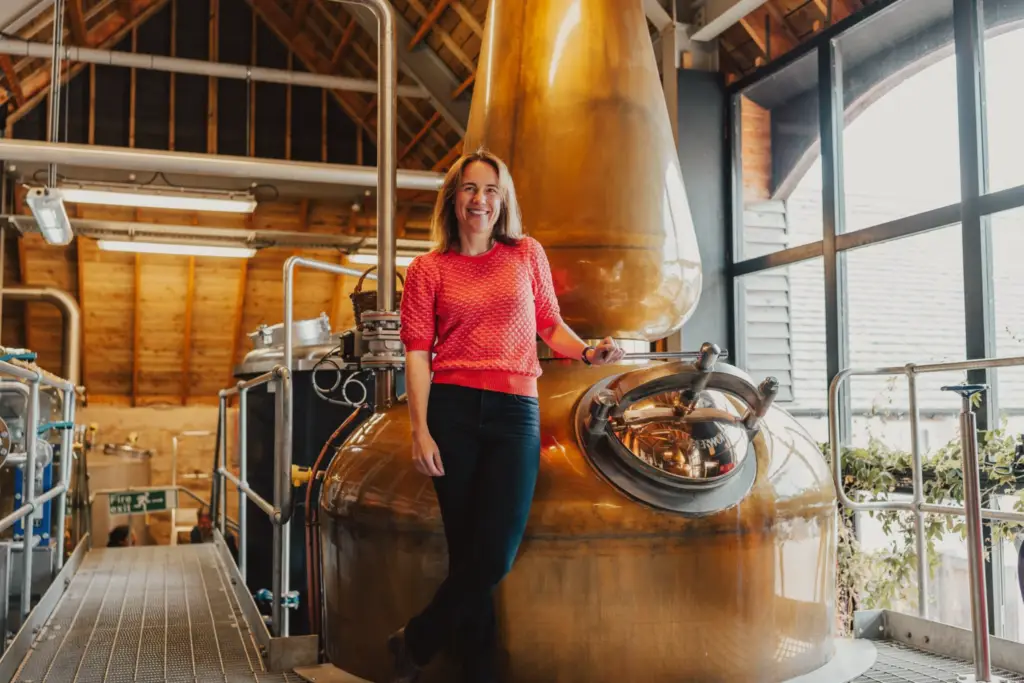
From production to positioning
The influence of female founders extends beyond distillation into how whisky is positioned within the market.
At Arbikie Distillery, Kirsty Black works within a farm-to-bottle model that integrates raw material sourcing with production. This approach alters how whisky is communicated to consumers, shifting emphasis from age statements toward provenance.
Meanwhile, figures such as Rachel Barrie, working across distilleries including GlenDronach Distillery and BenRiach Distillery, demonstrate how leadership within established systems can influence style without altering structural foundations. The change is not limited to new entrants. It extends into how existing distilleries evolve.
Identity, storytelling, and control of narrative
Whisky has long relied on heritage as its primary narrative. Age, location, and lineage defined value. What is emerging now is a broader approach to storytelling, where identity is shaped by production choices, environmental considerations, and founder intent.
At Nc’nean, sustainability is not presented as an addition. It defines the brand. At Arbikie, the connection to land becomes central. These narratives are constructed at the point of origin rather than applied afterwards. This shift changes how whisky is understood. The story is no longer limited to maturation. It begins with the decisions made before distillation.
Expanding geography and redefining the category
The rise of female founders coincides with the expansion of whisky production beyond its traditional centres. Distilleries in regions such as England, Ireland, and beyond are contributing to a more diverse global landscape.
Producers like Kavalan Distillery and Amrut Distilleries demonstrate how climate and local conditions can shape whisky differently. While not defined by gender, these distilleries operate within the same broader movement of redefining what whisky can be. The category is no longer geographically fixed. It is structurally open.
Beyond representation
Framing this shift solely as increased representation risks missing its significance. The presence of female founders is not only about who is visible within the industry. It is about how decisions are made and what priorities shape production.
Sustainability, transparency, and raw material sourcing are becoming central themes, not because they are trends, but because they are being built into distillery models from the outset. The result is a category that is evolving from within.
The influence of female founders in whisky is not defined by a single narrative. It is visible in the systems they build, the priorities they establish, and the identities they create.
By founding distilleries, directing production, and shaping brand positioning, these figures are contributing to a broader transformation of whisky. One that moves beyond tradition without abandoning it.
The change is gradual, but it is structural. And it is already reshaping how whisky is made and understood.

Distillery
Nc'nean Distillery is a pioneering, independent Scottish distillery located in Drimnin on the Morvern peninsula, near the scenic…
Distillery
Amrut Distilleries, based in Bengaluru, India, stands as a beacon of innovation and craftsmanship in the spirits industry.…
Distillery
Arbikie Highland Estate Distillery
Arbikie Highland Estate Distillery represents a pioneering endeavor in the spirits industry, being the first single-site, field to…
Distillery
Located in the heart of Speyside, Scotland, the BenRiach Distillery is celebrated for its exceptional single malt Scotch…
Distillery
Nestled in the picturesque Cotswolds Area of Outstanding Natural Beauty, the Cotswolds Distillery is a beacon of craft…
Distillery
Nestled in the picturesque Valley of Forgue in the Scottish Highlands, The Glendronach Distillery has been a bastion…
Distillery
Kavalan Distillery, renowned for its premium Taiwanese whisky, is situated in the picturesque Yilan County of Taiwan. Established…
Distillery
Nc'nean Distillery is a pioneering, independent Scottish distillery located in Drimnin on the Morvern peninsula, near the scenic…
Distillery
Amrut Distilleries, based in Bengaluru, India, stands as a beacon of innovation and craftsmanship in the spirits industry.…
Distillery
Arbikie Highland Estate Distillery
Arbikie Highland Estate Distillery represents a pioneering endeavor in the spirits industry, being the first single-site, field to…
Distillery
Located in the heart of Speyside, Scotland, the BenRiach Distillery is celebrated for its exceptional single malt Scotch…
Distillery
Nestled in the picturesque Cotswolds Area of Outstanding Natural Beauty, the Cotswolds Distillery is a beacon of craft…
Distillery
Nestled in the picturesque Valley of Forgue in the Scottish Highlands, The Glendronach Distillery has been a bastion…
Distillery
Kavalan Distillery, renowned for its premium Taiwanese whisky, is situated in the picturesque Yilan County of Taiwan. Established…
Features & Updates
Award Winners 2026 and What They Reveal About Spirits
Early 2026 did not produce one dominant style Award Winners 2026: Awards rarely define a category on their own, but they often reveal how it is being judged. In the first months of 2026, results across major competitions showed a consistent pattern. The leading distilleries and spirits were not unified by a single flavour profile […]
May 26, 2026
Trends and Innovations
The Digital Decanter: How Alcohol E-Commerce Redefined Premium Spirits
A decade ago, acquiring a premium bottle of whisky or tequila required physical presence. The process unfolded inside specialist retailers, where access depended on geography, relationships, and availability. That structure has shifted. The rise of alcohol e-commerce has transformed acquisition into a digital experience, using Digital Decanter, where selection, storytelling, and delivery operate within a […]
May 21, 2026
Distilleries
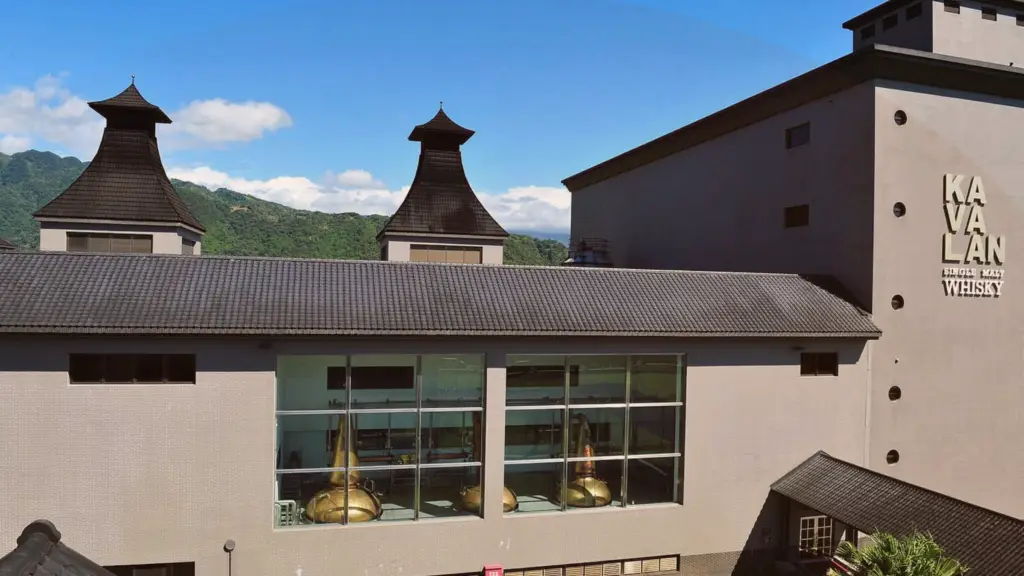
Kavalan Distillery: How Rapid Maturation and Cask Policy Led to Awards In 2026
Heat settles early in Yilan. By mid-morning, the warehouses at Kavalan Distillery have already begun their daily cycle, expanding casks, pushing spirit into oak, and accelerating reactions that, in Scotland, would unfold over years. Here, maturation is not a slow negotiation. It is constant pressure. When the distillery was established in 2005 by the King […]
April 16, 2026