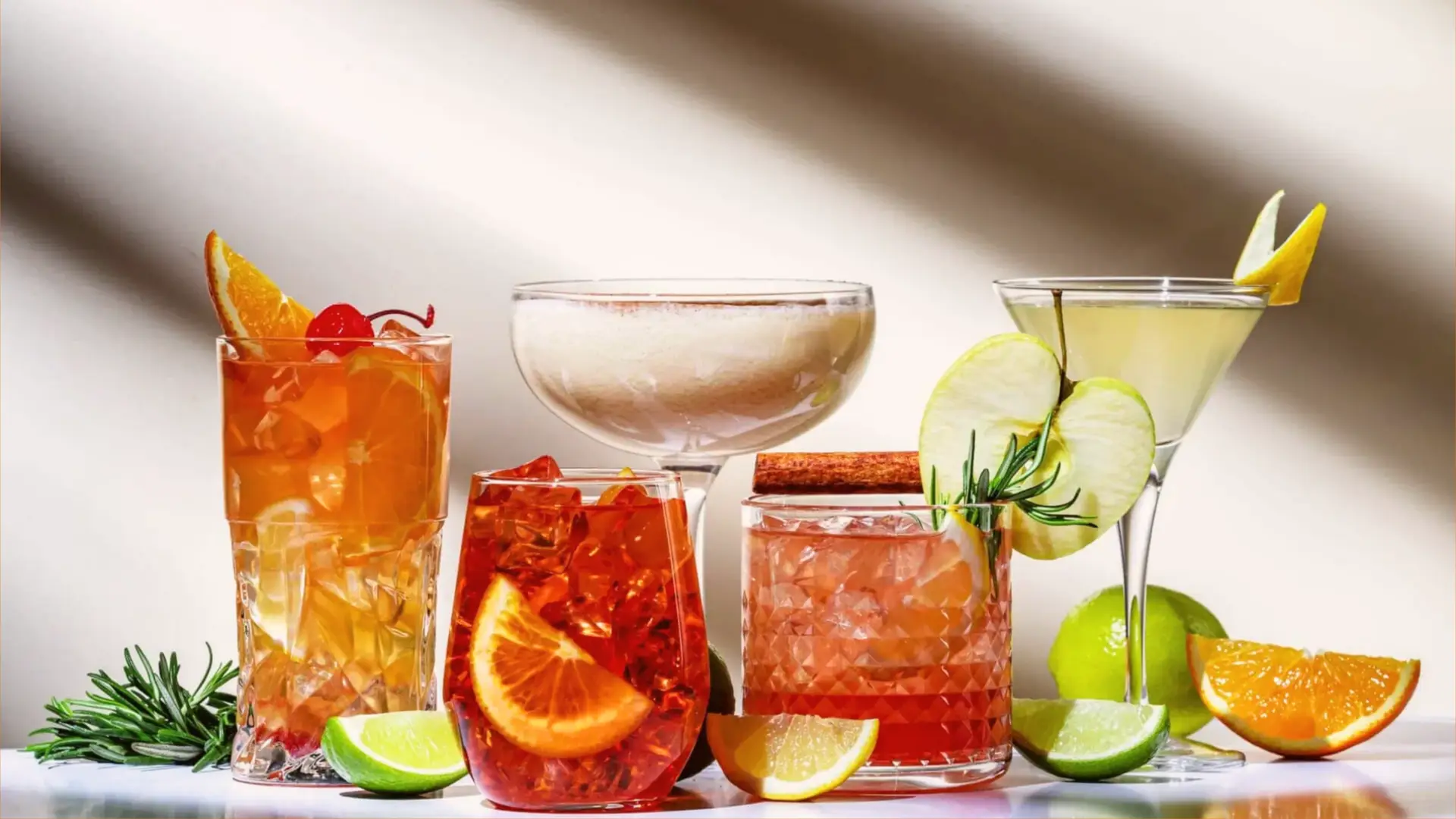
The most visible cocktail trends in 2026 are no longer defined by spectacle. A drink once arrived with smoke, garnish, or glassware designed to hold attention before flavour. That approach has not disappeared, but it no longer drives the conversation.
In 2026, the changes are quieter. They appear in how drinks are structured, how they are served, and how much of the process happens before the guest sees the glass. Within these cocktail trends in 2026, the shift is not toward simplicity in the literal sense, but toward control. The following drinks, drawn from current bar programs, illustrate how that shift is unfolding.
Olive Oil Sour and the return of subtle modification
The Olive Oil Sour does not announce itself as a departure from tradition. It begins with a familiar framework, spirit, citrus, and balance, but introduces fat as a textural element rather than a flavour statement. Using olive oil, often through emulsification or fat-washing, changes how the drink sits on the palate. The citrus softens, the texture rounds out, and the structure becomes less sharp without losing clarity.
This approach reflects a broader movement. Instead of rebuilding cocktails entirely, bars are adjusting one component at a time. The trend is not reinvention, but controlled deviation from the familiar.
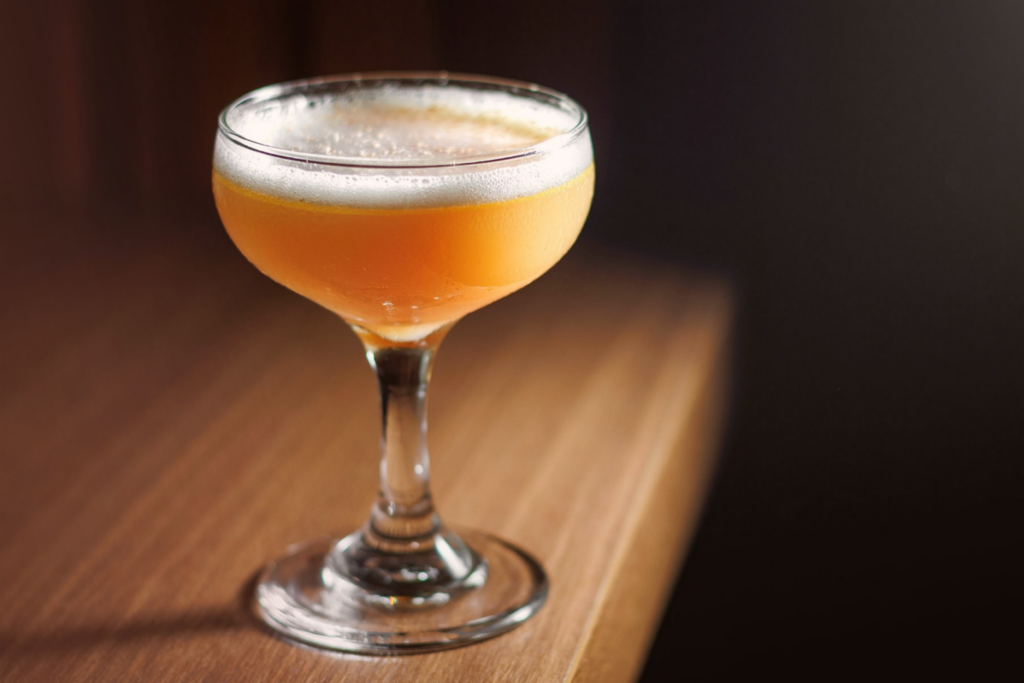
Rabo de Galo and the return of regional identity
The Rabo de Galo, rooted in Brazilian bar culture, has reappeared in modern programs not as a novelty, but as a reference point. Built traditionally with cachaça and vermouth, it carries a structure that is both simple and adaptable.
What matters in 2026 is not the drink itself, but how it is used. Bars are drawing from regional classics and reinterpreting them without removing their identity. Variations may adjust sweetness, bitterness, or aromatics, but the core remains recognisable.
This marks a shift away from global uniformity. Cocktails are becoming more local again, even when served internationally.
Quixote and the control of temperature without dilution
The Quixote, often presented in a highball format, reflects one of the more technical changes currently taking place behind the bar. Its defining feature is not its ingredients, but how it is chilled.
Rather than relying entirely on ice, bars are experimenting with alternative methods such as pre-chilling, frozen components, or insulated service. The goal is to maintain temperature while reducing the impact of dilution.
This changes both flavour and consistency. The drink holds its structure longer, allowing it to be experienced as intended from first sip to last. Temperature is no longer managed passively. It is engineered.
Bergamot and Wood Gimlet and the quiet evolution of classics
The Gimlet has always been a study in balance, spirit, citrus, and sugar in a tightly controlled ratio. The Bergamot and Wood Gimlet extends that idea without disrupting it. Bergamot introduces a different citrus profile, more aromatic and less direct than lime. Wood elements, often introduced through subtle aging or infusion, add depth without overwhelming the structure.
What defines this approach is restraint. The drink remains recognisable, but its edges are reshaped. Classics are no longer preserved. They are adjusted with precision.
Mini Martini and the change in scale
The Mini Martini reflects a shift that is as practical as it is stylistic. Smaller serves allow for multiple drinks within a single visit, changing how menus are experienced.
This is not simply about portion size. It alters pacing, choice, and interaction. A guest can move between styles without committing to a full-sized drink, and bars can design menus that encourage progression rather than repetition. The Martini, already defined by precision, becomes even more focused at a smaller scale. Size has become part of how a cocktail is designed, not just how it is served.
Cocktail trends in 2026
These five drinks do not represent trends in isolation. They reflect a consistent shift in how cocktails are being approached. Across different formats and styles, the direction is clear. Drinks are becoming more controlled, more intentional, and more closely tied to their structure rather than their presentation.
The Olive Oil Sour adjusts texture without altering form. The Rabo de Galo reintroduces regional identity. The Quixote rethinks temperature. The Gimlet evolves without breaking. The Mini Martini changes scale.
What connects them is not style, but the level at which decisions are made. In 2026, those decisions are happening earlier, before the drink is poured, and often out of view.
Cocktail
The Martini is perhaps the most iconic cocktail in the world, a symbol of elegance, sophistication, and modernity.…
Bars and Cocktails
Hospitality and Cocktail Culture: The Foundation of Bartending
A well-made cocktail may earn attention, but hospitality determines the meaning of the exchange. It begins before an order is taken, in the way a guest is acknowledged, understood and given a place within the room. Bartending becomes hospitality when technical skill is directed towards another person rather than displayed for its own sake. Service […]
September 29, 2026
Partnership
Illegal Cocktail: The Mezcal Cocktail That Reframes the Daiquiri Structure
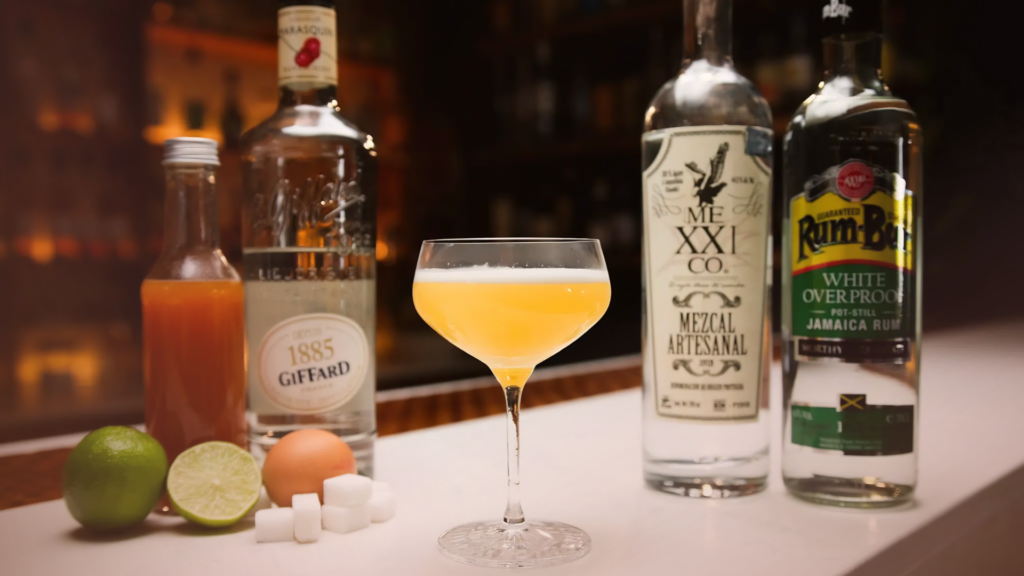
The Illegal cocktail follows a familiar outline, but the result is distinctly different. Built around mezcal, lime, falernum, maraschino, simple syrup, and a measure of Jamaican overproof rum, it takes the logic of a sour and shifts it into a drier, more aromatic profile. The drink is credited to Italian bartender Samuele Ambrosi, with its […]
September 24, 2026
Partnership
IBA Tiki: Codifying Tropical Structure Within Modern Cocktail Standards
Tiki has never been a single drink, but in this case the name points to one specific modern cocktail. The IBA Tiki is not a broad label for tropical classics such as the Mai Tai or the Zombie. It is a defined drink connected to the International Bartenders Association, Cuban bartending culture, and a recent […]
September 17, 2026