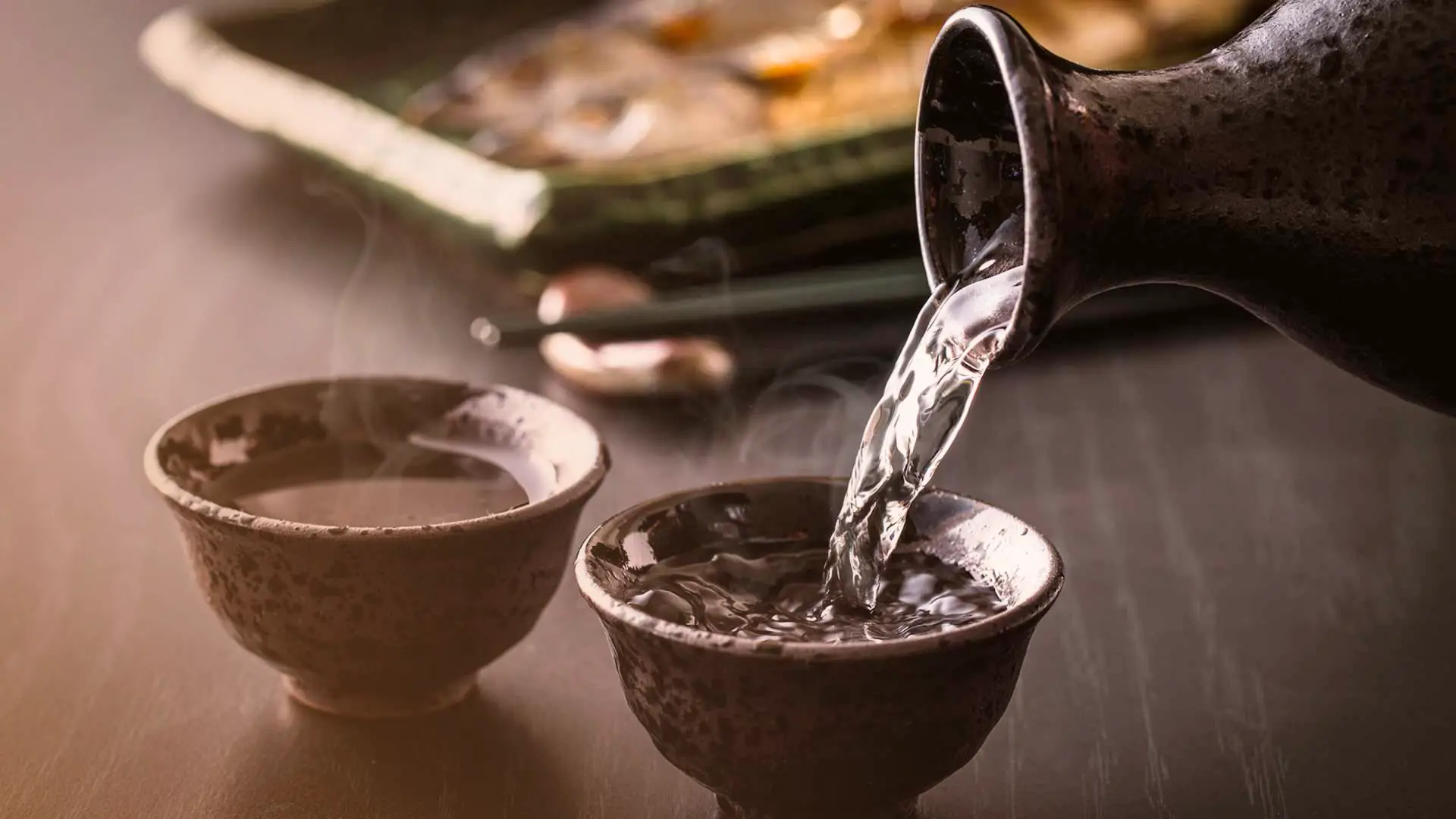
Steam rises inside a kura before dawn, long before fermentation begins. Rice is washed, soaked, and steamed with precision that leaves little margin for error. At this stage, nothing resembles alcohol. Yet every decision made here determines how that alcohol will form.
Sake (not the Japanese Sake) does not begin with fermentation alone. It begins with preparation. Unlike whisky at The Glenlivet Distillery or rum at Hampden Estate, where starch conversion and alcohol formation are separated or simplified, sake integrates both into a single system. What emerges is not a product of one process, but of overlapping ones.
From imperial control to commercial brewing
The earliest structured sake production can be traced to the Nara period (710–794), when brewing was overseen by the imperial court. Production was limited, ritualized, and closely controlled.
By the Muromachi period, temple breweries had introduced more stable fermentation practices, including improved starter cultures and better management of rice preparation. However, it was during the Edo period that sake became a commercial product.
Regions such as Nada and Fushimi emerged as production centers. Breweries developed scalable systems supported by transport networks and urban demand. Houses such as Gekkeikan established continuity of production that extended beyond seasonal brewing. The modern system took shape here, where repetition replaced ritual.
Rice polishing and the removal of excess structure
Unlike grape or grain fermentation in other alcohol categories, sake begins with subtraction. Rice grains are polished to remove outer layers containing proteins, fats, and minerals that can interfere with fermentation.
The remaining starch core determines classification. In Junmai Daiginjo, polishing ratios often reach 50 percent or lower, meaning more than half of the grain has been removed before brewing begins.
Producers such as Dassai Brewery have built their identity around extreme polishing, with expressions like Dassai 23 reaching a polishing ratio of 23 percent remaining. This level of refinement allows fermentation to produce cleaner, more precise aromatics. The process is reductive, but the outcome is not. What is removed defines what can be expressed.
Koji and enzymatic control
Rice does not ferment on its own. Its starch must first be converted into sugar, a process carried out by koji, a mold known as Aspergillus oryzae. Cultivated under controlled temperature and humidity, koji produces enzymes that break down starch into fermentable sugars.
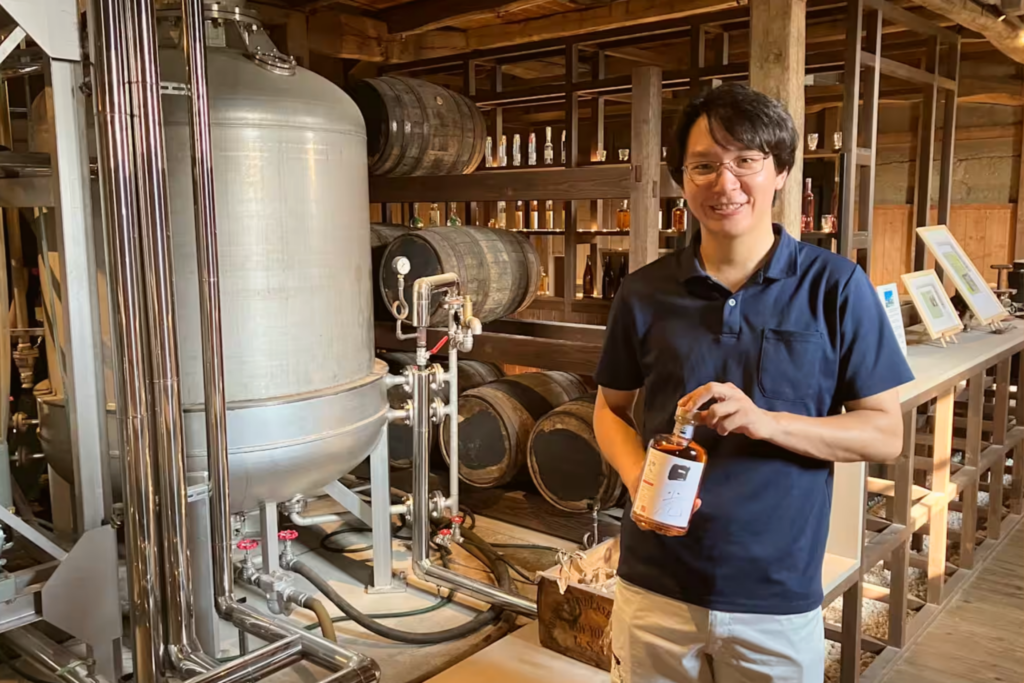
This stage is highly sensitive. Too little enzyme activity limits fermentation. Too much introduces imbalance. Koji development is therefore managed with precision, often in dedicated rooms where temperature shifts are measured in degrees. The result is not immediate fermentation, but the creation of a system capable of sustaining it.
Multiple parallel fermentations and alcohol yield
Sake’s defining characteristic lies in multiple parallel fermentations, where starch conversion and alcohol production occur simultaneously within the same vessel.
While koji continues to release sugars, yeast converts those sugars into alcohol in real time. This overlap allows sake to reach alcohol levels of 18 to 20 percent before dilution, higher than most fermented beverages. Breweries such as Hakutsuru maintain this process across large-scale production, ensuring consistency without separating stages.
Sake does not begin with fermentation alone. It begins with preparation. Unlike whisky at The Glenlivet Distillery or rum at Hampden Estate, where starch conversion and alcohol formation are separated or simplified, sake integrates both into a single system. Fermentation is continuous rather than sequential. It does not pause between conversion and alcohol formation.
Water, yeast, and regional structure
Water composition introduces variation within an otherwise controlled system. In Nada, mineral-rich Miyamizu water supports strong fermentation, producing structured and dry sake styles. In Fushimi, softer water results in a gentler, more rounded profile.
Yeast strains further refine this variation. Selected strains developed by the Brewing Society of Japan allow producers to influence ester formation, shaping aromas that range from melon and apple to more restrained, neutral profiles. These variables do not disrupt the system. They operate within it.
Pressing, filtration, and final adjustment
Once fermentation reaches its endpoint, the mash is pressed to separate liquid from solids. The resulting sake may undergo filtration, pasteurization, and dilution before bottling.
Final alcohol content is typically adjusted to 15 to 16 percent, though undiluted forms, known as Genshu, retain higher strength. Decisions made at this stage affect stability and clarity rather than core structure. Unlike spirits, where distillation defines the final product, sake continues to be shaped after fermentation through controlled adjustment.
Contemporary production and global movement
Modern breweries operate with a combination of traditional methods and technical precision. Dassai Brewery has expanded sake’s global presence through consistent high-polish production, while long-established producers such as Gekkeikan continue to balance scale with continuity.
Despite international growth, sake production remains geographically anchored. Rice varieties, water sources, and brewing conditions are not easily replicated outside Japan. The system travels. The conditions do not.
Sake is often grouped with beer or wine, yet its structure diverges from both. It is defined by a brewing system where conversion and fermentation occur simultaneously, creating a continuous process rather than a staged one. Every element, from rice polishing to koji development, operates within a tightly controlled framework. What appears delicate is in fact highly regulated. The identity of sake does not emerge from a single stage. It is built through the interaction of all stages at once.

Distillery
Gekkeikan Sake Company is revered as one of the oldest and most prominent sake breweries in Japan, situated…
Distillery
The Glenlivet Distillery is an iconic Scottish whisky producer situated in the picturesque region of Speyside, near Ballindalloch…
Spirit
Hakutsuru Junmai Daiginjo Yamadaho
Hakutsuru Junmai Daiginjo Yamadaho is a highly regarded sake that exemplifies the peak of craftsmanship in Japanese brewing.…
Spirit
Azumatsuru Yamadanishiki Junmai Daiginjo Sake
Azumatsuru Yamadanishiki Junmai Daiginjo Sake is a premium sake that highlights the exquisite craftsmanship of the brewing process.…
Distillery
Gekkeikan Sake Company is revered as one of the oldest and most prominent sake breweries in Japan, situated…
Distillery
The Glenlivet Distillery is an iconic Scottish whisky producer situated in the picturesque region of Speyside, near Ballindalloch…
Spirit
Hakutsuru Junmai Daiginjo Yamadaho
Hakutsuru Junmai Daiginjo Yamadaho is a highly regarded sake that exemplifies the peak of craftsmanship in Japanese brewing.…
Spirit
Azumatsuru Yamadanishiki Junmai Daiginjo Sake
Azumatsuru Yamadanishiki Junmai Daiginjo Sake is a premium sake that highlights the exquisite craftsmanship of the brewing process.…
Distilleries & Producers
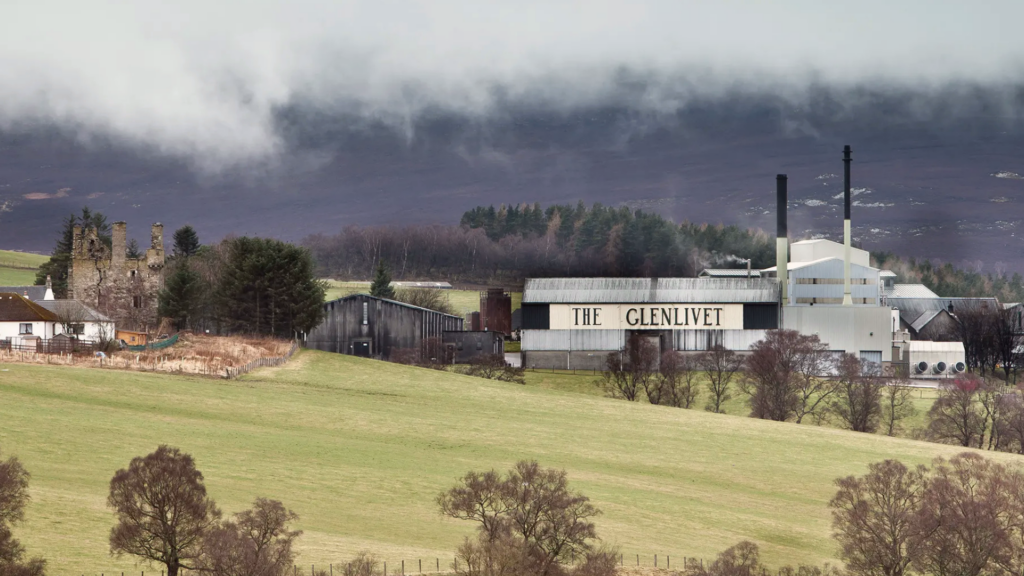
George Smith and The Glenlivet: The License That Changed Scotch Whisky
In the early 1800s, the Livet valley already had a reputation for whisky before it had legal certainty. Small Highland stills operated through geography, local protection, taxation pressure, and rural necessity. Whisky from the Glenlivet area was known beyond the valley, but much of the system that produced it remained outside formal law. The turning […]
June 6, 2026
Distilleries
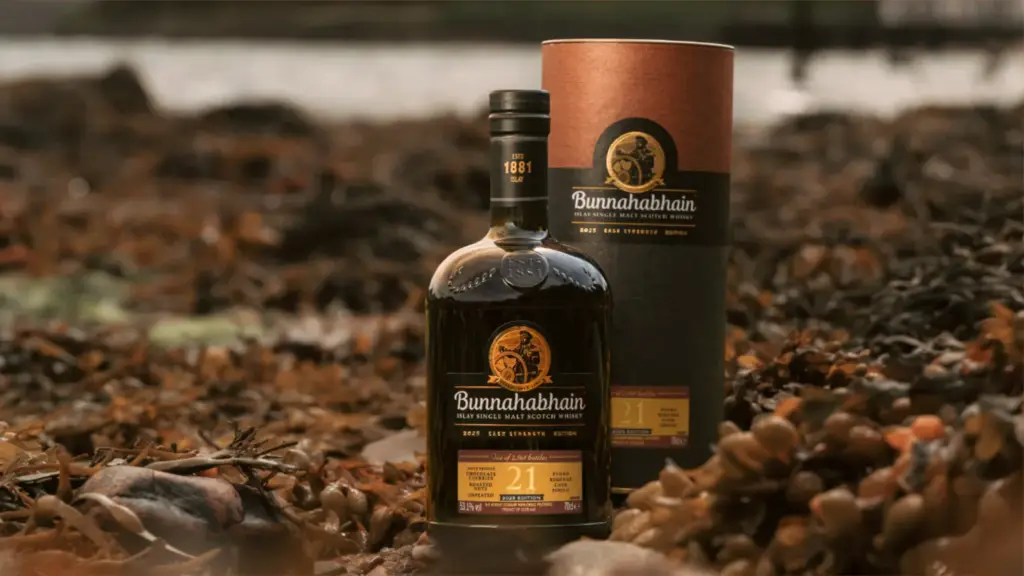
Bunnahabhain: How One Distillery Broke Islay’s Peat Identity
A distillery at the edge of Islay’s map On the northeastern coast of Islay, facing the Sound of Islay toward the Isle of Jura, the landscape shifts. The Atlantic influence is still present, but it arrives differently. The coastline is less exposed than the southern shore where peat smoke dominates the identity of distilleries such […]
April 24, 2026
Barlist
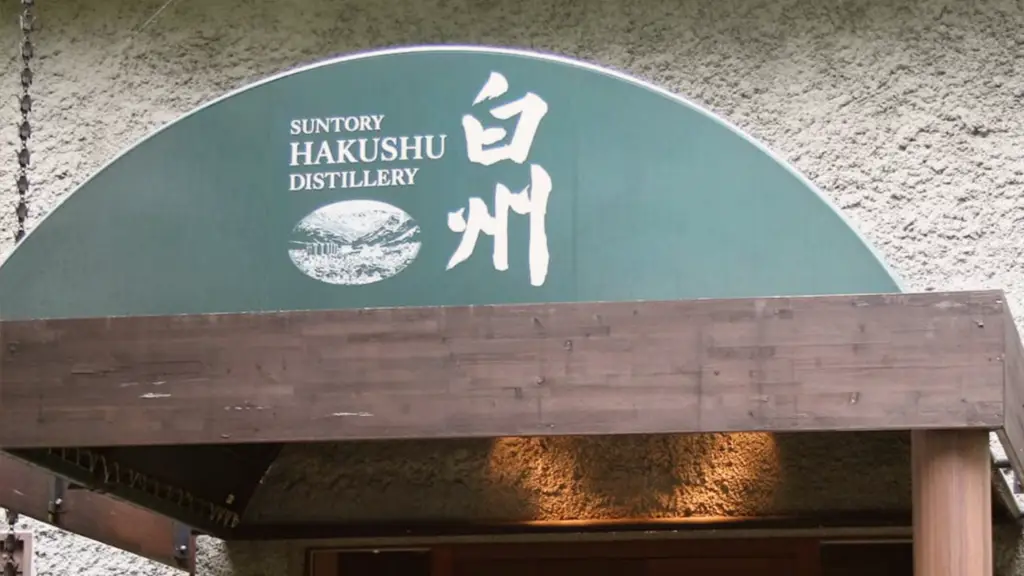
Hakushu Distillery: The Decision to Distil Inside a Forest Rather Than a City
The Southern Japanese Alps do not suggest whisky at first glance. The air is thinner, filtered through dense forest, and the terrain isolates rather than connects. Yet in 1973, Hakushu Distillery was established here under the direction of Keizo Saji, marking a decisive departure from the logic that had shaped earlier whisky production in Japan. […]
April 23, 2026