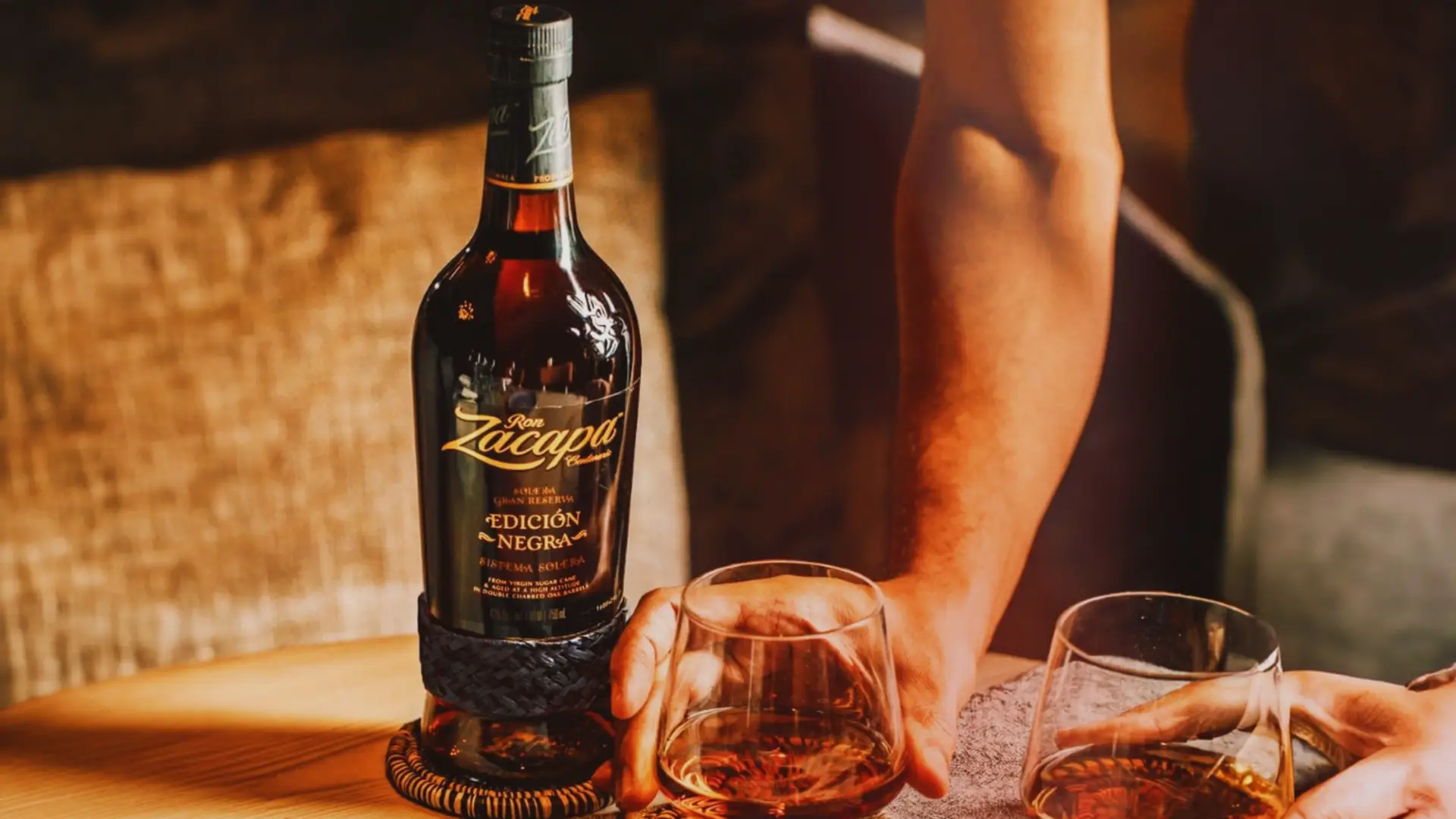
Ron Zacapa is not simply a rum produced by a distillery. It is the outcome of a carefully engineered system built across decades, shaped by industrial consolidation, agricultural design, and a deliberate approach to blending that redefined how premium rum could be understood.
At the center of this system stands Industrias Licoreras de Guatemala, a company whose origins trace back to early 20th-century spirits production in Guatemala. Over time, fragmented production sites were gradually unified into a centralized industrial structure capable of controlling fermentation, distillation, aging, and export at scale. By the time operations expanded significantly into Mixco in 1968, the foundation for a globally competitive spirits producer had already been established.
Origins, Raw Material Identity, and High-Altitude Aging System
Zacapa was introduced in 1976, not as a commercial product in the traditional sense, but as a centenary creation marking 100 years of the city of Zacapa in eastern Guatemala. The name itself carries geographic meaning rooted in Nahuatl, often interpreted as on the river of grass. From the beginning, the spirit was positioned less as a product and more as a representation of place, identity, and craftsmanship, rendered in liquid form.
Unlike traditional Caribbean rums built primarily on molasses-driven intensity, Zacapa was designed around a different raw material logic. It uses virgin sugarcane honey, a concentrated first-press sugarcane juice known for producing a cleaner fermentation base. This decision alone shifted the structural identity of the rum, aligning it with refinement rather than raw heaviness. The sugarcane itself is sourced from Guatemala’s coastal regions, such as Retalhuleu and Suchitepéquez, where volcanic soil and tropical climate conditions shape agricultural output.
What further distinguishes Zacapa is its aging location. The rum is matured in Quetzaltenango at approximately 2,300 meters above sea level in a facility often called the “House Above the Clouds.” At this altitude, cooler temperatures and reduced oxygen pressure slow interaction between spirit and wood, creating a maturation process defined by control rather than intensity.
Origins of Ron Zacapa
Ron Zacapa was created in 1976 to mark the 100th anniversary of the city of Zacapa. It was not designed as a standard commercial rum but as a symbolic expression of national identity. From its inception, the focus was refinement rather than raw strength, positioning it differently from traditional Caribbean production styles.
Industrias Licoreras de Guatemala and Industrial Foundations
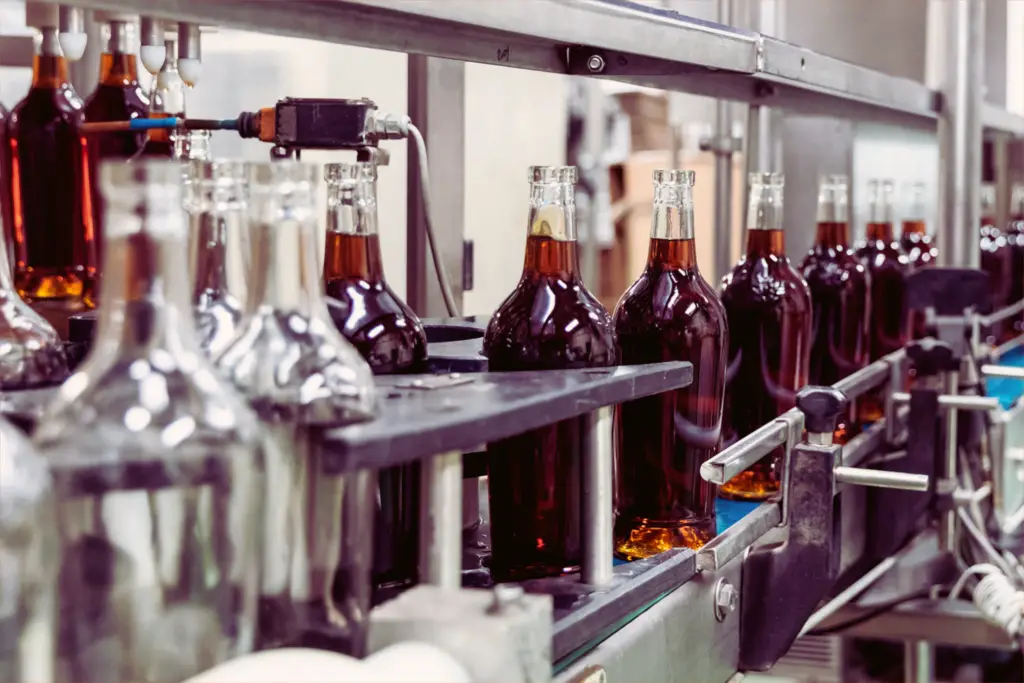
The development of Zacapa is inseparable from the evolution of Industrias Licoreras de Guatemala. Over the decades, multiple production sites were unified into a structured industrial system capable of managing fermentation, distillation, and large-scale aging. Expansion into Mixco in 1968 marked a critical step in building the infrastructure required for international distribution and consistency.
Sugarcane Honey and Raw Material Identity
Unlike most rum producers that rely on molasses, Zacapa uses virgin sugarcane honey, a first-press concentration of sugarcane juice. This creates a cleaner fermentation profile and a softer base spirit. The agricultural sourcing from Guatemala’s coastal regions connects the product directly to local farming ecosystems, making raw material selection a defining structural element of its identity.
Altitude Aging in Quetzaltenango
The aging process takes place in Quetzaltenango at high altitude in a controlled environment known as the House Above the Clouds. At around 2,300 meters above sea level, maturation behaves differently from tropical sea-level aging. Lower temperatures slow extraction from the wood, while reduced oxygen exposure moderates oxidation, resulting in a more controlled development of flavor over time.
The Solera System and Blending Structure
Zacapa is built using a solera-inspired fractional blending system derived from Spanish fortified wine traditions. Instead of relying on a single vintage, the system continuously integrates rums of different ages across multiple cask types, including American whiskey barrels, sherry casks, and Pedro Ximénez wine casks. This creates a continuous blending cycle where older and younger rums are permanently interconnected, ensuring consistency while allowing internal evolution.
Master Blender Continuity
Since 1984, the blending identity of Zacapa has been shaped by master blender Lorena Vásquez. Her role is not limited to tasting or selection but extends to maintaining long-term structural consistency across the solera system. Through continuous calibration of blending logic and barrel integration, she ensures that Zacapa’s sensory identity remains stable across decades of production.
Global Expansion and Brand Positioning
Zacapa’s international growth accelerated through its partnership with Diageo, enabling global distribution and premium positioning across major markets. This transition established Zacapa not simply as a rum, but as a luxury spirit aligned with whisky and cognac categories in global fine drinking culture.
A System Built as a Spirit
Ron Zacapa represents a rare case in the spirits world where identity is not built around a single distillery or technique but across a full system of production, geography, and cultural integration. From agricultural sourcing to high-altitude aging and fractional blending architecture, every layer is designed to function as part of a unified structure.
Its legacy is not only defined by what is bottled, but by the system that continuously produces and maintains it as a global benchmark in premium rum.
Distillery
Diageo Italia S.p.A., a subsidiary of the globally renowned Diageo PLC, stands as a leader in the production,…
Distillery
Industrias Licoreras de Guatemala
Industrias Licoreras de Guatemala, often recognized for its acclaimed rums, stands as a testament to craftsmanship and tradition…
Spirit
Ron Zacapa 30 Aniversario is a prestigious Guatemalan rum produced at Destiladora de Alcoholes y Rones SA. Launched…
Spirit
Ron Zacapa Centenario 23 YO Doma Rum
Ron Zacapa Centenario 23 La Doma Rum is a premium rum that embodies the craftsmanship and rich heritage…
Spirit
Ron Zacapa Centenario 23 YO El Alma Heavenly Cask Collection Guatemalan Rum
Ron Zacapa Heavenly 23 YO Cask Collection El Alma is a spirit that exemplifies the pinnacle of rum…
Partnership

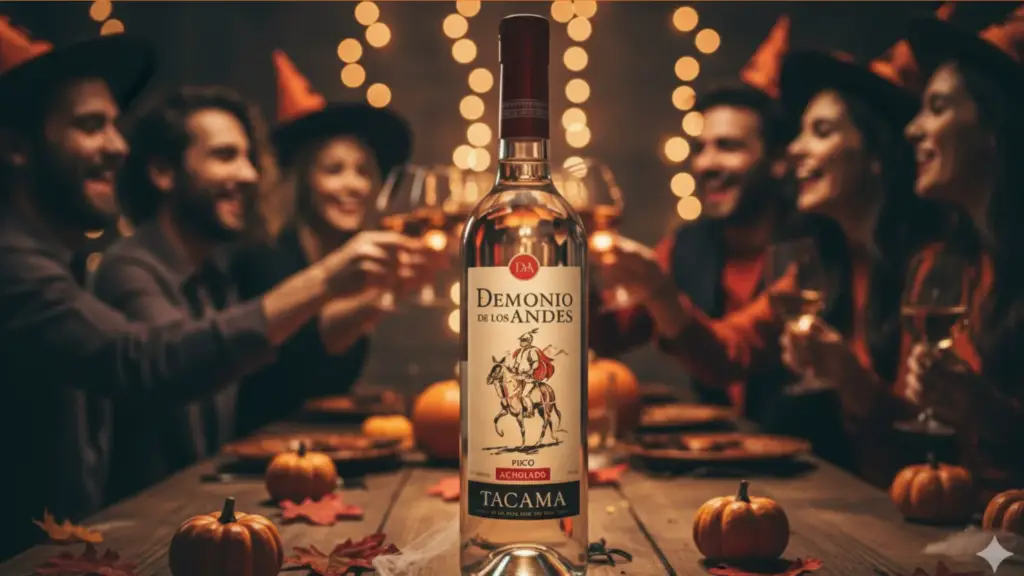
Pisco: A Spirit Claimed by Two Nations
Pisco is one of the few spirits whose identity is divided by national borders rather than defined by them. Both Peru and Chile claim pisco as a national spirit, each supported by legal frameworks, historical narratives, and active production. This dual claim is not a modern branding dispute. It is the outcome of colonial administration, […]
October 7, 2026
Partnership
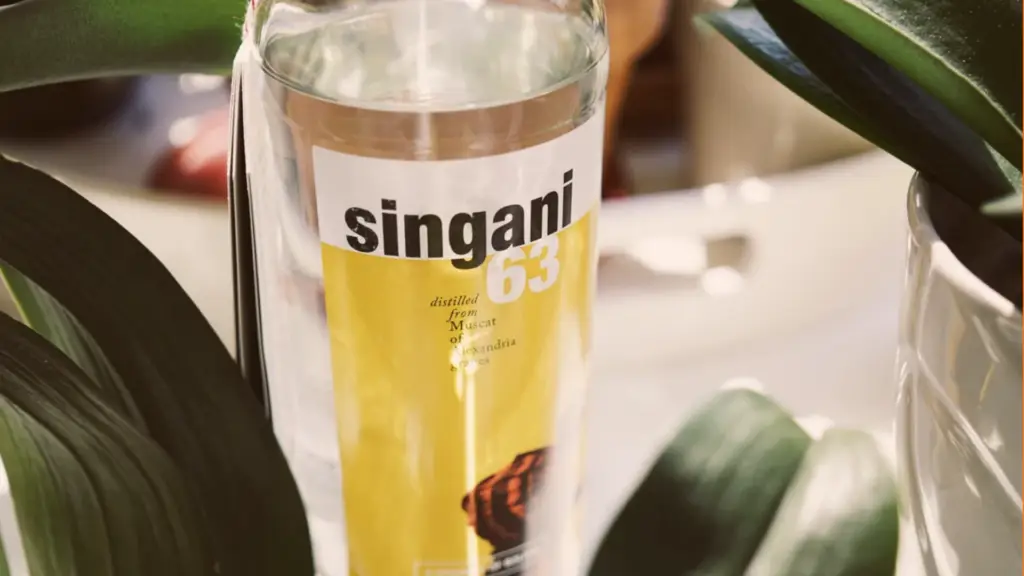
Singani: Bolivia’s High-Altitude Spirit and a Forgotten Andean Heritage
Singani is one of the least understood legally protected spirits in the world. Despite centuries of continuous production in Bolivia, it remains largely absent from global spirits discourse. This absence is not due to ambiguity or lack of definition. Singani is one of the most tightly structured grape distillates in existence, defined by altitude, grape […]
September 30, 2026
Partnership
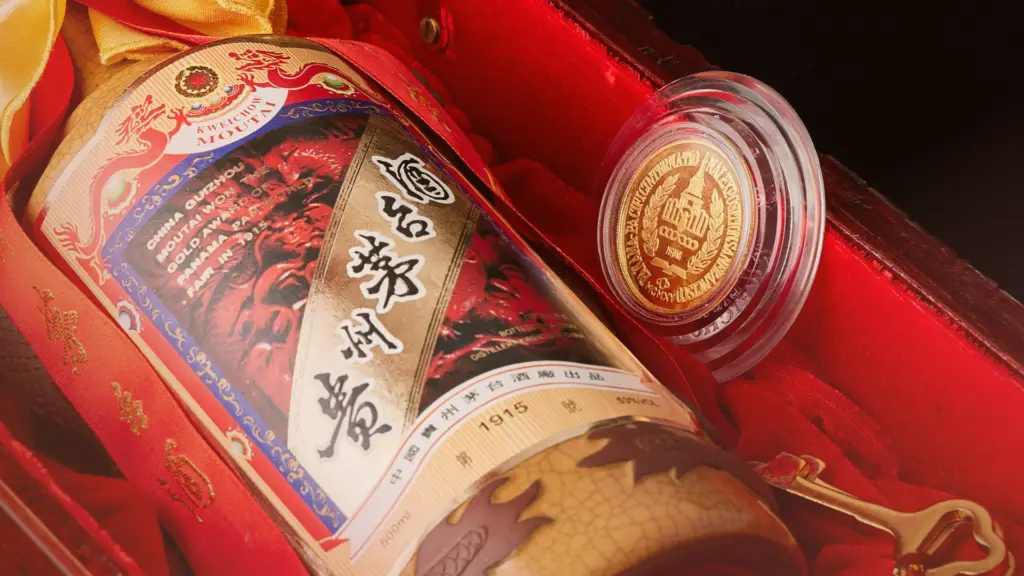
Kweichow Moutai: The Protected Origin of Sauce Aroma Baijiu
Moutai begins in a bend of the Chishui River, in a town where geography has been asked to explain taste for generations. The river, the valley heat, the purple-red soils, the surrounding hills, and the microbial life of Maotai Town are all part of the story people tell when they try to explain why this […]
September 27, 2026