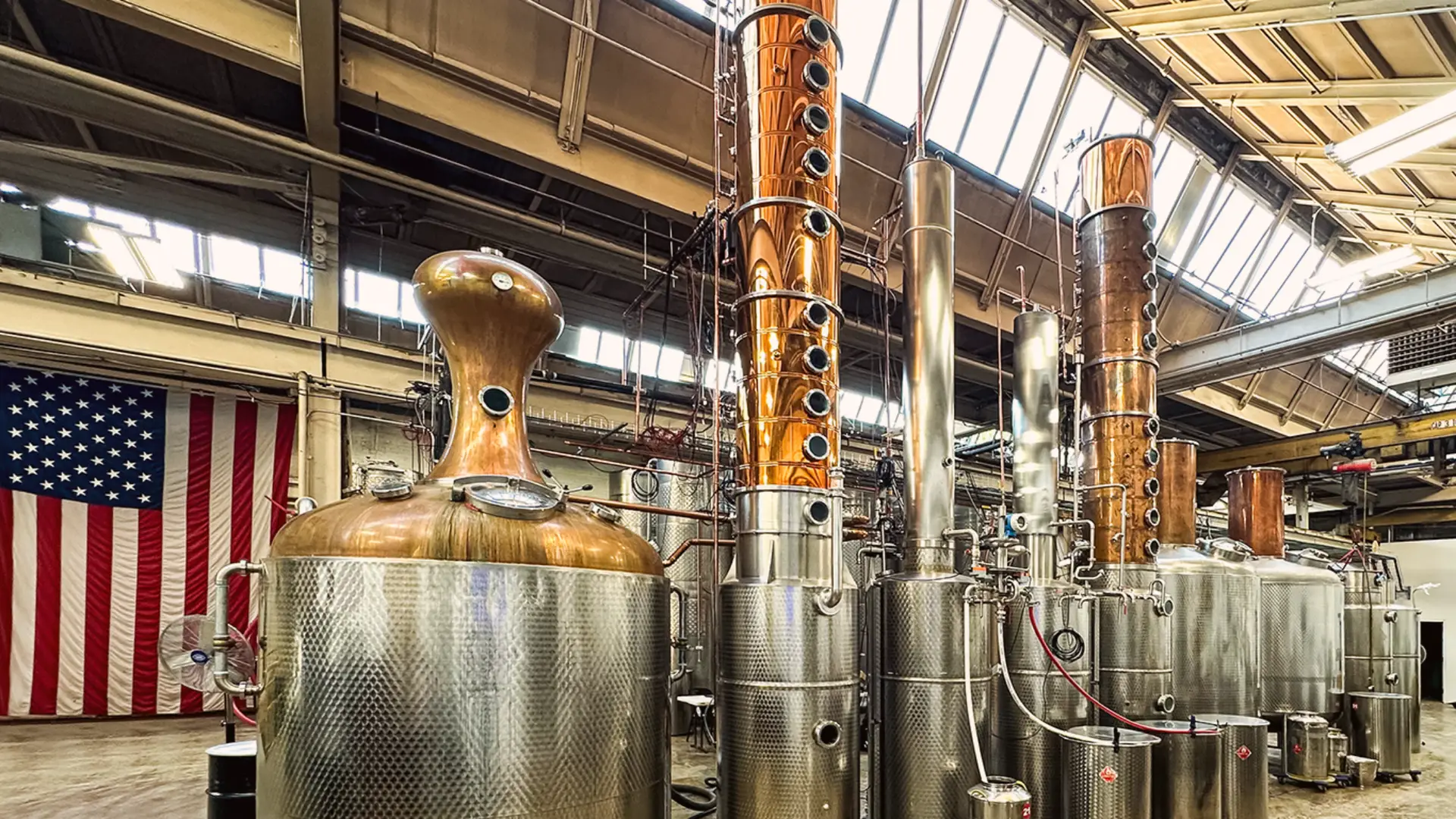
A copper pot still gleams under warehouse lights, but behind its polished curves lies a harder reality. Fermentation tanks require capital. Barrels demand patience. Compliance costs accumulate long before a single bottle reaches retail shelves.
The romance of small-batch spirits often obscures the structural tension beneath it. Craft distillery economics is not simply about artistry. It is about scale, access to distribution, and the discipline required to survive in a market dominated by multinational producers.
Since the early 2000s, the number of craft distilleries in the United States has expanded dramatically. According to the American Craft Spirits Association, founded in 2013, the U.S. hosted fewer than 100 distilleries in 2005. By 2022, that number exceeded 2,600. Similar growth patterns emerged in the United Kingdom and Australia. Yet expansion does not guarantee sustainability. Craft distillery economics operates within a framework shaped by taxation, logistics, and retail power.
The Scale Dilemma in Craft Distillery Economics
At its core, craft distillery economics revolves around scale. Small producers such as Westland Distillery (founded 2010, Seattle) or Starward Distillery (established 2007, Melbourne) must decide whether to prioritize limited production and local sales or pursue aggressive expansion.
Scaling requires larger facilities, increased barrel inventory, and extended aging cycles, tying up capital for years.
Aging spirits compounds financial pressure. A bourbon distilled today may not generate revenue until it reaches minimum maturation standards, typically two to four years. During that time, storage costs, evaporation (the angel’s share), and regulatory oversight continue.
For rum producers such as Foursquare Distillery (Barbados, founded 1996), tropical maturation accelerates aging but also increases annual evaporation to as much as six to eight percent. These variables directly influence craft distillery economics, affecting both yield and pricing strategy.
Distribution and the Three-Tier System
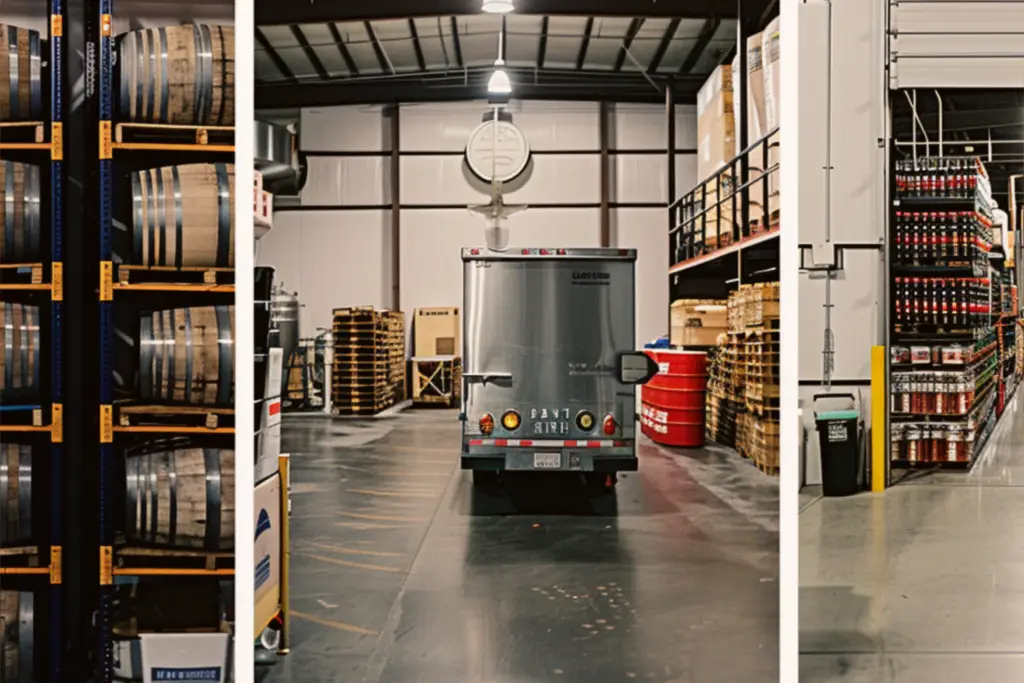
In the United States, the three-tier distribution system established after Prohibition separates producers, distributors, and retailers. For craft distillers, this structure often presents the most significant barrier to scale.
Securing a distributor requires volume and marketing investment. Without distribution agreements, entry into national markets becomes difficult.
Distilleries such as St. George Spirits (founded 1982, California) navigated these challenges by diversifying product lines, producing gin, brandy, and whiskey to maintain cash flow.
In the United Kingdom, The Lakes Distillery (founded in 2011) leveraged tourism and visitor center sales to supplement wholesale distribution. Craft distillery economics, therefore, depend on hybrid models combining direct-to-consumer sales, tasting room experiences, and export channels.
Capital Investment and Ownership Structure
Ownership models significantly influence survival trajectories. Some craft distilleries accept private equity or acquisition offers to access broader distribution networks.
In 2017, Pernod Ricard acquired Del Maguey Single Village Mezcal (founded in 1995), integrating an artisanal brand into a global portfolio. While acquisition can provide financial stability, it also shifts governance and control.
Other producers remain independent but seek strategic partnerships. Westland Distillery was acquired by Rémy Cointreau in 2017, enabling expanded export reach while preserving production identity.
These cases illustrate a recurring theme within craft distillery economics: independence offers creative control but limits capital flexibility.
Pricing, Brand Positioning, and Consumer Perception
Craft spirits often command premium pricing due to smaller production runs and higher per-unit costs. However, premium positioning requires consistent storytelling and quality assurance.
Consumers comparing a small-batch rye from New York with heritage brands such as Buffalo Trace (founded 1775) expect clear differentiation beyond novelty.
In mezcal, producers like Mezcal Vago (founded 2010) emphasize single-village transparency, often listing the mezcalero and agave variety. This narrative authenticity supports pricing aligned with labor intensity and agricultural cycles.
In gin, brands such as Sipsmith (founded 2009, London) helped catalyze the modern craft gin revival by highlighting traditional copper pot distillation. Craft distillery economics, therefore, intersects with brand literacy, where value must be communicated alongside liquid quality.
Tourism, Local Identity, and Resilience
Visitor centers and distillery tours have become critical revenue streams. The Scotch Whisky Association reported that Scotch whisky tourism generated over £84 million in visitor center revenue in 2019.
Craft producers increasingly emulate this model. Starward Distillery in Melbourne and The Lakes Distillery in Cumbria integrate hospitality into their business strategy, reinforcing local identity while generating direct margin.
Community integration strengthens resilience. During supply chain disruptions, distilleries that can sell locally through tasting rooms often perform more consistently than those reliant solely on export markets. Craft distillery economics reward diversification.
Behind every bottle from Westland Distillery, Starward Distillery, or St. George Spirits lies a network of financial decisions.
Scale determines barrel inventory. Distribution shapes market access. Ownership influences growth trajectory.
The economic architecture surrounding craft distillation is as deliberate as fermentation and distillation itself.


Distillery
Foursquare Rum Distillery, nestled in the lush southern countryside of Saint Philip, Barbados, is a bastion of rum…
Distillery
Starward Distillery, located in the vibrant area of Port Melbourne, Australia, embodies the promise of innovation and craftsmanship…

Distillery
Westland Distillery, located in the vibrant SoDo neighborhood of Seattle, Washington, stands at the forefront of the American…
Partnership
Guadeloupe Rhum Agricole: Exploring the French Caribbean’s Diverse Cane Spirit Tradition
Guadeloupe Rhum Agricole follows a broader path than the agricole tradition of neighbouring Martinique. Both territories belong to the French Caribbean and share a long relationship with fresh sugarcane juice, yet Guadeloupe rhum agricole developed within an archipelago where more than one rum production tradition has endured. Across volcanic Basse-Terre, limestone Grande-Terre and the distinctive […]
September 4, 2026

Distilleries & Producers
Roseisle Distillery: The High-Tech Speyside Giant Behind a New Generation of Whisky
In Speyside, where whisky is often associated with generations of tradition, Roseisle Distillery represents something very different. Built by Diageo near Elgin and officially opened in 2010, Roseisle was designed as a modern, large-scale malt whisky distillery, combining traditional pot-still production with advanced engineering, energy recovery and unusual flexibility in how its spirit can be […]
September 2, 2026
Interviews & Insights
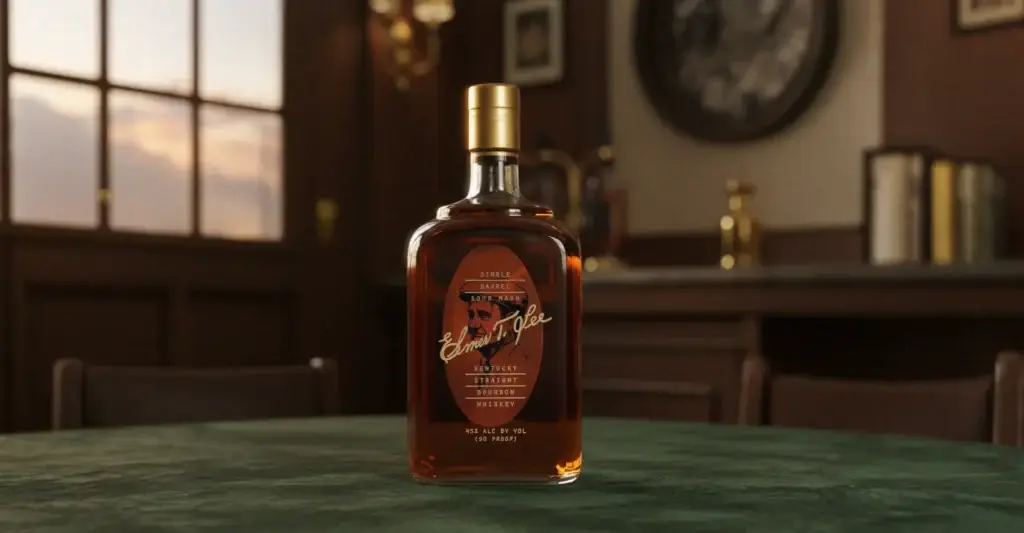
Elmer T. Lee: The Master Who Revived Bourbon’s Soul
In 1949, a young Elmer T. Lee walked into the George T. Stagg Distillery in Frankfort, Kentucky, looking for a job. He had recently returned from the Second World War, where he had served as a radar bombardier aboard a B-29, and had graduated with honours in electrical engineering from the University of Kentucky. The […]
August 5, 2026