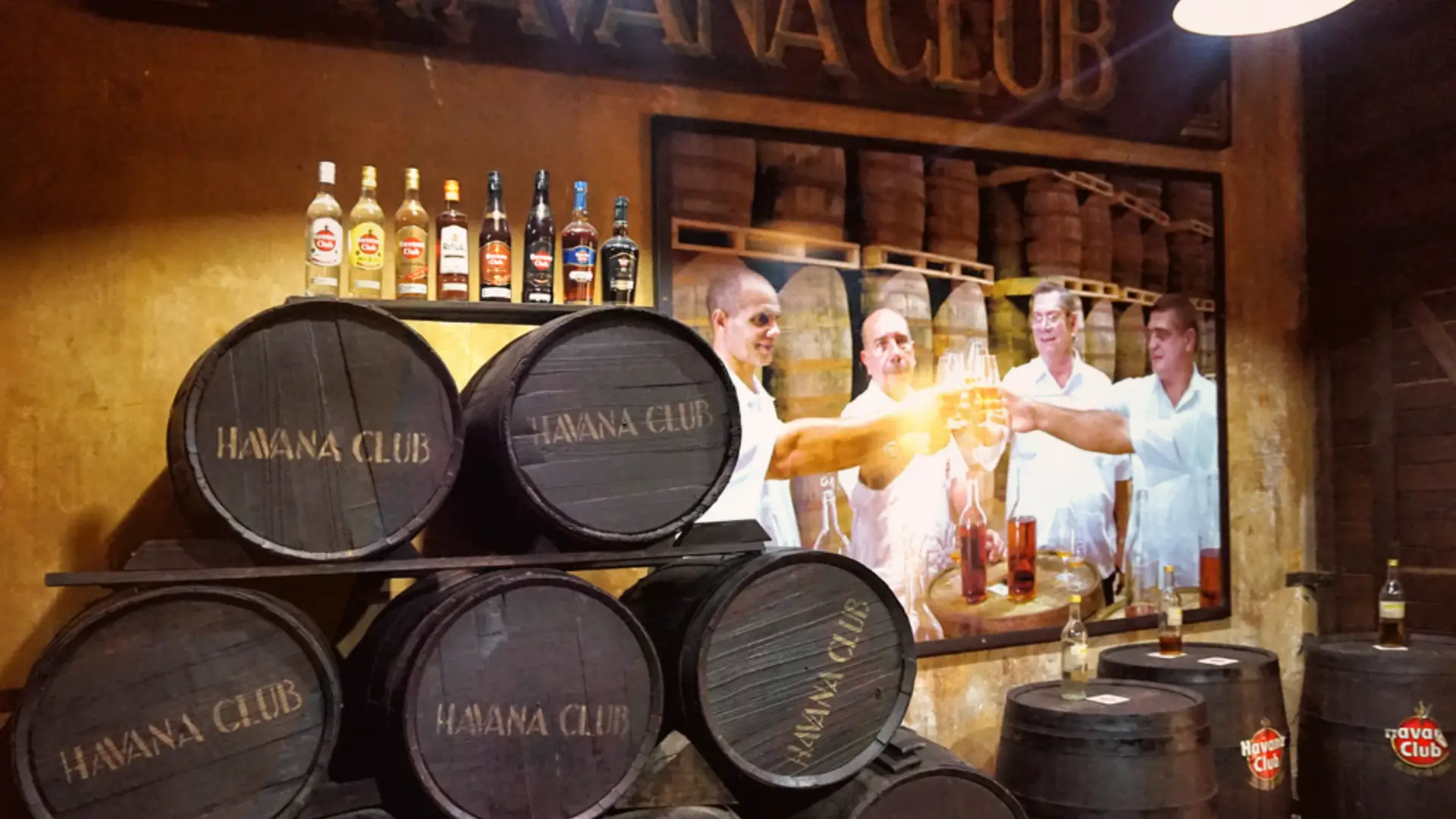
Rum production in Cuba is inseparable from the island’s history, economy, and identity. Unlike many regions where distillation emerged primarily for commerce, Cuban rum evolved as a cultural cornerstone. Its development reflects colonial sugarcane agriculture, revolutionary politics, and the continuity of traditional distilling practices. Across centuries, rum has not only defined local taste but also projected Cuba’s influence through global trade networks.
Colonial Origins and the Emergence of Rum
The introduction of sugarcane to Cuba in the early 16th century created the foundation for rum production. Early settlers experimented with fermenting molasses, a byproduct of sugar refining, producing the first rudimentary spirits. These early rums were potent, often unaged, and consumed locally among plantation workers and sailors. While initially functional, the distillation techniques laid the groundwork for the island’s later innovations.
By the 18th century, rum production had become economically significant. Cuban distilleries began to adopt copper pot stills alongside simple column stills, combining batch production with more continuous distillation methods. These technical choices balanced consistency with character, shaping the Cuban rum profile recognized today.
Distilleries That Define Cuban Rum Craft and Continuity
Several Cuban distilleries have preserved both historical practices and technical innovation. Havana Club, established in 1934, became internationally renowned for its column-distilled rums aged in oak barrels under tropical conditions. Its expressions, such as Havana Club Añejo 7 Años, exemplify the balance of fermentation control, distillation precision, and maturation that define Cuban rum.
Santiago de Cuba Rum Distillery, founded in 1862, continues to emphasize traditional batch fermentation with locally grown sugarcane. The distillery produces Agricola-style rums and aged blends, demonstrating how raw material selection and fermentation management influence aromatic and textural qualities.
Destilería Ron Cubay, located in the eastern provinces, integrates continuous distillation techniques while preserving cane-derived flavor compounds. Its portfolio includes aged and premium expressions that highlight how column distillation can produce neutral but structurally coherent rums suitable for both sipping and mixing.
Rum and Revolution: Continuity Through Political Change
Cuban distilleries faced a series of upheavals during the 20th century, including nationalization following the 1959 revolution. Despite the political shifts, production standards were preserved. State-managed enterprises maintained aging programs, fermentation control, and distillation protocols. These measures ensured that Cuban rum retained its identity, even as access to international markets fluctuated.
Political change reinforced the island’s rum culture as a national symbol. Distilleries became sites not only of production but of heritage, tying spirits to both history and place. International recognition of Cuban rum, including Havana Club’s awards and Santiago de Cuba expressions, demonstrates the effectiveness of preserving technique under changing circumstances.
Technical Profiles and Production Philosophy
Cuban rums are defined by a combination of column and pot still distillation, precise fermentation, and tropical aging. Molasses serves as the primary base material, with yeast strains selected to balance volatility and aroma. Continuous column distillation produces neutral spirit that is subsequently blended or aged to achieve complexity, while pot still distillation retains congeners and texture for artisanal expressions.
Aging occurs primarily in American oak barrels, which are often pre-used to temper extraction and highlight cane-derived aromatics. Tropical climate accelerates maturation, impacting ester development, oxidation, and mouthfeel. The combination of fermentation, distillation, and aging practices results in rums with subtle caramel, vanilla, and spice notes, balanced acidity, and a smooth texture.
Export, Trade, and Cultural Reach
Cuban rum has long played a role in international trade. During the 19th and 20th centuries, Havana and Santiago de Cuba were major export hubs, supplying Europe, the United States, and Latin America. Trade routes and shipping infrastructure reinforced production standards, as exported rum needed to withstand long transit while maintaining quality.
The cultural influence of Cuban rum extends beyond economics. Cocktail history, including the daiquiri and the mojito, is intertwined with Havana’s distilleries. Bartenders in Cuba and worldwide rely on the consistency of Havana Club and other Cuban rums to maintain cocktail integrity, demonstrating the impact of production discipline on global mixology.
Continuity and Heritage Today
Modern Cuban distilleries navigate both tradition and innovation. Havana Club continues to age premium rums while experimenting with single cask and limited editions. Santiago de Cuba preserves batch fermentation methods that highlight cane character. These practices ensure that Cuban rum remains both culturally significant and technically coherent.
The island’s regulatory framework also reinforces quality. Legal definitions of Cuban rum, geographic indicators, and mandatory aging practices provide a structural foundation for production. This ensures that distilleries, whether state-owned or cooperative, align with historical standards while producing spirits suited to contemporary tastes.
By connecting historical practice, regulatory context, and distillery innovation, Barlist transforms rum exploration into a structured understanding. Cuban distilleries exemplify how technical discipline and cultural continuity create spirits that are reliable, expressive, and regionally distinctive.

Distillery
Ron Cubay Distillery is one of the premier producers of high-quality rum in Cuba, deeply rooted in the…
Distillery
The Ron Cubano Santiago de Cuba Distillery is renowned as one of the oldest rum distilleries in Cuba,…
Spirit
Havana Club 7 YO Añejo is a renowned Cuban rum that embodies the rich tradition and craftsmanship of…
Distilleries
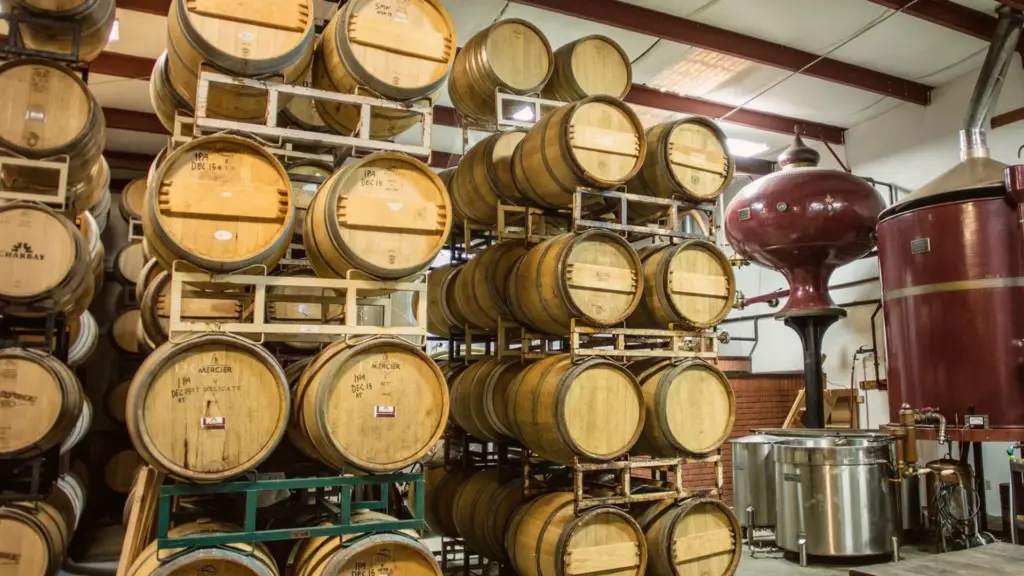
Charbay Distillery: From European Tradition to California Craft Distilling
The history of Charbay Distillery begins long before the family established itself in California. The Karakasevic family traces its winemaking and distilling tradition back generations in Europe, with the family recognised by the Austro-Hungarian Imperial Court of Empress Maria Theresa in 1751 as makers of wines and brandies. That inherited knowledge eventually travelled across continents […]
July 28, 2026
Distilleries
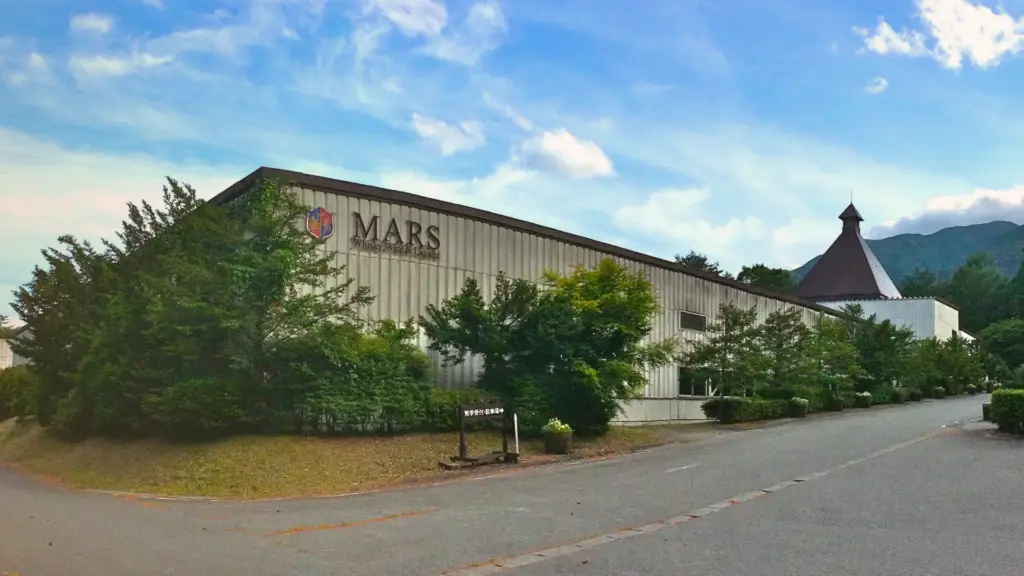
Mars Shinshu: The Distillery That Returned from Silence in Japan’s Central Alps
When the stills at Mars Shinshu Distillery began running again in 2011, they had been silent for 19 years. The buildings had not disappeared, and Hombo Shuzo had not abandoned whisky entirely. Even so, a distillery at rest is not a sealed piece of history. Equipment ages, stocks diminish, employees move on, and the market […]
July 1, 2026
Distilleries
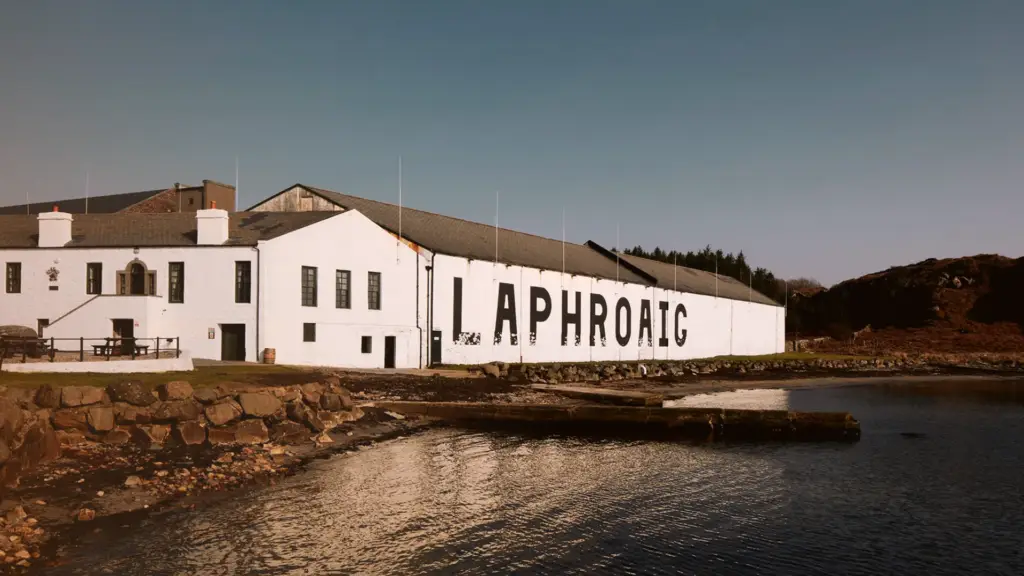
Laphroaig: The Islay Distillery That Turned Peat into a Global Identity
On the southern coast of Islay, the name Laphroaig stretches across a whitewashed warehouse facing a narrow bay. The lettering now belongs to one of the most recognisable names in Scotch whisky, yet the identity behind it was built from a tightly local set of materials: barley, peat, water, casks, coastal geography, and the decisions […]
June 15, 2026