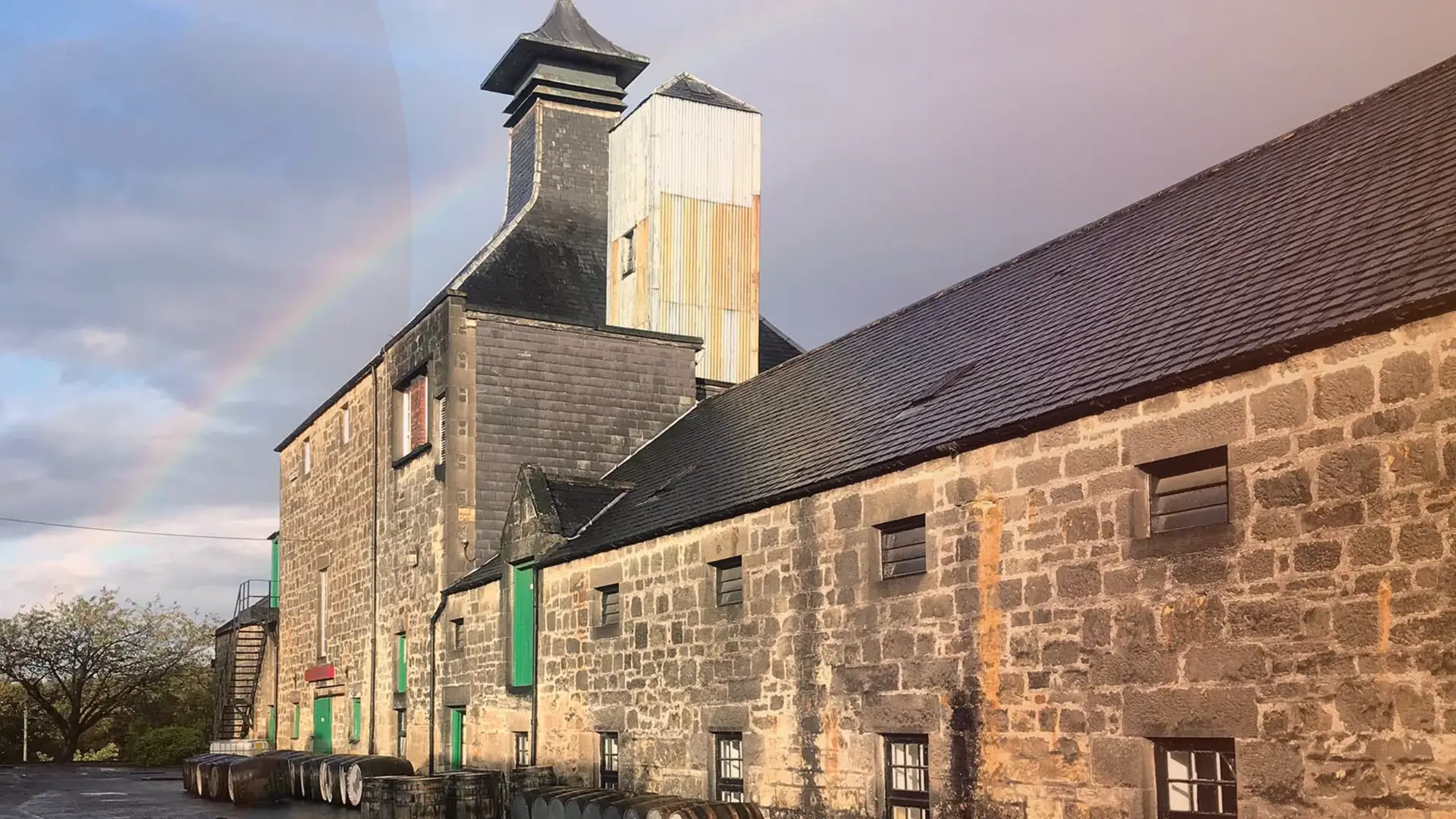
BenRiach Distillery, nestled in the Speyside region of Scotland, has long been synonymous with innovation, peated experimentation, and a commitment to barley diversity. Since its founding in 1898 by John Duff, the distillery has weathered closures, acquisitions, and industry upheaval, each ownership transition leaving a distinct imprint on its whiskey philosophy and production trajectory. Understanding BenRiach’s evolution requires examining how financial decisions, visionary leadership, and changing ownership influenced everything from cask strategy to peating profiles.
Early Foundations and Closure
BenRiach was originally established during a period of rapid Speyside expansion. Its first decades saw the distillery producing unpeated, traditional Speyside-style malt for blending. However, the mid-20th century brought challenging economic conditions, leading to a suspension of production in 2002. At the time, BenRiach was owned by The BenRiach Distillery Company Limited, whose operational difficulties reflected broader volatility in the Scotch industry.
During this period, cask management, barley sourcing, and peating decisions were largely dormant, but the distillery’s warehouses preserved a stockpile of spirit that would later define its rebirth. These stored casks became a valuable asset for future owners, providing both leverage and a foundation for innovation.
The Glenallachie Acquisition: Revival and Vision
In 2004, BenRiach was acquired by a consortium led by Gordon and Jimmy Macpherson, experienced whisky entrepreneurs. This transition marked the first major shift in the distillery’s direction. Production restarted with a focus on experimental maturation, emphasising peated and unpeated expressions matured in a variety of cask types, including ex-bourbon, sherry, and port wood.
The Macphersons brought a strategic vision: BenRiach would distinguish itself through cask innovation and barley experimentation rather than large-scale volume production. During this era, the distillery began producing the peated BenRiach 10 Year Old and the award-winning peated cask finishes, showcasing a versatility that became a hallmark of the brand.
Brown-Forman Ownership: Global Integration
In 2004, Brown-Forman, the American spirits giant behind Jack Daniel’s, briefly became involved in distribution and partnership with BenRiach. While the distillery remained independently operated, this partnership introduced global marketing discipline, supply chain expertise, and access to international markets. The focus shifted toward creating a coherent brand story for overseas consumers, while production remained artisanal.
Brown-Forman’s influence reinforced the importance of cask management and inventory tracking, aligning with Barlist’s focus on production literacy. Each cask’s provenance, maturation profile, and batch consistency became central not just to flavor but to market credibility.
The 2008 Sale and Independent Revival
In 2008, BenRiach was sold to The BenRiach Distillery Company Limited under new private ownership, including investors like Billy Walker, who would later acquire Glenallachie. This acquisition catalyzed a period of creative experimentation, introducing heavily peated variants and exotic cask finishes such as Madeira, PX sherry, and rum casks.
Under Walker’s guidance, BenRiach’s production emphasized both terroir-driven barley selection and technical precision in distillation. Copper pot stills were used to retain flavor complexity, while fermentation schedules were optimized for a clean, consistent spirit. The distillery also explored peating levels across different barley strains, creating expressions ranging from subtle smoke to robust Islay-style peat influence.
This period solidified BenRiach’s reputation as a distillery unafraid to challenge Speyside conventions while retaining structural and technical discipline.
Technical Evolution Through Ownership
Each transition impacted the distillery’s technical approach. Early periods emphasized traditional Speyside lightness. Macpherson ownership introduced experimental casks and the integration of peated malt. Later ownership under Walker expanded barley provenance tracking, precise fermentation control, and careful cask blending.
Ownership changes influence more than business strategy -they directly shape production philosophy, cask selection, maturation timelines, and ultimately, flavor profiles. BenRiach’s journey shows how strategic oversight and capital allocation can enable technical innovation without compromising whisky quality.
Cultural and Market Impact
BenRiach’s ownership transitions also reflect broader trends in Scotch whisky. Smaller distilleries increasingly rely on visionary leadership and agile financial backing to compete in global markets dominated by large conglomerates. Each ownership era at BenRiach demonstrated a different response to market pressures: closure during downturns, cautious revival under consortium management, and global branding under corporate influence.
This interplay of business decisions and technical stewardship has made BenRiach a case study in how culture, economics, and production intersect. The distillery’s award-winning peated expressions and innovative cask finishes now define its market identity, demonstrating that strategic ownership transitions can reinvigorate both tradition and innovation simultaneously.
Barlist evaluates whisky not only by flavor but by the production literacy, technical precision, and strategic decision-making that shape each spirit. BenRiach Distillery illustrates the intimate connection between ownership, operational philosophy, and technical execution. From pot still configuration to cask management, from barley selection to peating strategy, every change in ownership introduced a new layer of production discipline.
Understanding BenRiach’s evolution underscores that modern whisky excellence is rarely accidental. It is the product of deliberate investment, visionary leadership, and a willingness to innovate within a framework of technical rigor.

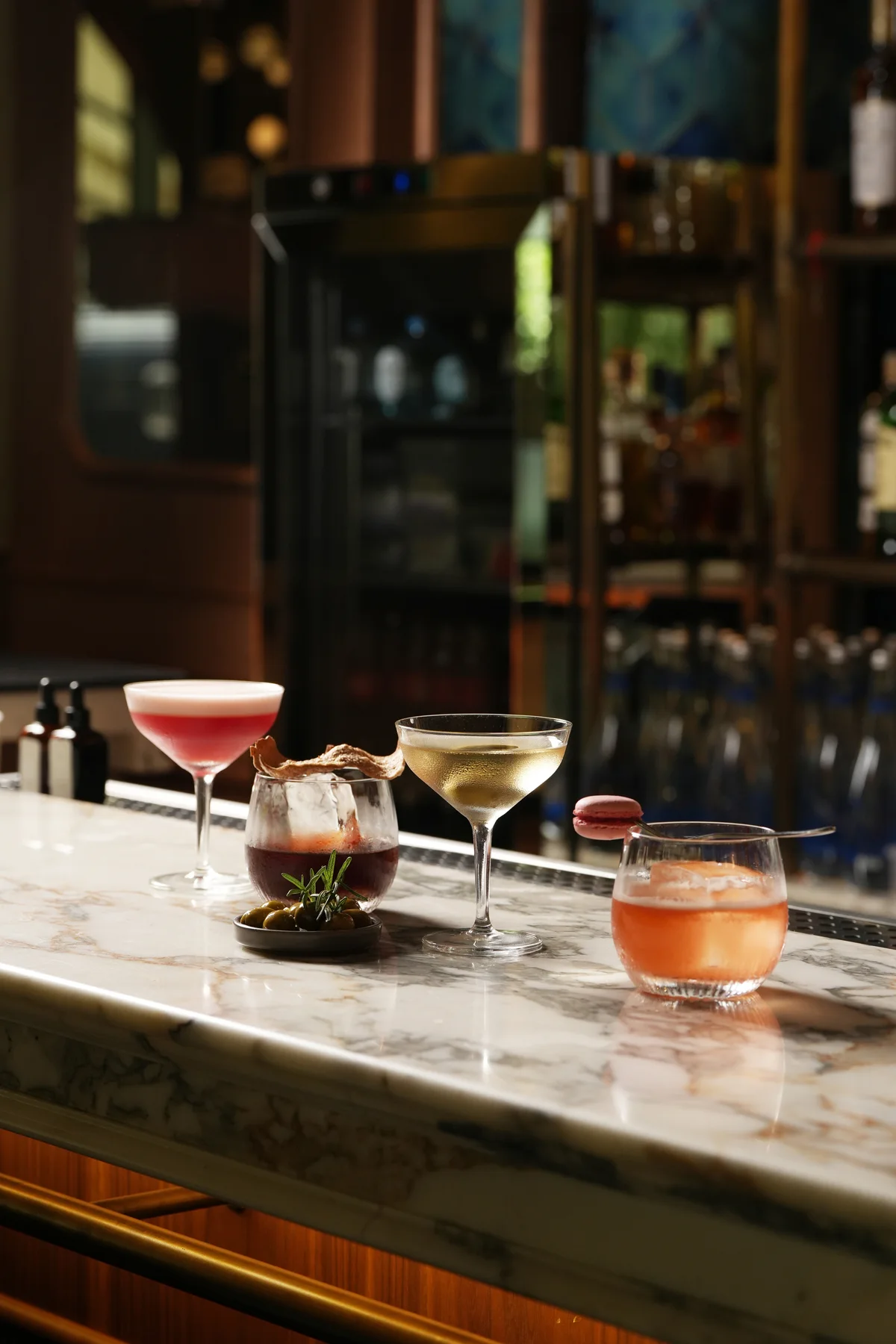
Distillery
Located in the heart of Speyside, Scotland, the BenRiach Distillery is celebrated for its exceptional single malt Scotch…
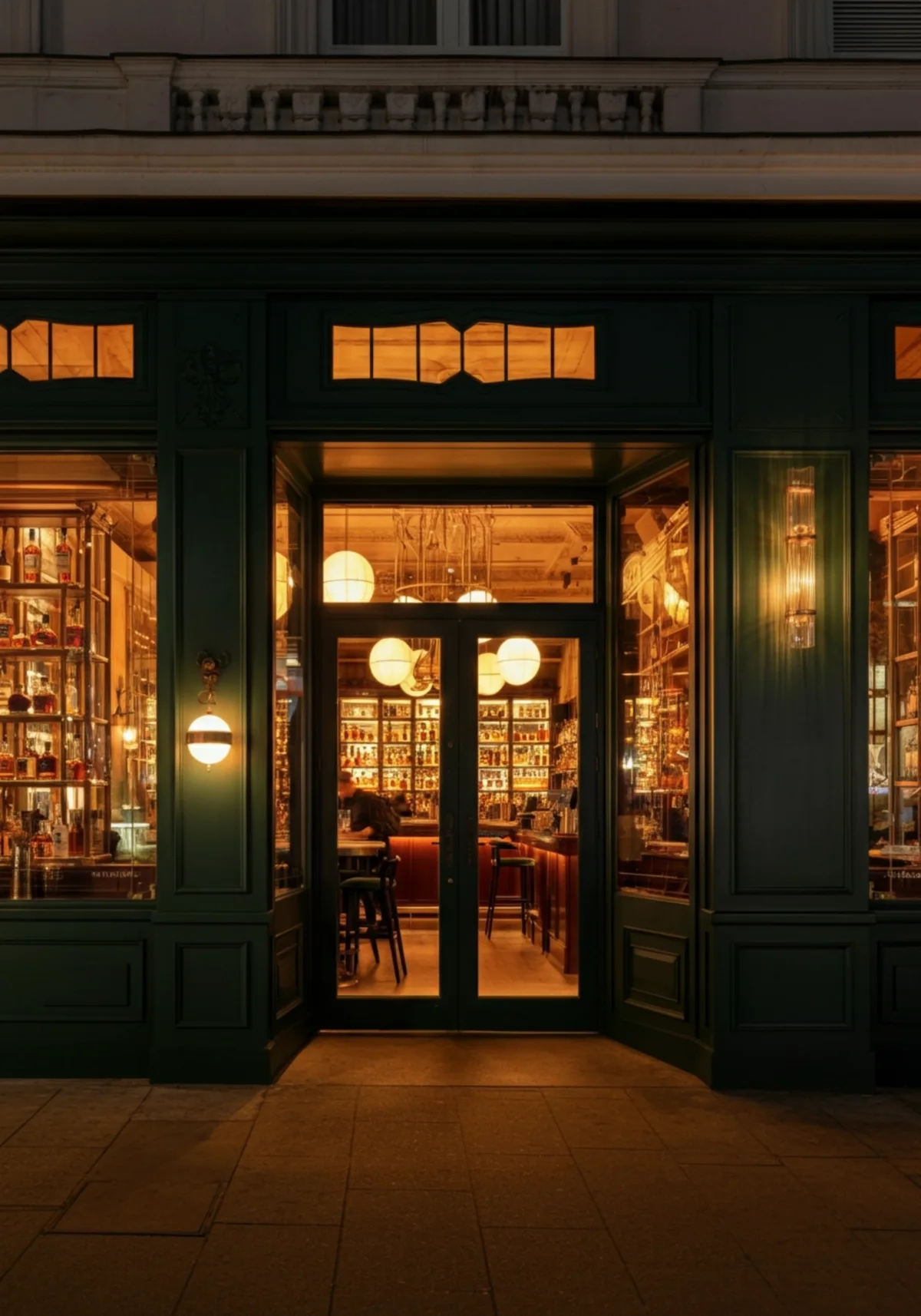
Spirit
BenRiach Authenticus Peated 30 YO Single Malt Scotch Whisky
The Benriach Authenticus 30 Year Old Single Malt Scotch Whisky is a distinguished expression from one of Speyside’s…
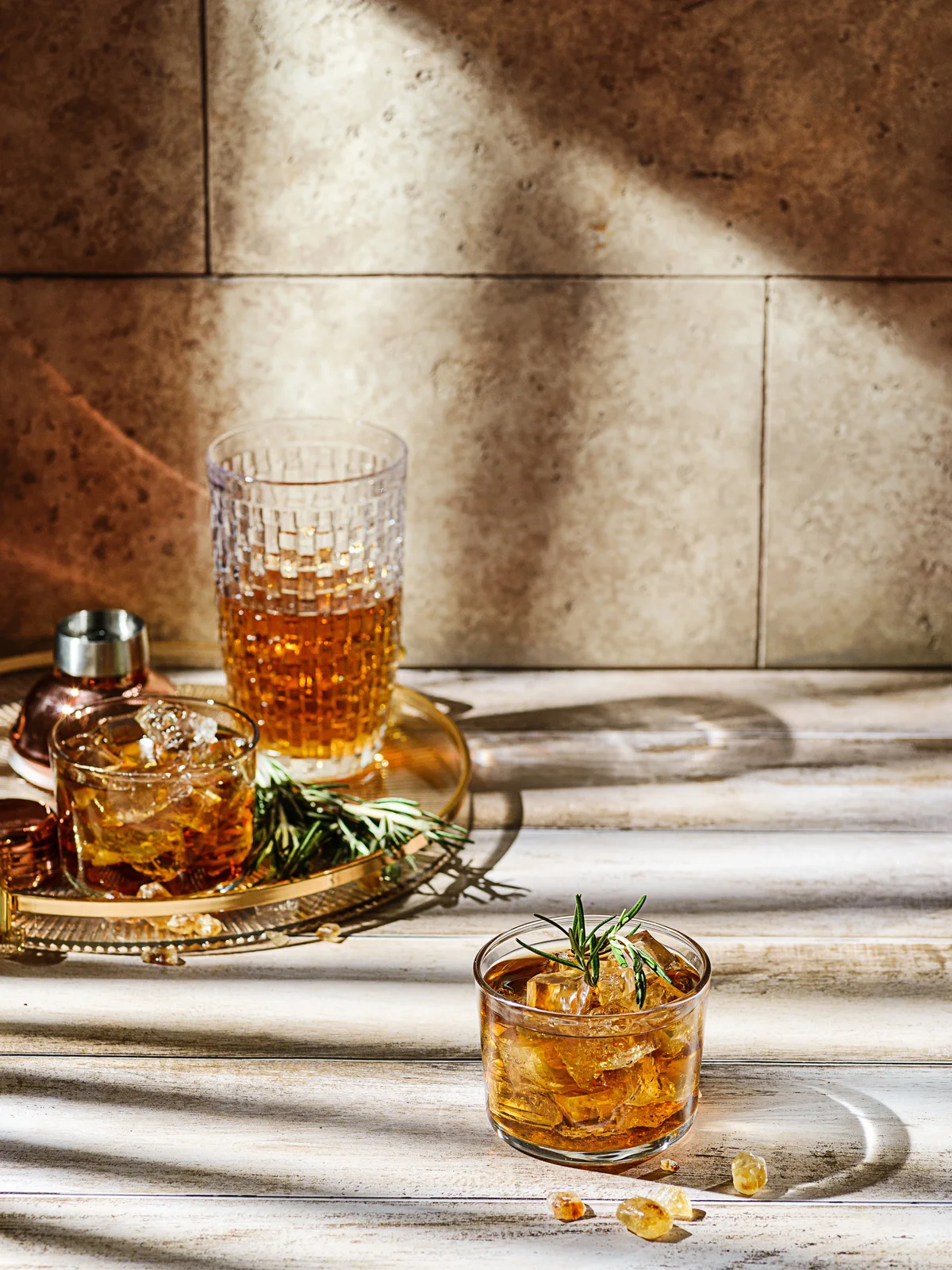
Spirit
Benriach Virgin Oak Barrel 28 YO Speyside Single Malt Scotch Whisky
Benriach Virgin Oak Barrel 28 YO is a remarkable expression that exemplifies the artistry and craftsmanship synonymous with…
Spirit
Benriach 1994 Cask Edition 28 YO Speyside Single Malt Scotch Whisky
Benriach Virgin Oak Hogshead 28 Year Old is a distinguished single malt Scotch whisky that reflects the exceptional…
Spirit
BenRiach The Original Ten 10 YO Speyside Single Malt Scotch Whisky
BenRiach The Original Ten is a quintessential representation of Speyside craftsmanship, showcasing the region's dedication to producing premium…
Spirit
Benriach Speyside 23 YO Single Malt Scotch Whisky
Benriach Cask Edition 1997 Virgin Wood Barrel 23 YO captures the essence of Speyside’s whisky-making heritage with meticulous…
Distilleries & Producers
The Female Founders Reshaping Whisky and the Modern Distillery Model
Whisky has long evolved gradually, shaped by production methods, ownership, and long-term decision-making. Over the past decade, a quieter structural shift has emerged as female founders in the whisky distillation and modern distillery model. Women now hold leadership roles in roughly 20 to 30 per cent of US craft distilleries, with growing influence in new […]
April 14, 2026
Barlist
Grzegorz Nowicki: Where Control Turns Into Confidence
Not every bar scene announces itself when it starts changing. Sometimes it happens quietly. A few new venues open, standards begin to tighten, and suddenly the way drinks are made starts to feel different. Warsaw in the early 2010s moved like that. Nothing abrupt, but enough to shift expectations. Grzegorz Nowicki’s career developed right inside […]
September 28, 2026
Barlist
Pauline Le Berre: When Precision Becomes the Quietest Form of Control
Some bartenders build drinks that unfold. Others build drinks that settle. Pauline Le Berre’s work belongs to the second kind. Nothing in her approach pushes forward unnecessarily. The balance is already there, established before the drink reaches the glass, and held in place without adjustment. That way of working doesn’t come from experimentation alone. It […]
September 21, 2026