
Some bartenders build drinks that unfold. Others build drinks that settle. Pauline Le Berre’s work belongs to the second kind. Nothing in her approach pushes forward unnecessarily. The balance is already there, established before the drink reaches the glass, and held in place without adjustment.
That way of working doesn’t come from experimentation alone. It comes from a system where technique is expected to hold, not to adapt mid-process. Her development sits within a period when French bartending began to shift its identity. Cocktail culture moved closer to the language of cuisine, where ingredients, texture, and proportion were treated with the same level of attention. Bars such as Experimental Cocktail Club and Little Red Door reflected that transition, combining conceptual thinking with technical discipline.
Le Berre’s work did not try to compete with that evolution. It aligned with it.
IBA World Cocktail Championship, 2015
Her presence on the international stage emerged during this shift. In 2015, she represented France at the IBA World Cocktail Championship 2015, organised by the International Bartenders Association.
Competing within a format that evaluates taste, presentation, and repeatability under strict conditions, her performance stood out for its control. The cocktail did not rely on contrast or layered complexity. It held its structure cleanly, where each element was integrated without excess.
Her result placed her among the top-performing bartenders of the competition, reinforcing France’s growing presence in international bartending.
A Style That Refuses Excess
Le Berre’s cocktails don’t expand beyond what they need to be. Her approach centres on proportion, where acidity, sweetness, bitterness, and aromatics are aligned without competing for attention. The structure is deliberate but not rigid, allowing the drink to remain cohesive from start to finish.
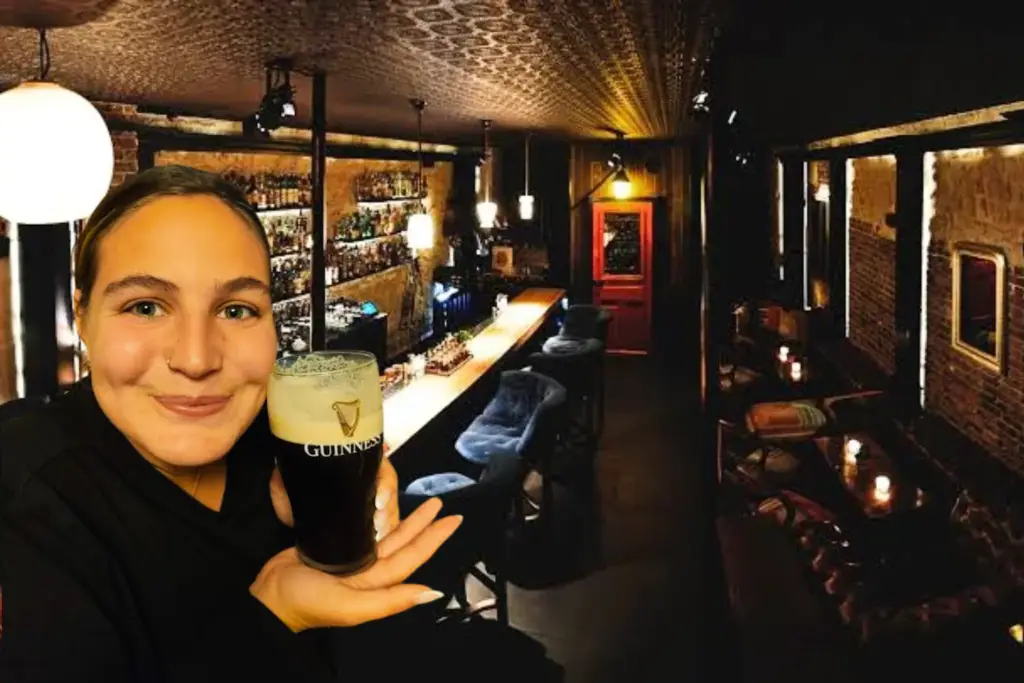
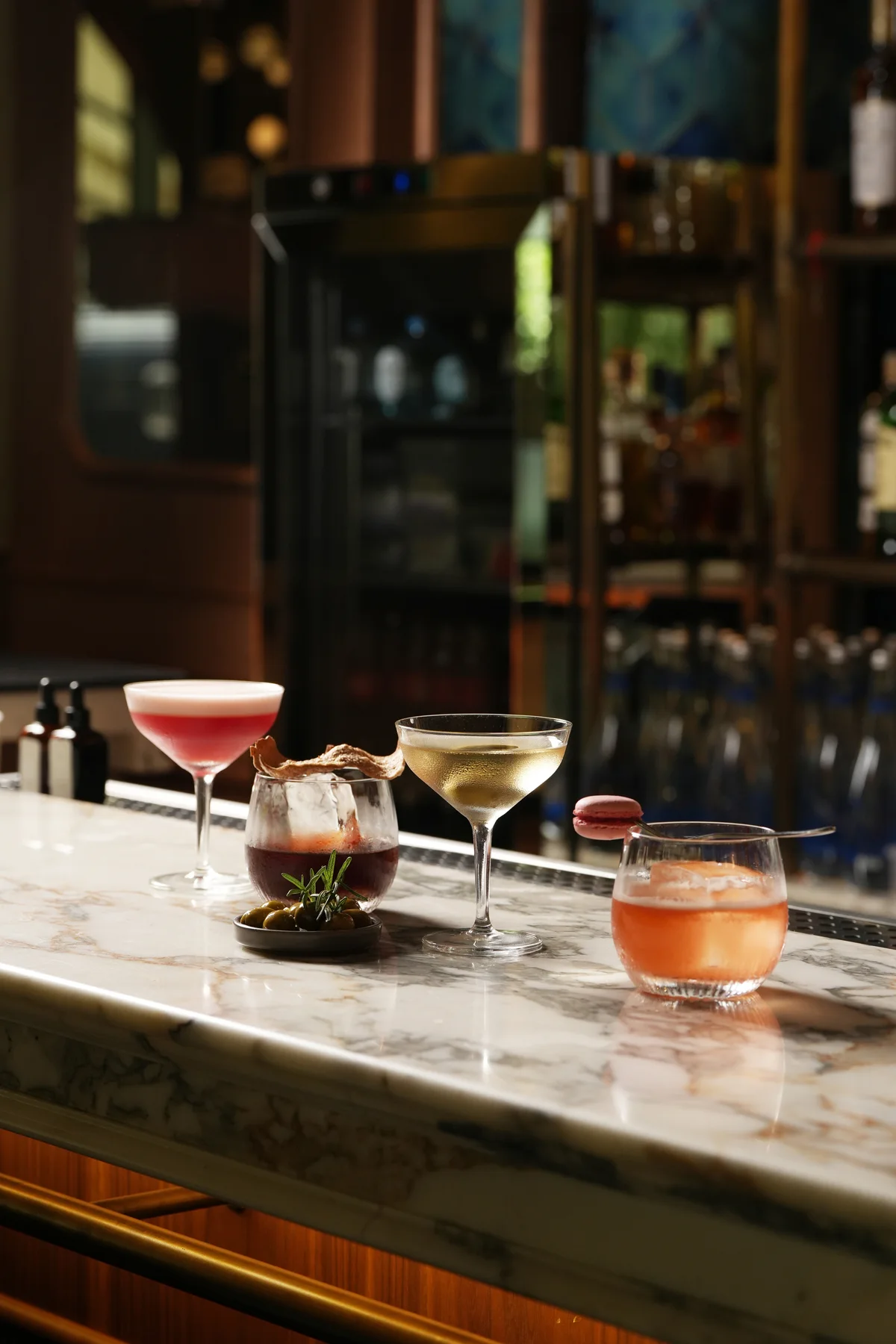
There is a strong emphasis on ingredient integrity. Flavours are preserved rather than masked, and texture becomes part of the composition rather than decoration. This reflects a broader French philosophy, where restraint becomes a form of control.
Carrying Craft Beyond the Glass
Her work extends beyond competition. Through involvement with the Association des Barmen de France, Le Berre contributes to a system where bartending is treated as a structured craft. Training, mentorship, and technical development remain central, ensuring that knowledge moves forward with consistency.
At the same time, Paris continues to evolve as a modern cocktail capital, where narrative-driven bars and technically precise programs exist side by side. That environment reinforces the balance between creativity and discipline that defines her work.
Pauline Le Berre’s career doesn’t rely on dramatic reinvention. It shows something more controlled. That precision, applied consistently and without excess, can define a style that doesn’t need to announce itself to be recognised.
Pauline Le Berre’s expertise centres on technical cocktail preparation, balance, presentation, and competitive bartending. Her approach prioritises precise proportion and repeatable execution, where temperature, dilution, sweetness, acidity, and aroma work as a single structure. This disciplined foundation allows technique to remain controlled even within the pressure of professional competition.
Expertise Built Around Technical Control
Pauline Le Berre’s documented competitive context places technical execution at the centre of her profile. Her expertise can be understood through the disciplines required in international cocktail competition: proportion, presentation, repeatability, and the ability to maintain a drink’s structure under controlled judging conditions.
That emphasis fits naturally within the French approach described throughout her career. Rather than treating complexity as an objective, the focus remains on making individual components work together with clarity. Ingredient selection, sweetness, acidity, aromatic balance, temperature, and dilution become interconnected rather than separate technical decisions.
Her appearance within the IBA World Cocktail Championship environment also places her work within an international framework where bartenders are expected to translate individual technique into measurable execution. In this context, her notable contribution is best understood through disciplined cocktail construction and competitive bartending rather than through unsupported claims about specific signature drinks or later professional roles.
Bar
Red Pub in Santiago has become a well‑loved destination for those who enjoy good drinks, good company, and…
Bar
In Osaka’s cocktail landscape, Juniper has established itself as a refined destination for lovers of gin and meticulously…
Bar
wenty Two Beirut is a rooftop bar that has become a standout destination for both locals and visitors…
Bar
Experimental Cocktail Club is a landmark cocktail bar nestled at 37 Rue Saint-Sauveur in Paris’s bustling 2nd arrondissement.…
Bar
In the heart of the Marais, on Rue Charlot, Little Red Door stands as one of the most…
Barlist
Michael Moreni: Holding Italian Balance Under Pressure
There’s a point where simplicity stops being effortless and starts being precise. In Italy, that line is easy to miss. Aperitivo culture has always favoured clarity over complexity, drinks that don’t need explanation, only consistency. But translating that quiet balance into a competitive environment is something else entirely. That’s where Michael Moreni’s work sits. His […]
September 14, 2026
Barlist
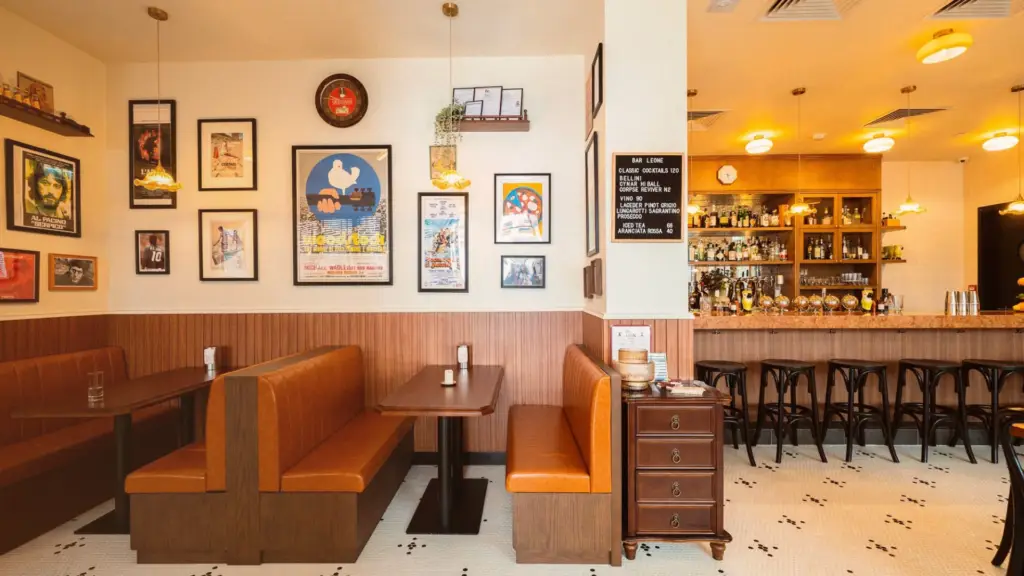
Bar Leone: Precision, Aperitivo Culture, and the Martini Reimagined in Hong Kong
In a city that rarely slows down, Bar Leone opened in Hong Kong in 2023 with a notably different rhythm. There was no attempt to compete through spectacle or technical theatre. Instead, the bar established itself through clarity of purpose, disciplined execution, and a deeply human understanding of what a bar should feel like. Within […]
July 4, 2026
Barlist
What the 2026 Brand Champions Reveal: The New Geography of Spirits Volume
The old map of global spirits influence was drawn around familiar export categories. Scotch whisky, international vodka, Caribbean rum, Cognac, and American whiskey appeared to define scale because they travelled widely, occupied prominent back bars, and were supported by multinational distribution. The largest volume brands tell a different story. The 2026 edition of The Spirits […]
June 30, 2026