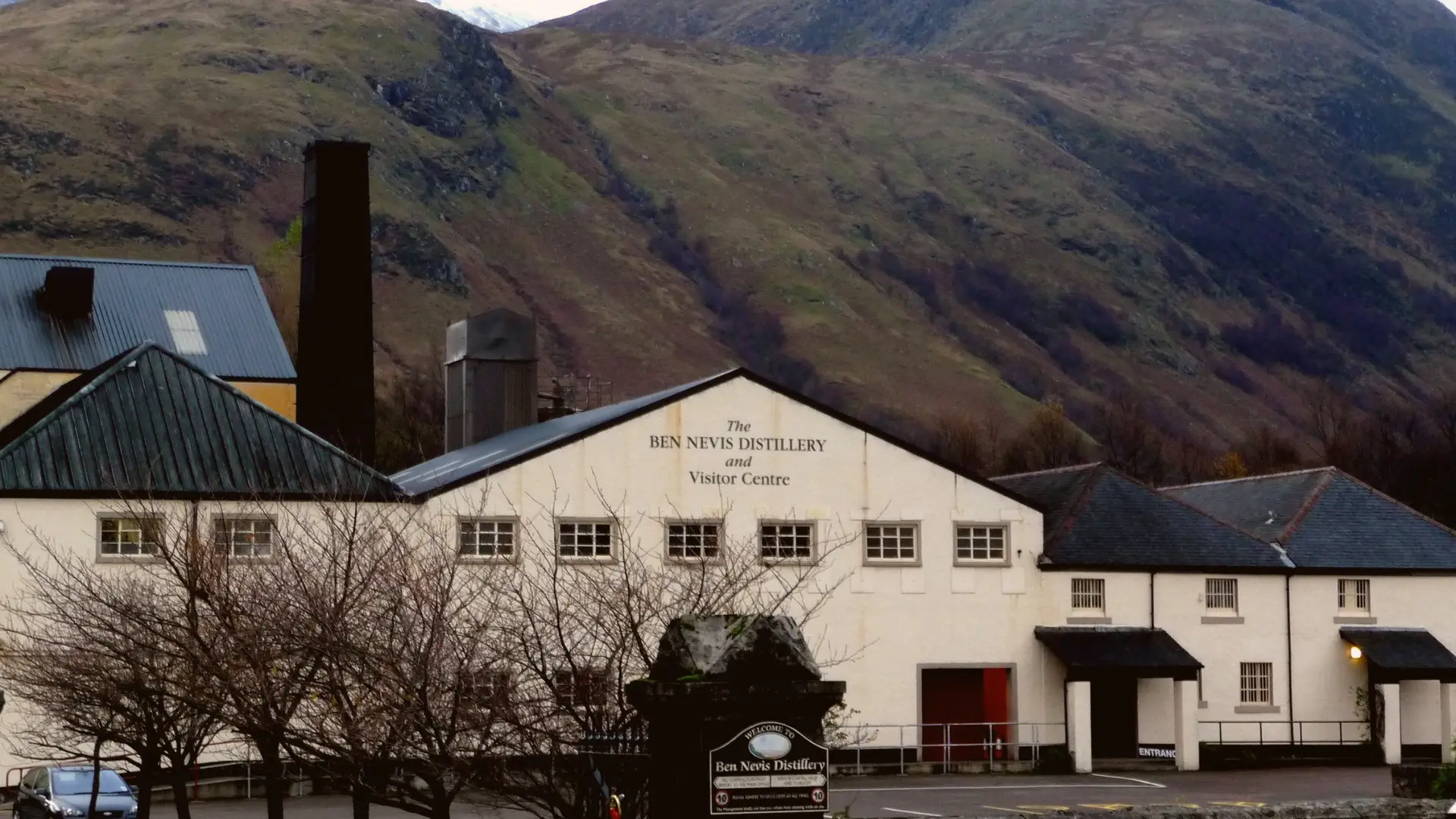
At the foot of Britain’s highest mountain, Ben Nevis Distillery has lived a history defined less by continuity than by interruption. While many Highland distilleries trace a steady arc from founding to present day, Ben Nevis has moved in cycles of ambition, collapse, silence, and revival. Its story reveals how geography, capital, and global demand repeatedly collided with local reality.
The mountain remained constant. The distillery did not.
Long John MacDonald and a Distillery Built for Volume
Ben Nevis Distillery was founded on 7th October, 1825 by Long John MacDonald, a former illicit distiller who emerged into legality after the Excise Act of 1823 made licensed production economically viable. MacDonald chose a site near Fort William that offered abundant water from the Allt a’ Mhuilinn and access to coastal transport routes linking the west coast to Glasgow.
Unlike many early legal distillers, MacDonald built for scale from the outset. By the 1830s, Ben Nevis was among the largest distilleries in Scotland by output. Production focused almost entirely on bulk spirit for blending rather than bottled single malt. Identity mattered less than consistency. Whisky was commerce, not culture.
This early emphasis on volume would later become a structural weakness.
Growth Without Stability
Throughout the 19th century, Ben Nevis Distillery expanded aggressively. Larger stills, increased output, and reliance on blending houses tied the distillery’s fortunes to external demand. When blending demand softened, Ben Nevis had little insulation.
After Long John MacDonald died in 1878, ownership passed to his sons, Donald Peter MacDonald. Management struggled to balance debt, maintenance, and market volatility. By 1908, amid industry-wide overproduction and falling prices, Ben Nevis Distillery entered liquidation and closed entirely.
This was not a brief pause. Production stopped for more than 40 years, erasing generational continuity.
Post-War Revival and the Canadian Experiment
The distillery remained silent until 1955, when Canadian businessman Joseph Hobbs financed a complete rebuild. This revival reflected post-war optimism and renewed global demand for Scotch whisky. Modernised equipment was installed, and production resumed at scale.
During this period, Ben Nevis continued to function primarily as a blending malt supplier. Little effort was made to establish a bottled identity. When demand softened in the 1980s, the distillery once again became vulnerable.
In 1986, Ben Nevis distillery closed for a second time. Equipment stood idle. Staff dispersed. History repeated itself.
Nikka and a Strategic Acquisition
The decisive turning point came in 1989, when Nikka Whisky acquired Ben Nevis Distillery. Unlike previous owners, Nikka’s interest was not speculative. Founded by Masataka Taketsuru, Nikka had long relied on Scottish malt for blending and technical reference.
Ownership under Nikka marked the first period of sustained stability in the distillery’s history. Production restarted with a clear purpose. Ben Nevis would supply characterful malt for Nikka blends while also maintaining limited single malt releases.
Crucially, Nikka did not modernise aggressively. The distillery’s equipment, fermentation times, and distillation regime remained traditional. Stability replaced ambition.
The Style That Survived
The whisky produced at Ben Nevis under Nikka developed a distinct reputation. Long fermentations, relatively heavy spirit cut, and minimal filtration resulted in a robust, cereal-forward style.
This character is most clearly expressed in Ben Nevis 10 Year Old, a bottling that has remained remarkably consistent over time. The whisky shows weight, minerality, and a slightly waxy texture, traits increasingly rare in modern Scotch production.
Much of the distillery’s output remains destined for blending. Ben Nevis malt plays a documented role in Nikka From the Barrel, contributing structure and depth rather than aromatic polish.
Geography as Constraint, Not Romance
Ben Nevis’s location has often been romanticised. In practice, it has been a liability. Fort William sits far from the dense distilling networks of Speyside and the central Highlands. Transport costs, workforce limitations, and isolation magnified economic downturns.
When production stopped, restarting was not a matter of months. It took years. This explains why Ben Nevis closures were prolonged rather than cyclical.
The mountain that gave the distillery its name also limited its flexibility.
A Distillery Defined by Silence
Between 1908 and 1955, and again between 1986 and 1989, Ben Nevis produced no whisky at all. Few operating distilleries can claim such long gaps without permanent closure.
These silences shaped its modern identity. There is no uninterrupted house style stretching back centuries. Instead, Ben Nevis is a distillery rebuilt repeatedly around the same water source, learning each time how to survive the next cycle.
Ben Nevis Distillery does not represent romantic continuity. It represents endurance through interruption. From Long John MacDonald’s industrial ambition to Nikka’s restrained stewardship, its history shows how whisky production depends as much on timing and ownership as on craft.
In an industry that often celebrates unbroken lineage, Ben Nevis stands apart. Its whisky exists because the distillery learned when to stop, when to wait, and when to begin again.

Distillery
Nikka Distillery, renowned for revolutionizing Japanese whisky, embodies the spirit of craftsmanship and dedication to quality. Established by…
Distillery
Ben Nevis Distillery is one of the oldest licensed distilleries in Scotland, renowned for its high-quality single malt…
Spirit
Ben Nevis Coire Leis Highland Single Malt Scotch Whisky
Ben Nevis Coire Leis Highland Single Malt Scotch Whisky is a distinguished spirit hailing from the Ben Nevis…
Spirit
Ben Nevis 10 YO Single Malt Scotch Whisky
Ben Nevis 10 Years Old is a quintessential offering from one of Scotland's most iconic distilleries, nestled at…
Spirit
Ben Nevis 10 YO Highland Single Malt Scotch Whisky
Ben Nevis 10 YO Highland Single Malt Scotch Whisky embodies the rich heritage and craftsmanship of Scotch whisky…
Video
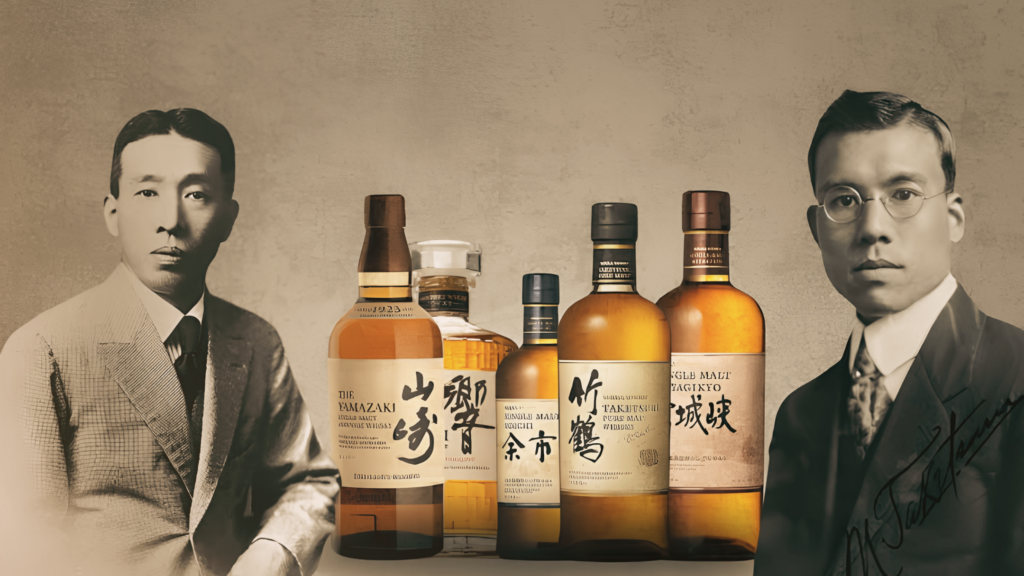
From Scotland to Japan: How Masataka Taketsuru Built a New Whisky Tradition
For centuries, Japan’s brewing heritage has centred on sake. Yet one man’s determination would change the country’s relationship with distilled spirits forever. Masataka Taketsuru did not simply introduce whisky to Japan. He studied its origins, understood its principles, and reimagined them for a completely different landscape. Learning Whisky at Its Source Born into a family […]
June 29, 2026
History
The Paris Judgement of Spirits: How Japanese Whisky Challenged Scotch Dominance
There was no single room in Paris where Japanese whisky defeated Scotch in one decisive afternoon. Unlike the famous 1976 wine tasting that placed California alongside France, whisky’s shift in hierarchy unfolded over several years, through blind tastings, international competitions, specialist publications, and a gradual shift in critical opinion. For much of the 1900s, Scotch whisky […]
June 11, 2026
Discovery and Education
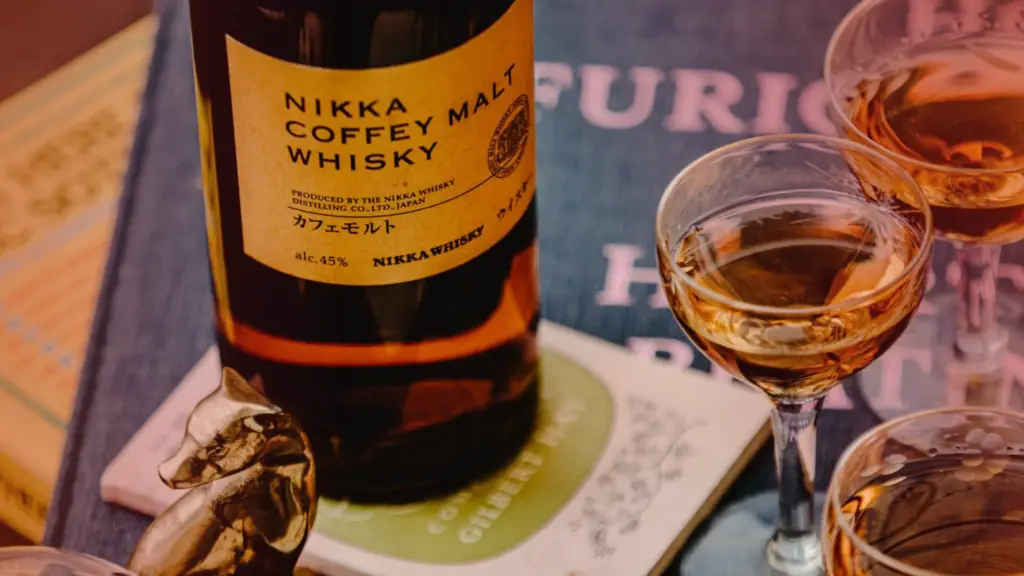
Nikka Coffey Malt and the Miyagikyo Experiment
In the wooded valley outside Sendai, Miyagikyo Distillery was founded in 1969 as the softer counterpoint to Yoichi Distillery, established in 1934. Both distilleries reflect the vision of Masataka Taketsuru, who studied distillation in Scotland in 1918 before shaping what would become Nikka Whisky. His philosophy was grounded in Scottish discipline but guided by adaptation […]
March 2, 2026