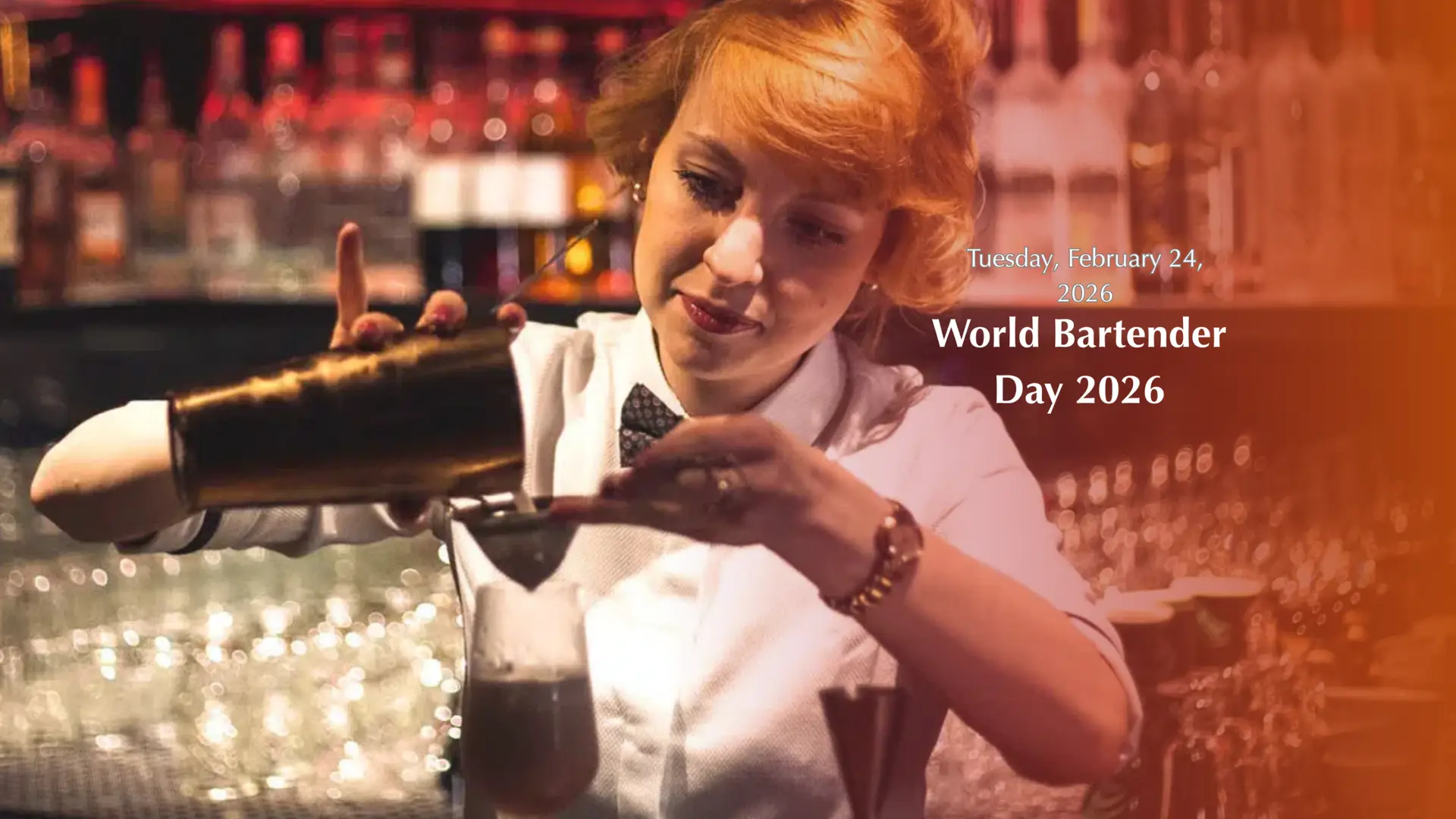
World Bartender Day 2026 is observed on Tuesday, February 24, 2026, honoring the professionals who shape global drinking culture through craft, hospitality, and technical discipline. While widely recognized within the bar community, the day has increasingly gained mainstream visibility as cocktail culture continues to expand across continents.
Bartending today extends far beyond mixing drinks. It is a profession rooted in history, shaped by migration, prohibition, culinary influence, and evolving service standards. World Bartender Day provides an opportunity to revisit that heritage while acknowledging the technical precision required behind the modern bar.
The Historical Roots of Bartending
The profession traces its formal identity to the nineteenth century, when American saloons and European cafés began professionalizing service roles. One of the most influential figures in cocktail history, Jerry Thomas, helped codify bartending as a craft with the publication of How to Mix Drinks in 1862. His work elevated bartenders from service staff to creative professionals, introducing standardized recipes and theatrical presentation.
The late nineteenth and early twentieth centuries saw bartending expand across Europe, particularly in London, Paris, and Havana. During Prohibition in the United States, many bartenders relocated internationally, spreading American cocktail techniques abroad. This migration helped establish the foundations of the modern cocktail bar.
Today, professional standards are often supported by organizations such as the International Bartenders Association, which promotes recipe standards, competitions, and educational initiatives worldwide.
The Modern Bartender
In 2026, bartending balances artistry with technical rigor. Contemporary professionals must understand:
- Spirit production methods
- Fermentation and distillation basics
- Flavor chemistry and balance
- Responsible alcohol service
- Hospitality psychology
The role has expanded to include menu development, inventory strategy, sustainability practices, and brand collaboration. Precision matters. Ice quality, dilution control, citrus freshness, and glassware selection all influence final perception.
World Bartender Day recognizes not only creative innovation but also the invisible labor behind consistency and service excellence.
How to Celebrate World Bartender Day 2026
Celebration can take multiple forms depending on whether you are a guest, a hospitality professional, or an industry brand.
Support Your Local Bar:
Visit a trusted establishment and order thoughtfully. Engage with the bartender about their menu philosophy or spirit selection. Appreciation begins with recognition.
Tip Generously and Responsibly:
Acknowledging the labor and expertise involved in service reinforces professional value.
Explore a Classic Cocktail:
Order a historically significant drink such as a Martini, Negroni, or Daiquiri. Understanding classics connects modern consumers to the roots of bartending.
Share Educational Content:
Use social platforms to highlight a favorite bartender, bar team, or industry mentor. Recognition amplifies professional respect.
Host a Structured Tasting:
For industry teams, World Bartender Day can be an opportunity for staff education. Conduct a guided tasting focusing on balance, technique, or a specific spirit category.
Why the Day Matters in 2026
Hospitality continues to evolve within economic, cultural, and technological shifts. Automated systems and digital ordering platforms have transformed service mechanics, yet the human element remains central. Bartenders interpret preferences, adapt tothe atmosphere, and mediate experience.
World Bartender Day emphasizes that cocktails are not solely about ingredients. They are about context, craftsmanship, and connection.
In 2026, the global bar scene reflects increased attention to sustainability, low and no alcohol options, and ingredient transparency. Bartenders are educators as much as they are mixologists, guiding guests through emerging categories while maintaining classical standards.
Barlist approaches World Bartender Day not as a marketing moment but as a professional recognition of discipline and heritage. From the codification of cocktail technique in the 19th century to today’s precision-driven bar programs, bartending remains a craft defined by balance, hospitality, and structural control. February 24, 2026, is an opportunity to acknowledge the individuals who transform spirits into shared experiences.
Bar
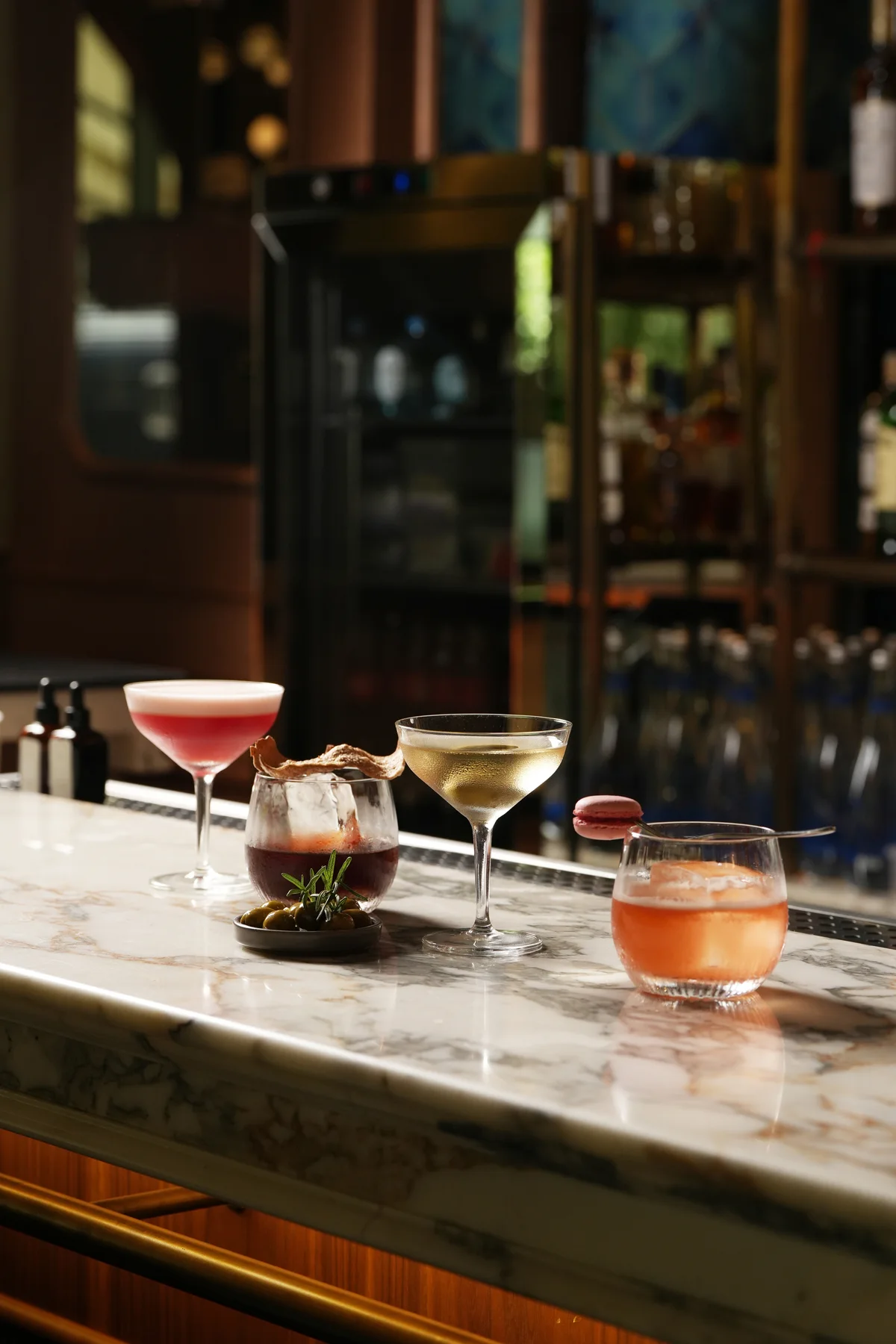
Jerry Thomas Bar Room, located at Via del Moro 10 in Rome, is the refined extension of the…
Bar
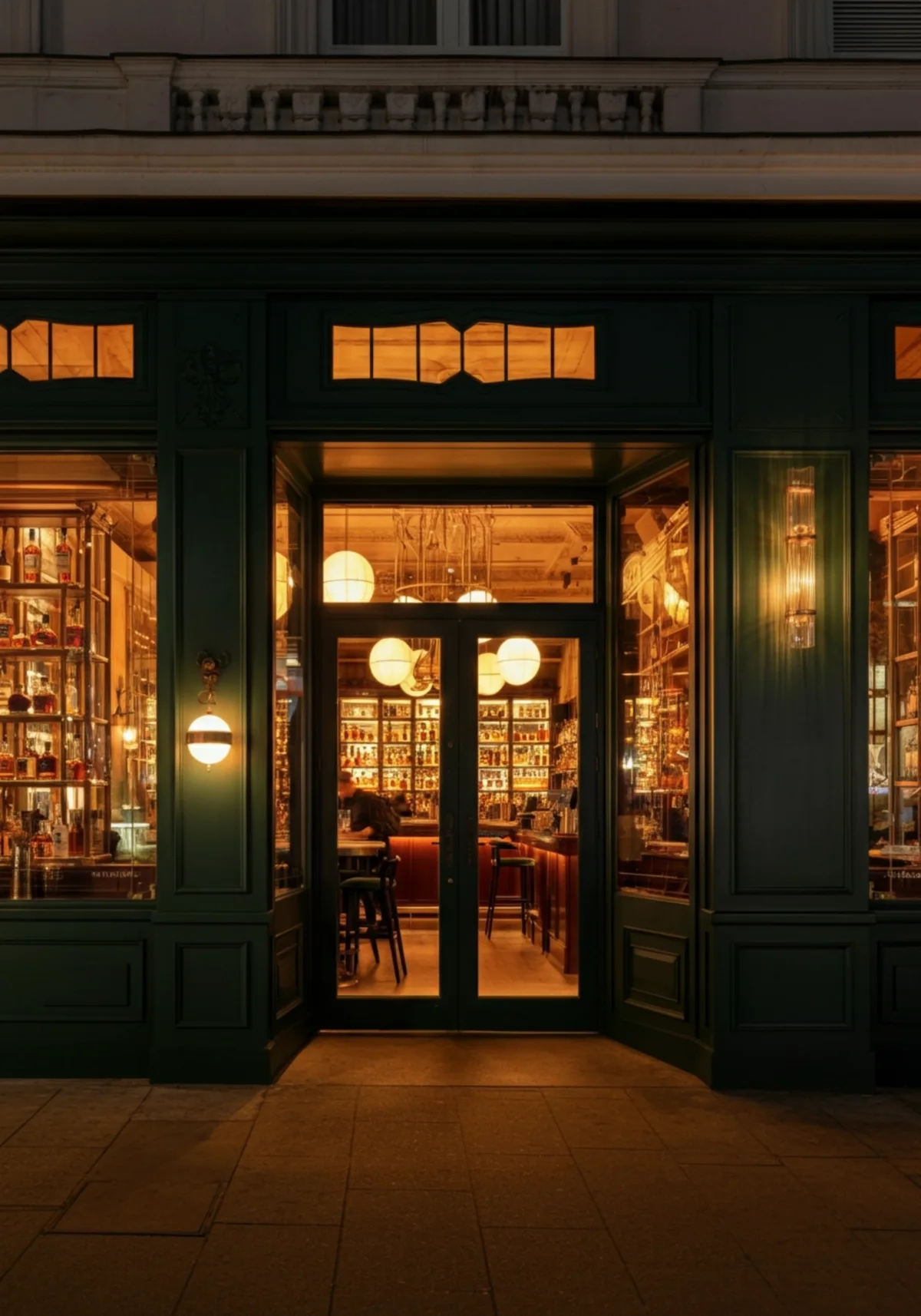
Jerry Thomas Speakeasy is a renowned cocktail bar tucked away in the heart of Rome, Italy. Named after…
Bars and Cocktails
Hospitality and Cocktail Culture: The Foundation of Bartending
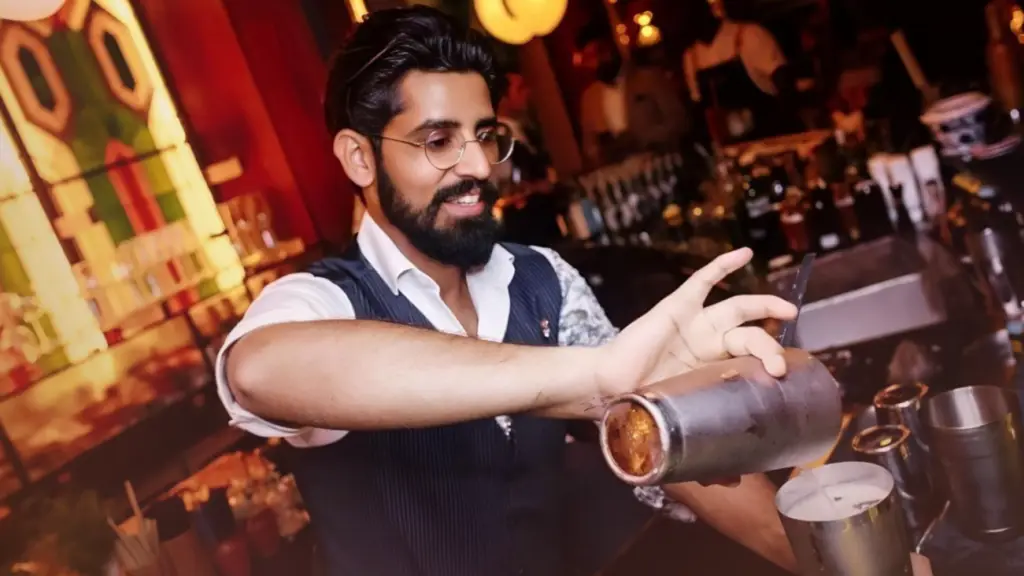
A well-made cocktail may earn attention, but hospitality determines the meaning of the exchange. It begins before an order is taken, in the way a guest is acknowledged, understood and given a place within the room. Bartending becomes hospitality when technical skill is directed towards another person rather than displayed for its own sake. Service […]
September 29, 2026
Community and Lifestyle
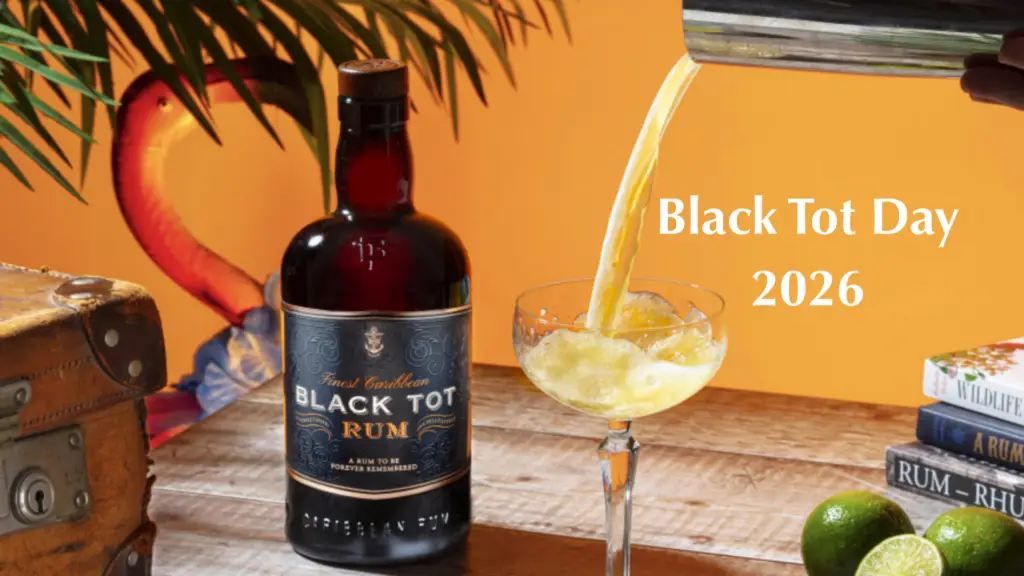
Black Tot Day 2026: Rum, Discipline, and the End of a Royal Navy Tradition
The Black Tot Day rum history begins with a contradiction at the heart of naval life. For centuries, rum was not simply a drink on Royal Navy ships. It was ration, reward, routine, social currency, disciplinary problem, imperial supply chain, and symbol of the lower deck. By the time the final daily tot was issued […]
July 31, 2026
Bars and Cocktails
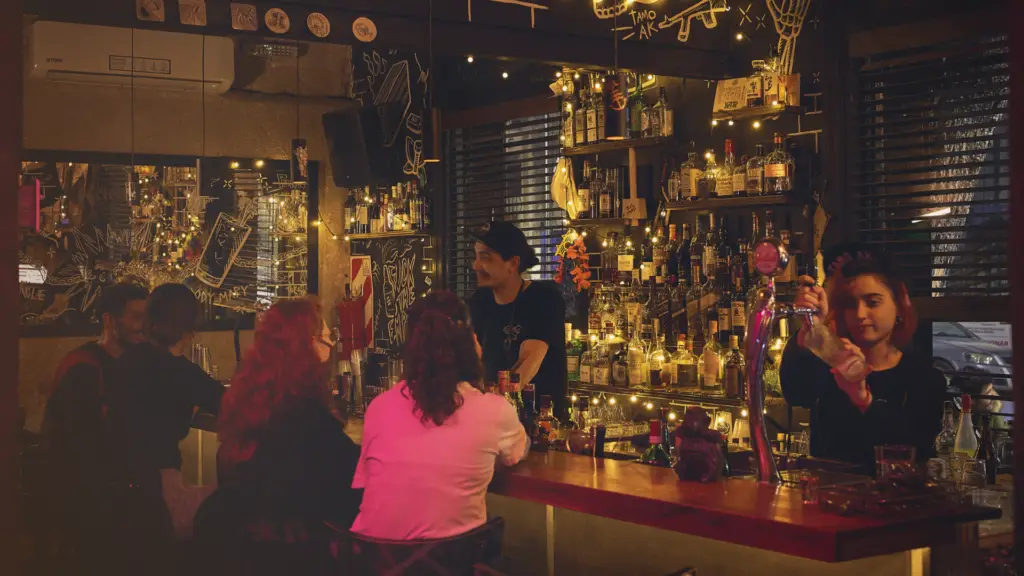
How Tres Monos Reframed the Negroni as an Argentine Cocktail Story
The Negroni has travelled further than most cocktails because it is easy to recognise but difficult to exhaust. Its structure is fixed enough to be remembered, yet open enough to be interpreted. That balance explains why bars across the world continue to return to it, not only as a drink, but as a framework for […]
July 22, 2026