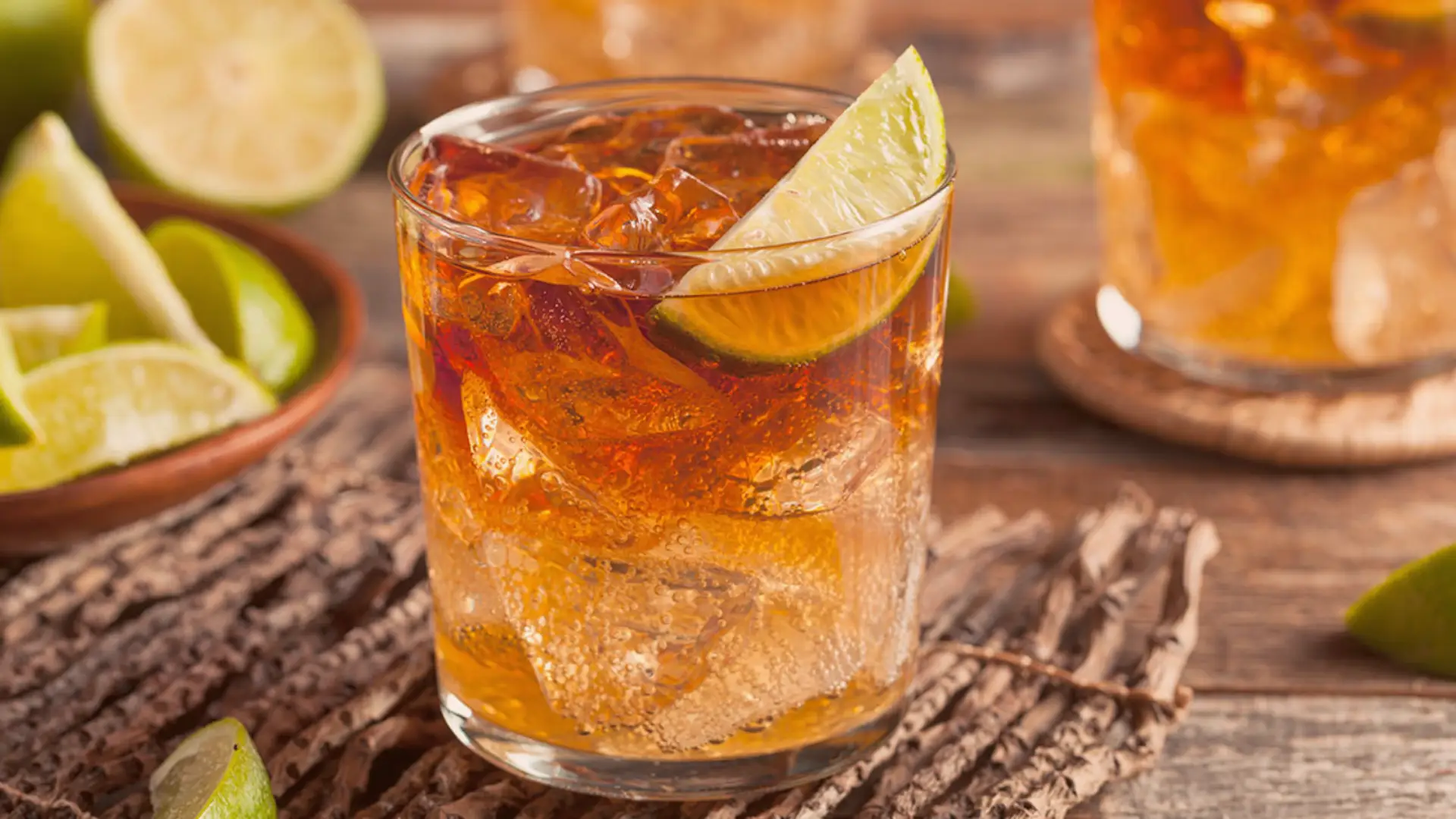
The idea of the best rum drink is inseparable from rum’s layered past and its remarkable ability to adapt across cultures. Rum developed along maritime routes, plantation economies and port cities where necessity shaped flavor and ingenuity shaped ritual. A truly great rum drink does not chase novelty. It reflects historical technique and balance while allowing rum’s character to remain visible at every stage.
Sugarcane Origins and the Birth of Rum Culture
Rum’s story begins with sugarcane cultivation in the Caribbean during the 17th century. By the 1650s, fermented byproducts such as molasses were being distilled into early rum in Barbados and Jamaica. These spirits were raw, powerful and unaged, designed for sailors, laborers and trade rather than refinement.
As rum spread through Atlantic commerce, it became embedded in daily life and celebration. Naval rations, colonial taverns and port cities all relied on rum as a practical spirit. This foundation matters because the best rum drink emerged from necessity and environment rather than luxury. Simplicity and structure were essential from the start.
Colonial Exchange and the Language of Versatility
Rum’s versatility developed through colonial exchange. English, French and Spanish influences shaped production styles and drinking customs. In English-influenced regions, heavier pot still rums dominated. French territories emphasized agricole rum made from fresh cane juice. Spanish-influenced regions pursued lighter column still profiles.
These distinctions allowed rum to perform across a wide range of drinks. Whether paired with citrus sugar or bitters, rum adapts without losing its identity. This adaptability explains why the best rum drink can feel both local and universal at the same time.
The Daiquiri and the Measure of Balance
Few drinks illustrate rum’s balance as clearly as the Daiquiri. Documented in Cuba by the 1890s, the Daiquiri combined rum, citrus and sugar into a structure that revealed rather than concealed the spirit. Its rise coincided with improved ice availability and refined rum production.
Bartenders and historians consistently view the Daiquiri as a benchmark because it exposes flaws immediately. Excess sweetness dulls the rum while imbalance overwhelms its character. The enduring reputation of the Daiquiri demonstrates how the best rum drink relies on restraint and clarity rather than complexity.
Tiki Culture and the Expansion of Rum Expression
Rum entered a new phase of versatility during the mid-20th century with the rise of tiki culture in the United States. Beginning in the 1930s, figures such as Donn Beach and Victor Bergeron created layered drinks inspired by Polynesian fantasy and Caribbean flavor.
While often misunderstood, tiki drinks required a deep understanding of rum styles. Blending multiple rums allowed bartenders to build structure, depth and aroma. This era demonstrated rum’s capacity to perform in complex compositions without losing coherence.
The success of tiki culture reinforced the idea that the best rum drink could be both intricate and balanced when grounded in knowledge.
Aged Rum and the Shift Toward Contemplation
As rum production matured, aged expressions gained prominence. Distilleries such as Mount Gay, founded in 1703, and Appleton Estate, with documented production dating back to 1749, refined aging and blending techniques. These rums introduced oak spice and texture that invited slower enjoyment.
Aged rum changed how rum drinks were perceived. Simpler serves that highlighted maturity became favored. This shift mirrors whisky culture, where aging commands respect. The best rum drink in this context often emphasizes transparency, allowing wood and spirit to speak without excess modification.
Modern Revival and Craft Discipline
The late 1990s and early 2000s marked a revival of classic cocktail culture. Bartenders revisited historical recipes and prioritized technique. Rum benefited greatly from this movement as its diversity was reexamined with seriousness.
Publications such as Food and Wine documented this renewed appreciation for rum’s range. Craft producers emphasized fermentation length, yeast selection, and transparency. Bartenders responded by choosing rum drinks that honored their origin rather than masking it.
Today, the best rum drink reflects discipline. It balances sweetness, acidity and alcohol while maintaining respect for rum’s base character.
Rum Drinks as Cultural Storytellers
Rum drinks carry cultural memory. In the Caribbean, rum marks celebration and resilience. In Cuba, it reflects simplicity and the climate. In Europe and North America, rum drinks evolved through imagination and adaptation.
This storytelling quality elevates certain drinks beyond popularity. A great rum drink becomes a vessel for place, time and people. The best rum drink succeeds because it communicates meaning through flavor without relying on excess.
Where Barlist Meets the Best Rum Drink
The enduring power of the best rum drink lies in its ability to express rum’s heritage while adapting to context. On Barlist, drinks are explored as cultural expressions shaped by history, technique, and human connection, rather than trends. By tracing rum drinks from their sugarcane origins to modern bars, Barlist connects readers to the deeper story behind a spirit whose versatility continues to define global cocktail culture.

Cocktail
The Daiquiri stands as one of the purest expressions of cocktail craft, celebrated for its elegance, simplicity, and…
Distillery
Mount Gay Distillery, renowned as the oldest running rum distillery in the world, has been the cornerstone of…
Spirit
Appleton Estate Hearts Collection 2002 Jamaica Rum
The Appleton Estate Hearts Collection 2002 Jamaica Rum is a distinguished expression from Jamaica’s renowned Appleton Estate distillery,…
Partnership
Don’s Special Daiquiri: How Donn Beach Redefined the Daiquiri in 1930s Hollywood
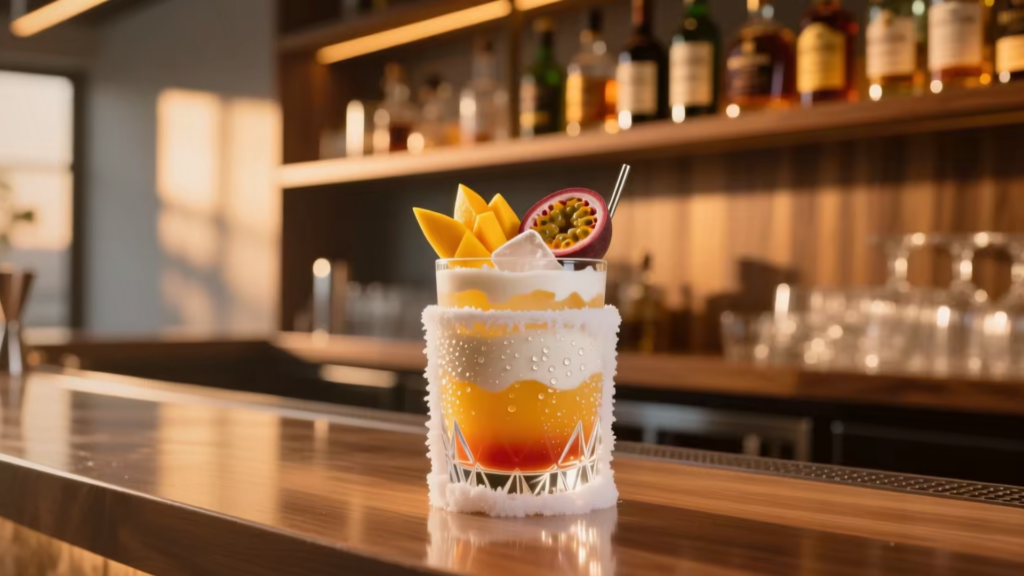
The classic Daiquiri, associated with Cuba in the late nineteenth and early twentieth centuries, is defined by restraint. Rum, fresh lime, and sugar create a precise equilibrium where each component is clearly legible. Donn Beach’s (known as Don’s Special Daiquiri)version begins with this structure but shifts its direction. Passion fruit introduces a broader tropical acidity, […]
August 6, 2026
Partnership
Dilution and the Hidden Structure of the Cocktail
Dilution begins as soon as ice and liquid exchange heat, but its importance extends far beyond the simple addition of water. It changes alcoholic strength, temperature, aroma, sweetness, bitterness and texture, helping separate ingredients become a coherent drink. Because the process is usually invisible, it can be mistaken for a side effect of chilling. In […]
August 4, 2026
Partnership
Alex Sánchez: Havana Doesn’t Teach You to Invent, It Teaches You to Hold the Line
In Havana, the environment Alex Sánchez came up in, cocktails are not rediscovered. They are remembered. Walk into El Floridita or La Bodeguita del Medio and you’re not entering a bar in the usual sense; you’re stepping into a system that has barely changed. The Daiquiri still follows its line. The Mojito still holds its […]
July 20, 2026