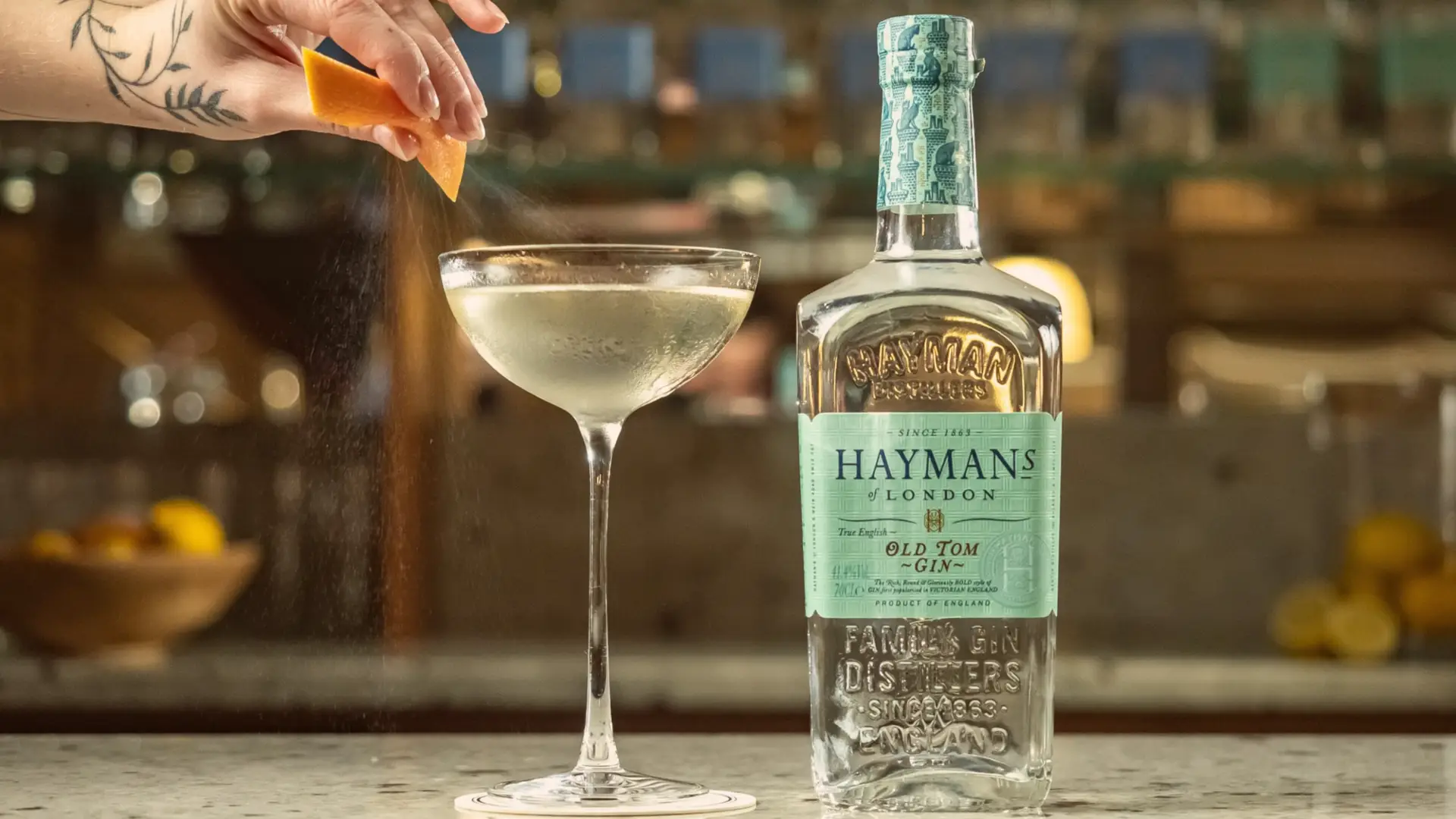
The search for the Best Gin for Martini is ultimately a pursuit of clarity rather than complexity. Few cocktails place such uncompromising focus on the base spirit. With minimal ingredients and precise technique, the Martini exposes every strength and weakness of the gin it contains. This makes the Martini not just a cocktail, but a historical test of balance, discipline, and distilling intent.
Early Origins of the Martini and the Role of Gin
The Martini’s lineage can be traced to the late 19th century, evolving from earlier drinks such as the Martinez, which appeared in cocktail literature during the 1880s. These early expressions often used Old Tom gin and sweet vermouth, reflecting the palate preferences of the era.
By the early 1900s, tastes shifted decisively toward dryness. London Dry gin replaced sweeter styles, and dry vermouth became the standard. This transformation coincided with changing social attitudes toward elegance and restraint. As a result, gin emerged as the defining element of the Martini, establishing the foundation for evaluating the Best Gin for Martini based on structure rather than sweetness.
Why Balance Defines the Best Gin for Martini
The Martini is an unforgiving composition. Dilution, temperature, and botanical clarity must align precisely. A gin lacking structure fades once chilled, while one with excessive botanical aggression overwhelms the drink.
Classic London Dry gins became benchmarks because of their disciplined botanical frameworks. Juniper remained dominant, citrus provided lift, and spice added depth without distortion. Distilleries such as Tanqueray, founded in 1830, and Beefeater, established in 1863, earned reputations for producing gins that retained identity even under extreme dilution.
The Best Gin for a Martini is therefore defined not by intensity but by how effortlessly it integrates with vermouth and temperature while maintaining clarity.
Tradition and the London Dry Standard
London Dry gin became the historical reference point for Martinis during the early 20th century. Despite the name, London Dry refers to a specific production method rather than a geographical origin. Botanicals must be distilled, added sugar is strictly limited, and juniper must remain the leading note.
These standards produced gins with precision and neutrality of sweetness, qualities essential for Martini construction. During Prohibition from 1920 to 1933, gin’s relative ease of production reinforced its dominance in cocktail culture, even as quality varied widely. After repeal, professionally distilled London Dry gins reclaimed authority, solidifying their place as the traditional answer to the Best Gin for Martini.
Technique Temperature and Dilution
Technique is inseparable from spirit choice when determining the Best Gin for a Martini. Proper dilution unlocks the aroma and softens the alcohol without erasing the structure. Excess dilution strips definition, while insufficient dilution leaves sharpness.
Historically, Martinis were stirred rather than shaken to preserve texture and clarity. Temperature control became a defining factor, with deeply chilled spirits enhancing balance and mouthfeel. These technical principles magnify the importance of gin quality, as flaws cannot be concealed.
A gin that performs consistently across controlled dilution and temperature shifts demonstrates the structural integrity required for an exemplary Martini.
Modern Craft Gin and Martini Compatibility
The revival of craft gin in the late 1990s and early 2000s introduced a wave of botanical experimentation. While this movement expanded gin’s expressive range, not all modern gins translate successfully into Martinis.
Highly floral or unconventional botanical profiles often disrupt the Martini’s equilibrium. However, some contemporary producers respect classic structure while introducing subtle regional nuance. These gins succeed by enhancing the Martini rather than redefining it.
Industry coverage from publications such as Food and Wine has noted that many leading bartenders continue to favor restrained botanical profiles for Martinis, reinforcing the enduring relevance of balance when selecting the Best Gin for Martini.
Vermouth Relationship and Gin Selection
Vermouth plays a critical supporting role in defining the Best Gin for Martini. A suitable gin must complement rather than compete with vermouth’s herbal acidity and softness.
Historical Martini ratios shifted dramatically over time. Early recipes often used near equal parts of gin and vermouth in the 1890s. By the mid-20th century, ratios became increasingly dry, sometimes bordering on symbolic vermouth use. This progression placed greater emphasis on gin quality, leaving it fully exposed in the glass.
This historical evolution explains why gins with juniper forward clarity and structural discipline continue to perform best in traditional Martinis.
Where Barlist Meets the Best Gin for Martini
The enduring appeal of the Best Gin for Martini lies in its honesty. The cocktail reveals the spirit without distraction and rewards understanding over excess. On Barlist, cocktails are explored through historical context, technical foundations, and cultural relevance rather than trends. By examining how balance tradition and technique shape the Martini, Barlist connects drinkers to the deeper story behind one of the world’s most exacting cocktails and the gins that define it.

Cocktail
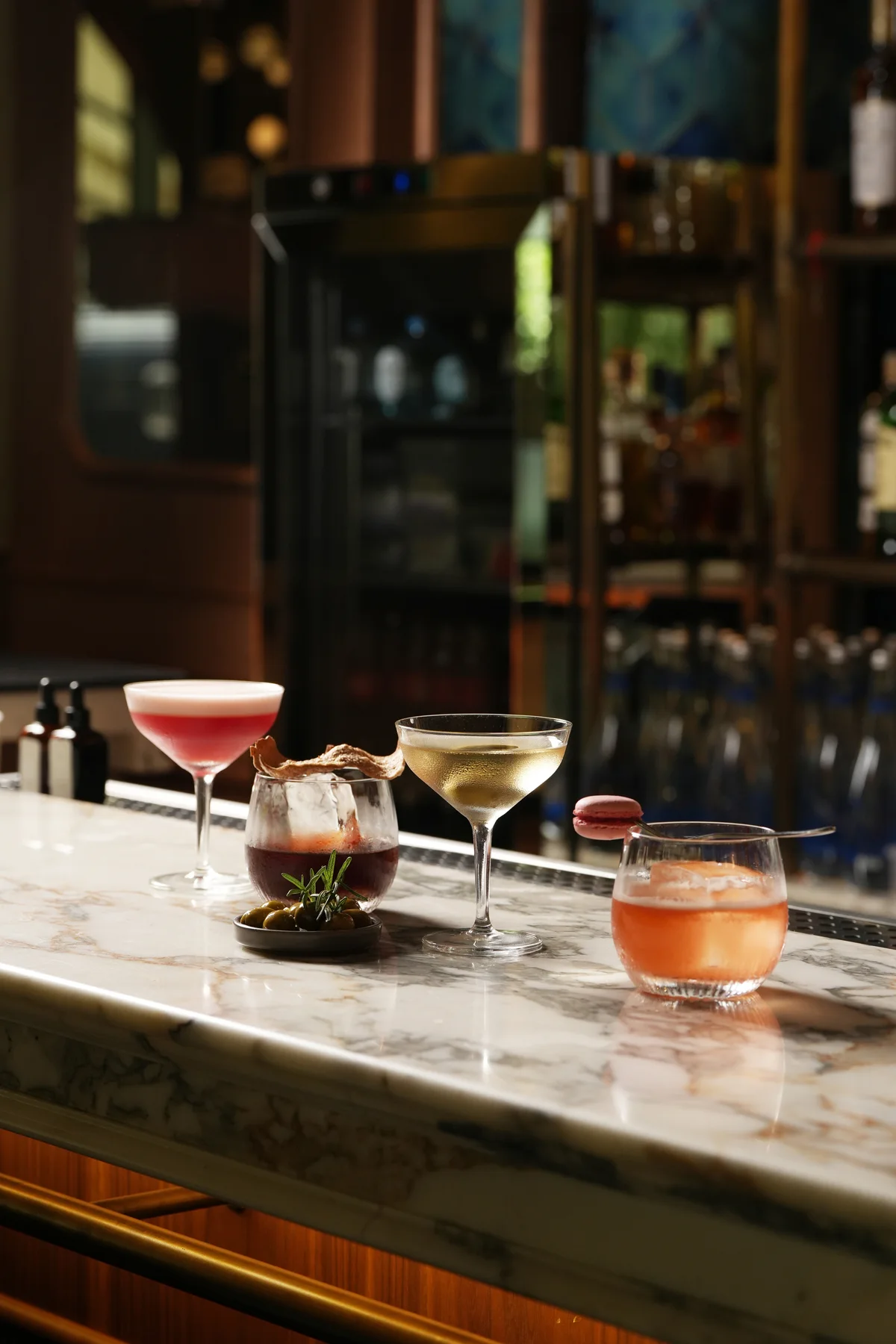
The Martini is perhaps the most iconic cocktail in the world, a symbol of elegance, sophistication, and modernity.…

Spirit
99 Grapes Liqueur is a vibrant American spirit that captures the essence of fresh grapes with a stunningly…
Spirit
Triple Dry Martini Spirits is a unique gin crafted to embody the spirit of a classic martini in…
Trending
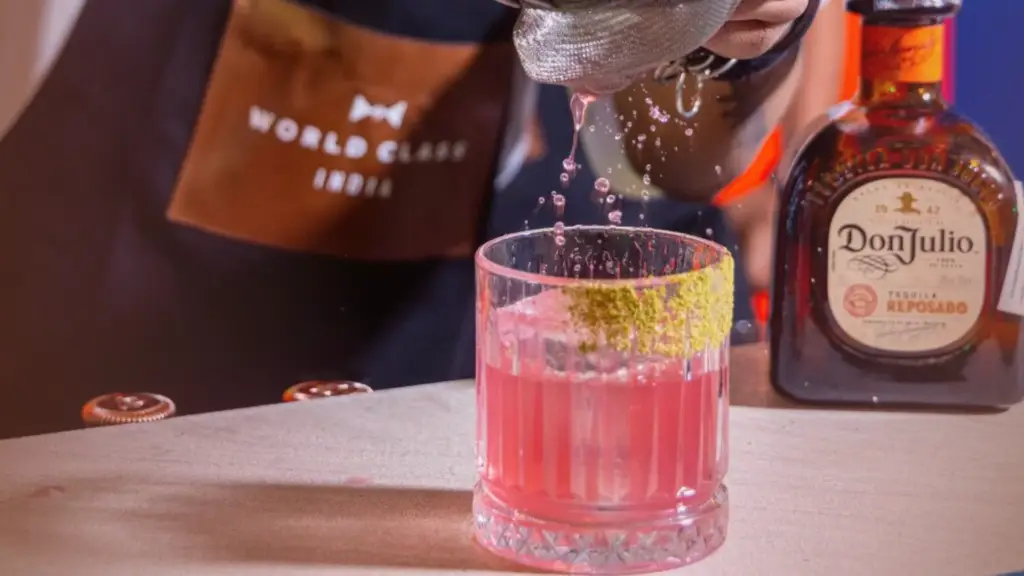
World Class 2026 and Dubai’s Rise as a Global Cocktail Culture Hub
From bartender competition to global industry platform The modern cocktail world has developed far beyond the traditional image of the bartender as a skilled server behind a bar. Over the past two decades, bartending has increasingly been recognised as a professional discipline built on technical knowledge, hospitality, creativity and a deeper understanding of spirits. Few […]
September 8, 2026
Partnership
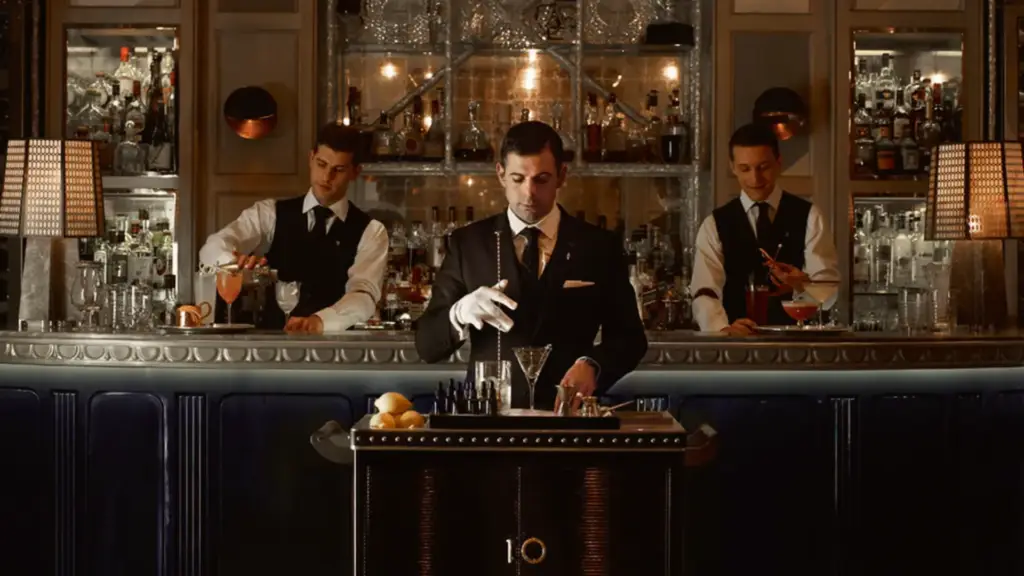
The Connaught Bar: Precision, Ritual, and the Martini That Set the Standard
Some bars are defined by their drinks. Others by their atmosphere. At Connaught Bar, it is service that holds everything together. Tucked within The Connaught in London, the bar has, over time, established itself as a reference point for what modern classic bartending can look like when precision and ritual are treated as inseparable. This […]
August 1, 2026

Partnership
Craft and the Discipline Behind Modern Bartending
Craft in bartending is sometimes presented as a recent movement, but the habits it describes are much older than the modern language surrounding them. Careful preparation, command of tools, responsible handling of ingredients and consistency during service have long distinguished serious bar work. Craft is therefore best understood not as a fashion or visual style, […]
July 21, 2026