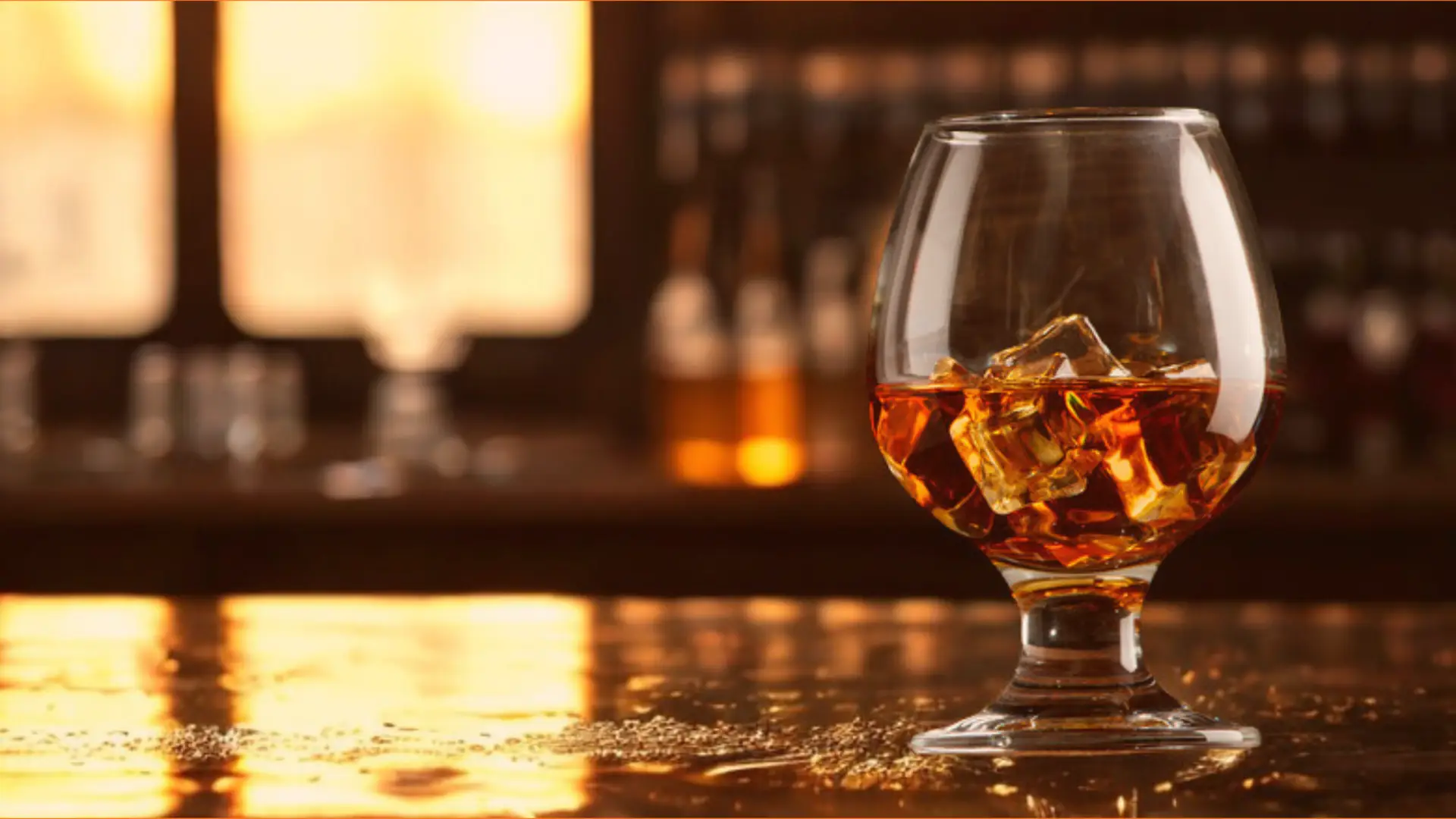
The idea of the best rum is shaped less by personal preference and more by historical production choices and cultural context. Rum is one of the world’s most geographically diverse spirits, yet its identity is anchored in a shared past tied to the sugar trade, colonial expansion, and maritime commerce. To understand how the best rum is defined today, one must trace its evolution from raw distillate to a spirit of global influence shaped by place and method.
Early Origins of Rum and the Sugar Trade
Rum’s documented history begins in the Caribbean during the 17th century as sugarcane cultivation expanded under European colonial powers. By the 1650s, distillation of fermented sugar byproducts such as molasses was already common in Barbados and Jamaica. These early rums were rustic, powerful, and unaged, designed for immediate consumption by sailors, laborers, and traders.
By the late 1600s, rum had become integral to Atlantic trade, linking the Caribbean, Europe, and North America. Its role in naval provisioning and commerce helped standardize production and spread rum culture globally. Historical records preserved by institutions such as the Smithsonian document rum’s early economic importance and its influence on colonial societies.
Production Methods That Define Quality
At its core, the best rum is defined by production choices beginning with raw material. Rum can be made from molasses, fresh sugarcane juice, or cane syrup. Each base produces a distinct character. Molasses-based rums have historically while cane juice rums have developed a strong regional identity in places such as Martinique.
Fermentation length and yeast selection play a critical role. Longer fermentations common in Jamaica produce high ester rums known for intensity and complexity. Shorter fermentations create lighter profiles favored in Spanish-influenced regions. The distillation method further shapes style with pot stills producing heavier aromatic rums and column stills creating lighter cleaner spirits.
Regulatory frameworks such as the Appellation d’Origine Contrôlée in Martinique, established in 1996, formalized standards for agricole rum, setting benchmarks for quality and origin. These systems illustrate how the best rum is often defined through controlled production rather than marketing claims.
Aging Climate and the Role of Time
Aging is one of the most misunderstood factors in defining the best rum. Unlike whisky, rum ages in tropical climates where evaporation rates can exceed 6 percent annually. This accelerates interaction between spirit and wood but also limits long aging potential.
Barrel selection often reused bourbon casks contributes vanilla spice and structure, while some producers experiment with wine or cognac casks. The balance between age and freshness is critical. Older is not always better in rum, as excessive tropical aging can lead to over-extraction.
Distilleries such as Mount Gay, founded in 1703, and Appleton Estate, with documented production dating to 1749, demonstrate how controlled aging and blending define quality over simple age statements.
Colonial Legacy and Regional Styles
The concept of the best rum cannot be separated from colonial history. Linguistic and political influences shaped regional styles still recognized today. English-influenced regions such as Jamaica and Barbados favored pot still production and robust profiles. Spanish-influenced territories like Cuba and Puerto Rico developed lighter column still rums. French-influenced regions emphasized agricole rum made from fresh cane juice.
These distinctions are not aesthetic alone but reflect historical access to technology trade routes and taxation. Understanding these regional identities is essential when evaluating rum quality beyond surface characteristics.
Global Expansion and Modern Recognition
During the 20th century, rum expanded beyond colonial markets. Cuban rum gained international recognition before 1959, while Puerto Rican rum became dominant in the United States after Prohibition. Brands scaled production and refined blending techniques to meet global demand.
In recent decades, premiumization reshaped rum’s image. Independent bottlers, craft producers, and heritage distilleries emphasized transparency, fermentation, and provenance. Publications such as Forbes have highlighted rum’s shift from mixing spirit to a collectible category, reflecting renewed respect for craftsmanship.
Competitions and judging bodies began awarding rums based on balance, complexity, and production integrity rather than sweetness or brand size. This evolution helped redefine what qualifies as the best rum in contemporary terms.
Rum Culture Beyond the Bottle
The influence of the best rum extends beyond production into culture. Rum-shaped naval traditions, Caribbean music, and cocktail history. Drinks such as the Daiquiri, first recorded in Cuba in the 1890s, and the Mai Tai, created in 1944 in California, reflect rum’s adaptability and cultural reach.
Rum also plays a role in national identity, particularly in Caribbean nations, where distilleries are economic and cultural landmarks. Festivals, distillery tours, and education initiatives preserve rum heritage while introducing new audiences to its complexity.
Where Barlist Meets the Story of the Best Rum
Defining the best rum requires looking beyond rankings and labels to understand the historical method and cultural impact. On Barlist rum is explored through its origins, production philosophy, and global journey rather than trends alone. By connecting distilleries’ styles and historical context, Barlist reveals how rum earned its place as one of the world’s most expressive spirits and why its best expressions are defined by integrity rather than excess.

Distillery
Appleton Estate, crafted in the heart of Jamaica, represents the pinnacle of authentic Jamaican rum production. Renowned for…
Distillery
Mount Gay Distillery, renowned as the oldest running rum distillery in the world, has been the cornerstone of…
Spirit
Appleton Estate Hearts Collection 1993 Jamaican Rum
Appleton Estate Hearts Collection 1993 Jamaican Rum is a remarkable expression that showcases the superior craftsmanship and rich…
Spirit
Berry Bros. & Rudd Finest Demerara Rum
Berry Bros. & Rudd Finest Demerara Rum embodies a heritage of craftsmanship and refinement that is synonymous with…
Distilleries & Producers
Women in Spirits History: 7 Women Who Changed the World of Spirits
Spirits’ history is often framed as a lineage of male founders and master distillers. This narrative obscures a more accurate reality. Across categories and centuries, women shaped spirits through ownership, legal stewardship, technical decision-making, and long-term preservation of production systems. Their influence was rarely performative. It was structural. In moments of instability, women often became […]
March 10, 2026
Discovery and Education
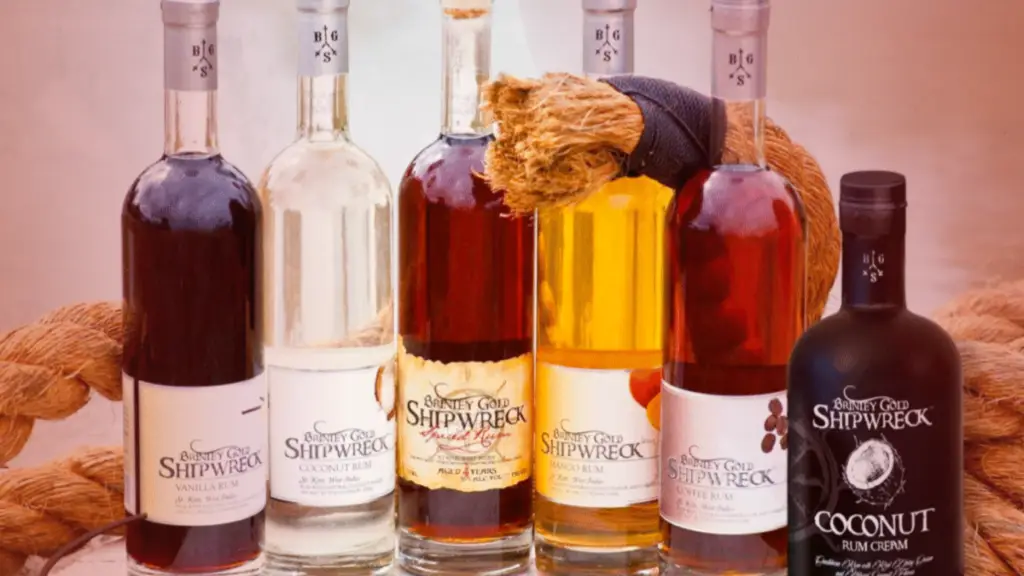
Shipwreck Rum: When the Ocean Became a Rum Cellar
For more than three centuries, rum moved across the Atlantic in wooden hulls bound for Europe and the Americas. Barrels left the Caribbean from islands such as Jamaica and Barbados, produced at estates like Mount Gay Distilleries, founded in 1703, and later at houses such as Appleton Estate, established in 1749. Many of those shipments […]
March 2, 2026
History
Cachaça and the Spirit That Refused to Be Silenced
Long before it became the foundation of the Caipirinha, Cachaça was born under oppression. In sixteenth-century Brazil, enslaved Africans working on Portuguese sugar plantations observed something their captors overlooked. The foam skimmed from boiling sugarcane juice fermented naturally. Distilled quietly and shared in secrecy, it became one of the earliest forms of what we now […]
March 2, 2026