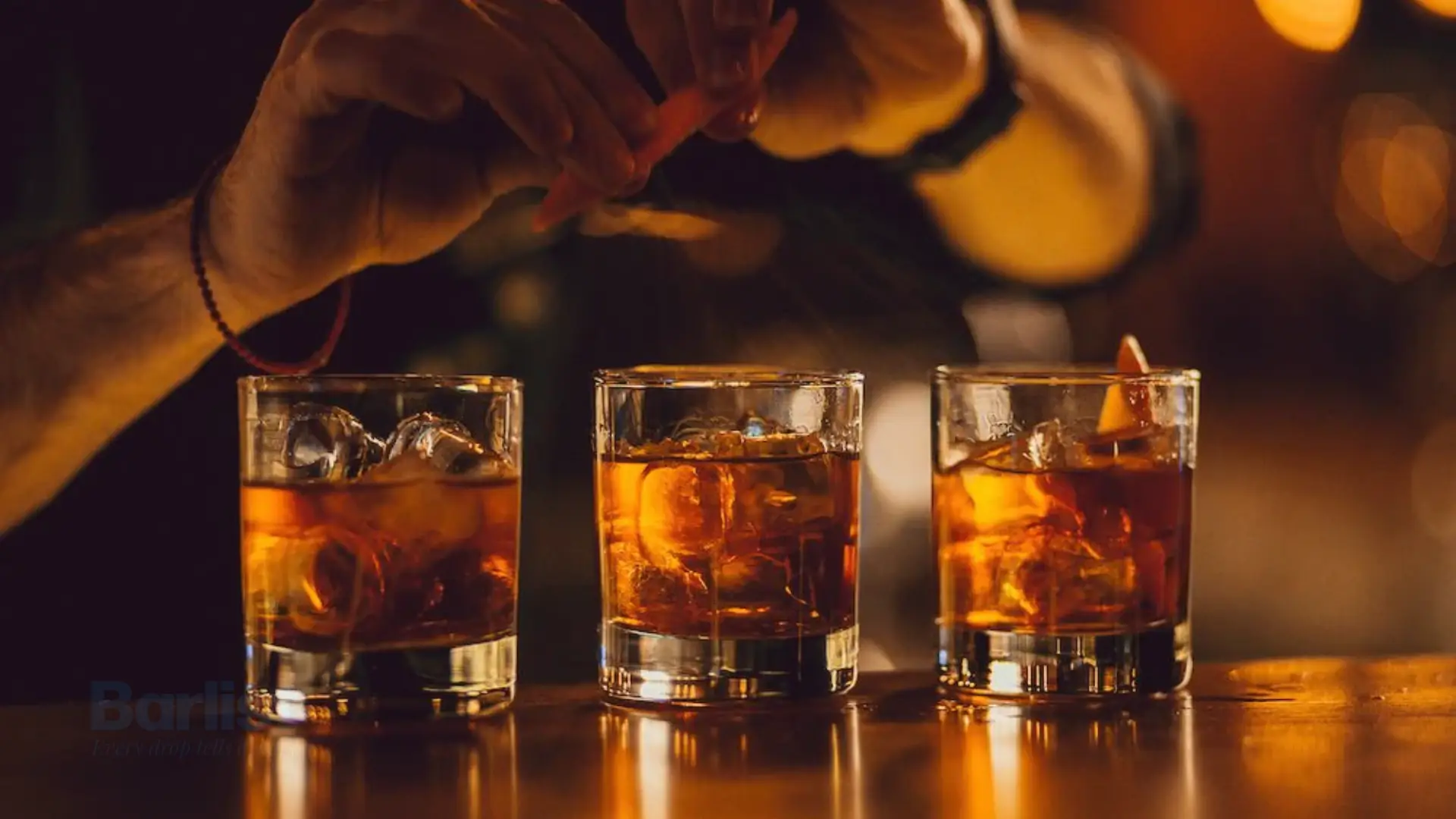
Few spirits carry a history as diverse and culturally layered as Rum. Born from sugarcane and shaped by geography, language, and colonial trade, it has developed into a family of styles that share one soul but speak in different tongues. Across centuries and oceans, the names Rum, Rhum, and Ron have come to represent unique expressions of heritage. Together, they tell the story of how the world’s most storied sugarcane spirit found its identity.
The Origins of Rum
The story of Rum begins in the early seventeenth century, when sugarcane plantations spread across the Caribbean. Distillation arrived in the islands around 1640, following the migration of techniques from Portuguese Brazil. Workers on plantations discovered that the molasses left from sugar production could be fermented and distilled into a potent spirit. The first written record of Rum appeared in 1651 on the island of Barbados, where it was described as a drink “the chief fuddling liquor of the island.”
By the eighteenth century, Rum had become central to colonial economies. It powered trade between the Caribbean, Africa, and North America and became an integral part of daily life for sailors and settlers. Each island developed its own approach, reflecting variations in climate, cane type, and technique. These regional distinctions laid the groundwork for the linguistic differences that later emerged.
Rhum and the French Caribbean
The term Rhum is the French interpretation of the spirit, and its character reflects the refinement of French distilling culture. French producers established themselves primarily in the Caribbean islands of Martinique and Guadeloupe during the seventeenth century. Unlike many English colonies that used molasses, the French developed Rhum Agricole, made from fresh sugarcane juice.
This method, still practiced today, produces a more vegetal and aromatic spirit. The flavor captures the freshness of cane rather than the heavier sweetness of molasses. In Martinique, the tradition was protected by law in 1996, when the island earned the Appellation d’Origine Contrôlée (AOC) designation. It remains the only region in the world where rum production follows such strict agricultural and geographic standards.
Through the centuries, Rhum Agricole has come to embody the French commitment to terroir and craftsmanship. Each distillery expresses its own character, shaped by volcanic soil, tropical rain, and heritage of the French West Indies.
Ron and the Spanish Legacy
The word Ron reflects the Spanish-speaking heritage of Latin America. Its story began as early as the 1650s, when sugarcane distillation spread from the Caribbean into Central and South America under Spanish influence. Spanish producers favored column distillation, which allowed for a lighter, cleaner, and more refined spirit.
Today, Ron represents the smooth elegance of the Hispanic style, with leading examples coming from Cuba, Puerto Rico, Venezuela, Panama, and Guatemala. Distilleries such as Havana Club, founded in 1934, and Ron Zacapa, established in 1976, have carried these traditions into the modern age. The style often emphasizes long aging in oak barrels, producing warm notes of caramel, vanilla, and dried fruit.
This delicate and balanced character made Ron the foundation for many classic cocktails that defined the twentieth century, from the Daiquiri to the Cuba Libre. While lighter in profile, its elegance and precision reflect a history of technical mastery inherited from Spain’s approach to distilling and aging.
Rum and the English Caribbean
In contrast, the English-speaking Caribbean developed a robust and full-bodied style that remains synonymous with the word Rum. Islands such as Barbados, Jamaica, and Trinidad became powerhouses of production under British colonial rule. Distillers relied on pot stills, a method that preserved rich flavor compounds, resulting in bold, aromatic spirits with layers of tropical fruit and spice.
Mount Gay Distillery in Barbados, founded in 1703, is often recognized as the world’s oldest commercial rum producer. Jamaican producers like Appleton Estate, dating back to 1749, helped define the intensity and complexity that continues to characterize traditional Rum. This version of the spirit became the backbone of maritime culture, fueling trade, and inspiring the famed British Navy rum ration that lasted until 1970.
One Spirit with Many Names
Though the words Rum, Rhum, and Ron differ by language, their meaning is universal. Each reflects its origin’s history, from the agricultural refinement of France to the technical precision of Spain and the bold tradition of Britain. The distinctions are linguistic, yet together they form a single story of global craftsmanship.
Every sip carries echoes of colonization, innovation, and resilience. What began as a byproduct of sugar has become one of the world’s most expressive spirits, a symbol of culture and continuity across centuries.
Where Barlist Meets the Spirit of the Caribbean
For the Barlist community, the study of Rum’s many identities offers a deeper appreciation of history and geography. Understanding these differences is to understand how culture shapes craft. From Martinique’s cane fields to Jamaica’s pot stills and Guatemala’s mountain warehouses, Rum continues to remind the world that one spirit can hold many voices, all united by heritage.

Distillery
Appleton Estate, crafted in the heart of Jamaica, represents the pinnacle of authentic Jamaican rum production. Renowned for…
Distillery
Mount Gay Distillery, renowned as the oldest running rum distillery in the world, has been the cornerstone of…
Spirit
Appleton Estate Journey 23 YO Rum
Appleton Estate Journey 23-Year-Old Rum is an exemplary spirit, embodying the mastery of Jamaican rum-making tradition. Crafted at…
Spirit
Mount Gay 1703 Master Select Barbados Rum
Mount Gay 1703 Master Select Rum represents the pinnacle of rum craftsmanship from Mount Gay Distillery, the oldest…
Spirit
Appleton 51-Year-Old Jamaica Rum, known as The Source, marks a monumental achievement in the world of spirits as…
Distilleries & Producers
Women in Spirits History: 7 Women Who Changed the World of Spirits
Spirits’ history is often framed as a lineage of male founders and master distillers. This narrative obscures a more accurate reality. Across categories and centuries, women shaped spirits through ownership, legal stewardship, technical decision-making, and long-term preservation of production systems. Their influence was rarely performative. It was structural. In moments of instability, women often became […]
March 10, 2026
Discovery and Education
Shipwreck Rum: When the Ocean Became a Rum Cellar
For more than three centuries, rum moved across the Atlantic in wooden hulls bound for Europe and the Americas. Barrels left the Caribbean from islands such as Jamaica and Barbados, produced at estates like Mount Gay Distilleries, founded in 1703, and later at houses such as Appleton Estate, established in 1749. Many of those shipments […]
March 2, 2026
History
Cachaça and the Spirit That Refused to Be Silenced
Long before it became the foundation of the Caipirinha, Cachaça was born under oppression. In sixteenth-century Brazil, enslaved Africans working on Portuguese sugar plantations observed something their captors overlooked. The foam skimmed from boiling sugarcane juice fermented naturally. Distilled quietly and shared in secrecy, it became one of the earliest forms of what we now […]
March 2, 2026