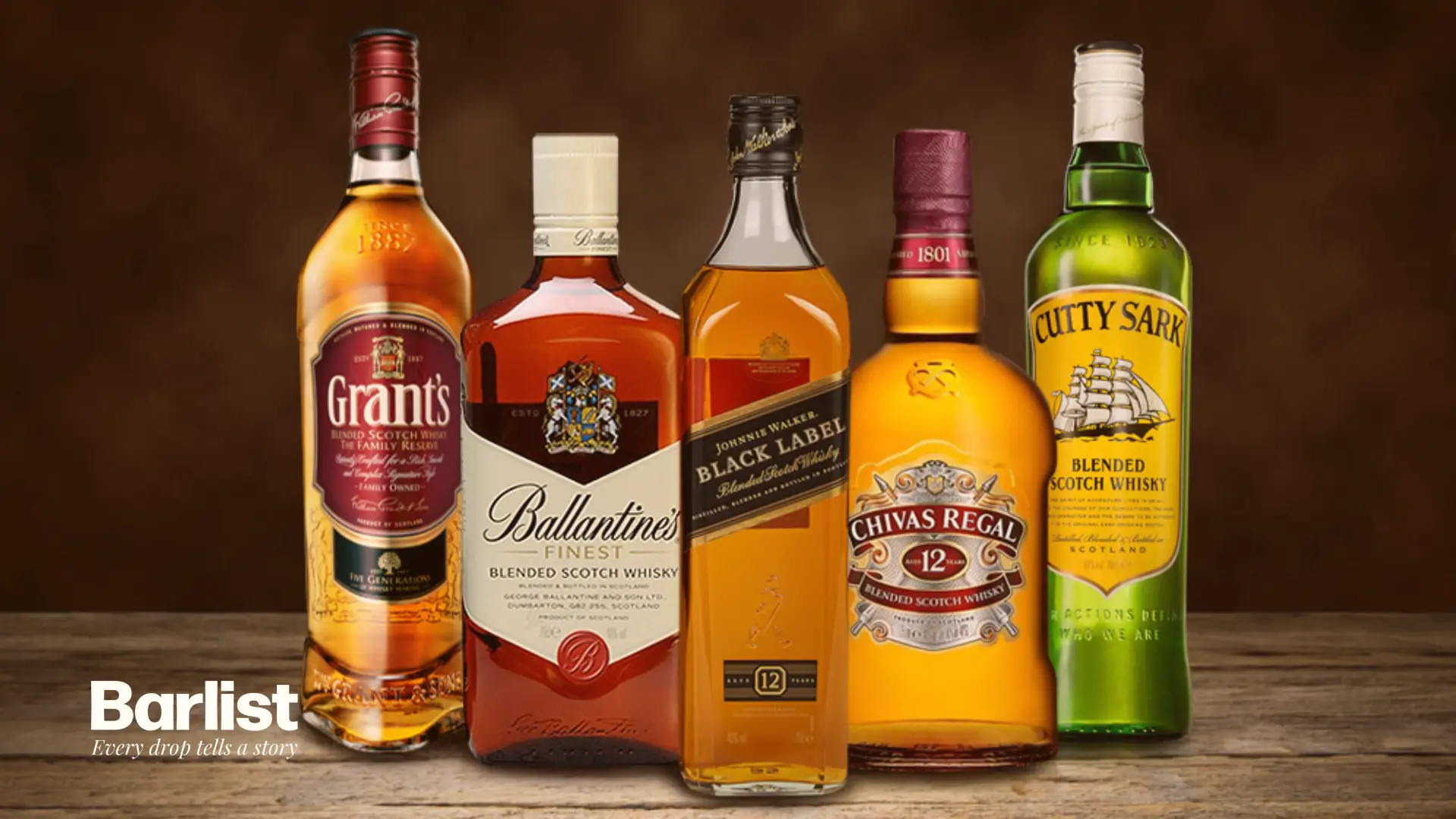
Long before single malts captured global attention, scotch whisky blend quietly shaped how whisky was understood, enjoyed, and shared across continents. Its story runs parallel to the rise of modern whisky culture, bringing balance, accessibility, and consistency to a spirit that once varied dramatically from cask to cask. To understand whisky as a global language rather than a regional tradition, one must begin with blended Scotch, a journey documented through Barlist’s growing whisky education archive.
The Origins of Scotch Whisky Blend in Industrial Scotland
The foundations of scotch whisky blend were laid in early nineteenth century Scotland during a period of industrial transformation. The introduction of continuous distillation through the Coffey still in 1831 enabled the production of lighter grain whisky at scale, a development recognized by the Scotch Whisky Association as a turning point in Scotch production. This innovation allowed whisky to be produced more consistently, making blending not only possible but essential.
Visionary figures such as Andrew Usher, often credited with pioneering commercial blending, recognized that combining grain whisky with character driven malts could create a reliable and approachable style. By the mid nineteenth century, blended Scotch had evolved from experimental practice into a commercial force, forming the backbone of whisky exports, a transition preserved within the historical collections of National Museums Scotland.
Craftsmanship Behind the Scotch Whisky Blend
At its core, scotch whisky blend is defined by balance, control, and sensory precision. A single blend may contain dozens of individual malt and grain whiskies drawn from regions such as Speyside, the Highlands, Islay, and the Lowlands, each contributing distinct structure and aroma. These regional identities are explored in depth through Barlist’s distillery index, which maps the diversity behind every blend.
Central to this process is the master blender, whose role combines technical knowledge with sensory intuition. Iconic blended whiskies such as Johnnie Walker and Chivas Regal owe their enduring flavor to generations of master blenders refining and protecting their house recipes, while brands like Dewar’s demonstrated how blending could achieve both scale and elegance. Their blending rooms became spaces where heritage and innovation were carefully preserved.
Scotch Whisky Blend and the Expansion of Global Whisky Culture
The worldwide influence of scotch whisky blend reshaped drinking culture far beyond Scotland. By the late nineteenth century, blended Scotch dominated export markets across Europe, North America, and Asia, becoming the most recognizable whisky style internationally. Its versatility made it suitable for formal dining, casual enjoyment, and early cocktail traditions, a cultural shift frequently explored in spirits reporting by Food and Wine.
During American Prohibition from 1920 to 1933, blended Scotch retained prestige through diplomatic and luxury channels, reinforcing its refined reputation, a period often examined in historical spirits coverage by Forbes. Following the Second World War, blended Scotch became synonymous with celebration, business culture, and global lifestyle identity.
Cultural Identity and the Enduring Appeal of Blended Scotch
Despite evolving consumer trends, scotch whisky blend remains deeply embedded in cultural rituals worldwide. In Japan, Scotch blending philosophy directly influenced the foundations of Japanese whisky, with producers like Suntory openly acknowledging Scottish training and methodology. In markets such as India and parts of Africa, blended Scotch became a benchmark for hospitality and quality.
This longevity is driven not by nostalgia but by adaptability. Modern blends emphasize transparency, provenance, and cask selection, aligning with contemporary values while preserving balance. Recognition from institutions such as the World Whiskies Awards confirms that blended whisky craftsmanship continues to evolve with credibility and purpose.
The Modern Renaissance of Scotch Whisky Blend
In recent decades, scotch whisky blend has entered a renewed phase of appreciation. Producers now focus on sustainability, long term stock management, and blender led storytelling. Competitions such as the International Spirits Challenge increasingly recognize blends alongside single malts, reinforcing their technical and artistic merit.
Consumers are rediscovering blends not as compromises but as deliberate expressions of harmony. In an era that values both complexity and approachability, blended Scotch continues to demonstrate why it remains central to whisky culture worldwide.
Where Barlist Meets the Story of Scotch Whisky Blend
The legacy of scotch whisky blend reflects a broader truth about whisky itself. It is a spirit shaped by people, process, and patience rather than singularity. On Barlist, this story lives alongside distilleries, producers, and cultural narratives that define the whisky world. By exploring blends through their origins, craftsmanship, and global influence, Barlist connects drinkers to the spirit that quietly built whisky culture as we know it.

Distillery
Strathisla Distillery & Home of Chivas
Strathisla Distillery, nestled in the iconic Speyside region of Scotland, stands as a pillar of tradition and craftsmanship…
Distillery
Dewar's, officially known as John Dewar's & Sons, is a distinguished Scottish whisky producer renowned for its exceptional…
Spirit
Dewar's Signature Blended Scotch Whiskey
Dewar's Signature Blended Scotch Whiskey represents the pinnacle of blending craftsmanship honed over more than 150 years of…
History
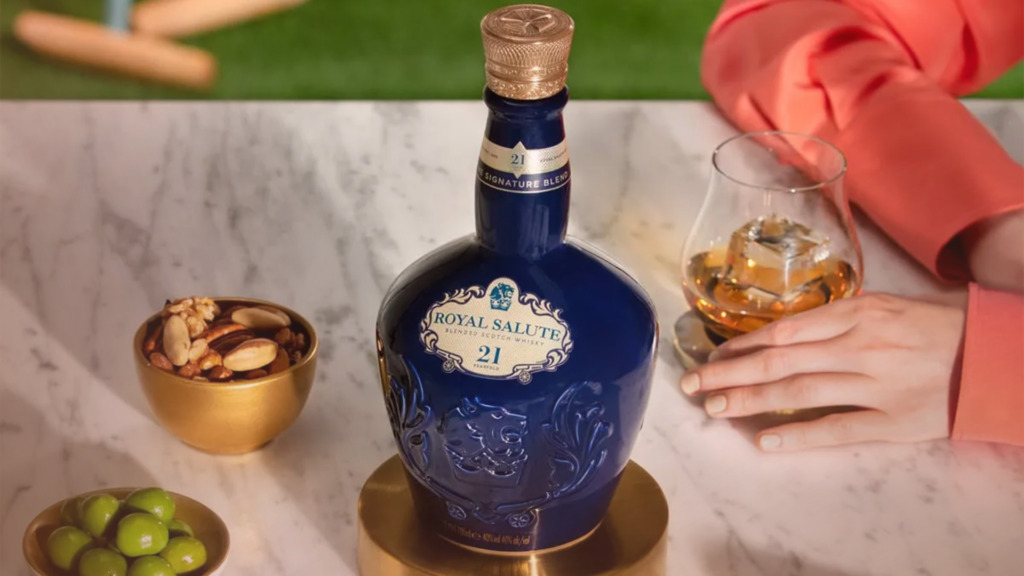
Royal Salute 21-Year-Old: A Celebration Born from Royal Tradition
Some whiskies acquire ceremony around them after decades of reputation. Royal Salute 21-Year-Old began with ceremony already embedded in its identity. The blended Scotch was launched in 1953 in connection with the Coronation of Queen Elizabeth II, held at Westminster Abbey on 2 June that year. The occasion reached an audience unprecedented for a British […]
September 11, 2026
Distilleries & Producers
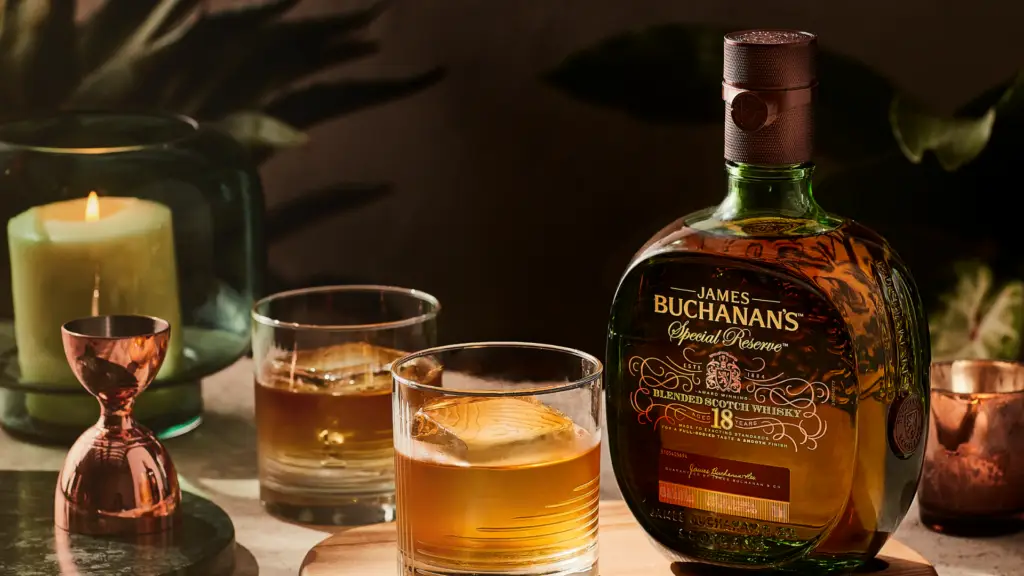
James Buchanan & Co: The Blending House That Turned Scotch into a Modern Brand
The history of James Buchanan & Co belongs to a crucial moment in Scotch whisky’s transformation. In the late nineteenth century, Scotch was no longer only a regional spirit sold through merchants, casks, clubs, hotels, and local trade. It was becoming a bottled product with labels, reputation, visual memory, and commercial reach. The whisky itself […]
July 11, 2026
Discovery and Education
The 1909 Royal Commission and the Battle over Malt, Grain, and Blending
By the beginning of the 1900s, Britain and Ireland were producing whisky on an industrial scale, exporting it across an expanding commercial world and presenting it as a drink rooted in tradition. Yet the industry could not agree on a basic question. What, legally and culturally, was whisky? For pot still distillers, particularly those defending […]
June 27, 2026