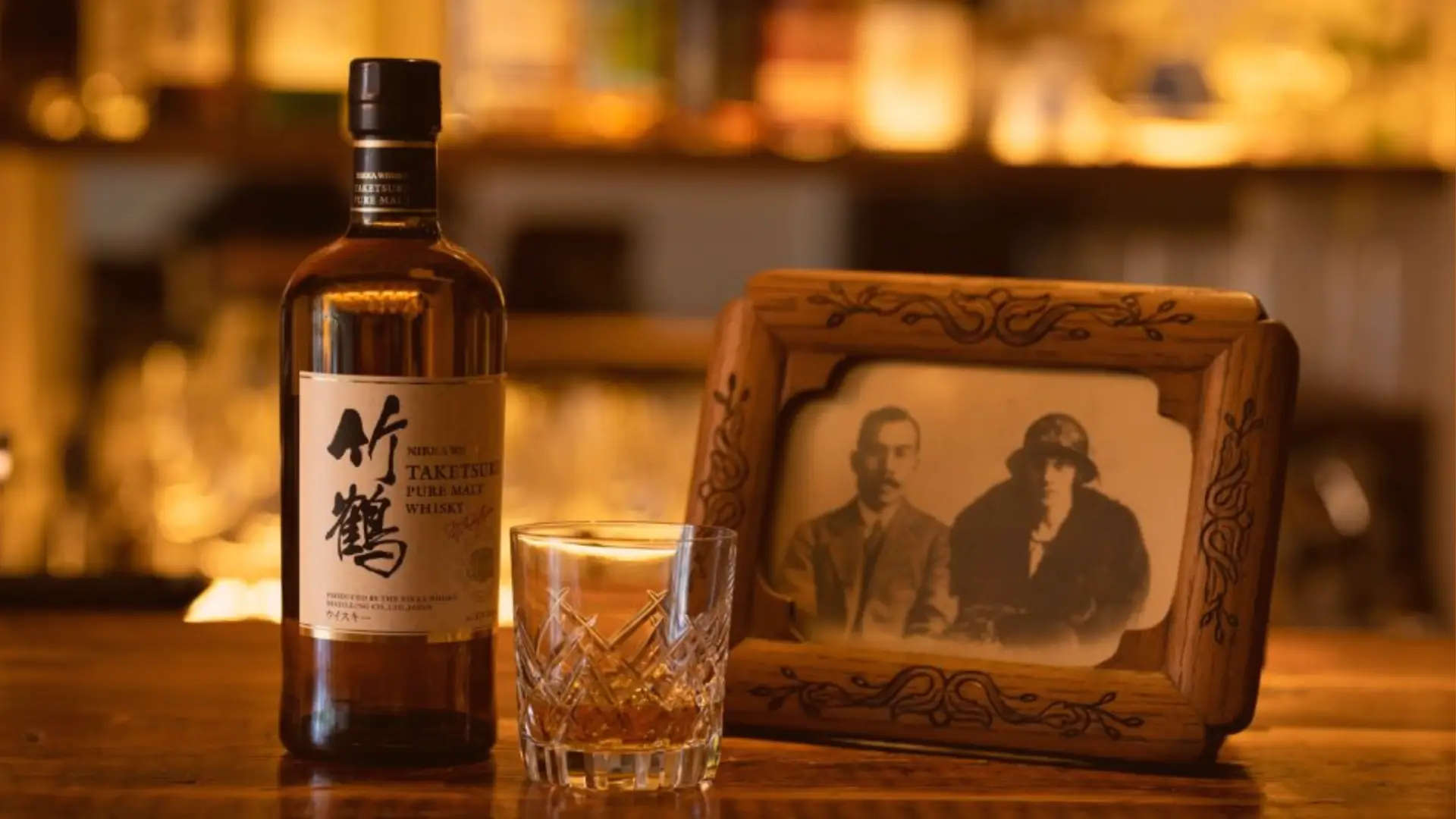
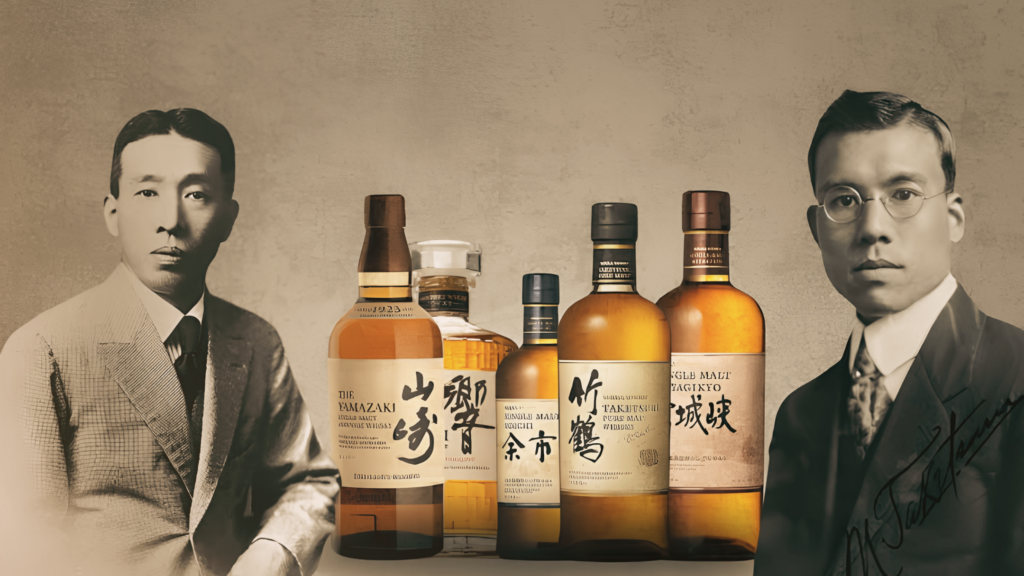
Japanese whisky did not emerge through imitation alone. It was the result of deliberate study, cultural translation, and long-term commitment to process. At the center of this story stands Masataka Taketsuru, a chemist whose exposure to Scottish distilling practices in the early twentieth century reshaped how whisky would be understood and produced in Japan.
Taketsuru’s contribution was not defined by scale or speed. It unfolded across decades, shaped by technical discipline and respect for raw materials. His role in founding Japan’s first true whisky traditions created a category that today stands among the most respected in the world.
Early Life and Scientific Foundation
Masataka Taketsuru was born on 20 June 1894 in Takehara, into a family involved in sake production. This environment exposed him early to fermentation, yeast management, and the importance of water quality. Unlike many later figures in whisky, Taketsuru’s foundation was technical rather than commercial.
He studied organic chemistry at Osaka Technical High School, graduating in 1916. At a time when Japan sought to modernize its industries, Taketsuru was selected by Settsu Shuzo to travel abroad and study whisky production. His mandate was precise: learn how authentic Scotch whisky was made, from raw materials to maturation.
Scotland and Formal Whisky Education
Taketsuru arrived in Scotland in December 1918, enrolling at the University of Glasgow to study chemistry. Beyond formal education, he pursued apprenticeships at working distilleries, gaining practical experience rarely afforded to foreign students at the time.
He trained at distilleries in Longmorn, Bo’ness, and Hazelburn, observing malting, fermentation, pot still distillation, and cask management. During this period, he meticulously documented every step of production in handwritten notebooks later known as the Taketsuru Notes.
These records captured not only technique but philosophy. Whisky, as Taketsuru learned, was shaped by climate, patience, and repetition. His Scottish education formed the technical backbone of Japanese whisky.
Return to Japan and Early Obstacles
Taketsuru returned to Japan in November 1920, accompanied by his Scottish wife Rita Taketsuru. However, Settsu Shuzo had abandoned its whisky plans due to economic instability.
His expertise remained unmatched but unused until Shinjiro Torii, founder of what would become Suntory, recruited him in 1923. Torii sought to create Japan’s first genuine whisky distillery, blending the Scottish method with Japanese sensibility.
Yamazaki and Japan’s First Whisky Distillery
Under Torii’s direction and Taketsuru’s technical leadership, the Yamazaki Distillery was established in 1923, located between Kyoto and Osaka and chosen for its soft water and humid climate.
Taketsuru oversaw equipment selection, still design, and fermentation protocols, adhering closely to Scottish standards. Philosophical differences soon emerged. Torii favored a lighter style suited to Japanese palates, while Taketsuru believed authenticity required patience and structural robustness.
Despite tensions, Yamazaki released Japan’s first commercial whisky in 1929, marking the birth of the category. Shortly afterward, Taketsuru departed to pursue his vision independently.
Yoichi and the Pursuit of Authenticity
In 1934, Taketsuru founded Nikka Whisky and established the Yoichi Distillery in Hokkaido. The site was chosen deliberately for its cold climate, coastal air, and peat availability, conditions Taketsuru believed closely resembled Scotland.
Yoichi employed coal-fired pot stills, direct distillation, and extended maturation. Production was slow, costly, and uncompromising. World War II and post war shortages delayed progress, yet Taketsuru remained committed to process over profit.
Yoichi’s first whisky was released in 1940, though full maturity would take decades. This insistence on patience later became a defining characteristic of Japanese whisky.
Cultural Legacy and Global Recognition
Masataka Taketsuru passed away on 29 August 1979, long before Japanese whisky achieved widespread international acclaim. Yet the foundations he laid proved resilient. By the early 21st century, whiskies from Nikka and Suntory began receiving major global recognition, reshaping perceptions of what whisky could be outside Scotland.
Taketsuru’s legacy extends beyond brands or distilleries. It resides in Japan’s disciplined approach to production, blending technical precision with cultural restraint. His notebooks and methods remain reference points for modern distillers.
Japanese whisky did not succeed by copying Scotland. It succeeded by understanding it deeply, then applying that knowledge within Japan’s own environmental and cultural framework.
Structural Legacy and Meaning
The legacy of Masataka Taketsuru is defined by translation rather than imitation. By carrying Scottish distilling knowledge into a new cultural and climatic context, he established a whisky tradition grounded in discipline, patience, and respect for process.
This history connects modern drinkers to the human decisions that transformed technical learning into a lasting national identity, demonstrating how whisky culture evolves not through replication, but through understanding.

Distillery
Nestled in the picturesque town of Yoichi, situated on the northern island of Hokkaido, the Yoichi Distillery is…
Distillery
The Suntory Yamazaki Distillery, Japan's first and oldest malt whisky distillery, was established in 1923 by Shinjiro Torii,…
Spirit
Nikka Taketsuru Pure Malt Japanese Whisky
Taketsuru Japanese Pure Malt Whisky is a hallmark of craftsmanship in the world of whisky, representing a harmonious…
Spirit
Yamazaki Suntory Royal Whisky is a finely crafted blended whisky that represents the pinnacle of Japanese craftsmanship in…
Video
From Scotland to Japan: How Masataka Taketsuru Built a New Whisky Tradition
For centuries, Japan’s brewing heritage has centred on sake. Yet one man’s determination would change the country’s relationship with distilled spirits forever. Masataka Taketsuru did not simply introduce whisky to Japan. He studied its origins, understood its principles, and reimagined them for a completely different landscape. Learning Whisky at Its Source Born into a family […]
June 29, 2026
History
The Paris Judgement of Spirits: How Japanese Whisky Challenged Scotch Dominance
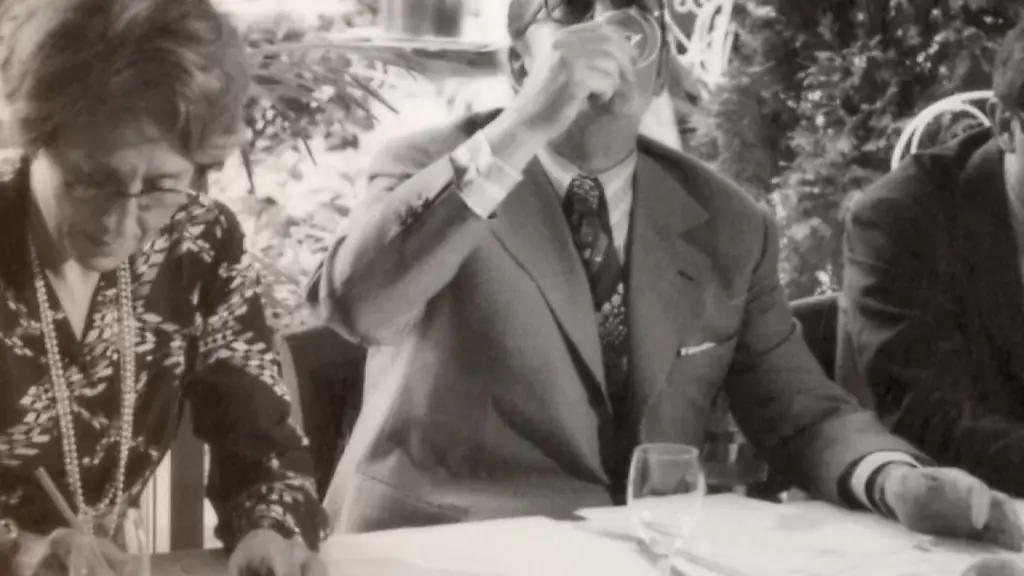
There was no single room in Paris where Japanese whisky defeated Scotch in one decisive afternoon. Unlike the famous 1976 wine tasting that placed California alongside France, whisky’s shift in hierarchy unfolded over several years, through blind tastings, international competitions, specialist publications, and a gradual shift in critical opinion. For much of the 1900s, Scotch whisky […]
June 11, 2026
Tips and Tricks
Why Certain Distilleries Invite Visitors and Others Remain Guarded
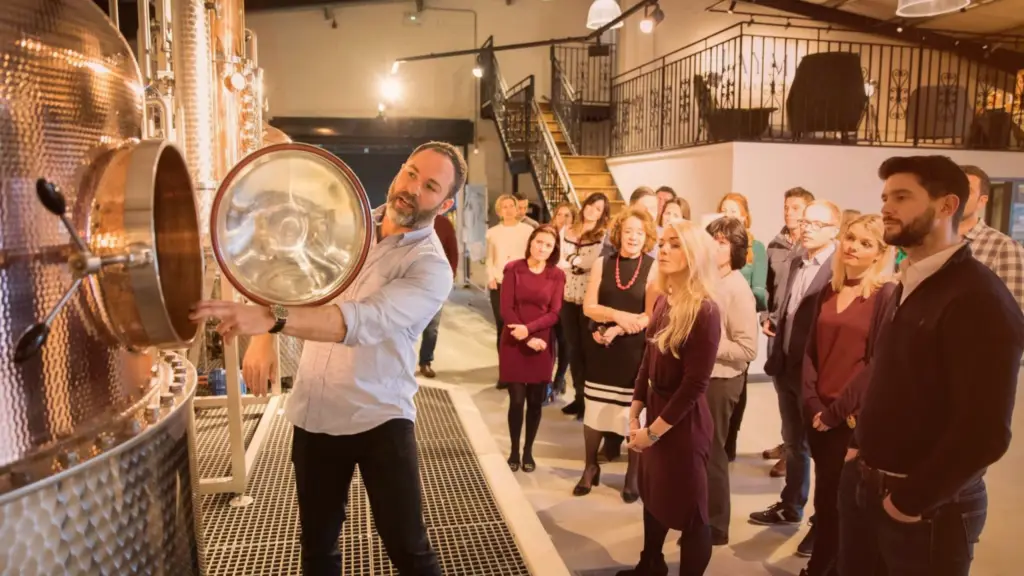
A visitor standing beneath the curved timber roof of The Macallan distillery in Speyside encounters a spectacle of transparency. Glass walls reveal stills. Interactive exhibits explain oak sourcing. The building itself, opened in 2018, was designed as an architectural statement of modern whisky confidence. Yet only portions of production are accessible. Beyond certain corridors, access […]
March 23, 2026