
In the world of Scotch whisky, where every drop is measured in patience and tradition, few figures command the same quiet respect as Stewart Laing. His journey, spanning over five decades, reflects both the artistry and endurance that define Scotland’s greatest cultural export. From his early days learning the subtleties of cask maturation to guiding Ian Macleod Distillers through its most ambitious revival projects, Stewart Laing remains a living link between the heritage of whisky and its evolving future.
The Early Years of a Craftsman
When asked about his beginnings, Stewart Laing often returns to the simple memories of his youth – warehouses filled with oak, the scent of malt in the air, and the patience of his father, who introduced him to blending in the 1960s. It was a time when whisky making relied more on intuition than on technology. Each day spent in those cellars was a lesson in observation. He learned how temperature, humidity, and time spoke their own language and how a great blender’s skill lies in listening rather than controlling.
He recalls that whisky was never about shortcuts. It was about “respecting the natural pace of the barrel.” Those early lessons became the foundation of a philosophy that continues to shape his work: to create whisky not for the market, but for the spirit of place and craft.
Building Ian Macleod Distillers into a Modern Classic
In his later career, Stewart Laing played an instrumental role in the rise of Ian Macleod Distillers, the independent company that now oversees some of Scotland’s most celebrated distilleries. Under his influence, brands like Glengoyne, Tamdhu, and Rosebank came to embody what he describes as “the beauty of balance.”
At Glengoyne, Stewart focused on slow distillation and natural color, emphasizing sherry cask aging for richness and consistency. At Tamdhu, he returned to the glory of European oak sherry casks, reviving the distillery’s character through craftsmanship and cask discipline. He understood that great whisky is not only made in stills but also in the patient years between wood and spirit, where tradition quietly refines flavor.
The Spirit of Independence
Long before his time at Ian Macleod, Stewart Laing and his brother Fred co-founded Douglas Laing & Co., a company that changed how the world perceived single cask Scotch. Through labels such as Old Particular and King of Scots, they introduced whisky drinkers to the unblended purity of single cask releases.
He once described the philosophy of Douglas Laing as “letting the whisky speak for itself.” There was no coloring, no chill filtration, and no compromise. This transparency inspired a global movement toward authenticity, influencing many independent bottlers who now follow his lead. Stewart’s work proved that integrity could exist alongside innovation, and that honesty in whisky making creates trust that lasts across generations.
Reviving Rosebank and Restoring Heritage
Among the many chapters in his story, none reflects Stewart Laing’s devotion to heritage more deeply than the revival of Rosebank Distillery. Closed in 1993, Rosebank was long mourned as one of Scotland’s lost gems. Its reopening under Ian Macleod Distillers marked more than a return to production; it symbolized faith in craftsmanship’s ability to endure.
Rosebank’s revival captured the world’s attention because it combined restoration with respect. The original architecture, copper stills, and triple distillation process were brought back to life with precision and care. For Stewart, this project represented the bridge between memory and progress – proof that the past can still illuminate the future of Scotch whisky.
Reflections from a Lifetime in Whisky
As he looks back on fifty years in the industry, Stewart Laing speaks with humility rather than pride. His lessons are simple yet profound. He believes that a distiller’s first duty is to listen to the cask. The second is to protect tradition, ensuring that every generation inherits both knowledge and values. And finally, he insists that curiosity must never fade, even after decades of mastery.
He often says, “Whisky teaches patience more than any other craft. It reminds us that what we begin, someone else will finish. And that is how legacy is built.” His quiet reflection captures the essence of Scotch – not merely a product of time, but a dialogue between people, nature, and memory.
Where Barlist Meets the Legacy of Stewart Laing
Barlist recognizes Stewart Laing as one of the few figures whose work defines the heart of Scotch whisky. His philosophy stands as a guide for the next generation of distillers, reminding them that innovation must always begin with respect. In an era of rapid change, his career embodies continuity – a belief that great whisky is not created in haste but nurtured through discipline, care, and trust.
To understand Stewart Laing’s story is to understand the art of Scotch itself. His fifty years reveal not only the spirit of a man but the enduring craft of a nation.


Distillery
Ian MacLeod & Co Ltd, now known as Ian MacLeod Distillers Ltd, is an esteemed independent family-owned spirits…
Distillery
Rosebank Distillery, revered as the 'King of the Lowlands,' is situated in Camelon, Falkirk, along the banks of…

Barlist
Welcome to Barlist, where every drop tells a story
At Barlist, we live and breathe the art of spirits. Every bottle, every glass, every drop carries a story waiting to be told. With Barlist, we bring those stories to life- a place where flavours meet histories, and where true craftsmanship shines through tens of thousands of spirits and distilleries worldwide. Whether you’re a seasoned […]
March 9, 2026
Distilleries & Producers
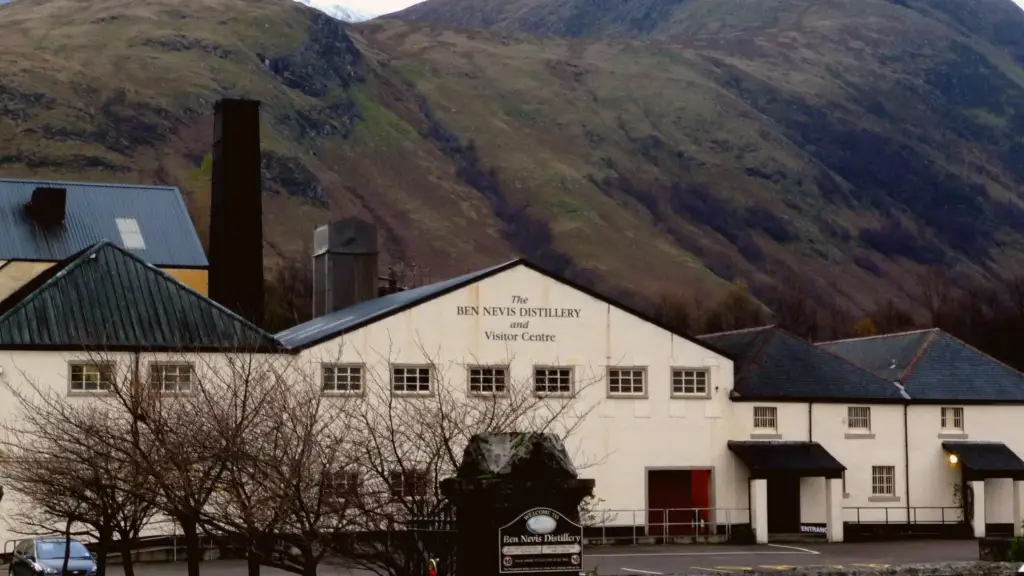
The Ben Nevis Distillery: From Long John MacDonald to Modern Ownership
At the foot of Britain’s highest mountain, Ben Nevis Distillery has lived a history defined less by continuity than by interruption. While many Highland distilleries trace a steady arc from founding to present day, Ben Nevis has moved in cycles of ambition, collapse, silence, and revival. Its story reveals how geography, capital, and global demand […]
February 24, 2026
Cocktails
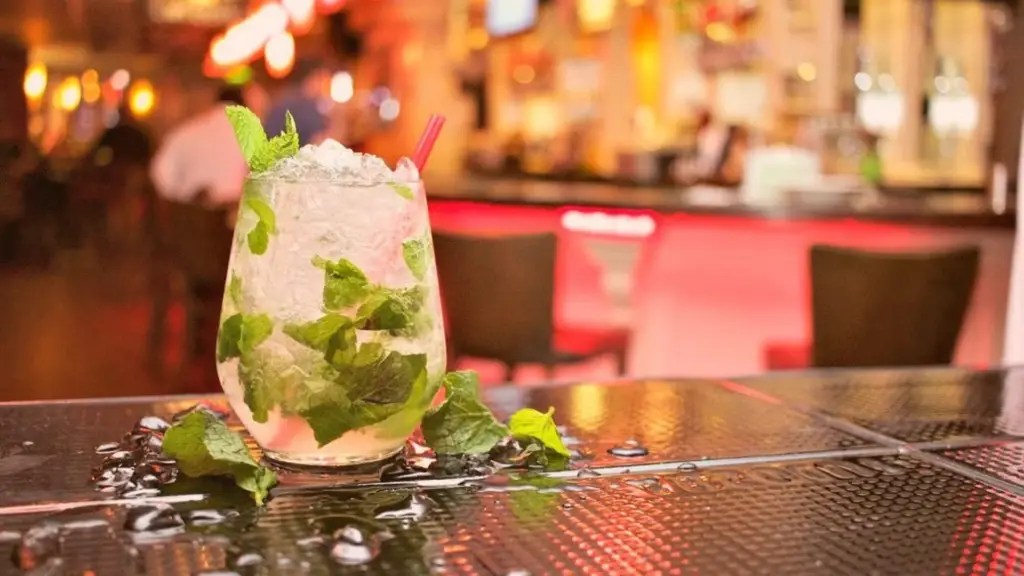
History of the Mojito Cocktail and Its Cuban Cultural Legacy
The history of the mojito cocktail is inseparable from Havana’s streets, Cuba’s sugarcane fields, and the Atlantic trade routes that shaped daily life on the island. Unlike many classic cocktails that emerged from hotel bars or European salons, the Mojito was shaped by necessity, climate, and local ingredients. Its identity evolved gradually, reflecting Cuba’s agricultural […]
January 30, 2026