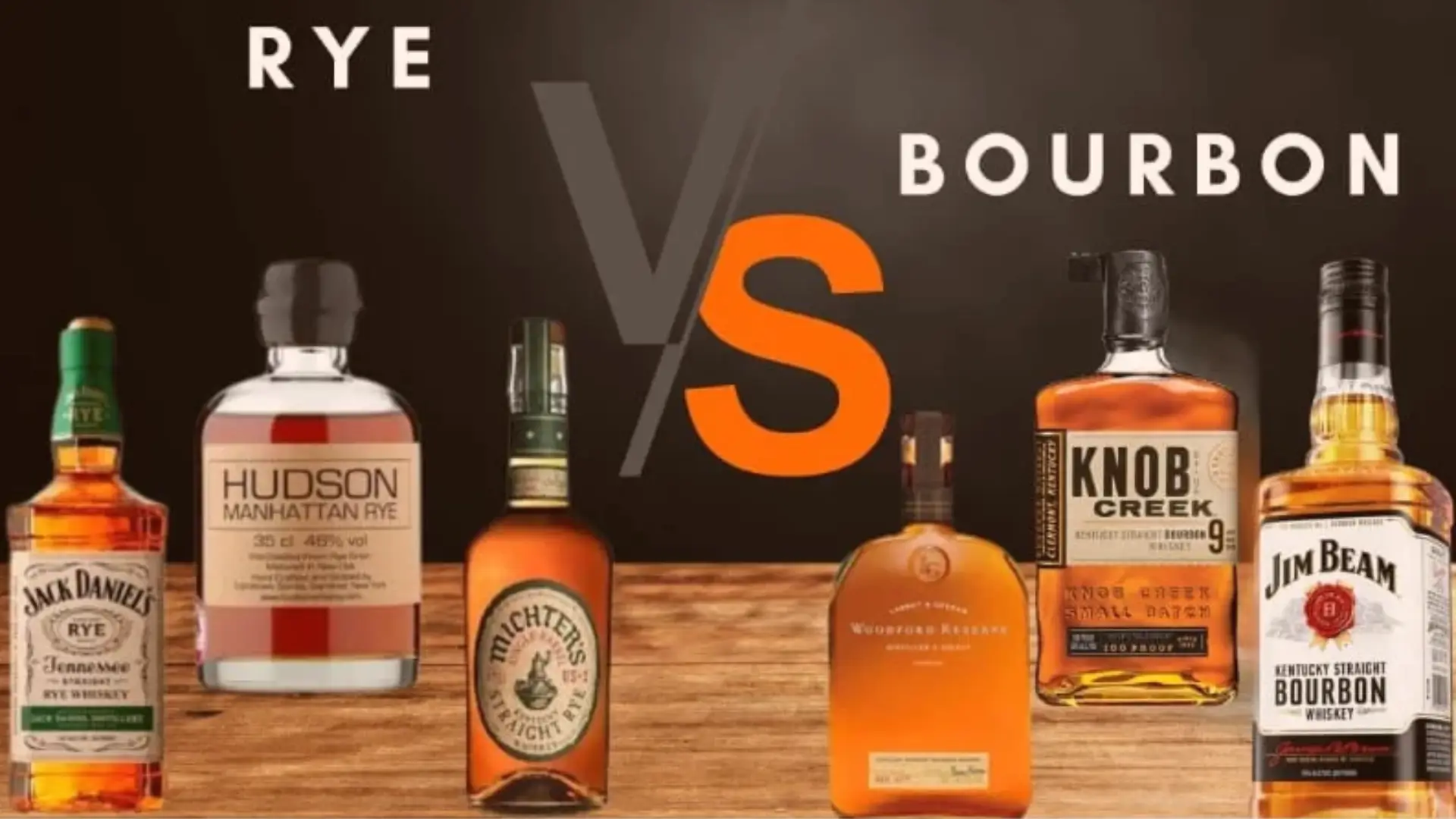
For many whiskey enthusiasts, Choosing Between Bourbon and Rye begins with taste – the smooth sweetness of corn against the bold spice of rye. Yet behind every bottle lies a deeper story written not in flavor notes but in grain proportions. Known as the mash bill, this simple recipe defines character, heritage, and regional identity. From Kentucky’s soft corn fields to the rye plains of the American North, understanding the mash bill means uncovering how small shifts in grain can create entirely different worlds of whiskey.
The Origins of Bourbon and Rye
The roots of Choosing Between Bourbon and Rye go back to the early settlers who carried their distilling traditions from Europe to the New World. In the late eighteenth century, farmers in Virginia, Maryland, and Pennsylvania began using locally available grains to produce whiskey. Corn thrived in the South, while rye flourished in the colder northern climates. These agricultural patterns created two distinct whiskey styles – bourbon, dominated by corn, and rye, driven by spice and grain intensity.
As American distilling matured through the nineteenth century, these regional spirits took on unique cultural identities. Bourbon became synonymous with Kentucky, celebrated for its smooth sweetness and mellow oak influence. Rye found its stronghold in Pennsylvania and Maryland, prized for its dry, peppery, and aromatic profile. Both remain pillars of American whiskey today, each reflecting the landscapes and traditions that shaped them.
Understanding the Mash Bill
At the heart of Choosing Between Bourbon and Rye is the mash bill itself – the grain recipe that determines a whiskey’s core flavor. For a spirit to be legally recognized as bourbon, at least 51 percent of the mash must be corn, with the remainder typically made up of malted barley and either rye or wheat. Corn lends bourbon its trademark sweetness, while barley contributes enzymes that help convert starch into fermentable sugar.
Rye whiskey, by contrast, requires a minimum of 51 percent rye grain, giving it its signature spice and dryness. The rest of the mash often includes corn for body and barley for texture. Small adjustments in these proportions can dramatically alter the whiskey’s taste, making the mash bill as much an artistic choice as a technical one.
The Flavor Spectrum of Grain
When Choosing Between Bourbon and Rye, the difference often lies in emotion as much as chemistry. Bourbon typically delivers warmth, with flavors of caramel, vanilla, and toasted oak, appealing to those who prefer smoothness and richness. Rye, on the other hand, brings vibrancy – a lively burst of pepper, cinnamon, and clove that leaves a dry, crisp finish.
The influence of the mash bill continues through aging. High-corn bourbons interact with oak to produce deeper sweetness, while rye-heavy whiskies evolve into complex, aromatic spirits that capture the essence of grain-driven craftsmanship. Each sip reflects the careful balance between raw material and time.
Innovation in Modern Mash Bills
Today’s distillers are reimagining Choosing Between Bourbon and Rye by experimenting with alternative grains and unconventional ratios. Producers like Woodford Reserve and High West have crafted multi-grain mash bills that blend tradition with creativity. Some distilleries use wheat, oats, or even heirloom corns to introduce new textures and flavors. These innovations demonstrate how the mash bill, once viewed as a fixed formula, has become a canvas for modern artistry.
Technology and research have also refined grain selection. Sustainable farming, regional sourcing, and genetic diversity are helping distillers reclaim flavor complexity lost through industrialization. The result is a new generation of whiskies that honor history while embracing progress.
Cultural Identity and the Mash Bill
Beyond flavor, Choosing Between Bourbon and Rye also represents a choice between cultural identities. Bourbon embodies Southern hospitality and craftsmanship, often associated with Kentucky’s limestone-rich water and time-honored aging traditions. Rye carries a northern character, tied to the rugged spirit of Pennsylvania and Maryland’s colonial roots. Both whiskies tell a story of migration, adaptation, and perseverance.
This cultural duality continues to inspire bartenders and collectors worldwide. Whether poured neat or stirred into a Manhattan or Old Fashioned, the choice between bourbon and rye remains a reflection of personal preference and historical appreciation.
Where Barlist Meets the Craft of Grain
At its core, Choosing Between Bourbon and Rye is about understanding how ingredients become identity. The mash bill, humble in appearance, shapes everything from a whiskey’s aroma to its emotional resonance. It connects farmers, distillers, and drinkers across generations through the language of flavor.
Barlist celebrates this connection as part of a larger story – one where grain, craft, and culture unite. In every barrel aged and every pour shared, bourbon and rye continue to define the artistry of American whiskey, proving that true craftsmanship begins with the simplest of recipes.


Distillery
New England Barrel Company, LLC.
New England Barrel Company, LLC. is a distinguished craft distillery based in New England, known for its commitment…

Distillery
Smooth Ambler Distillery is a celebrated craft distillery situated in the picturesque Greenbrier Valley of West Virginia. Established…

Spirit
Rey Campero Mexicano Agave Rhodacantha Joven Mezcal
Rey Campero Mexican Agave Rhodacantha Young Mezcal is a remarkable expression of the traditional craftsmanship that defines mezcal…
Spirit
New England Barrel Company Single Barrel Bourbon Whiskey
New England Barrel Company Single Barrel Bourbon Whiskey is an extraordinary spirit that marries traditional craftsmanship with modern…
Spirit
Denver Four Grain Straight Bourbon Whiskey
Denver Four-grain Straight Bourbon Whiskey is a distinctive and well-crafted spirit that stands out in the world of…

Discovery and Education
Tradition Meets Innovation: J. Blake Layfield and Maker’s Mark’s New Generation
When J. Blake Layfield, Ph.D. became the ninth Master Distiller at Maker’s Mark in 2024, he inherited one of Kentucky bourbon’s most recognisable production philosophies. The responsibility was larger than maintaining a familiar recipe. Maker’s Mark had spent more than seven decades building an identity around a particular approach to bourbon, from its use of […]
August 12, 2026

Trends and Innovations
China’s Changing Drinks Market: Younger Adults, Convenience, and the Decline of Banquet Culture
For much of the past two decades, some of the most valuable parts of China’s drinks market were built around rooms larger than the drinking occasion itself. Business banquets, formal dining, corporate entertainment, and high-value gifting supported demand for premium baijiu, imported wine, and prestige spirits. Bottles performed several roles at once. They marked hierarchy, […]
August 1, 2026

Discovery and Education
From Beer to Bourbon: Why Kentucky Breweries Are Moving into Distilling
From beer to bourbon is becoming one of the more revealing movements in Kentucky drinks culture. The reported plan by Country Boy Brewing to open a Kentucky distillery is not only a company expansion story. It sits inside a larger shift in how craft beverage businesses think about production, hospitality, brand loyalty, and long-term survival […]
July 17, 2026