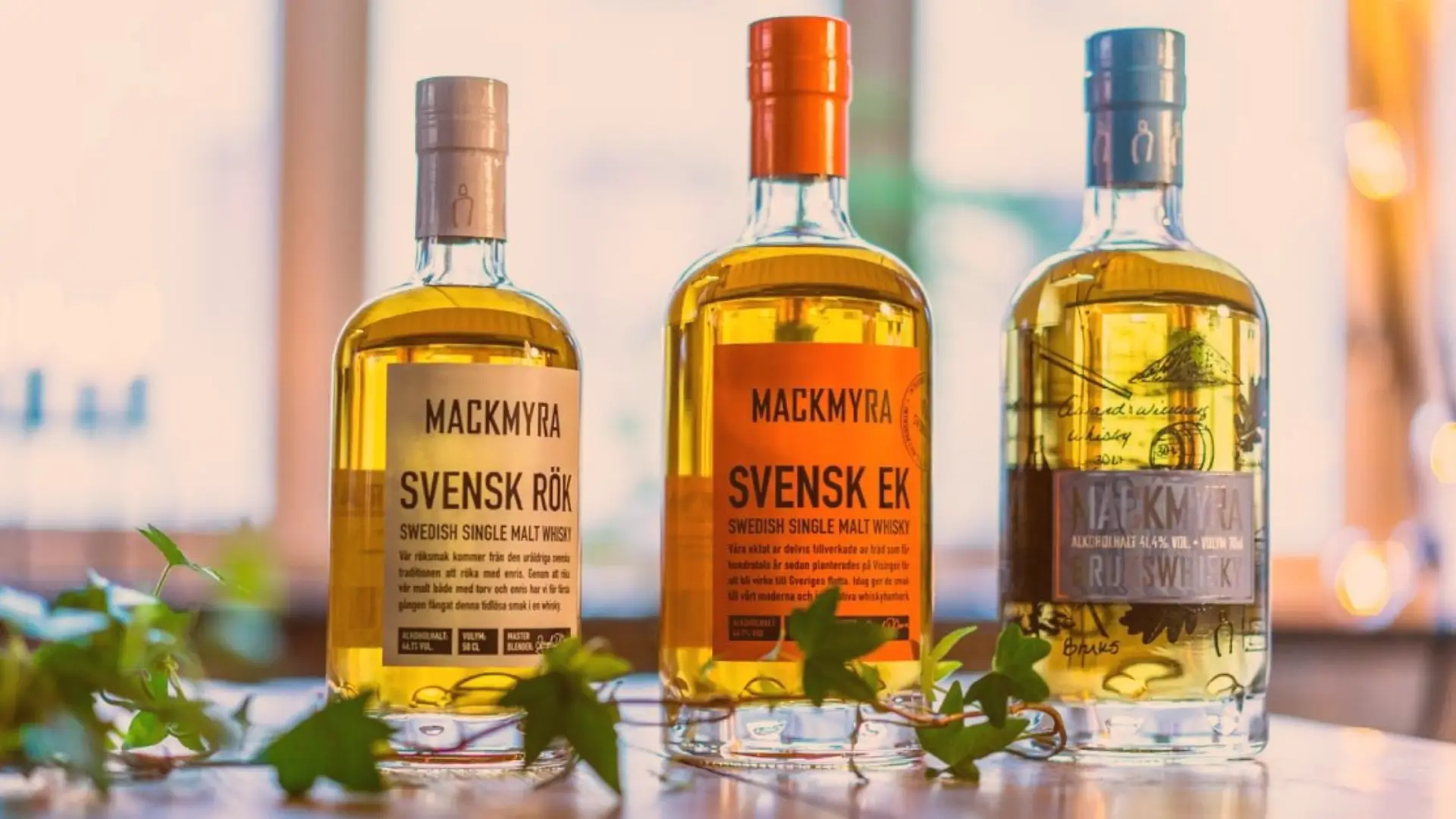
In the northern landscapes of Sweden, where tradition and innovation intertwine, a distillery quietly changed the course of whisky history. AI in the Distillery became more than an experiment when Mackmyra Whisky introduced the world’s first whisky created with machine learning in 2019. This pioneering collaboration between human craft and artificial intelligence marked a new era for spirits – one that explored how technology could interpret centuries of distilling wisdom to create something truly original.
The Origins of Mackmyra’s Innovation
The story of AI in the Distillery began with Mackmyra’s bold philosophy: to challenge convention while respecting heritage. Founded in 1999, Mackmyra became Sweden’s first modern whisky distillery and quickly earned recognition for its pioneering approach to Nordic flavor. The team’s willingness to experiment with local ingredients and unconventional cask types laid the foundation for an idea that would blur the line between craftsmanship and computation.
By 2018, Mackmyra partnered with Microsoft and the Finnish tech firm Fourkind to explore whether artificial intelligence could assist in whisky creation. The goal was not to replace the master blender but to enhance creativity through data analysis. Thousands of production records, tasting notes, and consumer feedback reports were fed into a machine learning model capable of generating thousands of new recipe combinations based on proven success patterns.
How AI in the Distillery Redefined Whisky Making
In the world of AI in the Distillery, tradition met technology in unprecedented harmony. The algorithm processed vast datasets that no human could analyze with equal speed, learning the subtle relationships between cask types, aging conditions, and flavor outcomes. From these calculations, the system suggested potential new blends, each tailored to align with Mackmyra’s flavor identity.
Master Blender Angela D’Orazio then evaluated the AI’s top proposals, selecting and refining the recipes that best reflected Mackmyra’s Nordic heritage. Her collaboration with the algorithm was a dialogue between human instinct and machine precision. The final recipe, chosen from countless possibilities, became Mackmyra Intelligence Chapter 1, released in 2019 – the first whisky in the world designed through artificial intelligence.
The Taste of Technology
What emerged from AI in the Distillery was more than a novelty. Mackmyra’s AI whisky carried the hallmarks of Scandinavian character, with notes of vanilla, oak, caramel, and pear balanced by subtle smoke. Each bottle represented a synergy of art and algorithm, demonstrating how technology could complement the emotional intuition of traditional blending.
The whisky’s reception was immediate and global. Critics praised its innovation while acknowledging its authentic craftsmanship. It proved that artificial intelligence, when guided by human expertise, could not only preserve tradition but also expand the boundaries of creativity.
The Role of the Master Blender in the Age of AI
Despite the technological advancement, AI in the Distillery reinforced the irreplaceable role of the human palate. Angela D’Orazio’s expertise remained central to the process, ensuring that the final blend reflected both technical precision and cultural nuance. Her involvement highlighted a crucial truth: technology can generate possibilities, but taste, balance, and emotion remain inherently human.
In interviews, D’Orazio emphasized that AI did not make whisky on its own – it suggested paths for exploration. The master blender remained the storyteller, translating digital potential into sensory experience. The partnership became an emblem of collaboration between heritage and innovation, setting a precedent for the future of spirits.
The Global Impact of AI in the Distillery
Mackmyra’s experiment with AI in the Distillery sparked conversations across the global drinks industry. Distillers in Japan, Scotland, and the United States began exploring how machine learning could optimize fermentation, cask management, and flavor prediction. What began as a Swedish experiment evolved into a model for the future of sustainable, data-informed craftsmanship.
In recognition of its pioneering role, Mackmyra earned international acclaim and became a case study in how artificial intelligence could be applied responsibly within heritage industries. The project also demonstrated how modern tools can enhance efficiency while maintaining the artistry that defines fine spirits.
Where Barlist Meets the Future of Craft
The story of AI in the Distillery embodies the essence of what Barlist celebrates – the meeting of craftsmanship, culture, and innovation. Mackmyra’s 2019 creation proved that technology, when guided by passion and respect for tradition, can elevate rather than replace artistry. It marked a turning point where human skill and digital intelligence came together in pursuit of perfection.
Through projects like Mackmyra’s, Barlist continues to explore how the world’s most creative minds are redefining the future of spirits, showing that every innovation begins with respect for what came before.
Distillery
Mackmyra Svensk Whisky Distillery
Mackmyra Svensk Whisky Distillery, established in 1999, holds a revered position in the world of whisky as Sweden’s…
Spirit
Mackmyra Skog Swedish Single Malt Whisky
Mackmyra Skog is a distinguished member of the Moment series produced by Mackmyra, Sweden's first whisky distillery. Launched…
Barlist
Welcome to Barlist, where every drop tells a story
At Barlist, we live and breathe the art of spirits. Every bottle, every glass, every drop carries a story waiting to be told. With Barlist, we bring those stories to life- a place where flavours meet histories, and where true craftsmanship shines through tens of thousands of spirits and distilleries worldwide. Whether you’re a seasoned […]
March 9, 2026
Distilleries & Producers
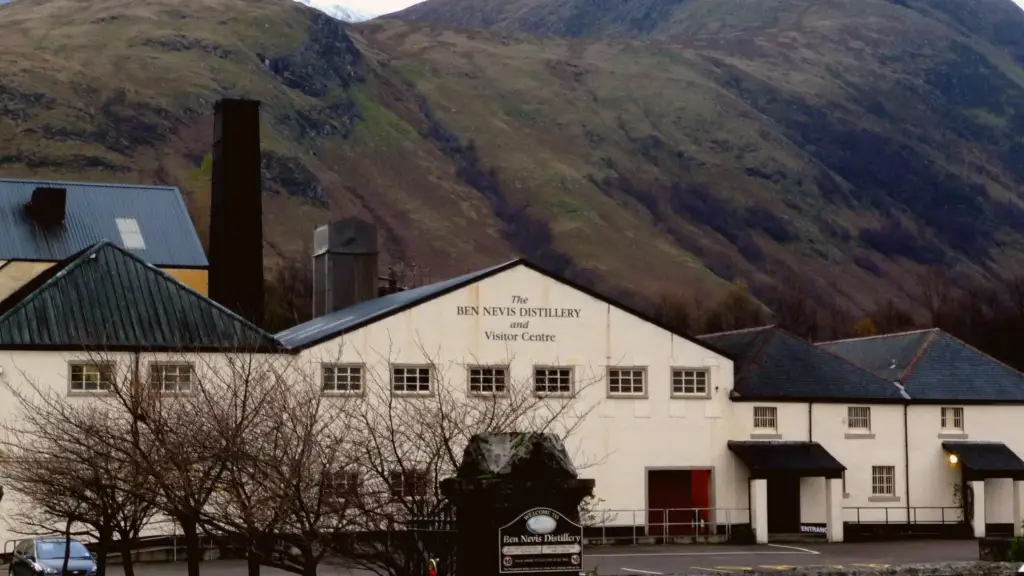
The Ben Nevis Distillery: From Long John MacDonald to Modern Ownership
At the foot of Britain’s highest mountain, Ben Nevis Distillery has lived a history defined less by continuity than by interruption. While many Highland distilleries trace a steady arc from founding to present day, Ben Nevis has moved in cycles of ambition, collapse, silence, and revival. Its story reveals how geography, capital, and global demand […]
February 24, 2026
Cocktails
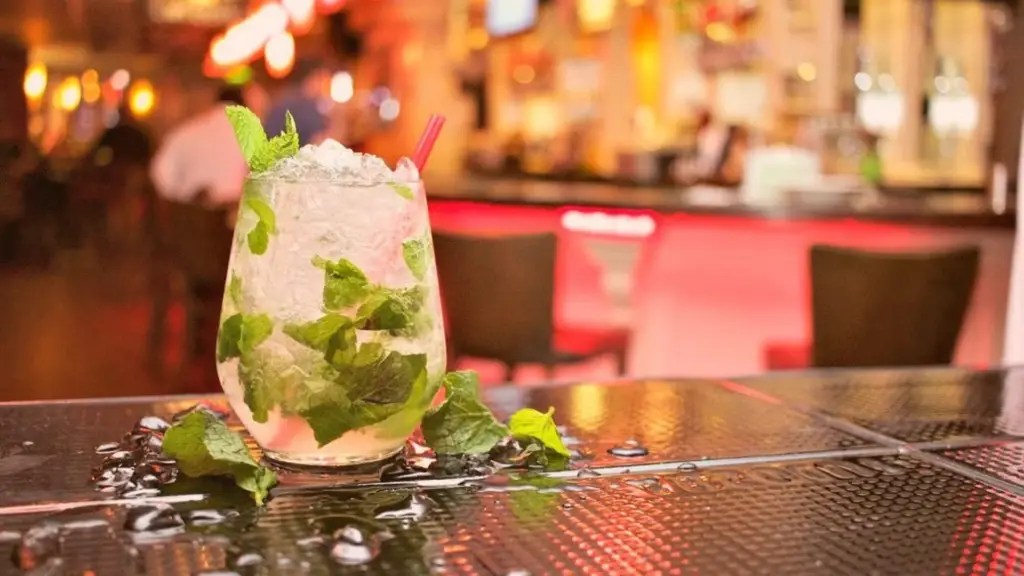
History of the Mojito Cocktail and Its Cuban Cultural Legacy
The history of the mojito cocktail is inseparable from Havana’s streets, Cuba’s sugarcane fields, and the Atlantic trade routes that shaped daily life on the island. Unlike many classic cocktails that emerged from hotel bars or European salons, the Mojito was shaped by necessity, climate, and local ingredients. Its identity evolved gradually, reflecting Cuba’s agricultural […]
January 30, 2026