Spirits’ history is often framed as a lineage of male founders and master distillers. This narrative obscures a more accurate reality. Across categories and centuries, women shaped spirits through ownership, legal stewardship, technical decision-making, and long-term preservation of production systems. Their influence was rarely performative. It was structural.
In moments of instability, women often became custodians of continuity. They preserved distilleries during political upheaval, formalised production standards during periods of transition, and defined category identity when markets encouraged dilution.
Madame Clicquot and Process as Authority
Born in 1777, Madame Clicquot, known formally as Barbe Nicole Ponsardin, assumed control of Veuve Clicquot in 1805. At the time, Champagne production lacked consistency, and cloudy bottles limited export potential.
Her development of riddling tables transformed Champagne into a repeatable, export-ready product. This intervention was not aesthetic. It was structural. It enabled scale without sacrificing clarity and set a precedent for process-driven refinement that later influenced spirits production philosophy.
Elizabeth Cumming and Legal Transition in Scotch Whisky
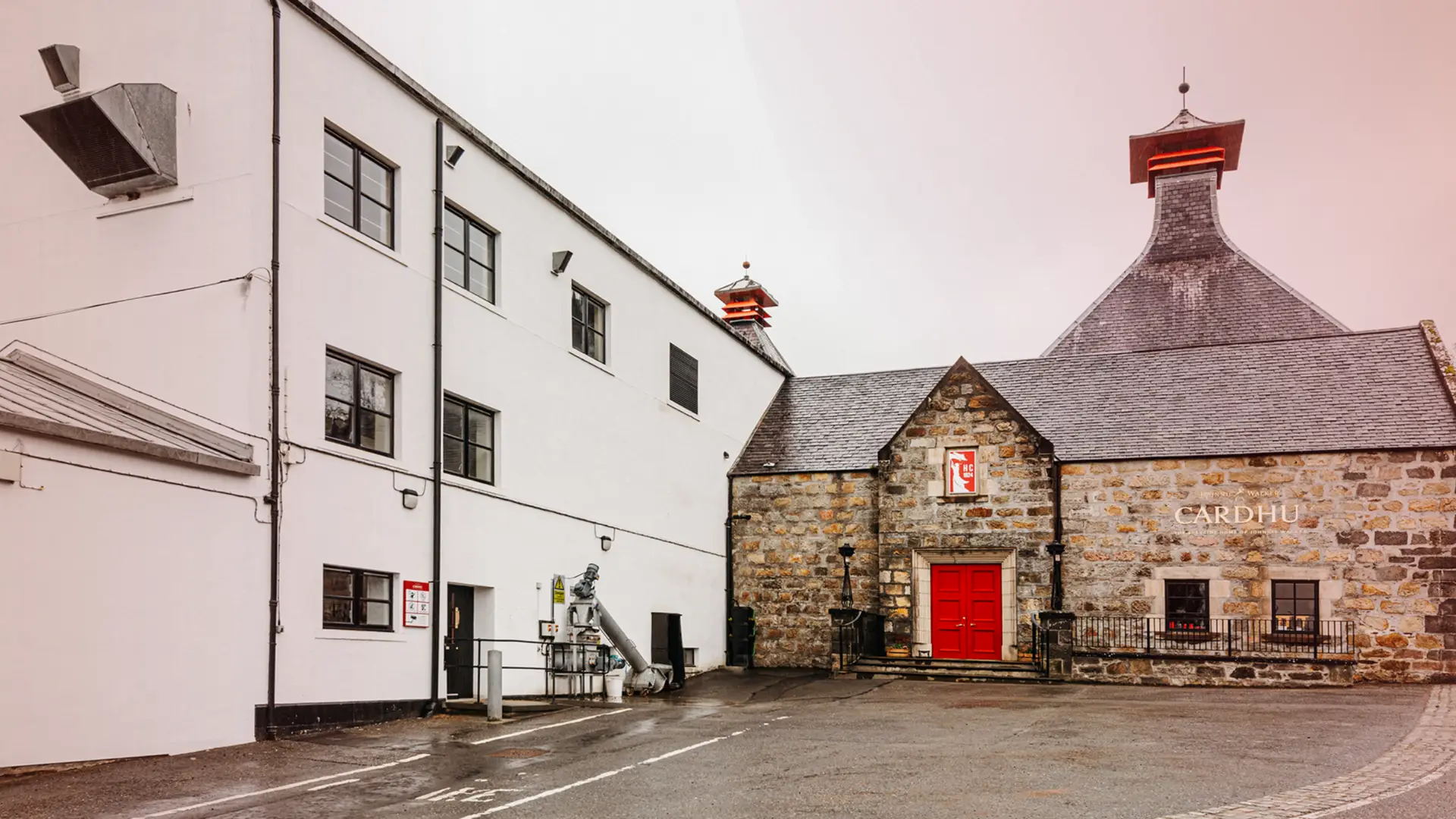
In 1811, Elizabeth Cumming founded Cardhu Distillery in Speyside. Operating initially under illicit conditions, she navigated the transition to legal distillation following the Excise Act of 1823.
Her decisions ensured Cardhu’s survival and legitimacy. The distillery became a foundational malt for blending houses, and spirits such as Cardhu 12 Year Old later played a stabilising role in Scotch whisky structure. Cumming’s contribution lay in continuity through regulatory change.
Bessie Williamson and the Preservation of Islay Identity
The identity of Laphroaig Distillery owes much to Bessie Williamson, who joined the distillery in 1934 and eventually became its owner.
At a time when Islay distilleries faced closure or homogenisation, Williamson protected Laphroaig’s peat-driven character. Spirits such as Laphroaig 10 Year Old reflect a production style preserved rather than reinvented. Her stewardship ensured that institutional memory survived consolidation pressure.
Joy Spence and the Codification of Rum Blending
In 1997, Joy Spence became the first woman appointed master blender at Appleton Estate.
Her role formalised blending as a documented discipline rather than an inherited intuition. Under her direction, Appleton Estate reinforced age statements and transparency. Spirits such as Appleton Estate 12 Year Old Rare Casks reflect a structured approach to maturation and blending that strengthened Jamaican rum’s global credibility.
Marjorie Samuels and the Softening of Bourbon Structure
In the United States, Marjorie Samuels played a decisive role in shaping Maker’s Mark. While her husband developed the mash bill, Samuels influenced both flavour direction and presentation.
Her insistence on a softer, wheat-based bourbon reshaped perceptions of American whiskey. Spirits such as Maker’s Mark demonstrated that bourbon could be approachable without sacrificing structure. Her decisions influenced the expansion of bourbon beyond regional consumption.
Ann Smith and Process Control in Modern Bourbon
At Buffalo Trace Distillery, Ann Smith contributed to modernising production discipline during the late 20th century.
Her work focused on fermentation monitoring, yeast management, and warehouse strategy. These systems underpin spirits such as Buffalo Trace Bourbon and Eagle Rare. Smith’s contribution reflects how technical oversight reshaped American whiskey from volume-driven production to process-controlled consistency.
Pierrette Trichet and Authority in Cognac
In 2003, Pierrette Trichet became the first woman appointed cellar master at Rémy Martin.
Her tenure reinforced eaux de vie selection discipline and long-term ageing strategy. Cognacs such as Rémy Martin Louis XIII continued under her stewardship without stylistic disruption. Trichet’s role demonstrated that authority in Cognac rested on continuity rather than reinvention.
Barlist approaches spirits history by tracing decision-making rather than reputation. By documenting how figures such as Madame Clicquot, Elizabeth Cumming, Bessie Williamson, and Joy Spence shaped production systems and protected category identity, Barlist reframes influence as structural rather than symbolic.
This perspective reveals that women did not enter the spirit world late. They sustained it during its most fragile moments.

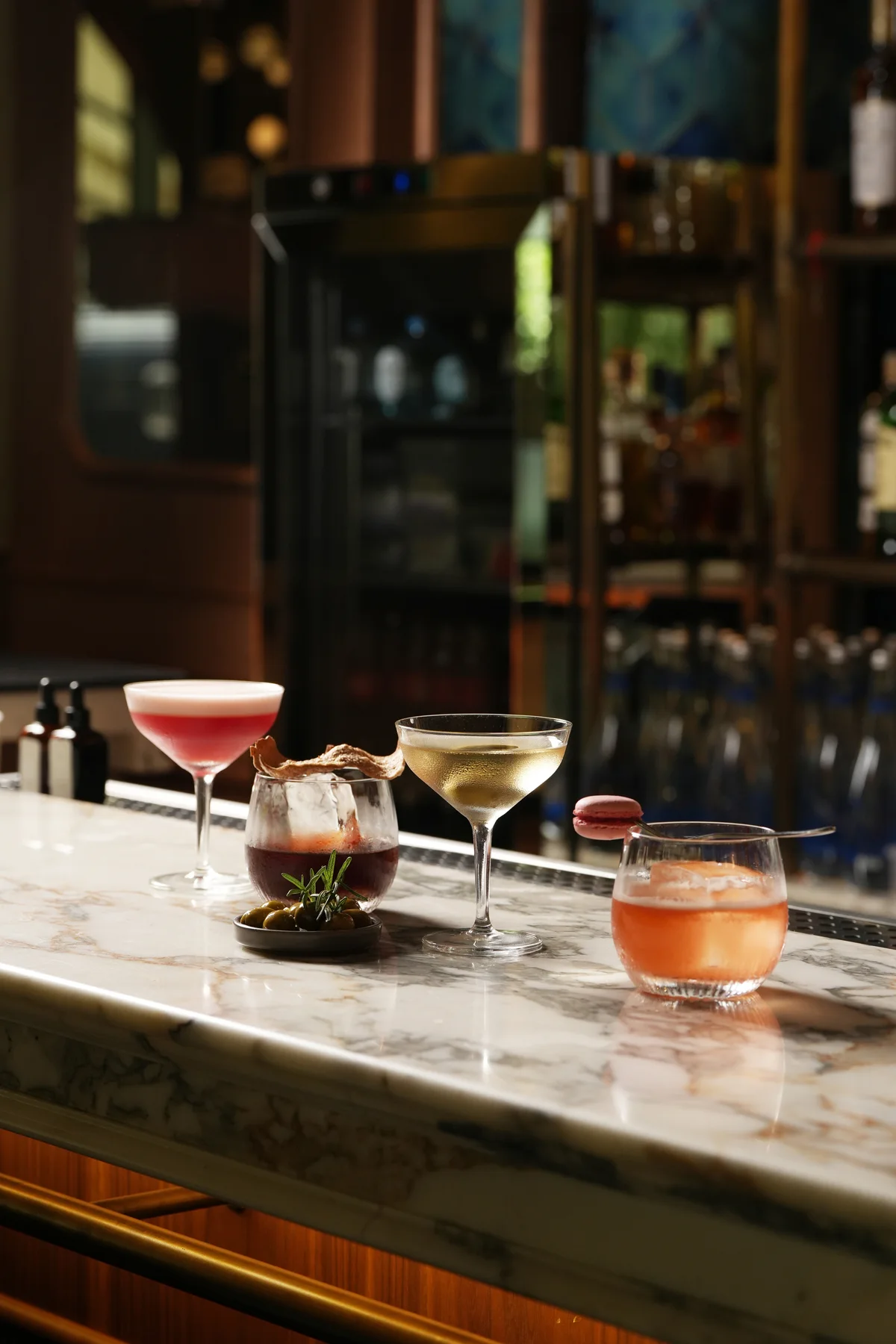
Distillery
Cardhu Distillery, nestled in the stunning Speyside region of Scotland, is celebrated for producing high-quality single malt Scotch…
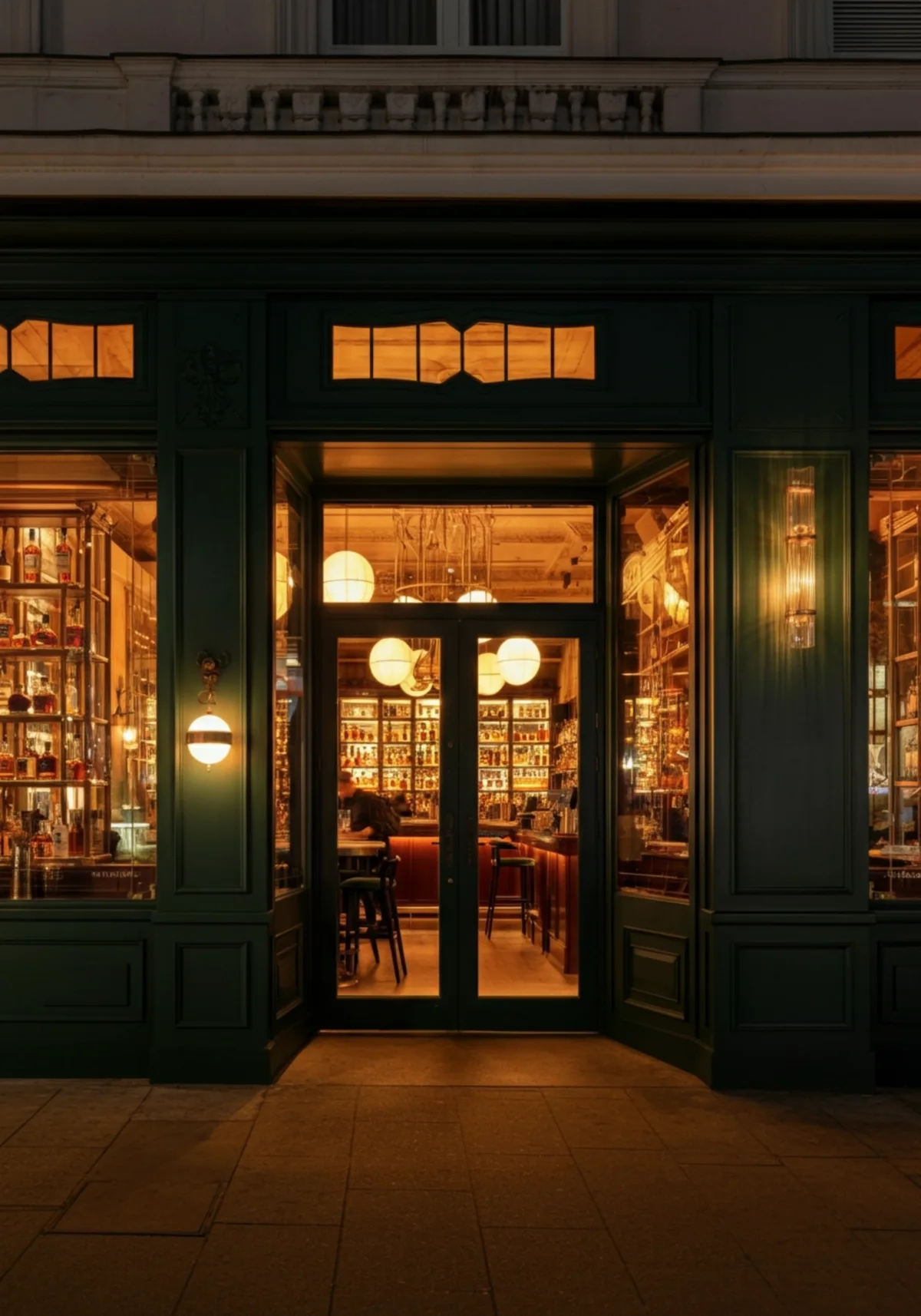
Distillery
Appleton Estate, crafted in the heart of Jamaica, represents the pinnacle of authentic Jamaican rum production. Renowned for…
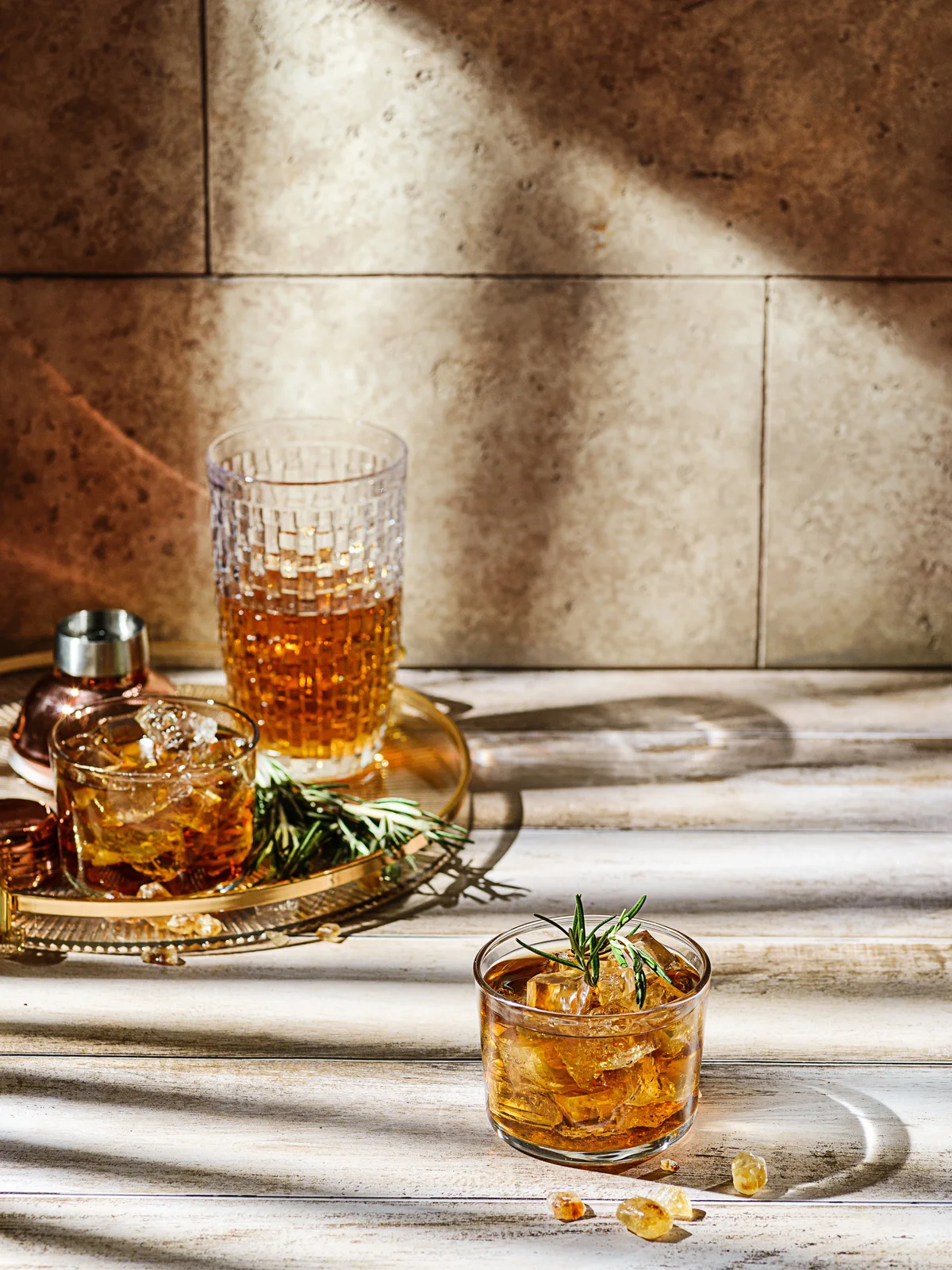
Distillery
Buffalo Trace Distillery, located in Frankfort, Kentucky, is a venerable institution that has been committed to the art…
Distillery
Maker's Mark Distillery, Inc. is a revered bourbon distillery located in Loretto, Kentucky, that epitomizes the art of…
Distillery
Laphroaig Distillery, nestled on the rugged south coast of Islay, Scotland, is synonymous with rich and complex single…
Distillery
Rémy Martin is a prestigious French distillery renowned for its exceptional production of cognac, with a rich heritage…
Spirit
Louis XIII De Rémy Martin Grande Champagne Cognac
Rémy Martin Louis XIII Cognac represents the pinnacle of cognac craftsmanship, a blend of over 1,200 eaux-de-vie, each…
Spirit
Appleton Estate 12 YO Rare Casks Rum
Appleton Estate 12 Year Old Rare Casks Rum represents a pinnacle of Jamaican rum craftsmanship, carefully crafted to…
Spirit
Buffalo Trace Distillery Bourbon Cream Liqueur
Buffalo Trace Distillery Bourbon Cream Liqueur is a masterfully crafted spirit that melds the rich heritage of traditional…
Distillery
ABD Maestro Pvt. Ltd. is the super-premium and luxury spirits arm of Allied Blenders and Distillers (ABD), one…
Distillery
Akkeshi Distillery is a pioneering force in the world of Japanese whisky, harmonizing traditional Scottish distilling practices with…
Distillery
Bee-Ginning Gin Co. is a vibrant craft distillery based in Manchester, renowned for its handcrafted premium gins. Founded…
Distillery
DHV Destilados is a modern distillery located in Valencia, Spain, that has made a name for itself in…
Distillery
Freeland Spirits is a distinguished craft distillery located in Portland, Oregon, celebrated for its exquisite selection of hand-crafted,…
Distillery
Hornitos Tequila Distillery is known for producing high-quality tequila that embodies the rich traditions and craftsmanship of Mexican…
Distillery
Intipalka Winery stands as a hallmark of modern viticulture in the enchanting Ica Valley of Peru. Known for…
Distillery
Ireland Craft Beverages, established in 2014, is at the forefront of a vibrant movement within the Irish craft…
Distillery
Maestro Dobel is a pioneering distillery known for its innovative approach to tequila production, combining traditional methods with…
Distillery
Real De Jalpa, S.C. De R.L. De C.v.
Real De Jalpa, S.C. de R.L. de C.V. is a distinguished craft distillery nestled in the heart of…
Spirit
Ben Nevis 1966 50 YO Calvados Cask Finish Single Malt Whisky
The Ben Nevis 50 Year Old Calvados Cask Finish Single Malt Whisky is a remarkable expression that showcases…
Spirit
Château de Laubade XF Bas Armagnac
Château de Laubade XF Bas Armagnac is a distinguished expression of tradition and craftsmanship in the world of…
Spirit
Connoisseurs Choice Blair Athol 2005 Single Malt Scotch Whisky
Connoisseurs Choice Blair Athol 2005 Single Malt Scotch Whisky is a distinguished release from the Highland region of…
Spirit
Jacsi Martinique Rum is a historical rum that hails from the renowned region of Martinique. Crafted during a…
Spirit
Kavalan Ex Bourbon Cask Strength Selected by The Nectar Single Malt Whisky
Kavalan Ex-Bourbon Cask Strength Selected by The Nectar is a testament to the artistry inherent in the craftsmanship…
Spirit
Kusshh Grape Spirit Barrique Brandy
Kusshh Grape Spirit Barrique Brandy is a distinguished spirit crafted from the finest grapes native to Croatia. This…
Spirit
Mattentaarten Liqueur is a unique spirit that emerges from the tradition of Flemish sweets. This liqueur embodies the…
Spirit
Porter’s Straight 95 Rye Whiskey
Porter’s Straight 95 Rye Whiskey is a distinguished expression from the New York Distilling Company, known for its…
Spirit
The Hakushu Distiller's Reserve Single Malt Japanese Whisky
The Hakushu Distiller's Reserve is a distinguished expression from the House of Suntory, located in the Japanese Alps.…
Spirit
The Nectar Venezuelan 15 YO Rum
The Nectar Venezuelan 15 Year Old Rum stands as a testament to the rich rum-making traditions of Venezuela,…
Discovery and Education
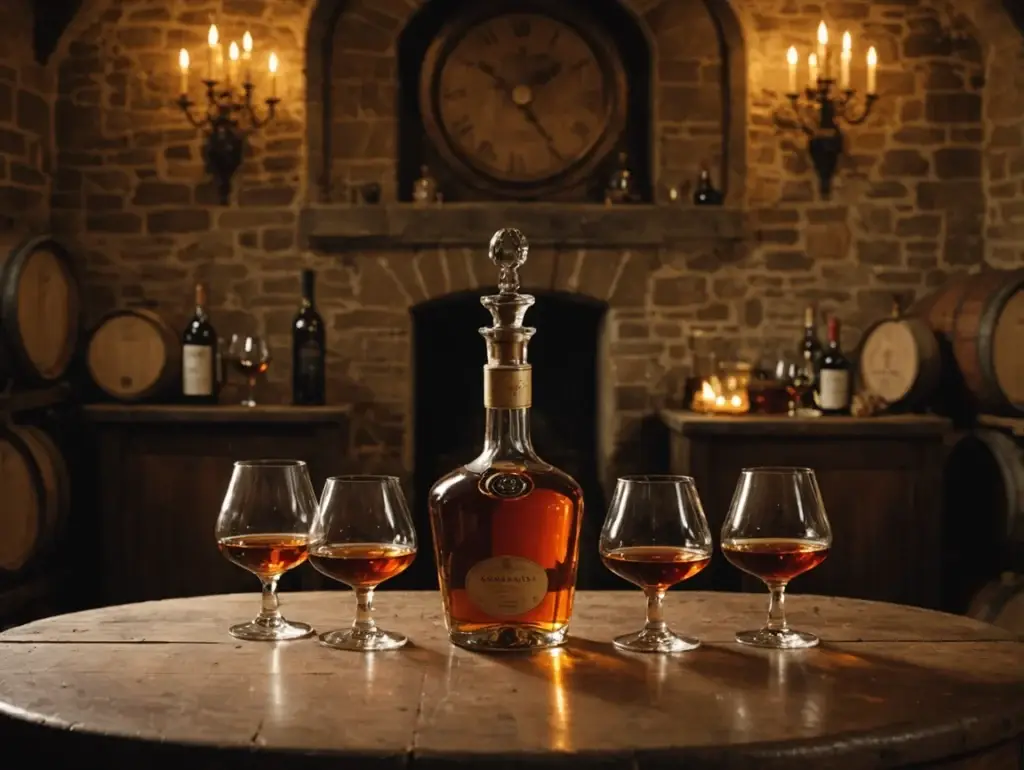
Armagnac, Cognac, and Calvados and France’s Three Visions of Time
France did not create just one great aged spirit. It created three. Armagnac, Cognac, and Calvados emerge from different soils, different raw materials, and different philosophies of maturation, yet all are bound by an unwavering respect for time. In each region, oak is not merely a storage. It is a collaborator. What differs is the […]
March 2, 2026
Discovery and Education
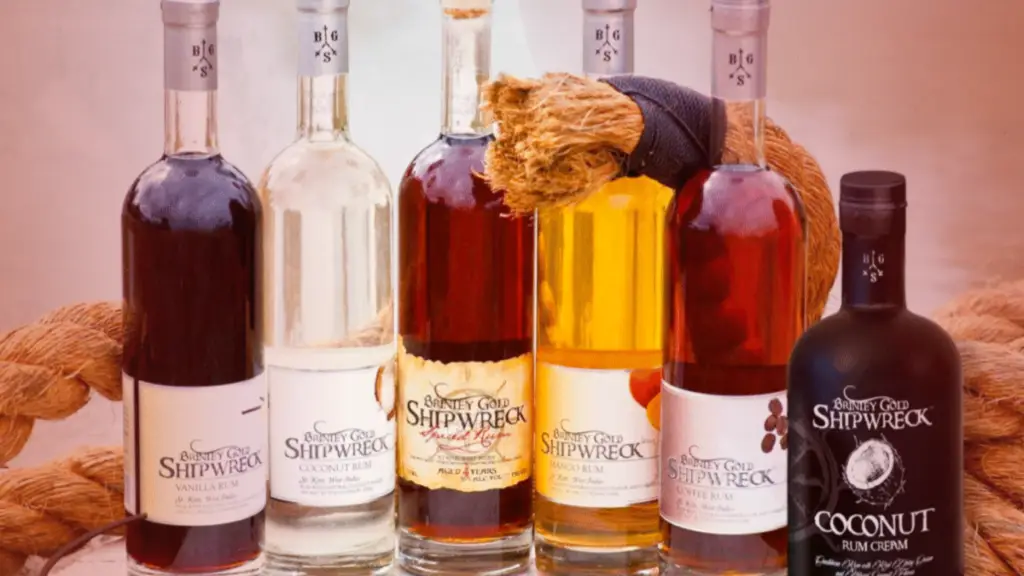
Shipwreck Rum: When the Ocean Became a Rum Cellar
For more than three centuries, rum moved across the Atlantic in wooden hulls bound for Europe and the Americas. Barrels left the Caribbean from islands such as Jamaica and Barbados, produced at estates like Mount Gay Distilleries, founded in 1703, and later at houses such as Appleton Estate, established in 1749. Many of those shipments […]
March 2, 2026
Discovery and Education
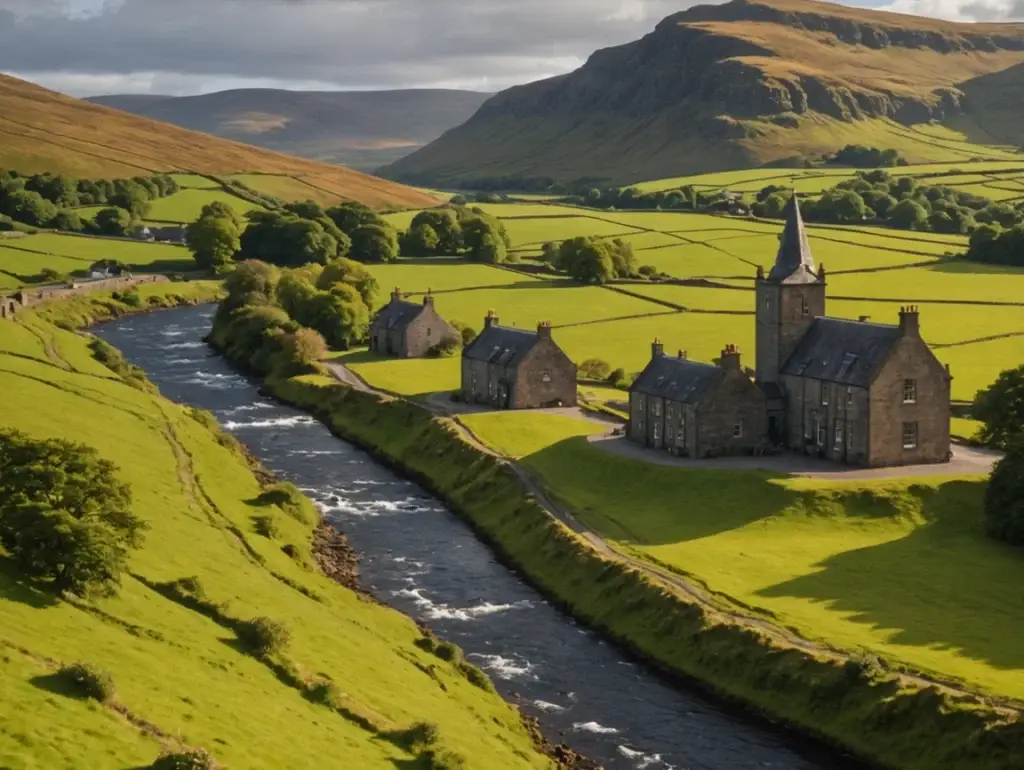
Scotland’s Whisky Regions and the Six Dialects of Flavor
Scotland does not produce one style of whisky. It produces six distinct regional expressions, each shaped by geography, climate, water, peat, and centuries of local tradition. From the floral lightness of the Lowlands to the maritime depth of Campbeltown and the powerful peat of Islay, every region answers the same question differently. How should whisky […]
March 2, 2026