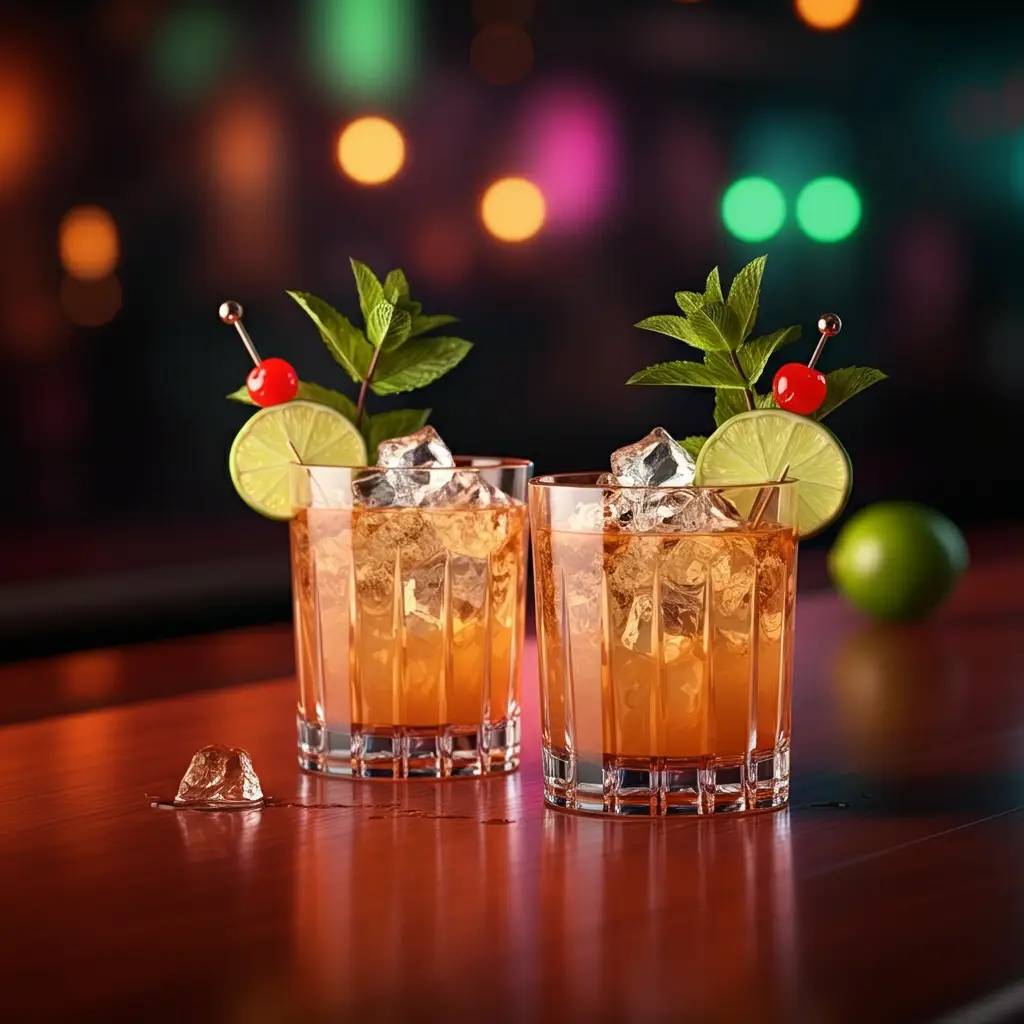
Among the pantheon of Tiki cocktails, where rum, fruit, and spice create tropical escapism in a glass, one recipe stands apart. The Jungle Bird, created in the 1970s at the Hilton Kuala Lumpur in Malaysia, is the only recognized classic Tiki cocktail to use Campari. Its blend of exotic sweetness and Italian bitterness tells a story that is as much about global connection as it is about flavor.
The Jungle Bird was first served in 1978 at the Hilton’s Aviary Bar, designed as a welcome drink for hotel guests. The hotel itself had opened only five years earlier, in 1973, during Malaysia’s rise as a hub of international tourism. To set the bar apart, bartenders created a cocktail that reflected local fruit flavors while incorporating imported spirits. The recipe brought together dark Jamaican rum, pineapple juice, lime juice, simple syrup, and Campari—an unconventional choice in Tiki at the time.
Tiki Tradition and Innovation
Most Tiki cocktails trace their lineage to Don the Beachcomber, who founded Don the Beachcomber in 1934, and Trader Vic Bergeron, who created the Mai Tai in 1944. Their drinks were layered with rum, citrus, and spice, evoking an imagined Polynesian paradise. The Jungle Bird, however, diverged from that model by introducing Campari, invented by Gaspare Campari in 1860 in Novara, Italy. This gave the drink a European twist within a distinctly tropical format.
Bitterness in Paradise
The use of Campari in a Tiki cocktail was daring. Traditionally, Tiki drinks leaned toward indulgence, sweet, fruity, and opulent. Campari, with its sharp bitterness and herbal backbone, cut through the sweetness, adding depth and balance. This fusion of bitter and sweet, European aperitivo and tropical rum, made the Jungle Bird unique in the canon of Tiki cocktails. It also foreshadowed modern drinking trends that embrace bitterness as part of balance.
Rediscovery in the Cocktail Renaissance
Though born in Malaysia, the Jungle Bird did not gain international fame until much later. In the early 2000s, as the cocktail renaissance took hold, bartenders rediscovered the drink through the work of Jeff “Beachbum” Berry, a historian of Tiki culture. Berry featured the Jungle Bird in his 2002 book Intoxica!, bringing it to a global audience. From that point, the Jungle Bird appeared on menus in New York, London, and Sydney, earning recognition as a forgotten classic.
The Modern Jungle Bird
Today, the Jungle Bird is a staple of modern cocktail culture. Its structure of balance, sweetness from pineapple, sharp acidity from lime, richness from Jamaican rum, and bitterness from Campari, makes it resonate with contemporary tastes. Variations abound: some bartenders use blackstrap rum for molasses-heavy depth, others experiment with spiced rum or adjust the Campari ratio. Yet the core DNA remains intact. Importantly, it is also the only Tiki cocktail recognized by the International Bartenders Association that includes Campari, highlighting its singular role in cocktail history.
Global Symbol of Fusion
For bartenders and enthusiasts, the Jungle Bird embodies more than flavor. It is a story of cultural fusion, born in Malaysia, tied to Italian aperitivo, rooted in American Tiki tradition, and revived by the global craft cocktail movement. It demonstrates that cocktails are not fixed by geography but shaped by creativity and exchange. Each glass is both tropical and cosmopolitan, a meeting of worlds in liquid form.
Legacy and Meaning
For the Barlist community, the Jungle Bird is a drink that captures the essence of discovery. It reminds us that behind every recipe lies a journey, across countries, cultures, and decades. The Jungle Bird’s revival affirms that no cocktail is ever truly lost; it may simply wait for the right moment to take flight again. In every pour, one tastes not only rum and pineapple but also the boldness of innovation and the rich tapestry of global cocktail history.
Spirit
Campari Aperitif Bitter Liqueur
Campari Aperitif Bitter Liqueur is an iconic bittersweet liqueur with a rich history and a vibrant red hue.…
Barlist
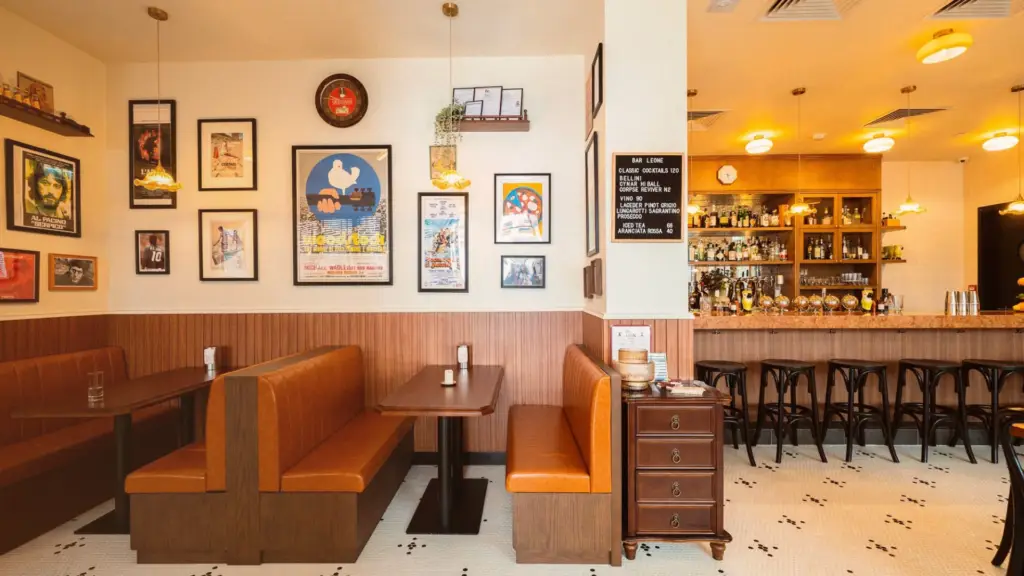
Bar Leone: Precision, Aperitivo Culture, and the Martini Reimagined in Hong Kong
In a city that rarely slows down, Bar Leone opened in Hong Kong in 2023 with a notably different rhythm. There was no attempt to compete through spectacle or technical theatre. Instead, the bar established itself through clarity of purpose, disciplined execution, and a deeply human understanding of what a bar should feel like. Within […]
July 4, 2026
Bars and Cocktails
The Rise of Speakeasy 2.0: How Modern Hidden Bars Reframed Craft
A ringing telephone inside a New York hot dog shop opens a concealed door. A narrow staircase in Shoreditch descends into candlelit jazz. An unmarked façade in Singapore reveals one of Asia’s most awarded cocktail programs. These are not acts of evasion but of design. The rise of Speakeasy 2.0 marks a shift from prohibition […]
March 2, 2026
Bars and Cocktails
Hospitality and Cocktail Culture: The Foundation of Bartending
A well-made cocktail may earn attention, but hospitality determines the meaning of the exchange. It begins before an order is taken, in the way a guest is acknowledged, understood and given a place within the room. Bartending becomes hospitality when technical skill is directed towards another person rather than displayed for its own sake. Service […]
September 29, 2026