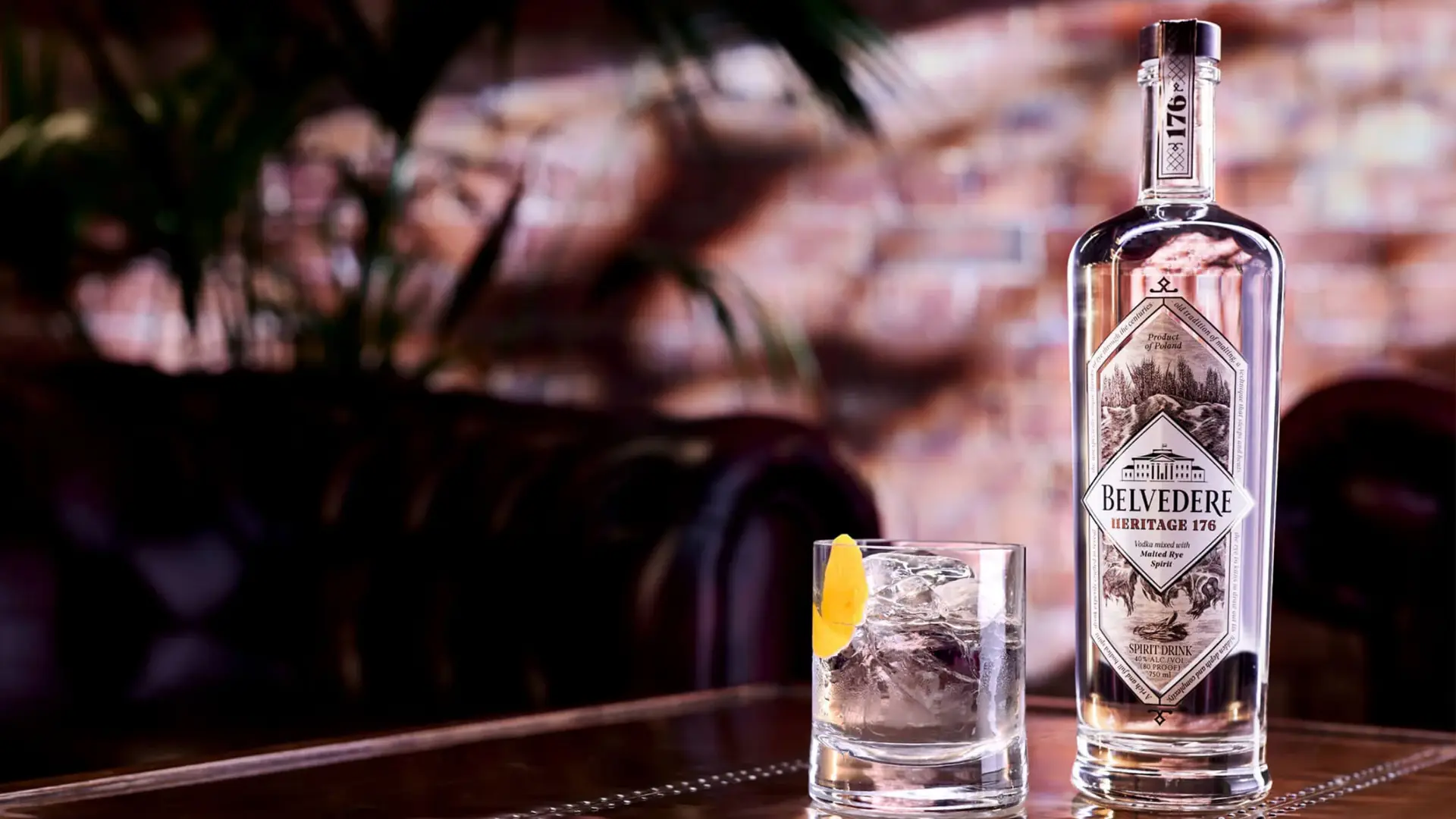
Vodka is frequently dismissed as neutral, as if neutrality were synonymous with absence. In practice, neutrality is a construction. It is the deliberate reduction of aroma, the integration of ethanol, and the calibration of texture into something restrained yet intact. Evaluating vodka demands attentiveness to what remains after distillation has removed almost everything else.
Unlike aged spirits, vodka offers no oak framework, no oxidative development, no visible maturation cues. Its character lies in precision. To understand it requires structured tasting rather than assumption.
Regulation and the Engineering of Neutral Spirit
Modern vodka is defined legally before it is defined sensorially. Under European Union regulation, vodka must be distilled to a high level of purity- typically up to 96 percent alcohol by volume-before dilution. The objective is the removal of congeners that contribute a strong aroma. In the United States, federal standards describe vodka as neutral spirits without distinctive character, aroma, taste, or color.
Yet neutrality is never absolute. Raw material, fermentation method, distillation type, and filtration medium leave faint but perceptible structural traces.
The Absolut Company produces vodka in Åhus using winter wheat and continuous column distillation, emphasizing consistency and single-site control since 1879. Belvedere Vodka, launched in 1993 and distilled from Dankowskie rye, relies on grain texture rather than additives to shape mouthfeel. Tito’s Handmade Vodka employs pot still distillation in Austin, Texas, an uncommon choice in vodka production that results in a slightly weightier palate structure.
These production decisions are not cosmetic. They influence viscosity, ethanol integration, and finish.
Preparing for Controlled Vodka Evaluation
Serious evaluation begins with the environment. Vodka should be assessed at room temperature, approximately 18 to 20 degrees Celsius. Over-chilling suppresses texture and numbs perception. Glassware should narrow slightly at the rim to concentrate subtle vapors without exaggerating alcohol.
Visual clarity is an absolute requirement. Any haze indicates instability or temperature shock. When gently rotated, the spirit forms legs along the glass. Their speed and thickness may suggest glycerol content or dilution weight, though interpretation must remain cautious.
Aroma assessment should be measured and brief. Ethanol will dominate, but trained tasters can detect cereal softness in wheat vodkas, peppery dryness in rye-based examples, or faint sweetness in potato distillates. Grey Goose, produced from Picardy wheat and limestone-filtered water from Gensac-la-Pallue, often presents a softer aromatic profile compared to sharper rye-based vodkas. In vodka, absence is information.
Texture as the Primary Differentiator
Where aroma retreats, texture becomes central. The first sip should be allowed to coat the palate slowly. Integration of ethanol is the critical measure. A well-distilled vodka enters smoothly, builds subtle warmth mid-palate, and resolves cleanly without aggressive heat.
Potato vodkas often display fuller viscosity due to raw material composition. Chopin Vodka, distilled in Poland from potatoes, provides a useful contrast to rye or wheat expressions. Rye typically introduces firmer structure and drier finish. Wheat tends toward softness and rounded entry.
Water composition further shapes perception. Reyka Vodka, distilled in Iceland using glacial water filtered through lava rock, is frequently described as clean and light in texture. Mineral balance affects dilution behavior and mouthfeel stability.
Neutrality, therefore, does not eliminate difference. It narrows it.
Finish, Integration, and Structural Purity
The finish of vodka reveals its discipline. Harsh bitterness, metallic aftertaste, or aggressive burn indicate insufficient rectification or imbalance in dilution. A well-constructed vodka concludes with controlled warmth and moderate length.
Length should not linger excessively. Vodka is not designed for extended aromatic evolution. Its refinement lies in clarity and stability.
Comparative blind tasting remains the most effective analytical tool. Side-by-side evaluation reduces brand bias and exposes subtle variations in viscosity and integration. Even within tightly regulated production parameters, structural nuance emerges.
Production Method and Sensory Outcome
Continuous column distillation, common in large European facilities, emphasizes purity and repetition. Pot still distillation, less typical but used by select producers, may retain marginally greater textural weight. Filtration methods- whether charcoal, quartz, or proprietary systems- polish the spirit but can thin structure if over-applied.
The interplay between distillation strength and dilution water determines the final mouthfeel. At bottling strengths around 40 percent alcohol by volume, small differences in mineral composition alter perception more than dramatic grain distinctions.
Vodka rewards attention to subtlety.
Vodka’s identity rests on restraint. It is not a blank canvas but a refined system of reduction. From Åhus to Żyrardów to Austin and Icelandic lava fields, producers operate within regulatory frameworks that demand clarity while allowing controlled variation.
Neutrality is not emptiness. It is calibrated absence, shaped by grain, water, distillation, and filtration. When assessed with discipline, vodka reveals that clarity itself is a form of craftsmanship.


Distillery
Belvedere distillery, renowned for producing one of the world's first luxury vodkas, epitomizes craftsmanship and tradition in spirit…

Distillery
Grey Goose is a luxury vodka brand produced in France, renowned for its distinctive quality and craftsmanship. Established…

Distillery
The Reyka Vodka Distillery is renowned for producing one of the purest vodkas available, originating from the scenic…
Distillery
The Absolut Company Distillery, nestled in the picturesque town of Åhus, Sweden, is renowned for producing one of…
Distillery
Chopin Vodka is a hallmark of Polish craftsmanship, representing a legacy of quality and tradition in vodka production.…
Spirit
Chopin Rye Vodka is a premium spirit that brings forth the character and complexity of Polish rye. Distilled…
Spirit
Reyka Small Batch Vodka is an exceptional representation of Icelandic craftsmanship, renowned for its purity and smoothness. Handcrafted…

Bars and Cocktails
Why Modern Bars Are Moving Toward Laboratory Models
The transformation of the modern bar did not begin with centrifuges or laboratory glassware. It began earlier, when cocktail preparation first shifted from improvisation to standardization. By the mid-20th century, hotel bars such as the American Bar at the Savoy Hotel in London had already introduced repeatable methods for drinks like the Martini and the […]
April 8, 2026

Discovery and Education
Charcoal Filtration in Vodka Production After 1950
In the years immediately following World War II, vodka entered a new phase of industrial clarity. Distillation technology had already advanced to the point where spirit could be produced at high purity, often approaching 96 percent alcohol by volume. Yet purity alone did not define vodka’s emerging identity. The question facing producers in Eastern Europe […]
April 3, 2026
Discovery and Education
From Grain to Glass Best Vodkas to Try in 2025
Few spirits capture purity and precision like vodka. It is a drink defined not by complexity but by clarity, a spirit that reveals the craftsmanship behind every distillation. In 2025, vodka continues to evolve beyond its minimalist reputation, becoming a showcase for innovation, terroir, and artistry. From family-run microdistilleries to global icons refining their formulas, […]
November 2, 2025