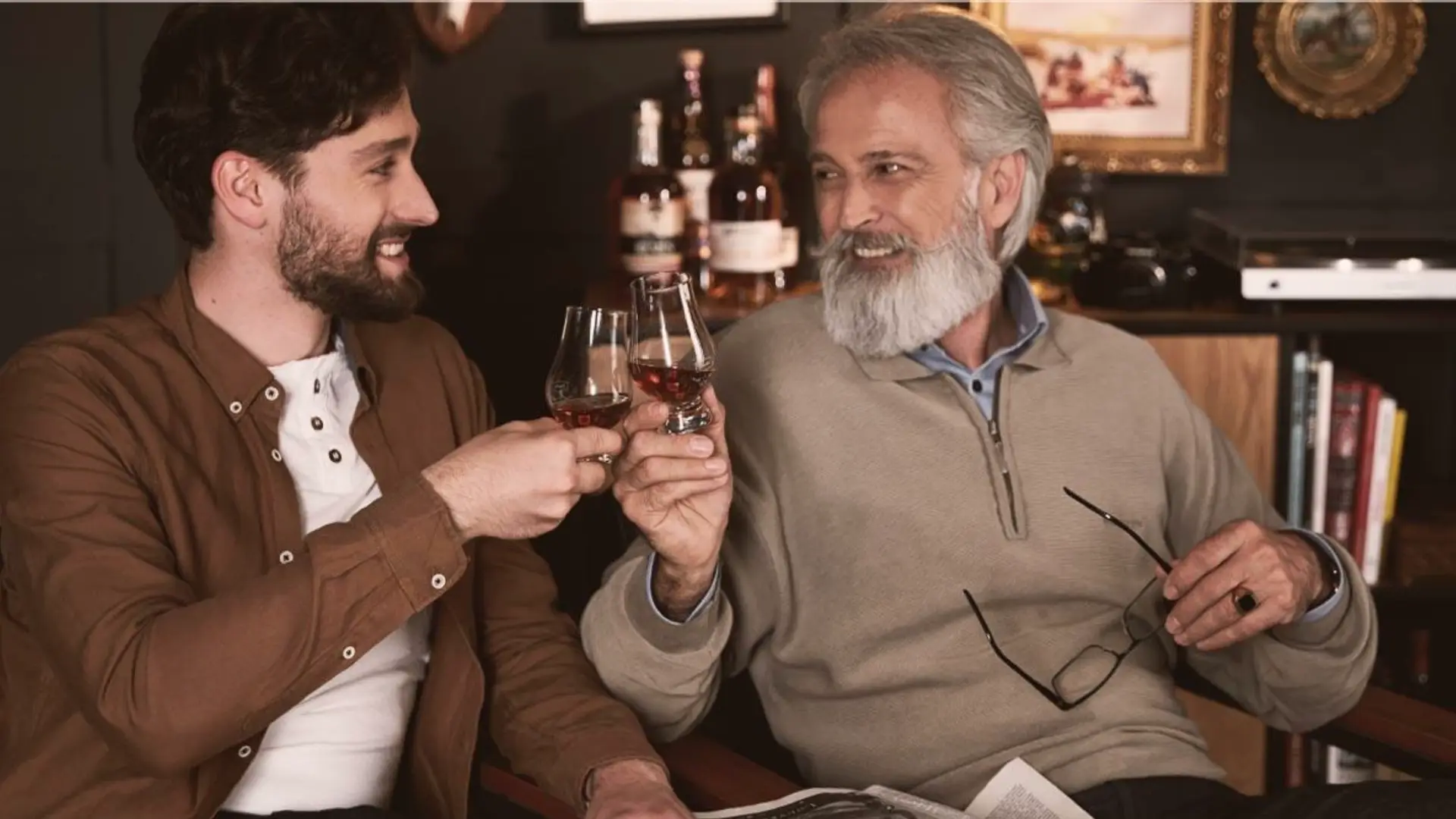
Across continents, distillation emerged from the same chemistry but evolved into two distinct philosophies. Among the Two Worlds of Spirits, in Europe and the Atlantic world, spirits became an expression of time. Whiskey matured for decades in oak. Cognac developed slowly in cellar conditions governed by the Bureau National Interprofessionnel du Cognac. Rum crossed oceans, shaped by movement and storage, with producers like Mount Gay Distilleries refining aged expressions tied to trade and transport.
This approach treated spirits as vessels of patience. Oak barrels transformed raw distillate into layered complexity. Blenders curated time itself, as seen in houses such as Hennessy, where generations shaped consistent identity through aging and blending. The result was preservation. A liquid archive designed to evolve beyond the moment it was created.
Living Spirits and Immediate Culture
In Southeast Asia, a different logic prevailed. Fermented and distilled drinks such as Arrack, rice wines, and palm toddy were produced for immediacy rather than longevity. Across regions in Indonesia, the Philippines, and Vietnam, spirits were made from local materials using bamboo, clay, and palm-based fermentation systems.
Producers such as Veyrat Distillery (Batavia Arrack tradition) illustrate how fermentation and distillation are adapted to climate and available resources. Tropical heat accelerated fermentation cycles, reducing the need for long-term aging. Instead of storing time, these spirits captured presence. They were consumed fresh, shared within communities, and tied to ritual rather than export. The emphasis was not on how a spirit evolves over decades, but how it connects people in a single moment.
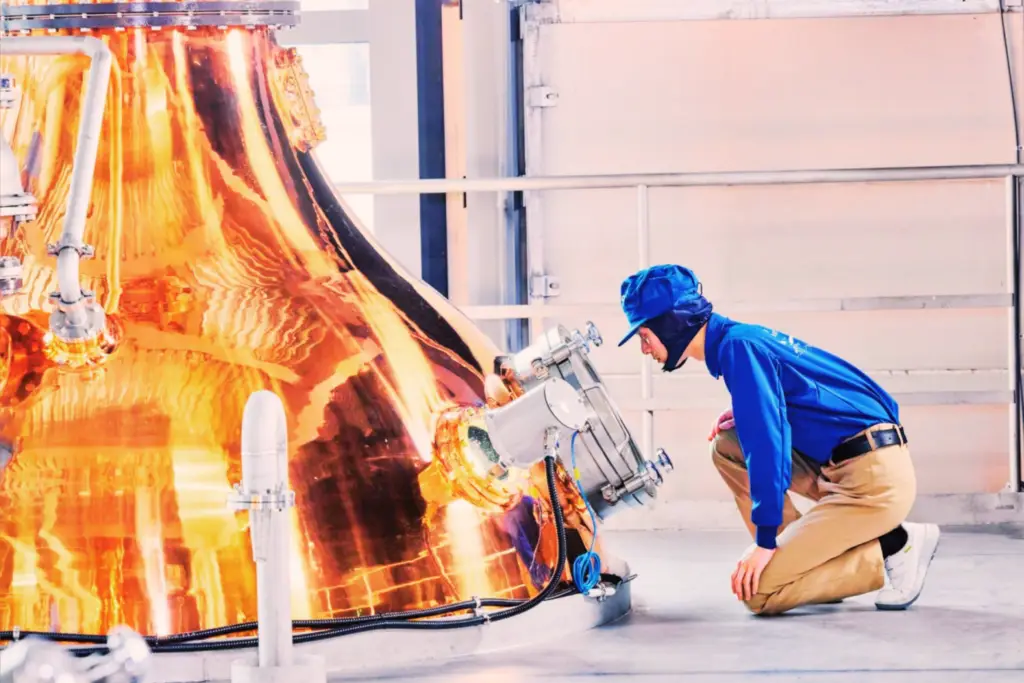
Two Philosophies, One Chemistry
Both traditions begin with the same foundation. Grain or sugar, yeast, fermentation, and distillation. Yet climate, trade routes, and cultural priorities shaped entirely different outcomes. The Western model pursued endurance. Spirits designed to travel, age, and outlive their makers. The Southeast Asian model embraced immediacy. Spirits designed to be experienced within the moment they were created.
At Barlist, this contrast reveals the deeper truth behind spirits. They are not defined only by ingredients or technique, but by intention. One path preserves memory through time. The other creates memory in the present. Both transform fermentation into culture.
Distillery
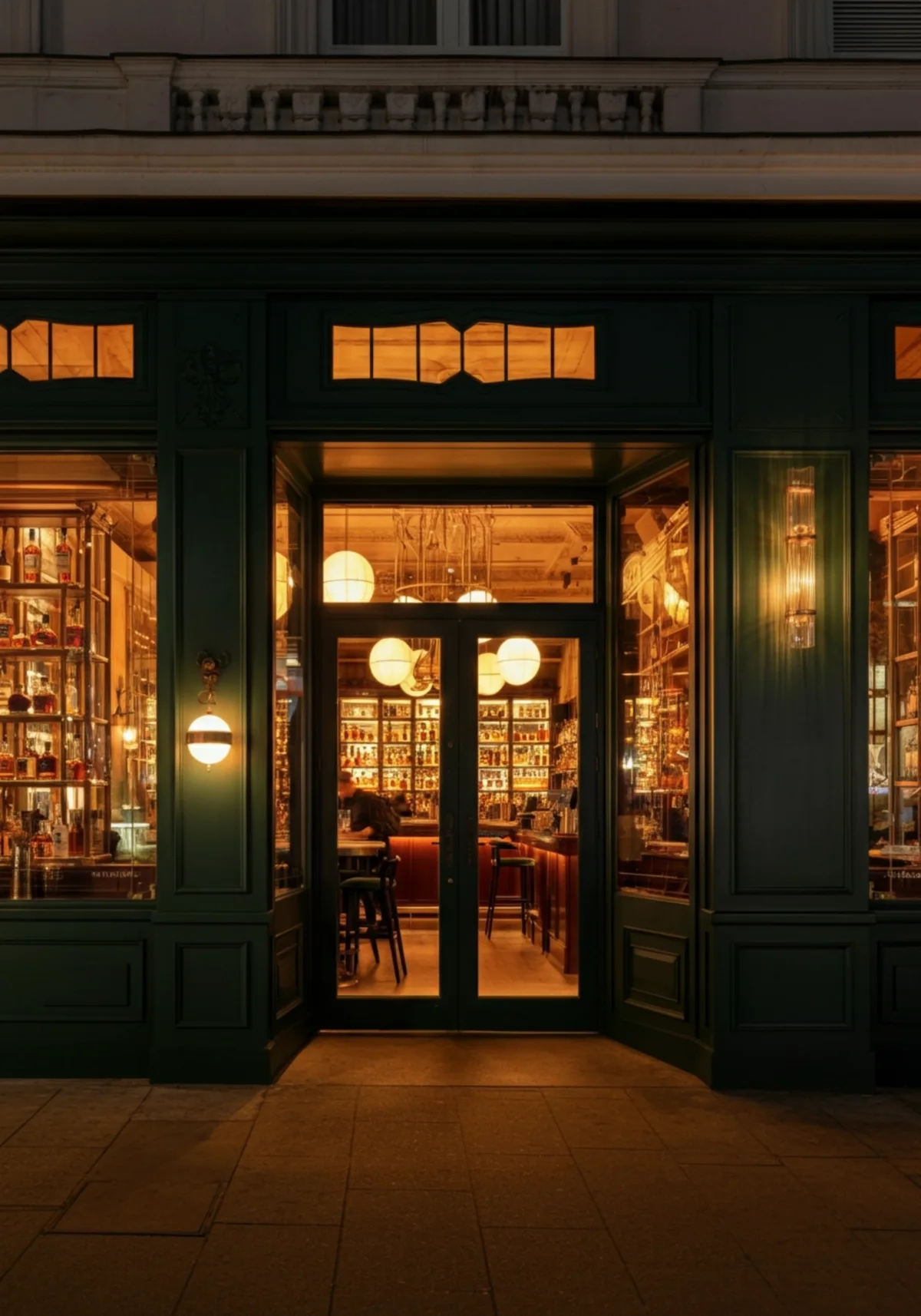
Hennessy Cognac is renowned as the world's leading producer of cognac, representing a harmonious blend of tradition and…
Distillery
Mount Gay Distillery, renowned as the oldest running rum distillery in the world, has been the cornerstone of…
Partnership

The Port of Bordeaux and the Trade Routes That Built Cognac
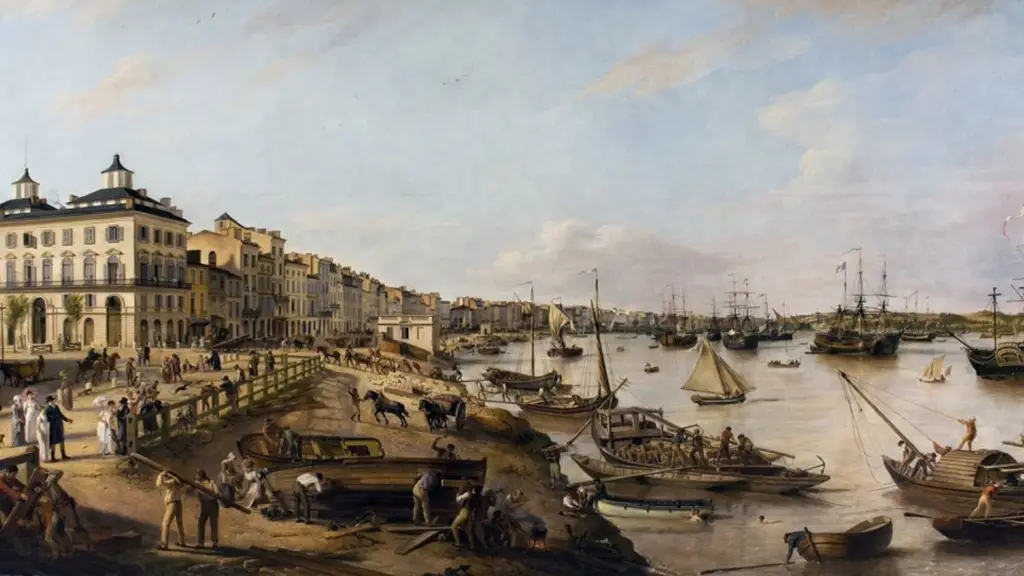
Cognac did not become a global spirit because of vineyards alone. Its rise depended on water, ships, and merchants long before it depended on distilleries. The identity of Cognac was shaped as much by the port of Bordeaux as by the chalk soils of Charente. Without Bordeaux’s access to Atlantic trade routes, cognac would likely […]
September 16, 2026
Partnership
Jamaica Rum and the Sugar Estate Landscape Behind a Protected GI
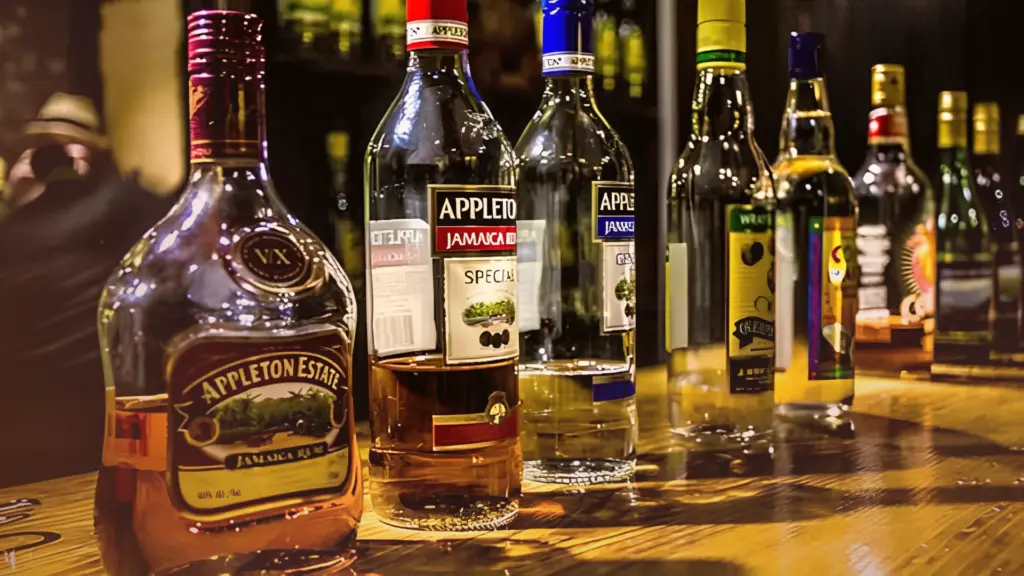
Jamaica’s Rum story begins with sugar estates, limestone water, heavy fermentations, coastal trade, and a landscape where cane became both wealth and memory. The island’s reputation was not made by one house or one parish. It grew across estates, distilleries, ports, and rural communities where sugar production and rum making became inseparable from the country’s […]
September 13, 2026
Partnership
From Porto da Cruz to Calheta: The Distilleries That Define Madeiran Rum
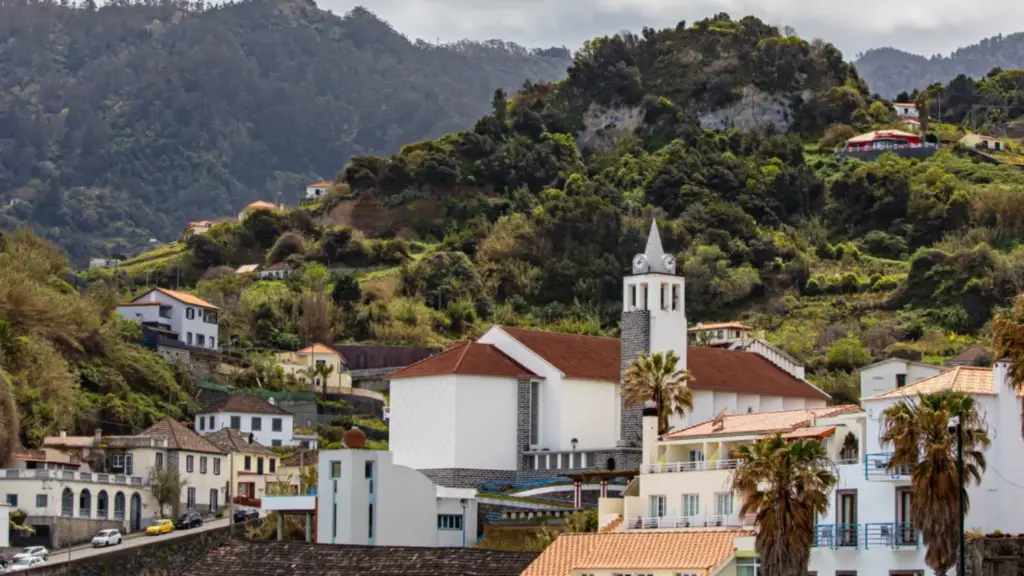
Madeiran rum exists within a narrow technical and geographic framework that resists abstraction. Unlike Caribbean or Latin American rum traditions shaped by scale and export, rum production on Madeira remains tied to fresh sugarcane juice, seasonal distillation, and localised milling. From the northern coast at Porto da Cruz to the southern town of Calheta, a […]
September 9, 2026