
The Pattison Crash fact
At the end of the 19th century, Scotch whisky stood on the edge of modern success. Demand was rising, blends were spreading across Britain and beyond, and the industry appeared unstoppable. Then came the Pattison brothers. What followed was not a slow decline, but a violent collapse that exposed how fragile whisky’s golden age really was.
The Rise Built on Illusion
The Pattison brothers built their empire on noise, spectacle, and confidence. Their name was everywhere, repeated so often that even parrots were trained to shout Pattison’s Whisky. Behind the bravado, however, lay a dangerous illusion. Accounts were manipulated, debts were hidden, and promises were backed not by stock, but by belief. At its height, the deception was worth more than half a million pounds, a staggering sum for the time. When the truth emerged in 1898, the effect was immediate and devastating. Credit vanished overnight, leaving distilleries that had expanded to meet Pattison demand suddenly exposed.
The Collapse That Reshaped Scotch Whisky
The crash did more than destroy one company. It shook confidence in Scotch whisky itself. Dozens of distilleries closed. Investors fled. Blenders, brokers, and banks were compelled to acknowledge how speculation and unchecked hype had supplanted transparency and discipline. From the wreckage came lasting change. Tighter financial controls, more cautious expansion, and a renewed emphasis on integrity reshaped the industry in the decades that followed. Modern Scotch, a regulated and reputation-driven brand, was forged in response to this failure.
At Barlist, this story matters because whisky history is not only about craft and tradition. It is also about collapse, correction, and lessons learned the hard way. The Pattison Crash stands as a reminder that every bottle carries echoes of the past, including the mistakes that shaped the industry we know today.


Distillery
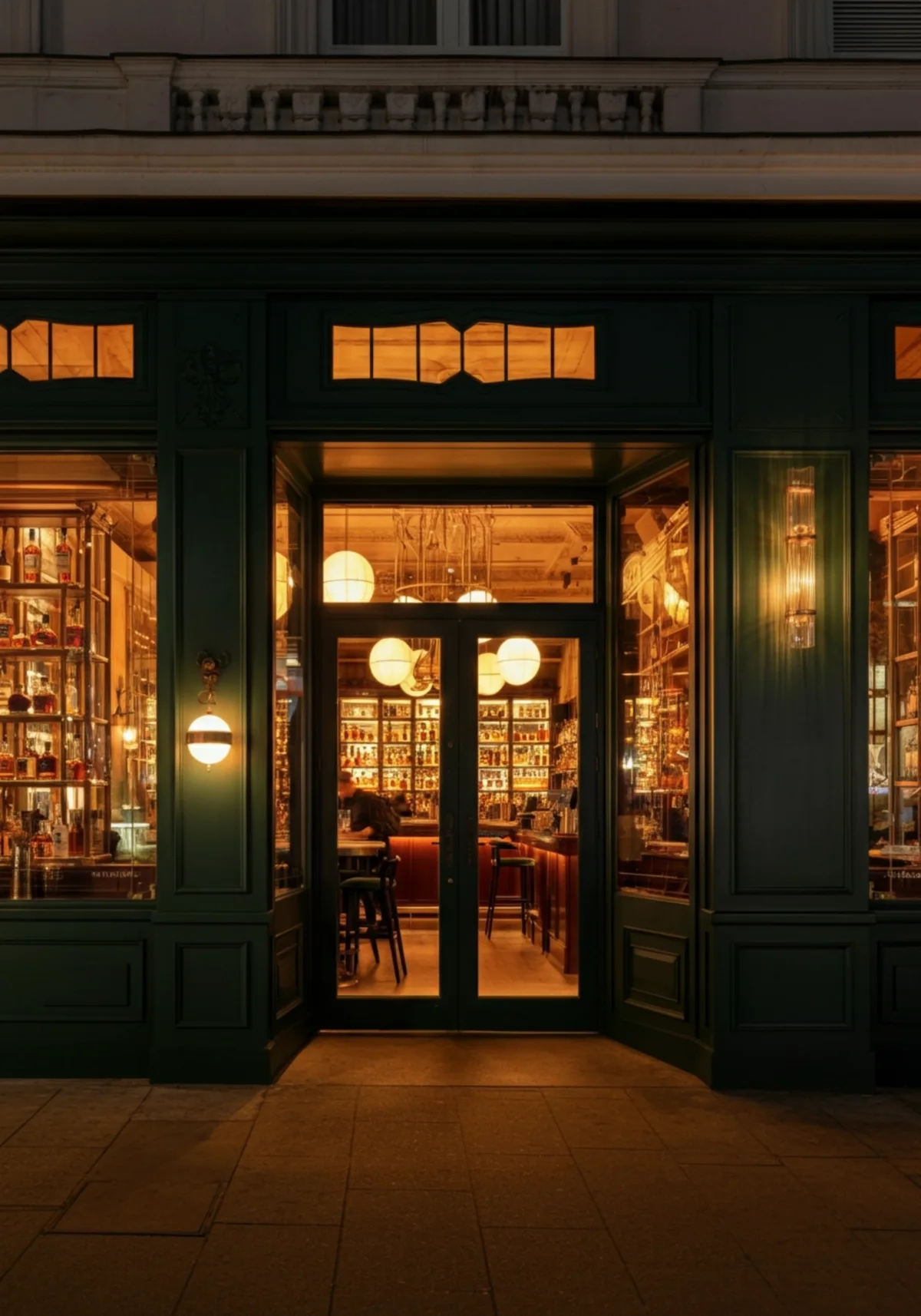
Sir Edwards Distillery is a quintessential embodiment of Scottish whisky craftsmanship, offering a diverse range of blended Scotch…
Spirit
Sir Edward's Finest Blended Scotch Whisky
Sir Edward's Finest Blended Scotch Whisky is a distinguished blended whisky hailing from Scotland, refined through a meticulous…

Partnership

Pisco: A Spirit Claimed by Two Nations
Pisco is one of the few spirits whose identity is divided by national borders rather than defined by them. Both Peru and Chile claim pisco as a national spirit, each supported by legal frameworks, historical narratives, and active production. This dual claim is not a modern branding dispute. It is the outcome of colonial administration, […]
October 7, 2026
Partnership
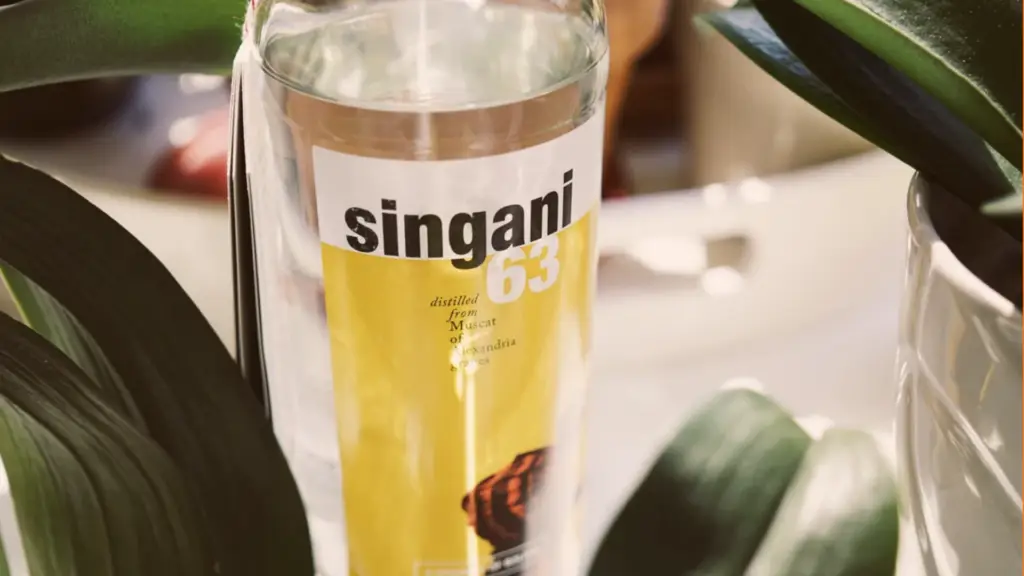
Singani: Bolivia’s High-Altitude Spirit and a Forgotten Andean Heritage
Singani is one of the least understood legally protected spirits in the world. Despite centuries of continuous production in Bolivia, it remains largely absent from global spirits discourse. This absence is not due to ambiguity or lack of definition. Singani is one of the most tightly structured grape distillates in existence, defined by altitude, grape […]
September 30, 2026
Partnership
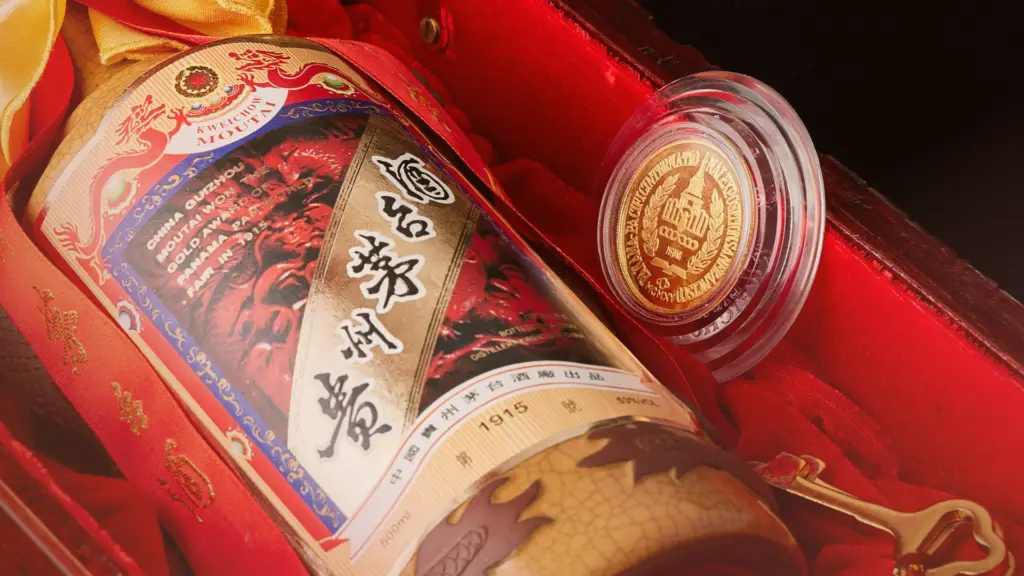
Kweichow Moutai: The Protected Origin of Sauce Aroma Baijiu
Moutai begins in a bend of the Chishui River, in a town where geography has been asked to explain taste for generations. The river, the valley heat, the purple-red soils, the surrounding hills, and the microbial life of Maotai Town are all part of the story people tell when they try to explain why this […]
September 27, 2026