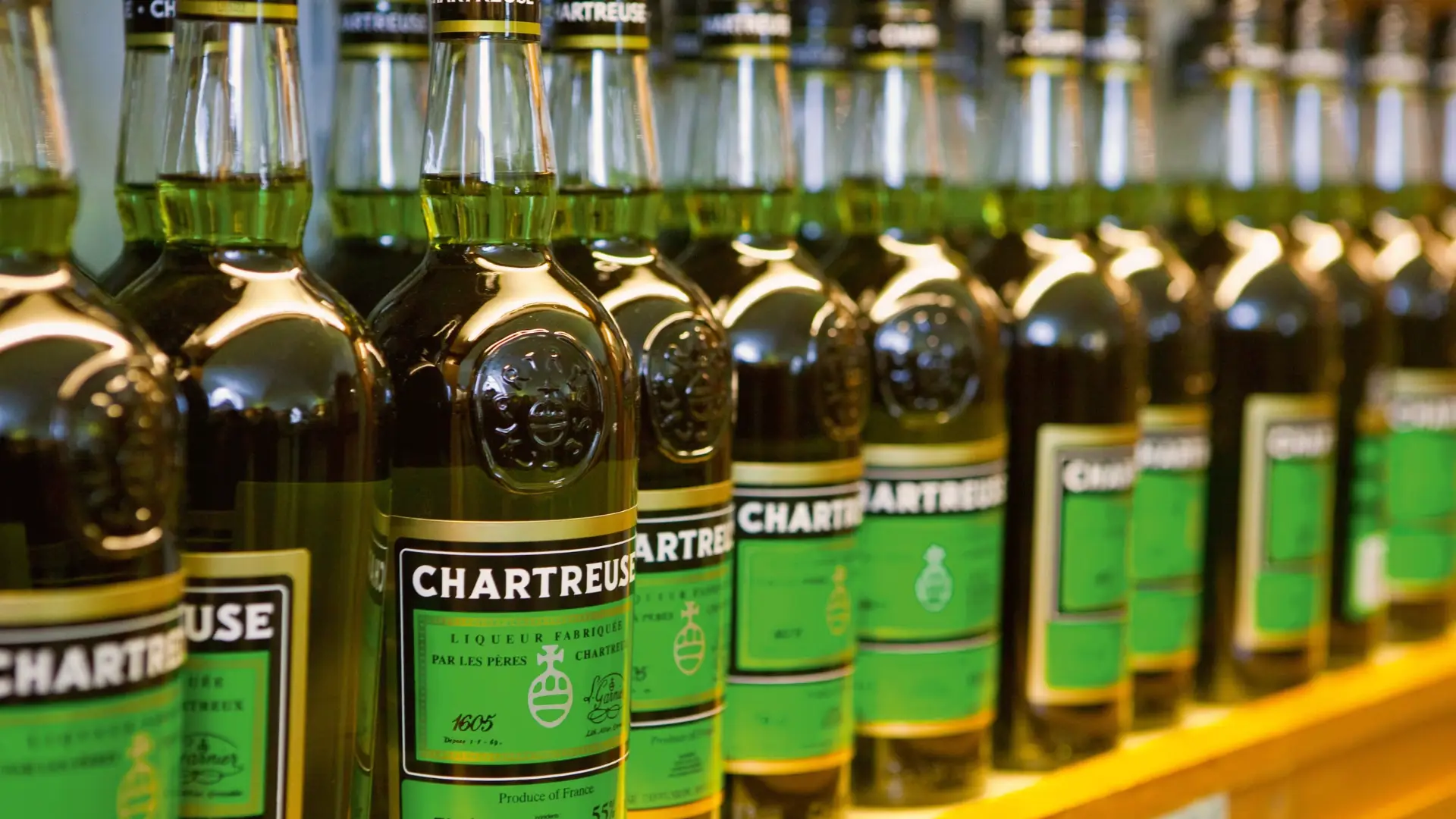
Long before Chartreuse became a fixture behind cocktail bars and spirits collections, it survived political upheaval, revolution, exile, confiscation, and repeated attempts to separate it from the people who created it. Few products in the spirits world have remained so closely tied to a single religious community for so long.
The story of Chartreuse is often presented as a story of secrecy. The famous herbal recipe, known in full by only a handful of monks at any given time, has inspired centuries of speculation. Yet the more remarkable story may be one of survival. Across four centuries, the Carthusian monks who produce the liqueur repeatedly lost buildings, property, and even their country, but they never lost control of the formula itself.
In an industry where ownership changes, acquisitions, and corporate restructuring are common, Chartreuse remains one of the rare examples of a spirit whose identity continues to be defined by the same religious order that first produced it.
A Manuscript Arrives in Paris
The origins of Chartreuse begin in 1605 when François Hannibal d’Estrées presented a mysterious manuscript to the Carthusian Order in Paris. The document contained a complex recipe for an “Elixir of Long Life,” reportedly composed of dozens of botanical ingredients.
The Carthusians, a monastic order founded by Bruno of Cologne in 1084, preserved the manuscript but did not immediately produce the formula. Its complexity was such that generations passed before it was fully understood.
Eventually, the recipe was transferred to the order’s headquarters at Grande Chartreuse, located in the Chartreuse Mountains near Grenoble. There, monastic apothecaries gradually refined the formula into a workable preparation. The result was not originally a beverage intended for leisure. It was a medicinal herbal preparation rooted in early modern European traditions of botanical remedies.
The Birth of a Distinctive Liqueur
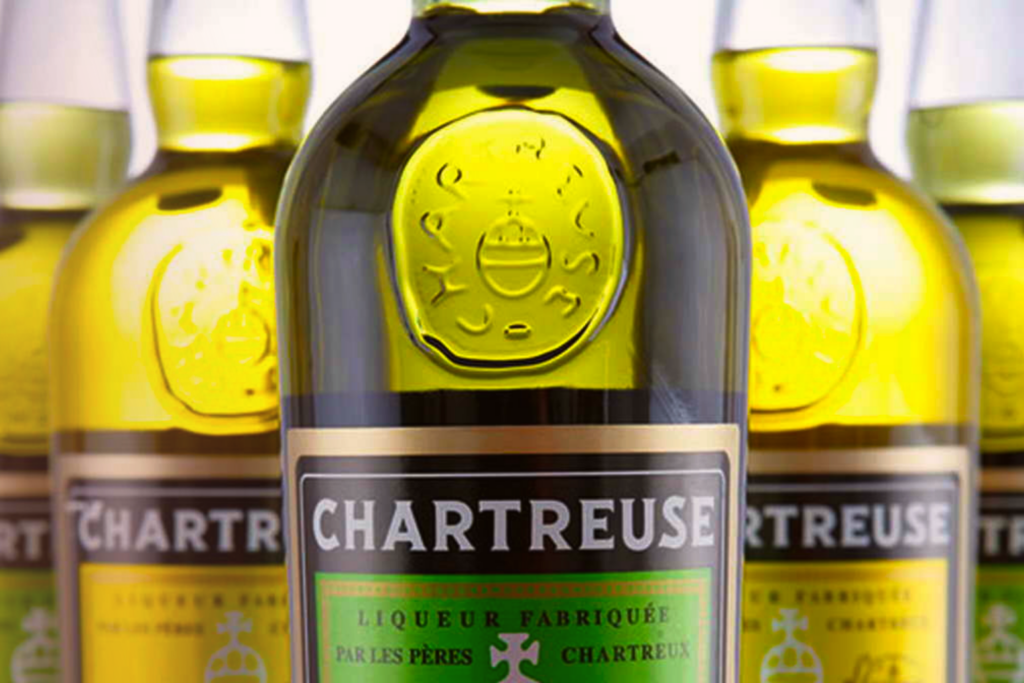
In 1737, the monks produced what is now known as Élixir Végétal de la Grande-Chartreuse, a highly concentrated herbal spirit still sold today. The success of the elixir encouraged further development. In 1764, the Carthusians introduced Green Chartreuse, which transformed the medicinal preparation into a commercial liqueur.
Its profile differed dramatically from most spirits of the period. Rather than emphasizing a single botanical, Chartreuse combined a complex blend of approximately 130 herbs, plants, roots, flowers, and spices. The precise formula remains one of the most closely guarded recipes in the beverage world.
Unlike many herbal products whose recipes evolved significantly over time, Chartreuse maintained remarkable continuity. The liqueur produced today remains structurally linked to the formulations developed by the monks centuries ago.
Revolution and Confiscation
The first major threat to Chartreuse arrived with the French Revolution. In 1793, revolutionary authorities expelled the Carthusians from their monastery and seized church property throughout France. The monks were dispersed, and production ceased. At this point, the future became uncertain. Without the Carthusians, the formula risked disappearing entirely.
According to accounts preserved by the order, the recipe survived because copies remained hidden among trusted individuals connected to the monks. Following the political stabilization of France in the early nineteenth century, it eventually returned and resumed production. The liqueur had survived its first major existential crisis.
Exile and the Spanish Years
A second and even greater challenge emerged in the early twentieth century. In 1903, anti-clerical legislation enacted by the French government forced many religious communities from the country. The Carthusians were expelled once again, and their distillery assets were confiscated.
Production of Chartreuse ceased in France. The monks relocated to Tarragona, where they rebuilt operations and resumed production using the original formula.
Meanwhile, French authorities attempted to continue manufacturing a substitute version under the Chartreuse name. Although the government controlled the trademarks and facilities, it did not possess the complete recipe. Consumers quickly recognized the difference.
The Spanish-produced Chartreuse maintained authenticity because the formula remained with the monks. The government-produced alternative struggled commercially despite retaining legal rights to the brand within France. The episode demonstrated a crucial reality: the value of liqueur did not reside in buildings or trademarks alone. It resided in knowledge.
The Return to France
By 1929, financial difficulties and changing political circumstances allowed the Carthusians to regain effective control of the brand. Production gradually returned to France, and by the 1930s, Chartreuse was once again associated primarily with its historic homeland. The order eventually established production facilities near Voiron, where manufacturing remained for decades.
Throughout the twentieth century, the monks expanded distribution while maintaining strict control over the formula. Unlike many historic spirits that passed into corporate ownership, the liqueur remained under Carthusian supervision. This continuity became increasingly rare as consolidation transformed the global spirits industry.
Secrecy as Production Philosophy
The mystery surrounding Chartreuse is often exaggerated, but its secrecy is real. Only a small number of Carthusian monks know the complete recipe at any given time. They are responsible for selecting, preparing, and blending the botanical ingredients before the mixture enters production.
The formula incorporates approximately 130 botanicals, though the exact composition remains undisclosed. This process produces several expressions, including Green Chartreuse, bottled at 55% ABV, and Yellow Chartreuse, a milder expression introduced in 1838. The liqueurs are aged before release, a practice that distinguishes Chartreuse from many herbal spirits and contributes to its ability to evolve in the bottle over time.
Chartreuse in Modern Cocktail Culture
Although its origins lie in monastic medicine, Chartreuse became increasingly important to bartenders throughout the twentieth and twenty-first centuries. Cocktails such as the Last Word, the Bijou, and the Chartreuse Swizzle helped introduce new generations of drinkers to the liqueur’s distinctive botanical intensity.
At the same time, limited production and growing demand transformed the liqueur into one of the most sought-after ingredients in contemporary bars. In recent years, the monks have publicly stated that production growth will remain limited, prioritizing monastic life over unlimited commercial expansion. The decision reflects a philosophy rarely seen in modern beverage markets. Growth exists, but only within boundaries established by the order itself.
Barlist Reflection: When a Recipe Outlives Empires
Many spirits survive because companies protect them. Chartreuse survived because a religious order protected an idea.
The Carthusians lost monasteries, distilleries, trademarks, and access to their homeland at different moments in history. Yet the formula remained intact because its custodians viewed it as a responsibility rather than an asset.
Today, Green Chartreuse, Yellow Chartreuse, and Élixir Végétal de la Grande-Chartreuse remain among the most recognizable herbal liqueurs in the world. Their survival was never guaranteed. It was earned through centuries of continuity, discretion, and resilience.

Spirit
Chartreuse Green Liqueur is a remarkable French herbal liqueur known for its vibrant green color and complex profile.…
Spirit
Chartreuse Cuvée des Meilleurs Ouvriers De France Sommeliers Liqueur
Chartreuse Cuvée des Meilleurs Ouvriers Liqueur is a remarkable expression of the storied tradition of the Chartreuse spirit,…
Spirit
Yellow Chartreuse Jaune Herbal Liqueur
Chartreuse Yellow Herb Liqueur is a renowned herbal liqueur produced by the Carthusian monks in France, predominantly characterized…
Spirit
Chartreuse Green Liqueur is a remarkable French herbal liqueur known for its vibrant green color and complex profile.…
Spirit
Chartreuse Cuvée des Meilleurs Ouvriers De France Sommeliers Liqueur
Chartreuse Cuvée des Meilleurs Ouvriers Liqueur is a remarkable expression of the storied tradition of the Chartreuse spirit,…
Spirit
Yellow Chartreuse Jaune Herbal Liqueur
Chartreuse Yellow Herb Liqueur is a renowned herbal liqueur produced by the Carthusian monks in France, predominantly characterized…
Cocktails
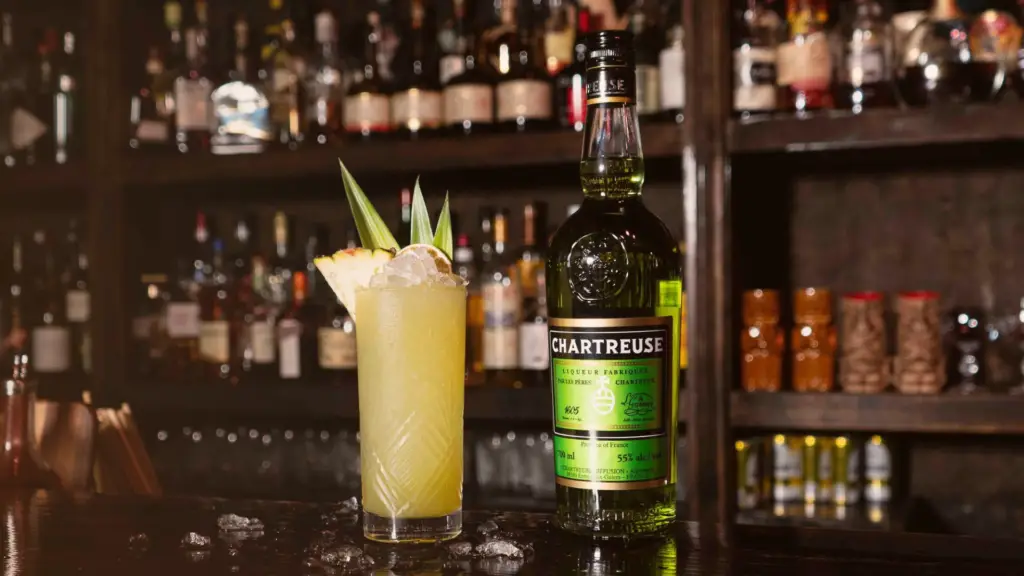
Chartreuse Swizzle: Modern Cocktail That Turned a Monastic Liqueur into a Contemporary Classic
Some cocktails become important because they perfect an old structure. Others matter because they bring two unlikely worlds together and make the connection feel inevitable. The Chartreuse Swizzle belongs to the second group. Its foundation is Green Chartreuse, one of the most distinctive herbal liqueurs in the world, produced by Carthusian monks from a guarded […]
June 9, 2026
Partnership

From Porto da Cruz to Calheta: The Distilleries That Define Madeiran Rum
Madeiran rum exists within a narrow technical and geographic framework that resists abstraction. Unlike Caribbean or Latin American rum traditions shaped by scale and export, rum production on Madeira remains tied to fresh sugarcane juice, seasonal distillation, and localised milling. From the northern coast at Porto da Cruz to the southern town of Calheta, a […]
September 9, 2026
Partnership
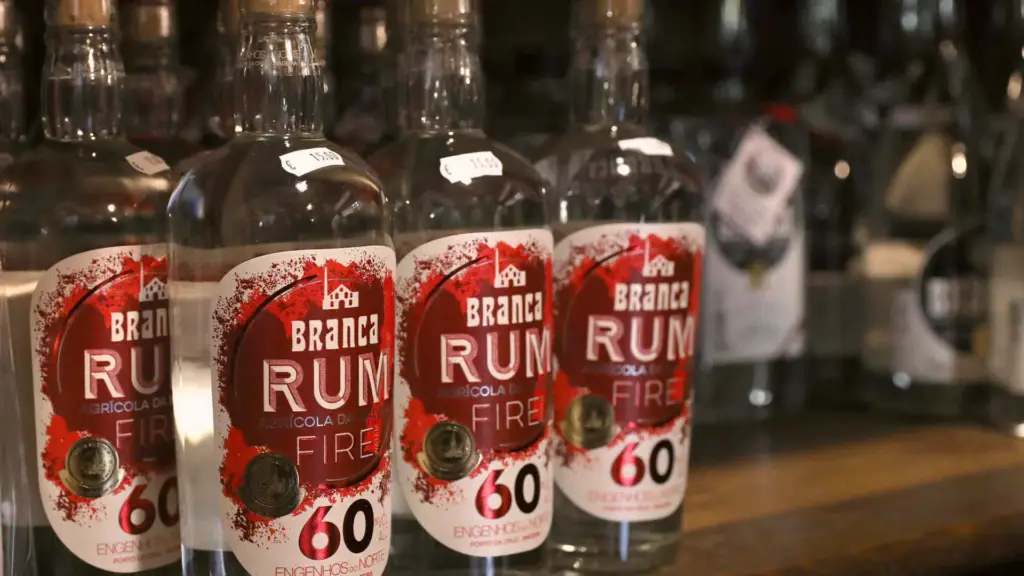
Technical Divide in Madeiran Rum Production: Pot Stills, Column Stills Distillation
Madeiran Rum production has always been defined less by volume than by method. Unlike Caribbean regions shaped by plantation scale and colonial export markets, Madeira developed a rum culture rooted in small agricultural units, seasonal cane harvests, and legally enforced technical choices. The island’s modern rum identity is structured around a clear technical divide between […]
September 2, 2026