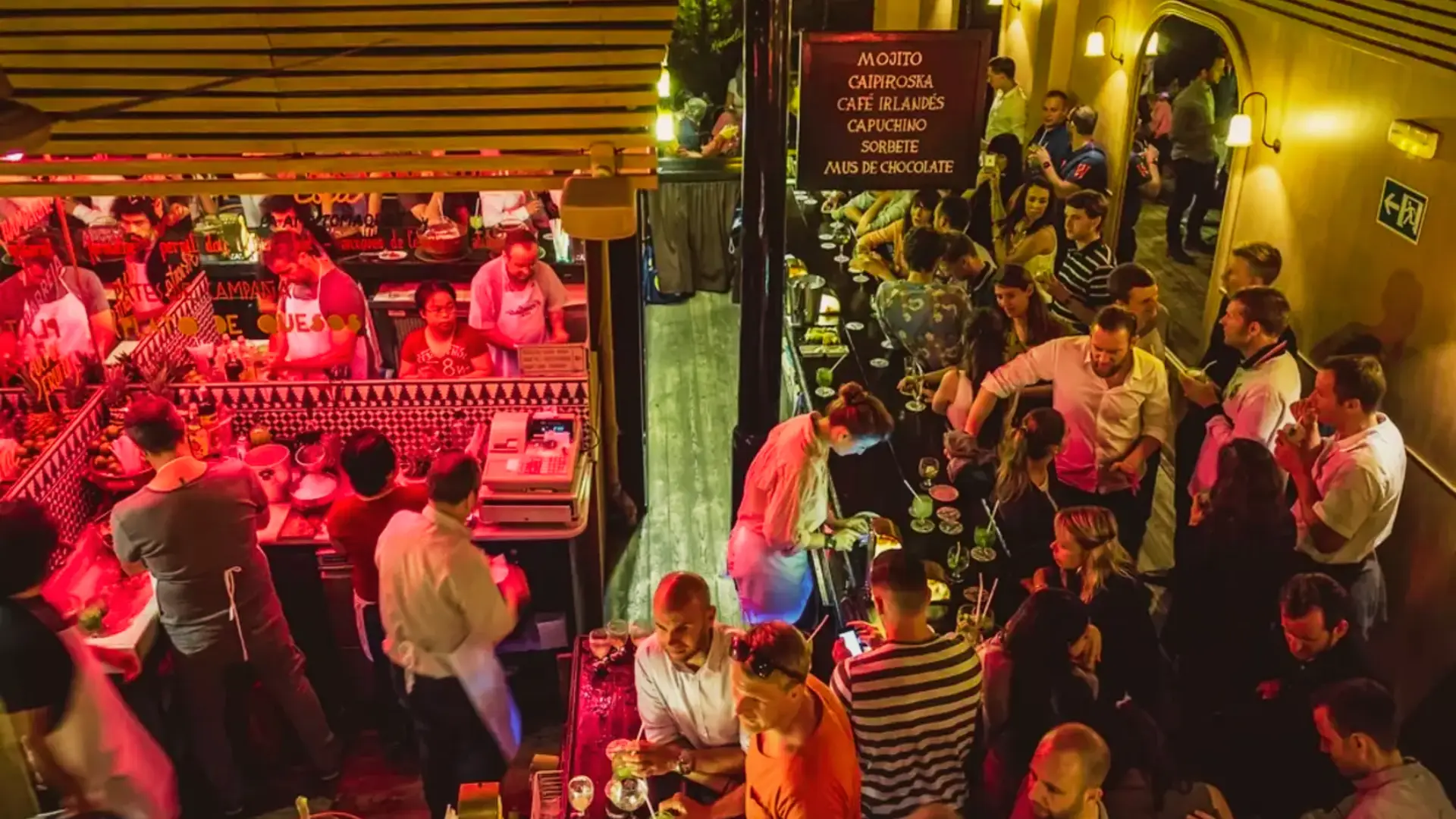
Late afternoon in Barcelona does not fade quietly. It shifts. Shutters rise halfway, terrazas fill, and small stemmed glasses catch the last amber light of the Mediterranean sun. Before dinner begins, before nightclubs pulse in El Raval, another ritual unfolds across the city. Vermouth is poured over ice, garnished with an orange slice or olive, and served with anchovies, olives, and potato chips. In Barcelona, vermouth is not merely an aperitif. It is cultural punctuation. To understand Barcelona after dark is to understand the vermut hour, a tradition that links industrial history, neighborhood identity, and Mediterranean rhythm.
The Industrial Roots of Vermouth in Catalonia
Although vermouth traces its commercial origin to Turin through Antonio Benedetto Carpano, Catalonia developed its own production identity during the nineteenth century. As Barcelona industrialized, local producers began crafting vermouth infused with Mediterranean botanicals. Brands such as Yzaguirre and Miró positioned the region as Spain’s vermouth capital.
Reus became synonymous with fortified aromatized wine. By the early twentieth century, Catalan Vermouth was exported throughout Spain and Latin America. In Barcelona’s port city environment, vermouth bars emerged as neighborhood anchors, defined by intimacy, barrels behind the counter, and communal gathering.
Bodega Culture and the Ritual of the Vermut
The ritual known locally as “fer el vermut” unfolds as both social habit and cultural structure. Traditional spaces such as Bodega 1900, revived by Albert Adrià, reinterpret historic vermouth service while maintaining its identity. Meanwhile, Bodega La Palma continues the tradition of serving vermouth directly from the barrel.
The vermouth itself, infused with wormwood, citrus peel, and regional herbs, is served over ice with soda or sifón. Accompaniments such as anchovies from Cantabria, olives, and conservas establish rhythm between sip and bite. Unlike cocktail cultures centered on precision and individuality, Barcelona’s vermut ritual remains communal, conversational, and anchored in daylight transition.
Campari, Martini, and Mediterranean Cross Currents
While Italian producers such as Martini & Rossi and Campari shaped global aperitivo culture, Barcelona adapted the model through local identity. Vermouth in Catalonia often carries deeper sweetness and oxidative character, reflecting both climate and regional taste.
International brands such as Cinzano coexisted with Catalan producers, reinforcing Barcelona’s cosmopolitan nature. The result is not imitation, but integration, where Mediterranean conditions reshape imported traditions into localized expression.
Contemporary Revival and Global Recognition
The early twenty-first century saw renewed interest in vermouth culture as global cocktail movements expanded. In Barcelona, venues such as Bar Marsella and Paradiso integrated vermouth into evolving cocktail narratives.
Paradiso, recognized among The World’s 50 Best Bars, demonstrates how Barcelona balances heritage and innovation. While modern techniques and experimental cocktails define its approach, vermouth remains foundational. This continuity reflects a city where tradition is not replaced, but extended.
Barcelona After Dark: Architecture of Evening in Barcelona
Barcelona after dark unfolds gradually. The Vermut Ritual transitions into dinner later than in most European cities. Neighborhoods such as Gràcia and El Born sustain independent vermouth bars that preserve authenticity through design and atmosphere.
Tile floors, wooden barrels, handwritten chalkboards, and filtered Mediterranean light create continuity between past and present. Vermouth, lower in alcohol than many spirits, supports this rhythm. It allows sociability without excess, shaping an evening defined by progression rather than intensity.
Barcelona’s vermouth bars demonstrate how beverage culture can anchor urban identity. From Yzaguirre to Bodega 1900, the city sustains a ritual that predates global cocktail trends while adapting to contemporary relevance. The Mediterranean approach to aperitivo emphasizes community over spectacle and balance over intensity.
Barlist documents these intersections between producers, places, and practice. In Barcelona after dark, vermouth becomes more than an aromatized wine. It becomes a marker of transition, connecting workday to evening through shared ritual. Across historic bodegas and modern cocktail bars alike, the city reframes aperitivo as an enduring cultural structure rooted in Catalan soil.
Bar
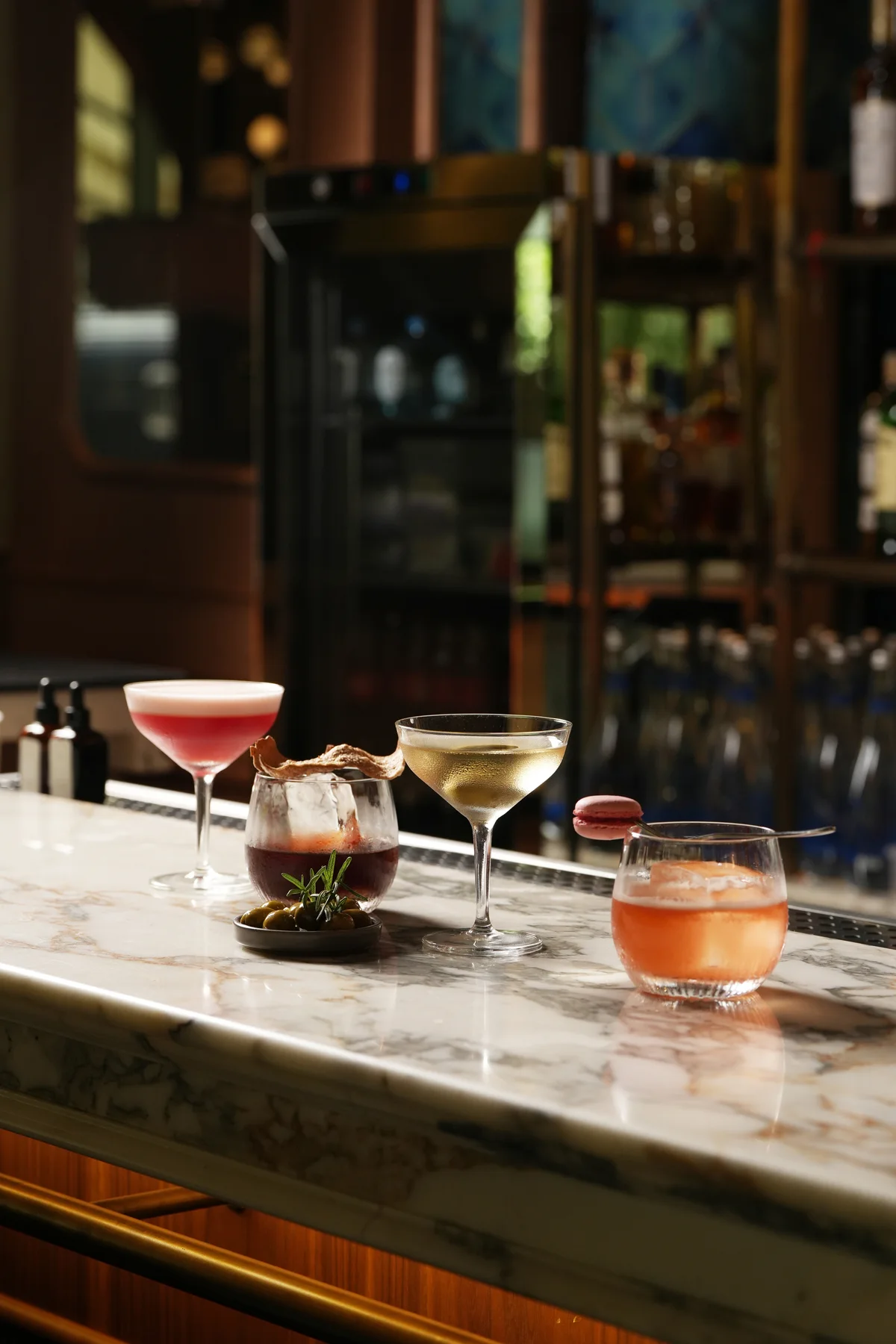
Dr. Stravinsky is a renowned cocktail bar located at Carrer dels Mirallers, 5, in Barcelona’s bustling Ciutat Vella…
Bar
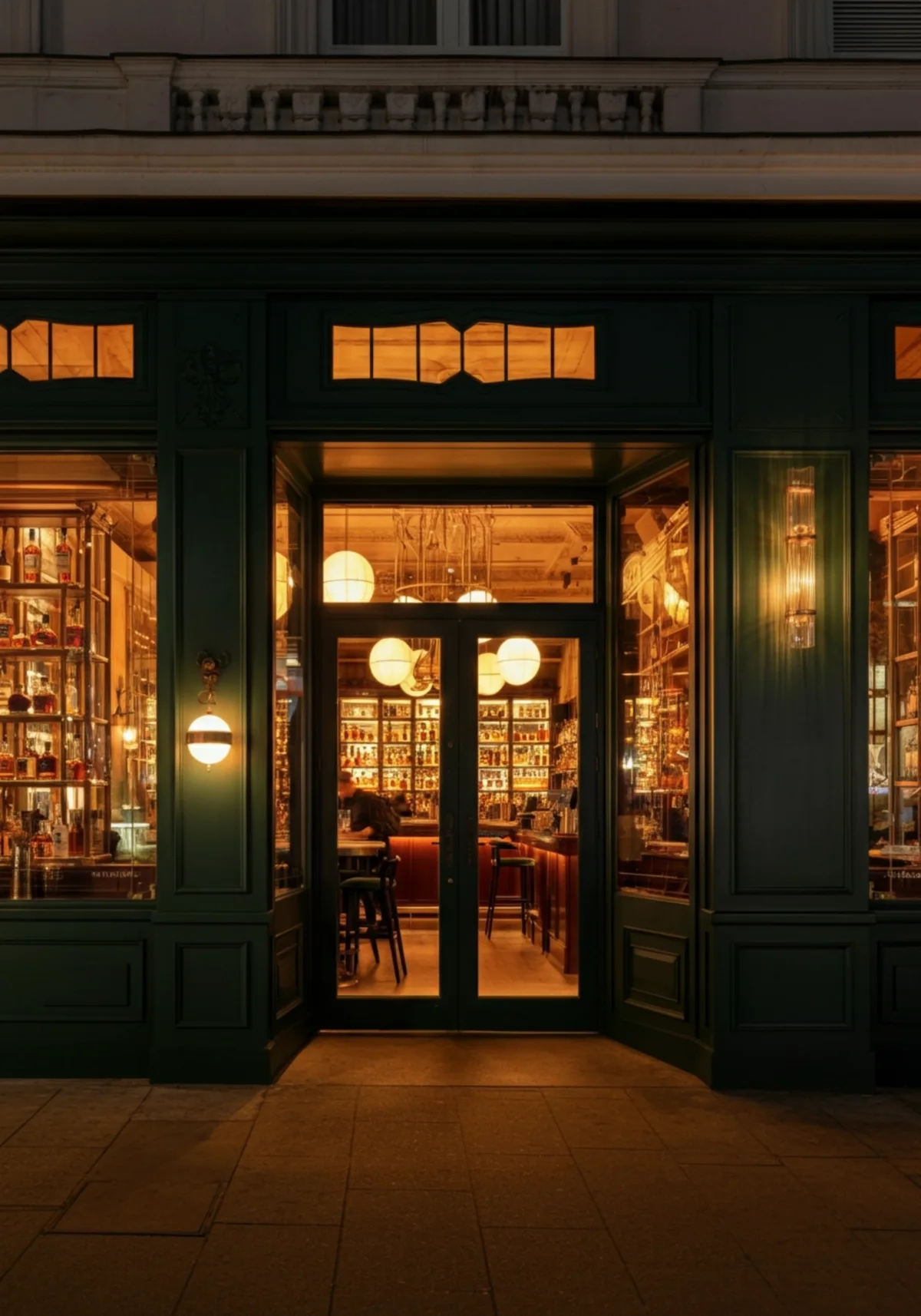
In the heart of Barcelona’s vibrant El Born district, a city already bursting with culinary creativity and cultural…
Bar
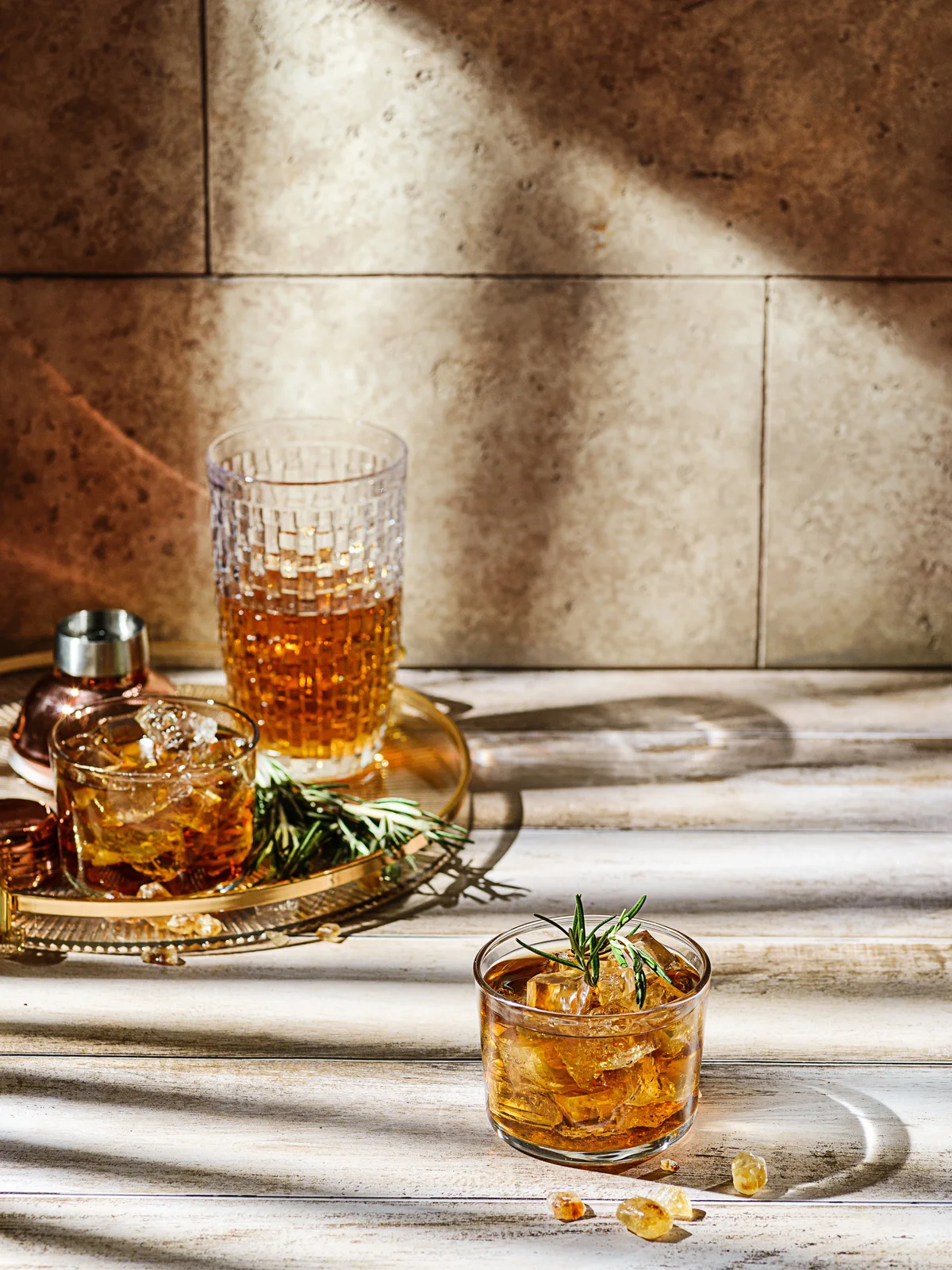
Mariposa Negra Cocktail Bar is one of the most unusual and concept driven cocktail bars to emerge from…
Distillery
Bodegas Yzaguirre is a well-respected distillery located in El Morell, Tarragona, Spain, renowned for its exceptional vermouths, which…
Distillery
Martini & Rossi is a renowned Italian distillery, celebrated primarily for its production of vermouth, but also for…
Distillery
Cinzano is an iconic Italian brand known for its exceptional vermouth and sparkling wines, embodying a rich heritage…
Spirit
Mine Hill Amaro Vermouth stands as a testament to the art of crafting unique liqueurs, channeling deep-rooted family…
Partnership
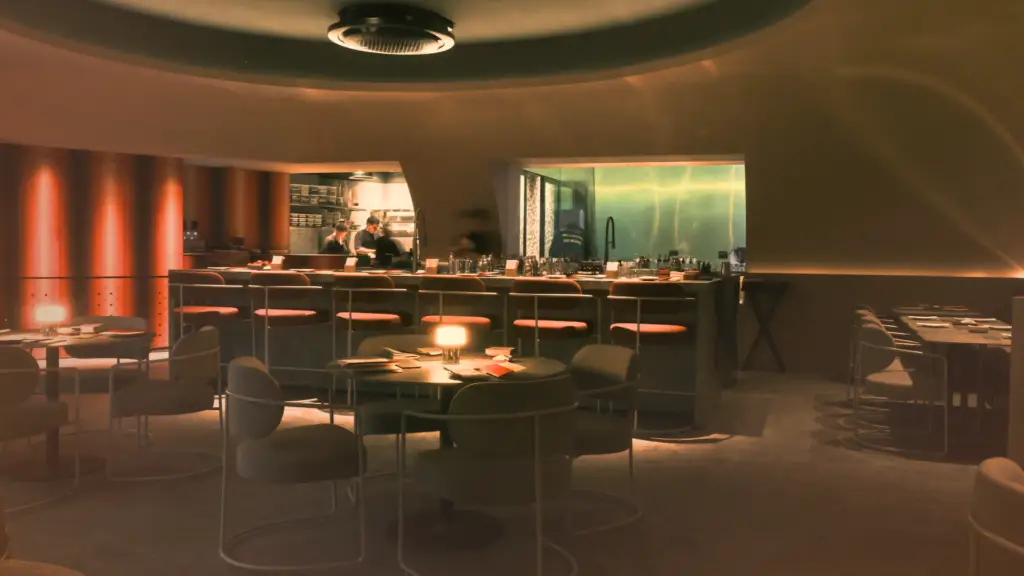
Lady Bee: Structure, Scale, and the Quiet Discipline of Contemporary Peruvian Bartending
There are bars that announce themselves through concept, and others that build recognition through repetition. Lady Bee belongs firmly to the latter. Located in Lima, the bar has developed its reputation not through spectacle, but through consistency, technical control, and a steady refinement of classic structures within a contemporary Peruvian context. Since opening in 2017, […]
September 26, 2026
Partnership
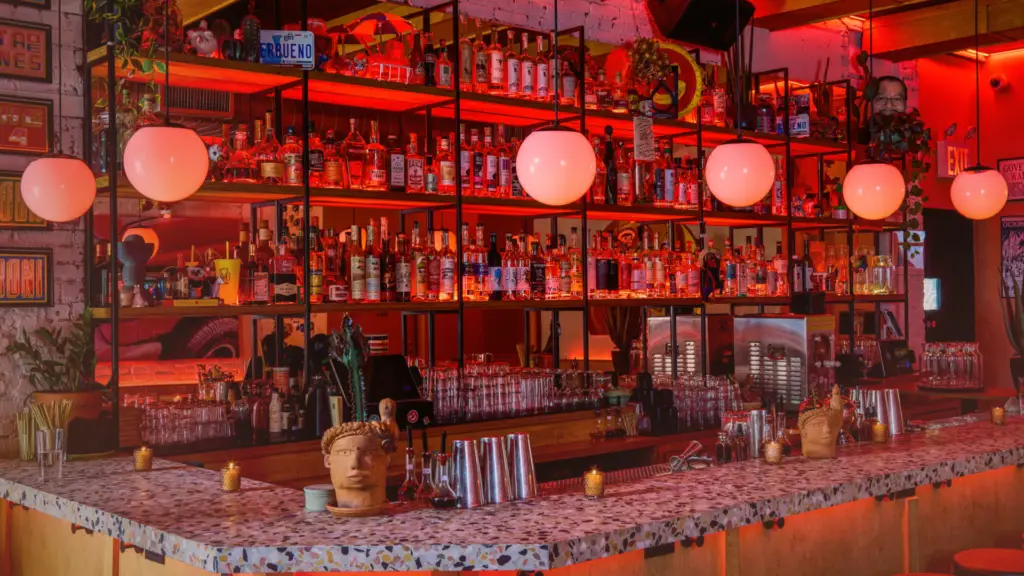
Superbueno in New York: Precision, Identity, and the Return of Clarity in Cocktail Design
Not every bar in New York needs to announce itself loudly to be noticed. Superbueno opened in 2023 with a smaller room, a focused menu, and a level of clarity that quickly separated it from the noise. Within a year, it had already entered The World’s 50 Best Bars list, a rare trajectory that says […]
September 19, 2026
Partnership
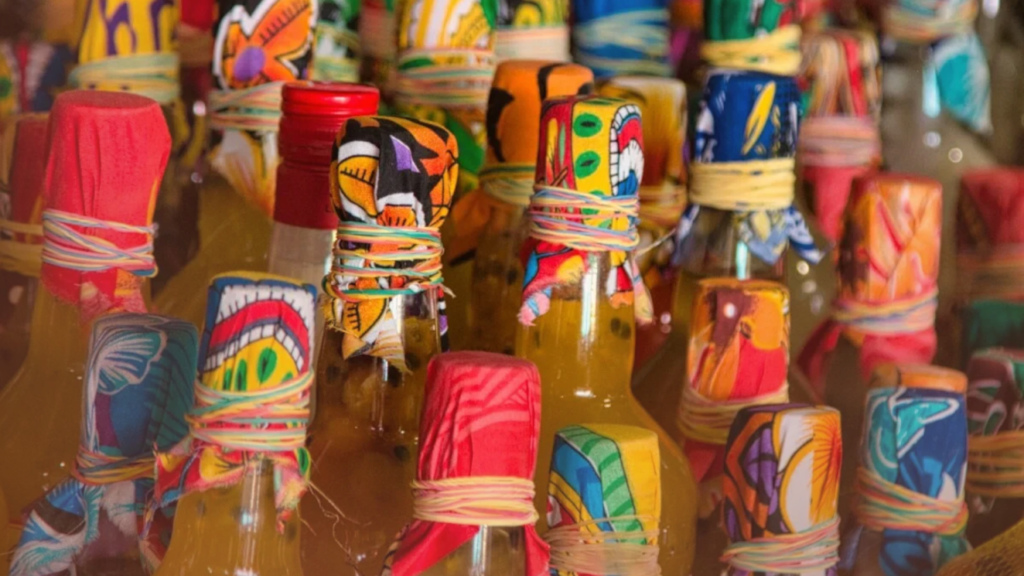
French Guiana Rum: Discovering Pure Cane Juice Spirits Beyond the Caribbean Spotlight
French Guiana is often overlooked in discussions of rum. It does not belong to the Caribbean island chain, and its production is far smaller than that of Martinique or Guadeloupe. Yet its cane-juice tradition holds a distinct place within the French overseas rum world. Located on the north-eastern coast of South America, French Guiana is […]
September 18, 2026