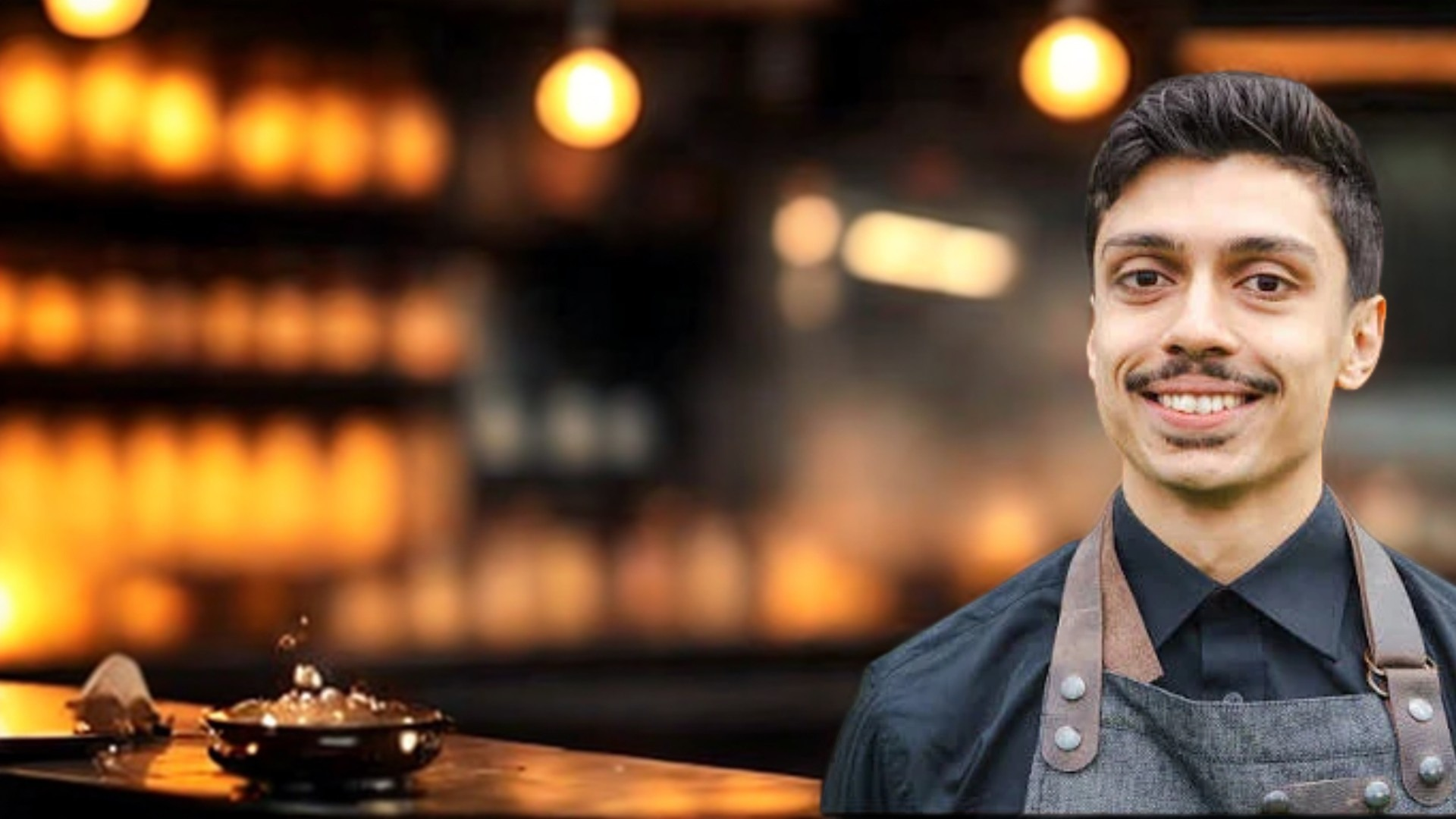
Sam Chatterji’s work sits inside that transition. His early career was not defined by a single venue, but by movement across training, service, and education. Instead of focusing only on bar programs, he became closely involved in building structure, developing training systems, mentoring bartenders, and connecting local talent to global standards. In a market where access to formalised bartending education was still evolving, that role carried weight.
India has always had a strong hospitality workforce, but for years, bartending existed more as a service role than a defined craft. Training was inconsistent, exposure to international standards was limited, and competition remained distant for most professionals. The skill was there, but the system around it was still forming.
What emerged from that process was a different kind of approach. His work is less about individual style and more about clarity, where technique is understood before it is applied.
Building a Framework Beyond the Bar
Chatterji’s influence extends through platforms such as the Indian Bartenders Guild, where training and certification have become central to professional development. Within this structure, bartending is treated as a discipline that can be taught, measured, and improved systematically.
His involvement in education focuses on fundamentals, balance, proportion, and repeatability, but also on something broader: creating a shared language for bartenders across the country. This has allowed professionals from different regions to align with international expectations, particularly in competition formats where consistency is essential.
In parallel, India’s bar scene has undergone a visible shift. Venues such as The Bombay Canteen and Sidecar have helped redefine the country’s cocktail identity, combining local ingredients with structured technique. This growth reflects a system that is no longer isolated, but increasingly connected to global standards.
From Education to Competition: Sam Chatterji’s Bio
As India’s bartending framework strengthened, international competitions became a natural extension of that progress. Through organisations linked to the International Bartenders Association, Indian bartenders gained access to structured platforms where technique is evaluated under consistent criteria.
Chatterji’s role in this space has been less about individual titles and more about preparation. By focusing on training and mentorship, his work contributes to a generation of bartenders capable of performing under international conditions, where precision is not optional.
This shift is visible in the way Indian competitors approach the stage today. Drinks are no longer built around improvisation alone. They are structured, repeatable, and aligned with judging standards, reflecting a deeper integration of technique.
A Style Defined by Clarity
Chatterji’s own approach reflects the systems he helped develop. His cocktails are built on structure, where each element is positioned with intention. Sweetness, acidity, bitterness, and alcohol are aligned within a controlled framework, allowing the drink to hold together without excess.
There is a noticeable absence of unnecessary complexity. Instead, the focus remains on balance and consistency, where the final result feels resolved rather than constructed in layers. This method extends beyond the glass. It informs how bartenders are trained, how techniques are taught, and how standards are maintained across different environments.
Shaping a Collective Identity
India’s cocktail culture is still evolving, but it is no longer undefined. The shift from service-based bartending to a more structured craft has created a new identity, one that combines local character with technical discipline.
Chatterji’s contribution lies within that development. By focusing on education and system-building, his work supports a broader transformation, where bartending is treated as a profession grounded in knowledge, not just practice.
Sam Chatterji’s career does not revolve around a single moment or title. It reflects something more foundational. In a landscape that once lacked structure, his work shows how building a system can be as significant as succeeding within one.

Renowned international hospitality consultant, founder of Barpartners, and IBA Vice President of Classic Mixology, bringing over 25 years of luxury hotel bar operations.

In partnership with International Bartenders Association
The International Bartenders’ Association stands at the crossroads of exchange between new and established generations of professionals.
Bar
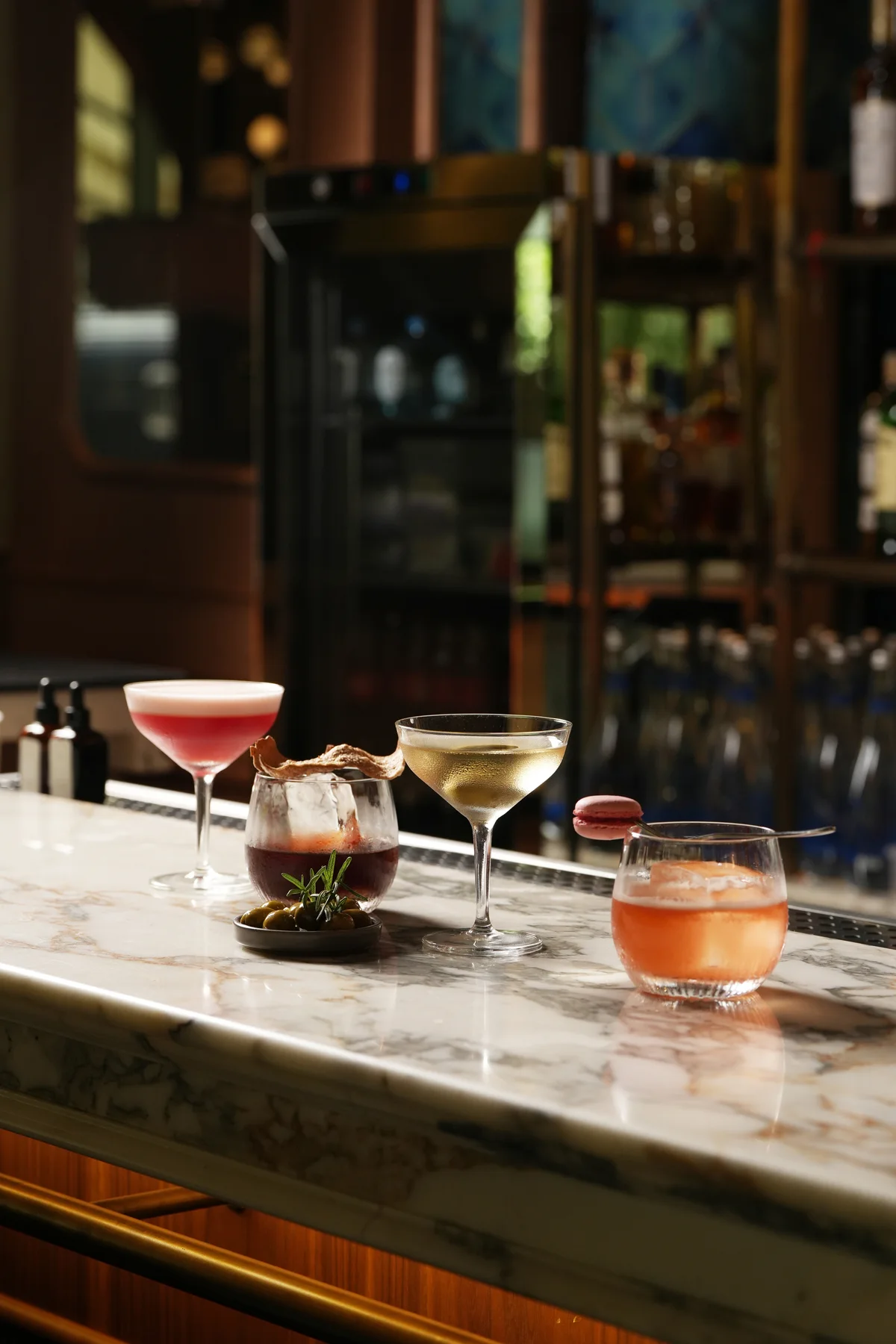
Sidecar is a distinguished two-level artisanal cocktail bar and restaurant nestled within the bustling M Block Market of…
Bar
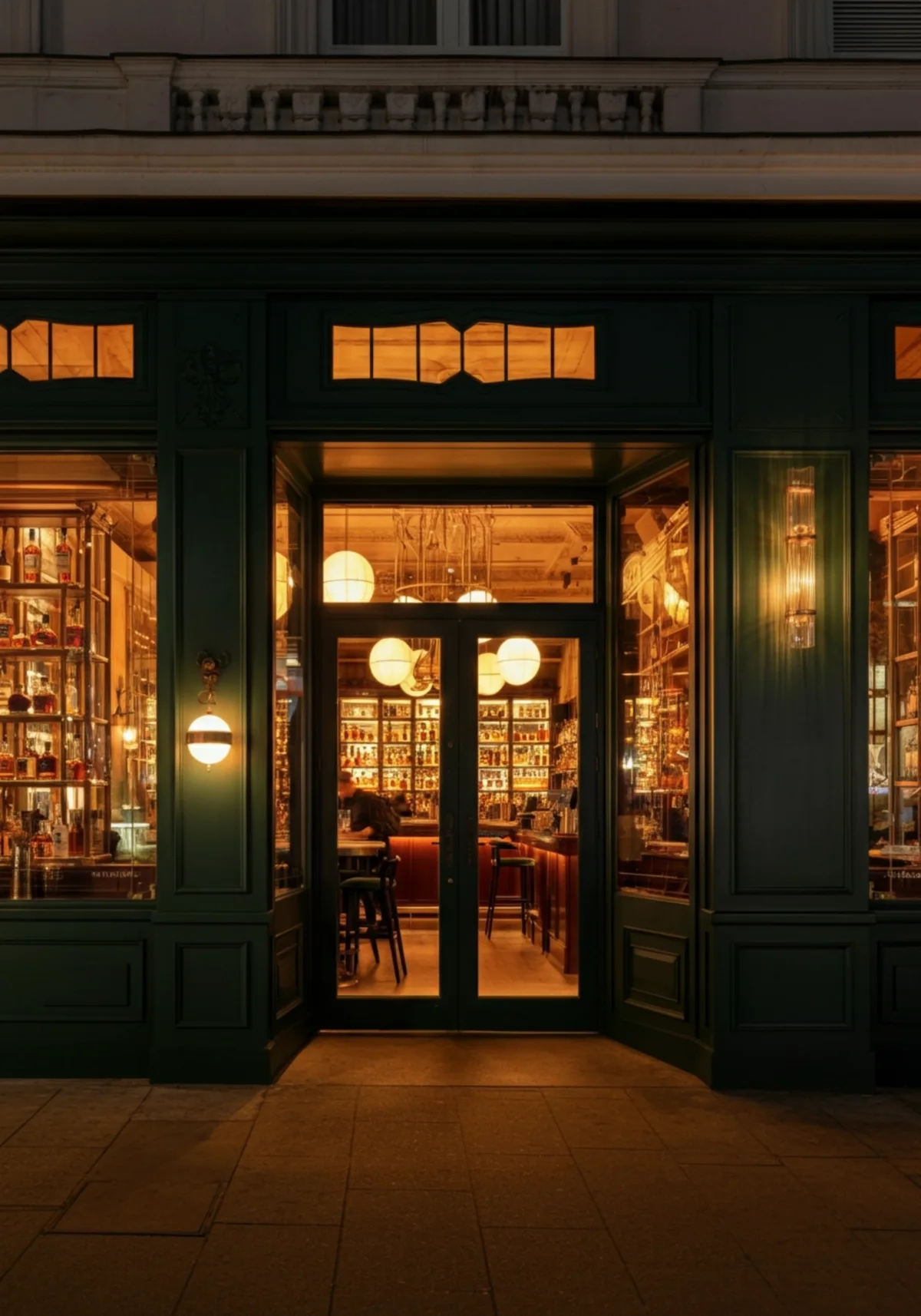
In Taipei’s cocktail scene, Sidecar Taipei has earned a reputation as a destination for enthusiasts who appreciate precision,…
Travel & Experience
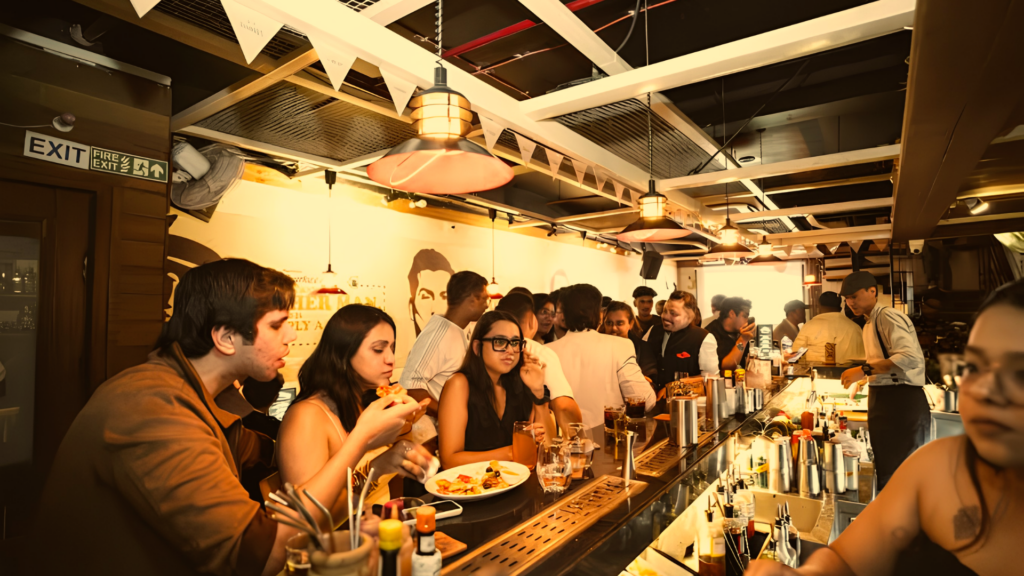
Delhi’s New Drinking Culture: Design, Bartending, and Local Influence
For years, Delhi’s most recognisable drinking rooms belonged to hotels, private clubs, and restaurants where the bar played a supporting role. Service could be polished and the surroundings impressive, but the identity of the venue often came from the institution around it rather than the person behind the counter. That balance began to change during […]
July 10, 2026

Partnership
Flavour and the Structure of Taste in Cocktails
Flavour is where the many decisions behind a cocktail become perceptible. Ingredients, aroma, temperature, and texture arrive as a single impression, even though they reach the senses through different pathways. For the bartender, flavour is not a decorative layer added at the end. It is the organising structure through which the drink becomes intelligible. Everyday […]
September 1, 2026
Partnership
Mariano Gil Jr.: When Consistency Became Representation and Champion 2022
Long before the spotlight, Filipino bartending was already everywhere – just not always visible. Hotels across Mariano Gil Jr. were filled with professionals trained to deliver flawless service. Drinks were executed with precision, guests were handled with care, and standards were high. But beyond those walls, recognition on the global stage remained limited. The work […]
August 31, 2026