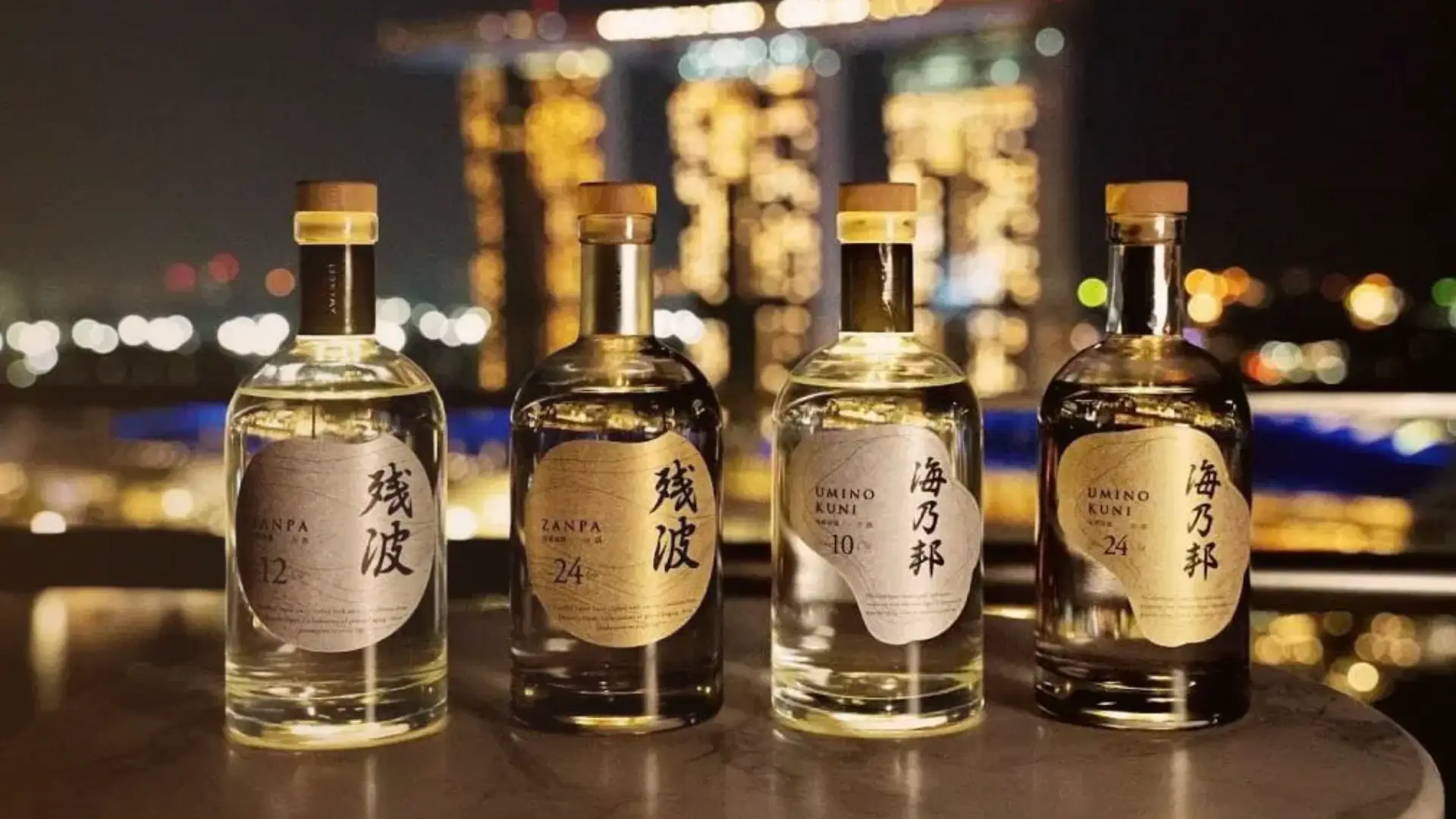
Okinawa has always looked outward. Its islands sit between Japan, China, Taiwan, and Southeast Asia, in waters that carried merchants, ceramics, court gifts, foodways, and technical knowledge long before modern borders gave everything fixed names. Awamori belongs to that older world. The spirit now protected under the name Ryukyu did not emerge from a quiet inland farming system. It grew from maritime exchange, subtropical heat, local adaptation, and the disciplined use of black koji. What arrived through trade became Okinawan through practice.
Today, Ryukyu is protected as a Japanese Geographical Indication (GI) for spirits. The name connects awamori to Okinawa Prefecture, rice koji made with black koji mold, Okinawan water, fermentation and pot still distillation within the prefecture, and a culture of maturation that gives the spirit its own place in Japanese distilling.
An Island Spirit Formed by Movement
The Ryukyu Kingdom was never isolated in the simple sense. Its location made it a meeting point. Ships moved between the islands and the ports of Southeast Asia, China, and Japan, carrying more than goods. They carried techniques, tastes, and ways of working.
Awamori’s older production knowledge is often linked to methods introduced more than 500 years ago from Southeast Asia or the Chinese continent, then reshaped by Okinawan conditions. That last part is essential. Ryukyu Awamori is not a borrowed spirit preserved unchanged. It is a technique that was absorbed, adjusted, and made local.
The protected name Ryukyu carries that history into law. It does not describe rice spirit in general. It describes an Okinawan method that developed through contact with the wider maritime world and then settled into island culture.
Heat, Humidity, and Black Koji
In Okinawa, fermentation has never been a neutral technical step. Heat and humidity can make fermentation difficult, and a mash that is not managed carefully can quickly become unstable.
Black koji, associated with Aspergillus luchuensis, gave Okinawan producers a way to work with the climate rather than against it. The mold produces citric acid, helping the fermented mash remain stable in subtropical conditions. What began as practical fermentation control became one of the defining features of the spirit.
This is where Ryukyu Awamori becomes especially interesting as a protected system. The GI is not only protecting a place name. It is protecting a regional answer to climate. Black koji belongs to the legal identity because it belongs to the way Okinawa learned to make this spirit.
Whole Koji and the Okinawan Method
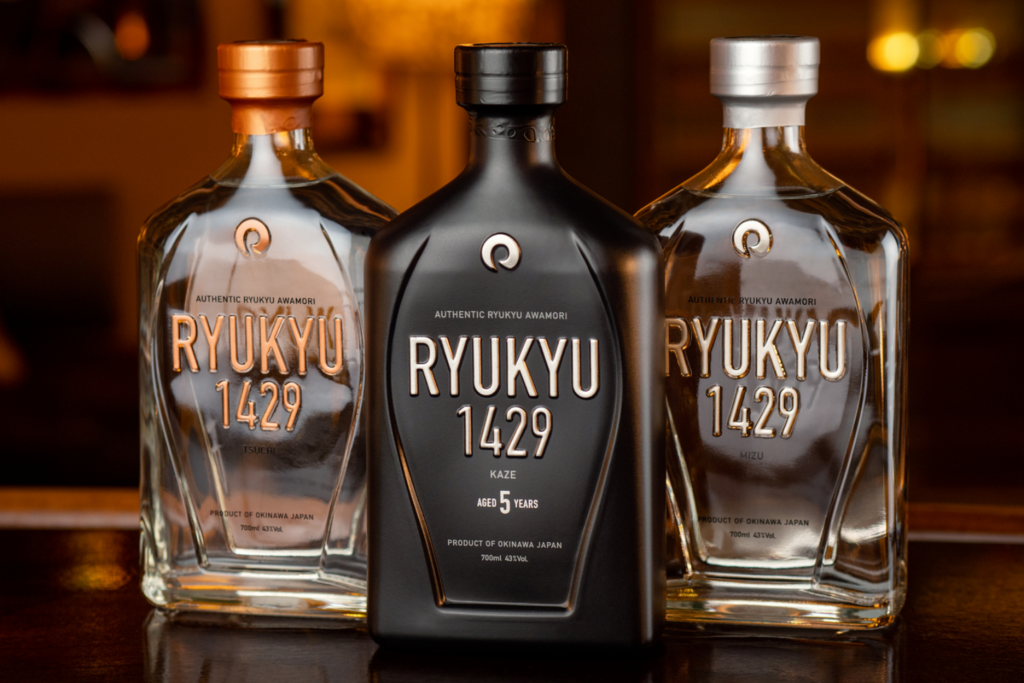
Ryukyu Awamori is built on rice koji. The official specification requires rice koji made with black koji mold belonging to Aspergillus luchuensis, along with water collected in Okinawa Prefecture.
The method is distinctive because the rice is transformed into koji and becomes the full base of fermentation with water and yeast. This differs from many shochu traditions, where koji is used as a starter before another main raw material such as sweet potato, barley, or additional rice is added.
For Ryukyu, koji is not a supporting detail. It is the structure of the spirit. It gives awamori its technical foundation, its fermentation character, and its connection to Okinawa’s climate and brewing knowledge.
Water From Limestone Islands
Okinawa’s water also appears in the official explanation of the GI. The islands are shaped in part by limestone geology, and the specification connects the local hard water to the character of Ryukyu.
That detail keeps the article grounded in place. Water is often mentioned vaguely in spirits writing, but in Ryukyu Awamori it has legal and regional meaning. The water must be collected in Okinawa Prefecture, keeping the production chain tied to the islands.
The spirit’s identity therefore does not come from one ingredient alone. It comes from the combination of rice koji, black koji mold, Okinawan water, local fermentation, and island distillation practice.
Pot Still Distillation and the Weight of Moromi
Ryukyu is defined as a pot still distilled liquor made from fermented mash of rice koji and water. Fermentation and distillation must take place in Okinawa Prefecture, and the moromi must be distilled in a pot still.
That requirement keeps the spirit close to its fermented base. Awamori is not designed to become neutral alcohol. Pot still distillation carries forward the weight of koji, fermentation, and the microbial character developed before distillation.
Different distillation approaches exist within the category, including atmospheric distillation and reduced-pressure distillation. The point is not to reduce Ryukyu to one narrow sensory profile. The point is that the legal system keeps the process anchored in Okinawan ingredients, Okinawan fermentation, and pot still distillation.
Kusu and the Patience of Maturation
Ryukyu Awamori has its own culture of age. Awamori aged for at least three years is known as kusu, often translated as old liquor. In Okinawa, that idea of maturation developed differently from barrel-centred spirits.
Kusu is often matured in jars and bottles, where the spirit changes gradually through time rather than through heavy wood influence. The practice known as shitsugi reflects a way of nurturing older awamori through careful replenishment and continuity.
This gives Ryukyu a different relationship with time. Age is not only a commercial label. It is part of household memory, producer knowledge, and Okinawan drinking culture. For an appellation article, the important point is cultural rather than promotional: kusu shows how maturation became part of the island method.
A GI Bound to Okinawa Prefecture
Ryukyu was designated as a Japanese Geographical Indication for spirits on 30 June 1995. The protected geographic area is Okinawa Prefecture.
The requirements are precise. Rice koji must be made with black koji mold belonging to Aspergillus luchuensis. Water must be collected in Okinawa. Fermentation and distillation must occur in Okinawa. If storage forms part of production, that storage must also occur in Okinawa. Filling into consumer containers must take place in Okinawa as well.
The GI Ryukyu Management Committee serves as the control body and is connected to the Okinawa Awamori Distillers Association in Naha. This gives the protected name a local management structure, not only a national legal status.
The system is built around the idea that Ryukyu’s quality and reputation are tied to Okinawa’s origin, climate, technique, and production culture.
Koji Culture and UNESCO Recognition
Ryukyu Awamori also belongs to Japan’s wider culture of koji-based alcoholic production. In December 2024, the traditional knowledge and skills of sake making with koji mold in Japan were inscribed on UNESCO’s Representative List of the Intangible Cultural Heritage of Humanity.
Although the English title often leads people to think only of sake, the recognised tradition is broader in the Japanese context. It includes knowledge passed through nihonshu, shochu, awamori, mirin, and related drinks.
For Ryukyu Awamori, that recognition is highly relevant. Koji is not a background ingredient in the category. It is the technical heart of the spirit. The GI protects the Okinawan place name and production system. UNESCO recognition highlights the human skill behind Japan’s wider koji culture.
Distilleries Across the Islands
Ryukyu Awamori is produced across Okinawa Prefecture, from the main island to outer island communities. Naha and Shuri remain historically important, but the geography of awamori also reaches places such as Miyako, Yaeyama, Kumejima, Iheya, Izena, Ishigaki, and Yonaguni.
Producers such as Zuisen Distillery, Masahiro Shuzo, Kumesen Distillery, Mizuho Shuzo, Helios Distillery, Ryusen Distillery, Taragawa, Kikunotsuyu, Seifuku Distillery, Yaesen Shuzo, and Donan Distillery show how widely the tradition is distributed across the prefecture.
The GI creates one protected name, but the island network gives awamori its texture. Ryukyu is not the product of one town, one house, or one trademark. It is a prefectural spirit system carried by many producers and island communities.
Barlist Reflection: A Protected Name for an Okinawan Method
Ryukyu Awamori became legally protected because its identity cannot be separated from Okinawa. The islands gave the spirit its climate, water, mold culture, trade history, and maturation habits. The GI does not turn awamori into a generic Japanese spirit. It protects a specific Okinawan system built from black koji, whole koji fermentation, pot still distillation, and the long memory of the Ryukyu Islan2416s.
Ryukyu Awamori shows how an appellation can be shaped not only by soil or crop, but by islands, movement, microorganisms, and the patience of people who learned to make a spirit fit their climate.

Renowned freelance spirits consultant, award-winning author, and international spirits judge, recognized globally as a leading authority on spirits selection, historical distillates, and market innovation.

Distillery
Brushy Mountain Distillery is located in the historic Brushy Mountain State Penitentiary in Petros, Tennessee. The distillery is…

Distillery
Helios Distillery, located in the beautiful Nago City of Okinawa, Japan, is a celebrated producer of a diverse…
Distillery
MASAHIRO SHUZO CO., LTD., based in Itoman City, Okinawa, Japan, is a renowned distillery with a rich heritage…
Spirit
Kujira Ryukyu Whisky is a distinguished Japanese whisky, showcasing an exquisite craftsmanship that fuses traditional techniques with unique…
Spirit
Taragawa Ryukyu Awamori is a distinguished spirit crafted exclusively at the Taragawa Distillery, located on Miyakojima Island, a…
Spirit
Kuon Ryukyu Awamori is a distinguished spirit, renowned for its deep-rooted traditions and artisanal craftsmanship. This 10-year aged…
Partnership

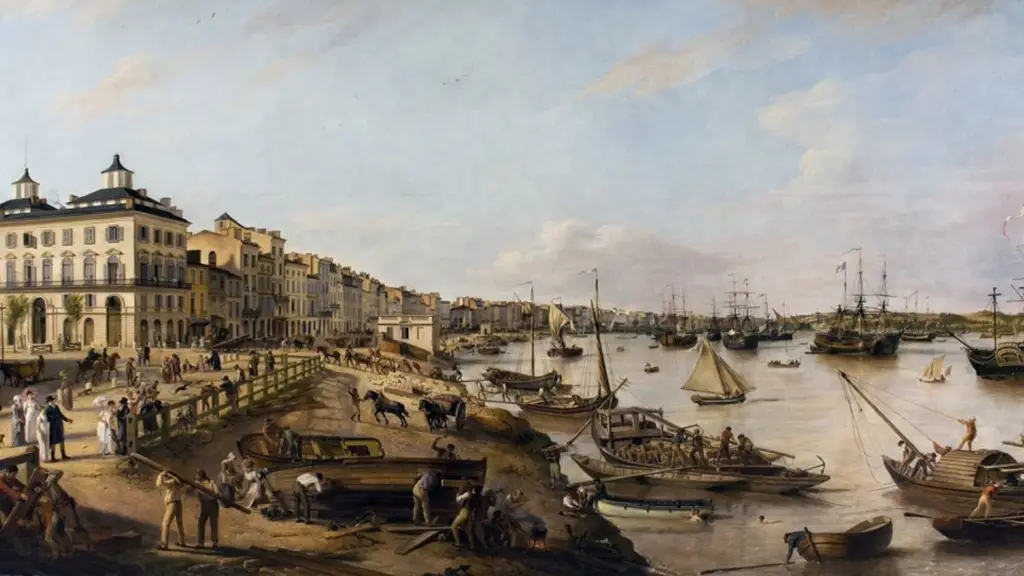
The Port of Bordeaux and the Trade Routes That Built Cognac
Cognac did not become a global spirit because of vineyards alone. Its rise depended on water, ships, and merchants long before it depended on distilleries. The identity of Cognac was shaped as much by the port of Bordeaux as by the chalk soils of Charente. Without Bordeaux’s access to Atlantic trade routes, cognac would likely […]
September 16, 2026
Partnership
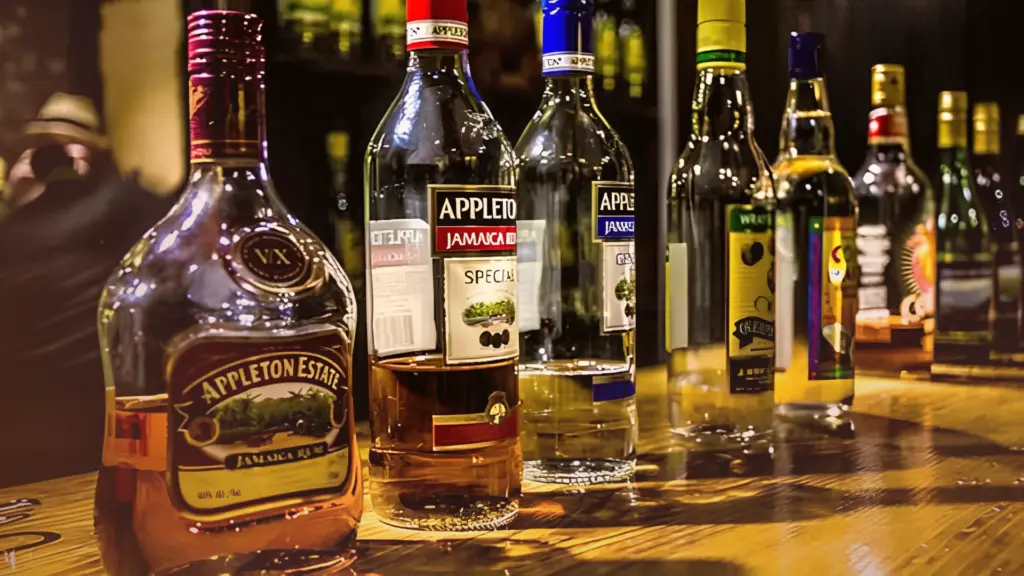
Jamaica Rum and the Sugar Estate Landscape Behind a Protected GI
Jamaica’s Rum story begins with sugar estates, limestone water, heavy fermentations, coastal trade, and a landscape where cane became both wealth and memory. The island’s reputation was not made by one house or one parish. It grew across estates, distilleries, ports, and rural communities where sugar production and rum making became inseparable from the country’s […]
September 13, 2026
Partnership
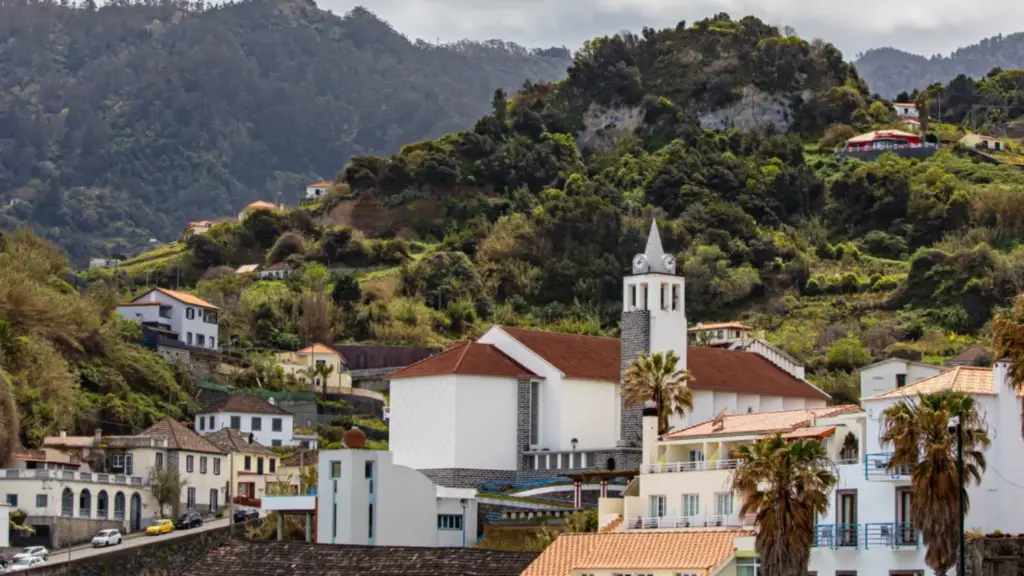
From Porto da Cruz to Calheta: The Distilleries That Define Madeiran Rum
Madeiran rum exists within a narrow technical and geographic framework that resists abstraction. Unlike Caribbean or Latin American rum traditions shaped by scale and export, rum production on Madeira remains tied to fresh sugarcane juice, seasonal distillation, and localised milling. From the northern coast at Porto da Cruz to the southern town of Calheta, a […]
September 9, 2026