The Ambitious Vision of the Pattison Brothers
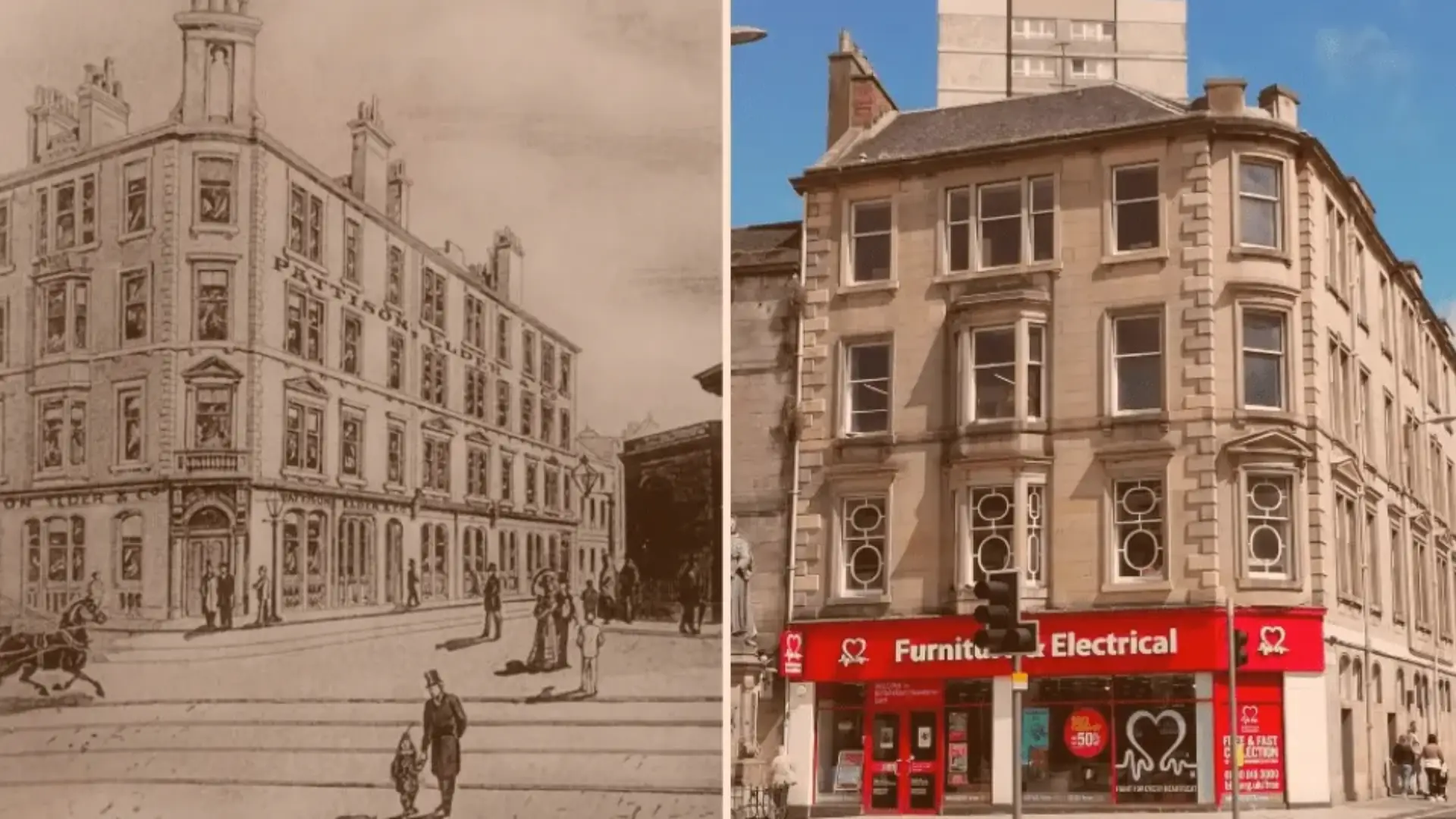
The story of the Pattison Crash began in Edinburgh with two brothers, Robert and Walter Pattison, who in 1887 founded Pattison, Elder & Co. The firm started modestly as a blending and export company but soon became one of the most powerful whisky houses in Scotland. The brothers built their fortune on aggressive marketing, extravagant promotions, and elaborate packaging that elevated blended whisky into a symbol of luxury.
By 1896, the company was selling millions of bottles each year, with advertisements depicting exotic landscapes, fine gentlemen, and noble imagery that appealed to the growing middle class. Their flagship brands, including Royal Gordon and Morning Dew, became household names. For a short time, the Pattisons embodied the prosperity of the Victorian whisky boom, exporting to every major British colony and beyond.
The Speculation Behind the Success
Behind the glittering façade, the brothers were unknowingly laying the groundwork for what would become the Pattison Crash. The whisky market of the 1890s was driven by speculation, inflated credit, and the allure of rapid profit. Investors rushed to capitalize on the booming demand for Scotch, while the Pattisons borrowed heavily to expand their empire. They purchased enormous quantities of stock from Glenfarclas, Aberlour, and Aultmore, filling their blending houses to project success and scale.
Their rise mirrored the optimism of the era, yet the foundations were fragile. The brothers spent extravagantly on lavish offices, horses, and promotional spectacles, including gifting parrots trained to repeat the company’s slogans in public houses across Britain. By the time the Pattison Crash of 1898 unfolded, their debts had exceeded 500,000 pounds sterling, a sum equal to more than 70 million pounds today. The illusion of prosperity shattered as creditors called in loans and overvalued whisky stocks lost their worth, exposing the empire as a house built on speculation rather than stability.
The Collapse of an Empire
In December 1898, the Pattison Crash reached its breaking point. The company declared bankruptcy, sending shockwaves through the Scottish whisky industry. The investigation revealed widespread accounting fraud, false balance sheets, and overstated assets used to secure loans. The brothers were accused of manipulating invoices and inflating the value of whisky stock to attract investment.
More than ten thousand shareholders lost their savings, and the collapse dragged dozens of independent distilleries into ruin. Whisky prices plummeted overnight, and Scotland’s once-booming industry faced an identity crisis. The scandal was not just financial; it was a cultural wound that exposed how unchecked ambition could compromise craftsmanship.
Trial and Conviction
The Pattison brothers were tried in 1901 at the Edinburgh High Court, charged with fraud and embezzlement. Robert Pattison was sentenced to eighteen months in prison, while Walter received nine years of penal servitude. The trial captivated the public, revealing in meticulous detail the reckless speculation that had fueled the whisky boom. Their downfall marked the end of an era and the beginning of a more cautious, regulated Scotch whisky trade.
The Pattison Crash of 1898 forced the industry to confront its excesses. Merchants and distillers introduced stricter accounting practices, bonded warehouse controls, and transparency standards to restore credibility. Out of the scandal emerged a new understanding of trust and integrity in business — values that continue to define Scotch whisky today.
The Legacy of the Pattison Crash of 1898
The aftermath of the Pattison Crash of 1898 reshaped the Scotch whisky landscape. Many small distilleries that had relied on speculative blending houses were forced to close permanently, while established producers like John Dewar & Sons, John Walker & Sons, and Chivas Brothers adopted more disciplined models of growth.
The crisis also led to the consolidation of the industry under stable ownership and stronger export regulation. It was during this period that Scotch began to evolve from a risky speculative venture into a globally respected symbol of quality. The lessons learned from the Pattisons’ downfall continue to echo across the industry as a reminder that craftsmanship and credibility must always outweigh ambition and greed.
Where Barlist Meets the Legacy of Trust
The story of the Pattison Crash of 1898 reveals that even in an age of prosperity, integrity remains the foundation of lasting craftsmanship. Barlist honors this chapter not as a tale of ruin but as a lesson in resilience. The scandal forced Scotch whisky to rebuild with honesty, accountability, and pride – values that continue to shape its identity today. Every bottle produced in Scotland carries within it the memory of that turning point when the industry chose truth over illusion.

Distillery
Aberlour Distillery, located in the lush and picturesque region of Speyside, Scotland, is celebrated for its commitment to…
Distillery
Glenfarclas Distillery, nestled in the heart of Speyside, Scotland, is a family-owned and operated distillery renowned for its…
Spirit
After Six Inferno Natural Spring Water Liqueur
After Six Inferno Natural Spring Water Liqueur is a unique spirit that combines the authenticity of natural spring…
Spirit
Aultmore 18 YO 2006 Single Malt Scotch Whisky
Aultmore 18 Year Old 2006 Single Malt Scotch Whisky epitomizes the peak of craftsmanship in the realm of…
Community and Lifestyle
Best Spirits for Christmas 2025: A Region-Specific Celebration
Christmas celebrations in 2025 reflect a world that values heritage, comfort and shared ritual more than fleeting trends. Across continents, festive drinking traditions remain deeply tied to geography, climate and history. The best spirits for Christmas 2025 are not defined by universal rankings but by how meaningfully they align with regional customs and the emotional […]
December 25, 2025
Community and Lifestyle
Black Tot Day 2026: Rum, Discipline, and the End of a Royal Navy Tradition
The Black Tot Day rum history begins with a contradiction at the heart of naval life. For centuries, rum was not simply a drink on Royal Navy ships. It was ration, reward, routine, social currency, disciplinary problem, imperial supply chain, and symbol of the lower deck. By the time the final daily tot was issued […]
July 31, 2026
Distilleries
Charbay Distillery: From European Tradition to California Craft Distilling
The history of Charbay Distillery begins long before the family established itself in California. The Karakasevic family traces its winemaking and distilling tradition back generations in Europe, with the family recognised by the Austro-Hungarian Imperial Court of Empress Maria Theresa in 1751 as makers of wines and brandies. That inherited knowledge eventually travelled across continents […]
July 28, 2026