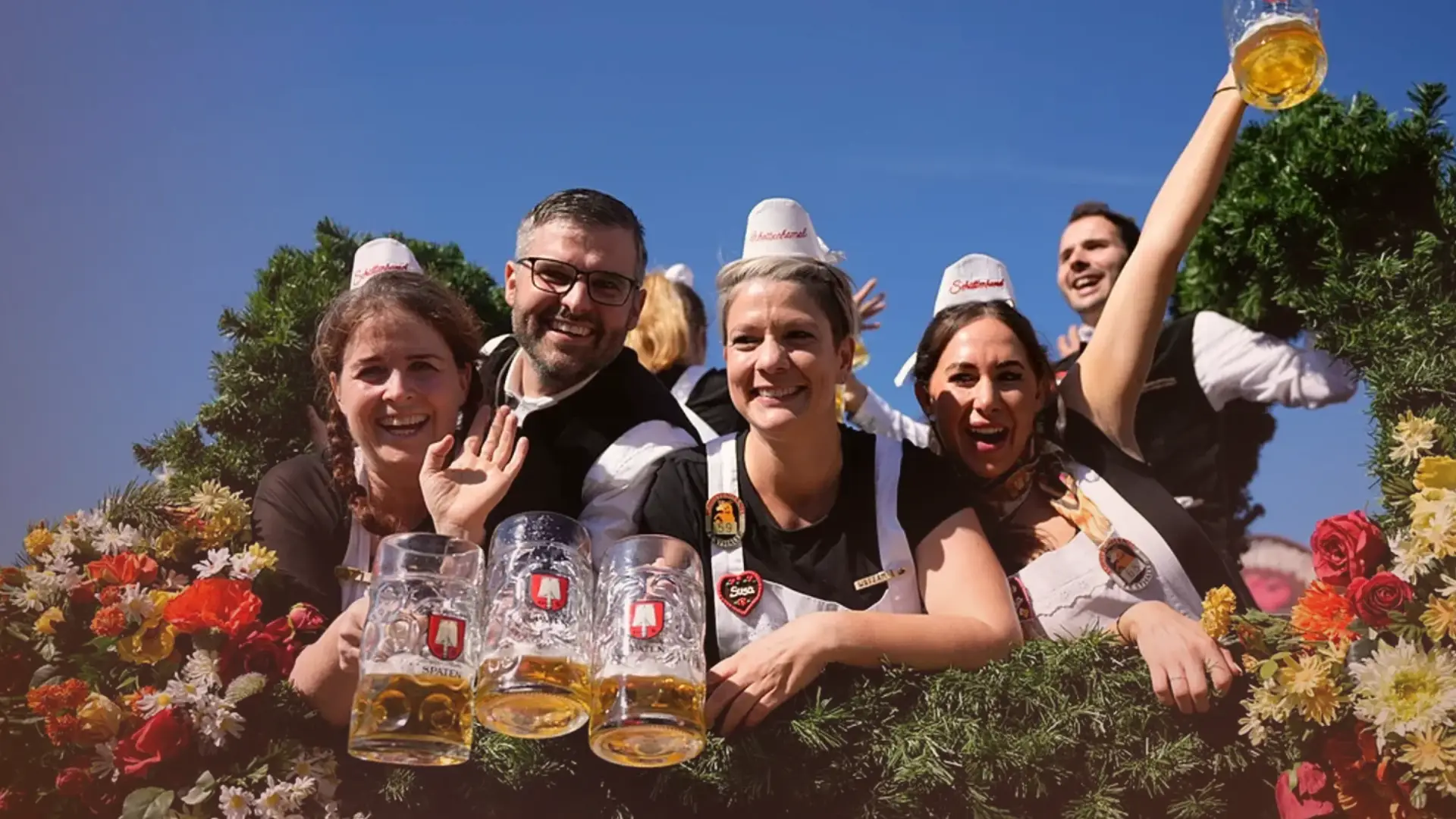
Every autumn, the city of Munich undergoes a remarkable transformation. The streets become filled with traditional music, the aroma of Bavarian cuisine spreads through the city, and millions of visitors gather at Theresienwiese for a celebration unlike any other. Known around the world as Oktoberfest, this festival represents much more than beer. It is a story of heritage, craftsmanship, community, and a tradition that has survived for more than two centuries.
Today, Oktoberfest is recognised as the world’s largest beer festival, attracting visitors from every corner of the globe. Yet behind the famous beer tents, traditional clothing, and lively celebrations lies a much deeper history that began with a royal wedding and grew into a symbol of Bavarian identity.
A Celebration Born From Royal Tradition
The story of Oktoberfest begins on 12 October 1810, when Crown Prince Ludwig of Bavaria married Princess Therese of Saxe-Hildburghausen. To celebrate the occasion, the citizens of Munich were invited to join a public celebration held outside the city gates. The event included festivities and horse races, creating such excitement among the people that it became the foundation for an annual tradition.
The celebration returned the following year and gradually developed into a larger festival. The grounds where the original event took place were later named Theresienwiese in honour of Princess Therese, giving the festival the local name “Wiesn,” a name still used by many residents of Munich today.
Over the years, Oktoberfest continued to evolve. Agricultural exhibitions, amusement attractions, music performances, and regional traditions became part of the celebration, transforming a royal event into a festival that represented the culture and spirit of Bavaria.
The Brewing Heritage Behind the Celebration
Although Oktoberfest has become a global cultural event, beer remains at the heart of its identity. The festival’s connection with brewing reflects centuries of Bavarian craftsmanship, where quality ingredients, careful fermentation, and respect for tradition define the character of the beer.
Historically, Oktoberfest was closely associated with Märzen, a lager style traditionally brewed in March and matured over the warmer months before being enjoyed during autumn celebrations. Known for its rich malt flavour and smooth character, Märzen became an important part of the festival’s brewing heritage.
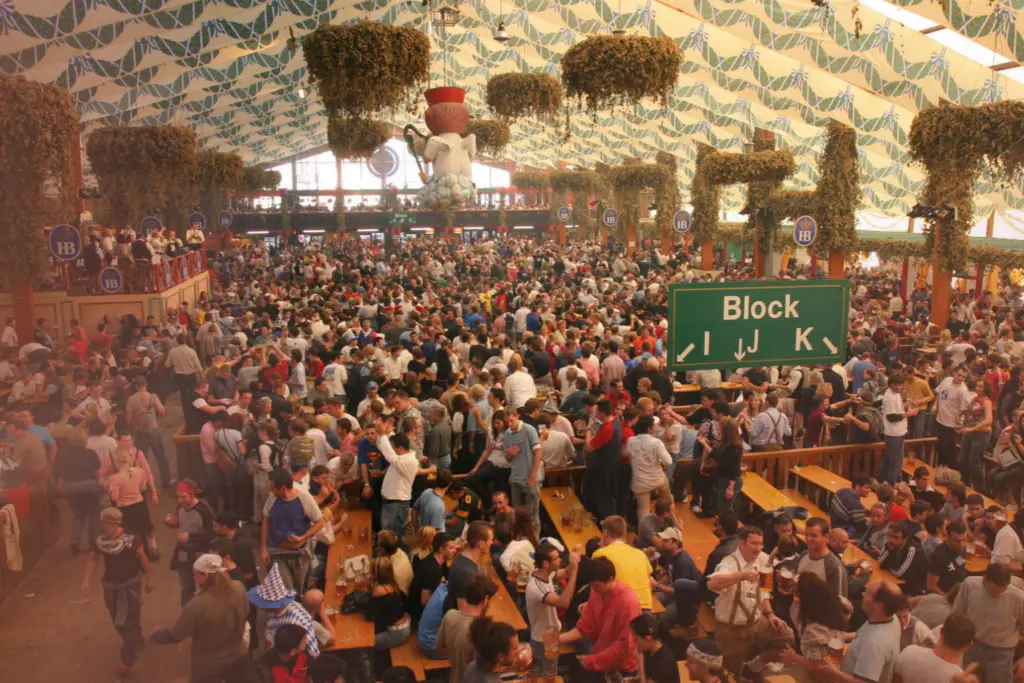
Modern Oktoberfest beer has evolved. Today, the official festival beer served in Munich is primarily a lighter Festbier style, created to suit contemporary tastes while maintaining the standards of Bavarian brewing excellence.
Only Munich breweries that meet the festival’s requirements are permitted to serve beer at the original Oktoberfest. These breweries represent generations of brewing knowledge and continue to connect the modern celebration with Munich’s historic beer culture.
More Than a Beer Festival
For many visitors, the first image that comes to mind when they hear Oktoberfest is a large beer tent filled with music and celebration. However, the true identity of the festival extends far beyond beer.
Oktoberfest is a celebration of Bavarian life. Traditional clothing such as Lederhosen and Dirndls reflects regional pride and connects modern visitors with generations of local customs. Inside the festival tents, traditional brass bands perform while families, friends, and travellers share food, stories, and experiences.
The cuisine of Oktoberfest also tells the story of Bavaria. Roasted chicken, freshly baked pretzels, sausages, and regional dishes represent the connection between local agriculture, craftsmanship, and hospitality.
The festival creates a unique meeting point where old traditions and modern experiences exist together. A local family attending the celebration for generations and an international visitor experiencing it for the first time become part of the same cultural story.
A Bavarian Tradition With Global Influence
The influence of Oktoberfest has travelled far beyond Munich. Inspired by the original celebration, festivals carrying the Oktoberfest name now take place across the world, introducing elements of German beer culture to new audiences.
However, the Munich festival remains the original expression of this tradition. Its importance comes not only from its size but from its ability to preserve a connection between history and the present. Oktoberfest demonstrates how a local celebration can become a global cultural symbol while maintaining the values that created it: craftsmanship, community, and respect for tradition.
The Legacy of Oktoberfest
More than two hundred years after its beginning, Oktoberfest continues to tell the story of Bavaria through every glass of beer, every traditional song, and every gathering beneath the festival tents.
Its legacy is not simply measured by the millions of visitors who attend each year, but by the traditions that continue to bring people together. Behind the celebration is a reminder that beer is more than a drink. It is a reflection of place, history, and the people who dedicate generations to perfecting its craft.
As Munich welcomes another autumn season, Oktoberfest continues its journey, preserving a tradition that began as a royal celebration and became one of the world’s greatest expressions of beer culture.

Distillery
Munich Distillers is a unique distillery located in Munich, Germany, known for being home to the country's first…
Spirit
Munich #M72 Amaro Liqueur is a fine representation of the art of herbal liqueurs, made predominantly from a…

Spirit
Munich 72 Dry Rye Gin is a distinctive spirit that stands out due to its meticulous craftsmanship and…
People & Innovation
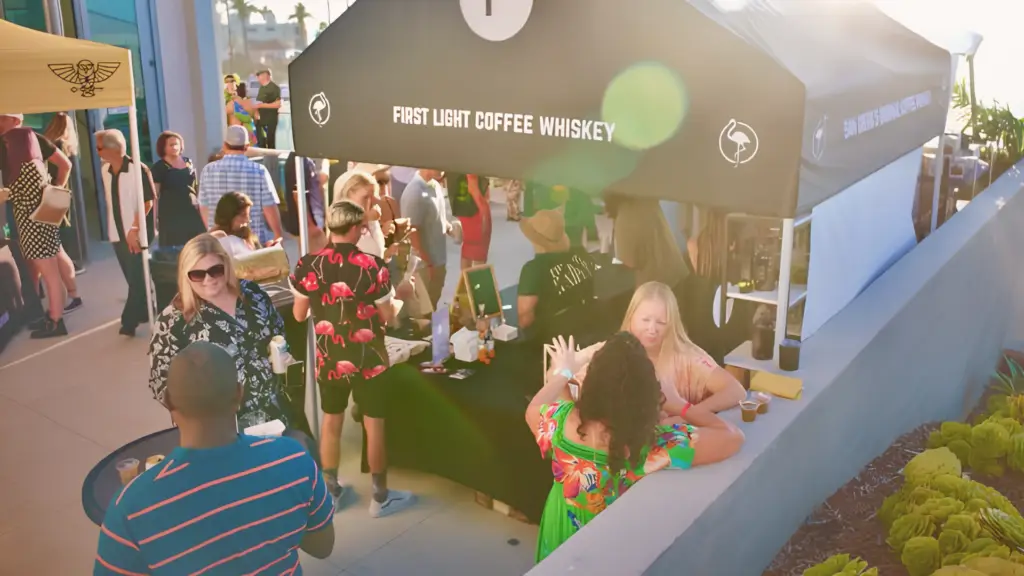
San Diego Spirits Festival: A Celebration of Craft, Creativity, and Connection
Along the coastline of Southern California, where creativity meets hospitality, the world of spirits comes together through one of America’s most recognised celebrations of cocktails and craftsmanship. The San Diego Spirits Festival has become a gathering place for spirits enthusiasts, bartenders, producers, and industry professionals who share a passion for discovering new flavours and celebrating […]
September 22, 2026
History
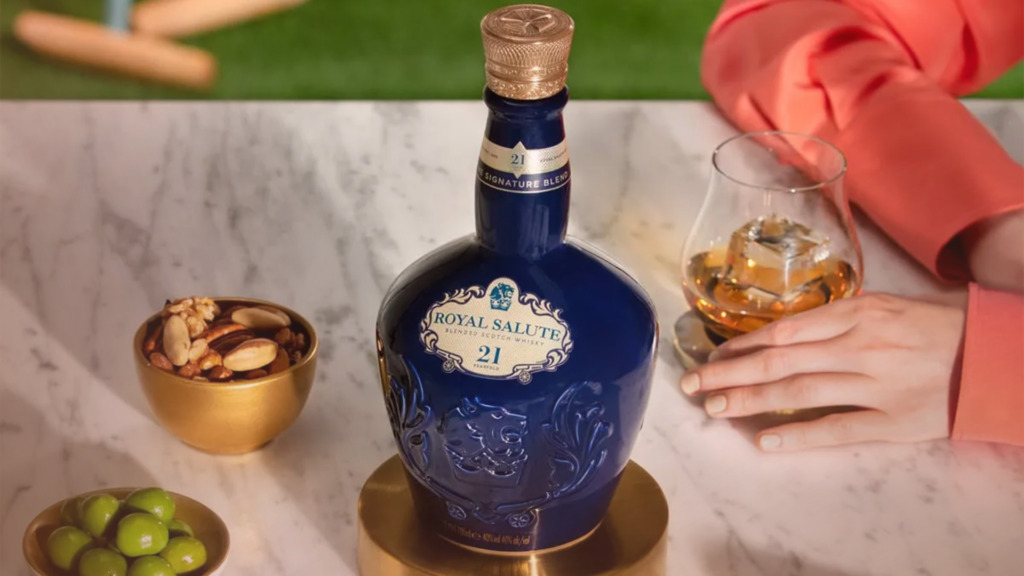
Royal Salute 21-Year-Old: A Celebration Born from Royal Tradition
Some whiskies acquire ceremony around them after decades of reputation. Royal Salute 21-Year-Old began with ceremony already embedded in its identity. The blended Scotch was launched in 1953 in connection with the Coronation of Queen Elizabeth II, held at Westminster Abbey on 2 June that year. The occasion reached an audience unprecedented for a British […]
September 11, 2026
Community and Lifestyle
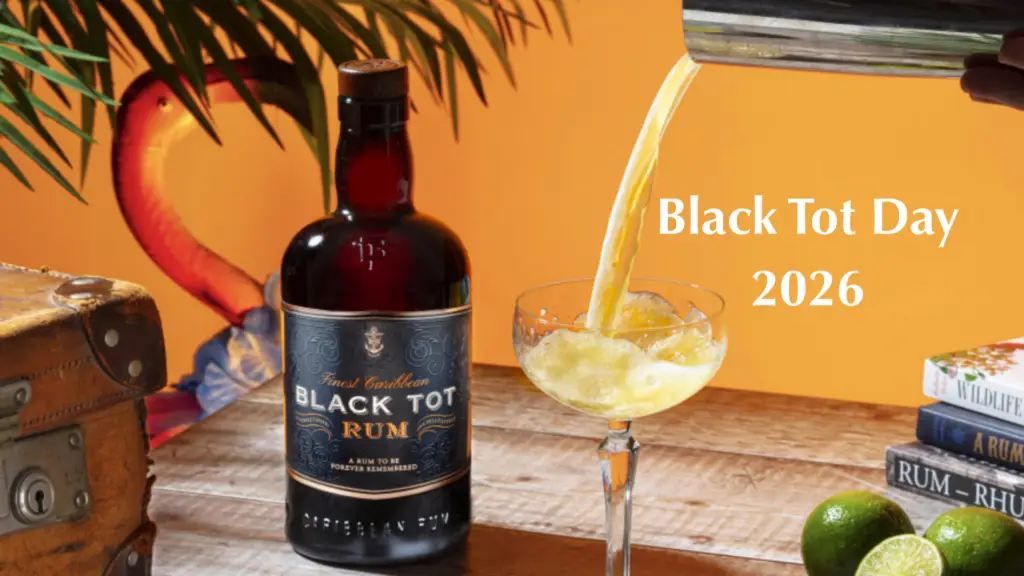
Black Tot Day 2026: Rum, Discipline, and the End of a Royal Navy Tradition
The Black Tot Day rum history begins with a contradiction at the heart of naval life. For centuries, rum was not simply a drink on Royal Navy ships. It was ration, reward, routine, social currency, disciplinary problem, imperial supply chain, and symbol of the lower deck. By the time the final daily tot was issued […]
July 31, 2026