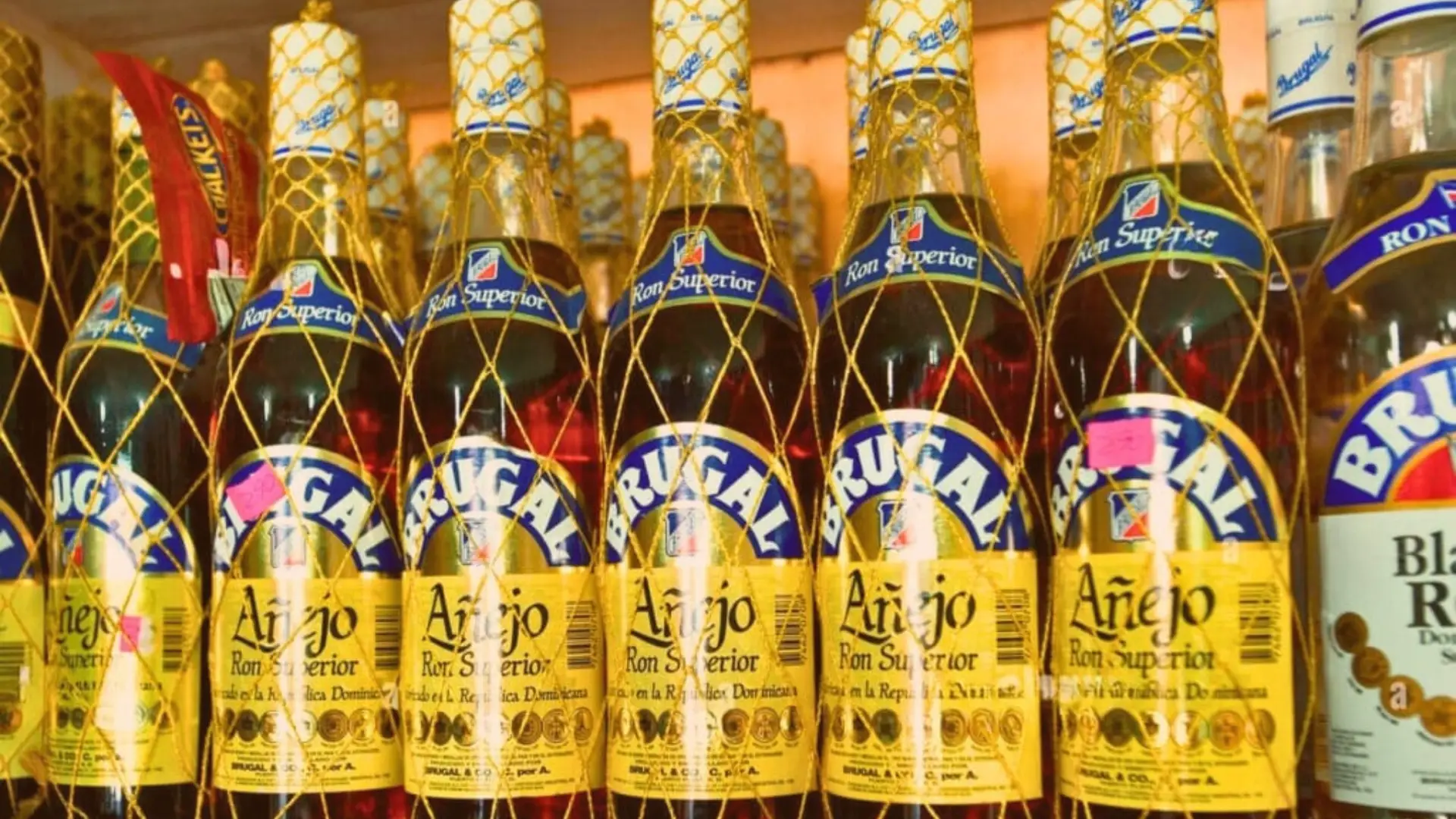
Understanding how rum is made requires starting not in a distillery, but in the field. Rum is one of the few major spirits whose identity is inextricably linked to agriculture, climate, and colonial history. Unlike whisky or gin, rum originates from sugarcane, a crop that has shaped global trade, labor systems, and drinking culture since the 17th century. Every stage of rum production reflects this origin, linking flavor directly to geography and history.
What Is Rum and Its Craftsmanship
Before explaining how rum is made, we need to know more about rum and its craftsmanship. Rum is a distilled spirit defined by its relationship with sugarcane and the environments where it is produced. Unlike spirits governed by rigid global standards, rum’s identity emerges through craftsmanship, regional practice, and historical continuity rather than uniform regulation. From cane cultivation to fermentation choices and aging climate, each decision shapes character and texture. Craftsmanship in rum lies in managing natural variability rather than eliminating it. Producers work with changing harvests, yeast behavior, and barrel influence to achieve balance. This approach makes rum deeply expressive of place, where skill is measured by restraint and understanding rather than consistency alone. Rum’s craftsmanship is therefore cultural as much as technical, reflecting generations of adaptation, tradition, and local knowledge embedded within the spirit itself.
Sugarcane as the Foundation of Rum
At the heart of how rum is made lies sugarcane. First cultivated extensively in the Caribbean and South America during the 1600s, sugarcane became the economic engine of colonial plantations. Rum emerged as a byproduct of sugar production, transforming surplus molasses into a distilled spirit.
This agricultural base sets rum apart. Sugarcane carries a regional character influenced by soil, rainfall, and climate. Whether rum is produced from molasses or fresh sugarcane juice, the raw material establishes the spirit’s aromatic direction long before distillation begins. Rum’s diversity starts here, not in the still.
Molasses and Fresh Cane Juice Traditions
Two primary raw materials define how rum is made across regions. Molasses, the thick syrup left after sugar crystallization, became dominant in British-influenced Caribbean territories during the 18th century. It offered stability, transportability, and year-round production.
In contrast, fresh sugarcane juice forms the base of rums traditionally produced in the French Caribbean regions. This approach preserves vegetal and grassy notes tied directly to the cane itself. These parallel traditions explain why rum displays a broader flavor spectrum than most spirits, even before fermentation and aging are considered.
Fermentation and the Development of Character
Fermentation plays a decisive role in shaping rum’s personality. Yeast converts sugars into alcohol, but it also creates aromatic compounds that define style. In understanding how rum is made, fermentation length and yeast selection are among the most influential variables.
Short fermentations produce lighter cleaner profiles, while extended fermentations allow complex esters and heavier aromas to develop. Historically, Caribbean producers relied on ambient yeasts and long fermentations, resulting in bold aromatic spirits. Modern producers may control fermentation more tightly, yet the principle remains that flavor is born here rather than added later.
Distillation and Regional Expression
Distillation refines fermented liquid into rum, concentrating alcohol and aroma. The method chosen reflects regional philosophy rather than technical limitation. Pot stills, widely used in traditional Caribbean production, emphasize weight, texture and intensity. Column stills, adopted more broadly in the 19th century, allow higher purity and consistency.
In exploring how rum is made, distillation is where regional identity becomes unmistakable. Pot still rums often carry heavier fruity or spicy notes, while column-distilled rums tend toward lighter profiles. Many producers blend distillates from both methods, striking a balance between structure and elegance.
Aging and Climate Influence
Aging transforms rum profoundly. Stored in oak barrels, rum interacts with wood through oxidation and extraction. Tropical climates accelerate this process. In the Caribbean, rum can mature several times faster than spirits aged in cooler regions.
This climate effect is central to how rum is made. High temperatures increase evaporation, concentrating flavor while reducing volume. This phenomenon, often referred to as the angel’s share, shapes both economics and taste. Rum aged for a relatively short time in the tropics can achieve depth comparable to much older spirits aged elsewhere.
Classification Through Style Rather Than Regulation
Unlike whisky, rum lacks a single global regulatory framework. Instead, styles evolved through history, geography and production choices. British-influenced regions favored heavier rums for naval and blending purposes. Spanish-influenced regions developed lighter column-distilled styles. French territories preserved agricultural traditions rooted in fresh cane juice.
Understanding how rum is made, therefore, requires contextual awareness. Rum is defined less by strict rules and more by inherited practice. This flexibility explains both rum’s diversity and the ongoing debate around classification and labeling.
Rum as a Reflection of History and Trade
Rum’s production cannot be separated from its historical context. From the 17th century onward, rum traveled alongside sugar, enslaved labor and global commerce. It became currency, naval ration, and cultural symbol across continents.
Today, how rum is made reflects a re-examination of that legacy. Producers increasingly highlight transparency, origin and sustainability. Modern rum culture seeks to honor craftsmanship while acknowledging history, creating space for education alongside enjoyment.
Where Barlist Meets How Rum Is Made
The story of how rum is made aligns closely with Barlist’s approach to spirits culture. On Barlist, rum is explored not as a single category but as a collection of traditions shaped by agriculture, climate and human history. By tracing rum from the sugarcane field to the barrel, Barlist connects drinkers to a spirit defined by place, process, and enduring global influence rather than uniformity.

Distillery
Hampden Distillery, founded in 1753 in the heart of Jamaica's Trelawny Parish, stands as a testament to centuries…
Distillery
Tanduay Distillers, Inc. is a prominent Philippine alcoholic beverage company that has proudly represented the rich rum-making heritage…
Distillery
Mount Gay Distillery, renowned as the oldest running rum distillery in the world, has been the cornerstone of…
Spirit
Mount Gay 1703 Master Select Barbados Rum
Mount Gay 1703 Master Select Rum represents the pinnacle of rum craftsmanship from Mount Gay Distillery, the oldest…
Spirit
Tanduay White Rum is an exquisite creation that embodies the lush and fertile landscapes of the Philippines. Crafted…
Partnership
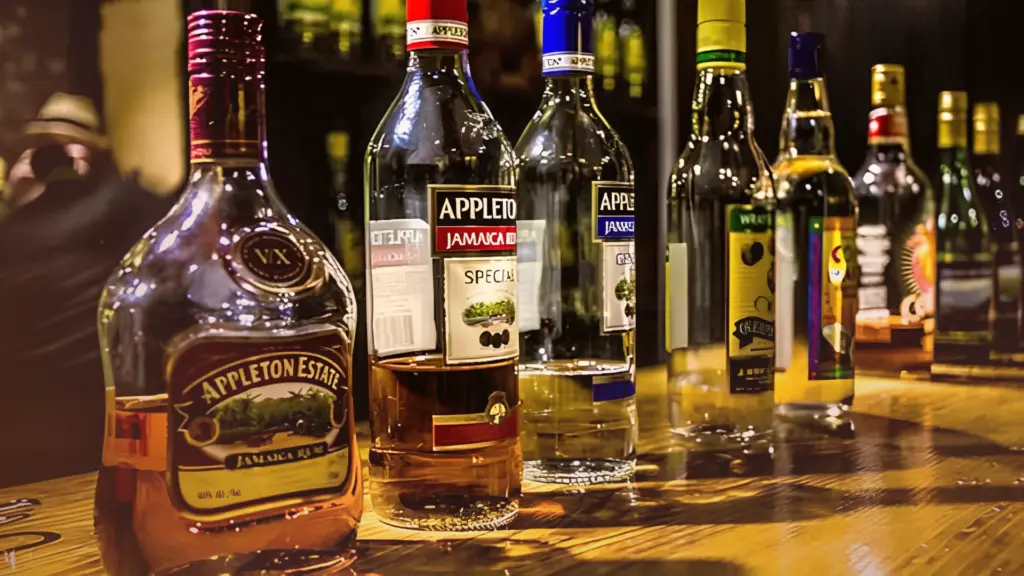
Jamaica Rum and the Sugar Estate Landscape Behind a Protected GI
Jamaica’s Rum story begins with sugar estates, limestone water, heavy fermentations, coastal trade, and a landscape where cane became both wealth and memory. The island’s reputation was not made by one house or one parish. It grew across estates, distilleries, ports, and rural communities where sugar production and rum making became inseparable from the country’s […]
September 13, 2026
Distilleries
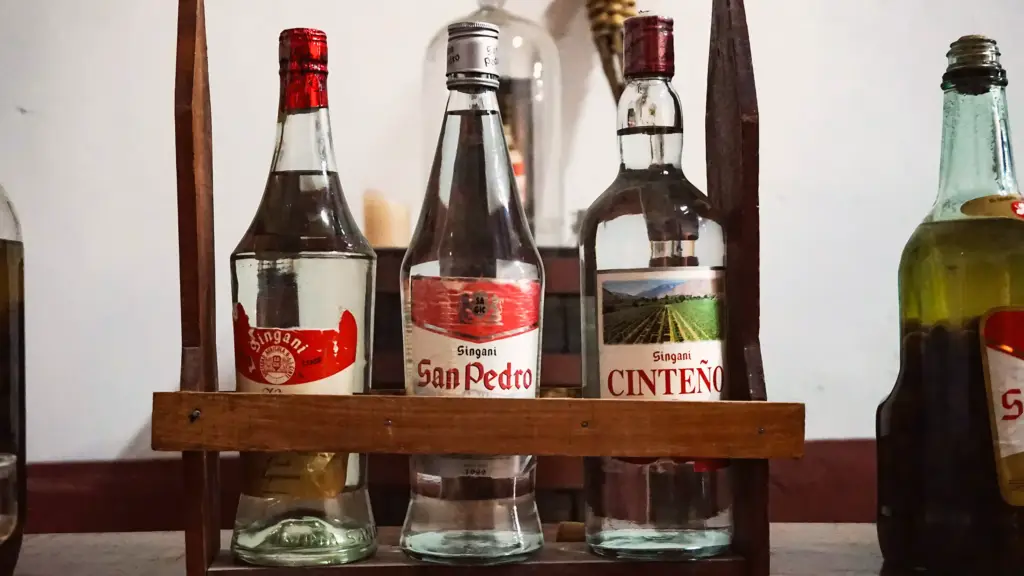
Singani: Bolivia’s High-Altitude Spirit and a Forgotten Andean Heritage
The vineyards of Tarija do not resemble traditional brandy landscapes. They rise sharply into the Andes, where sunlight is direct, air pressure is reduced, and diurnal temperature shifts slow the ripening cycle. At elevations between 1,600 and 2,200 meters, grapes develop differently. Sugar accumulates without losing acidity, and aromatics intensify rather than flatten. From this […]
April 19, 2026
Distilleries & Producers
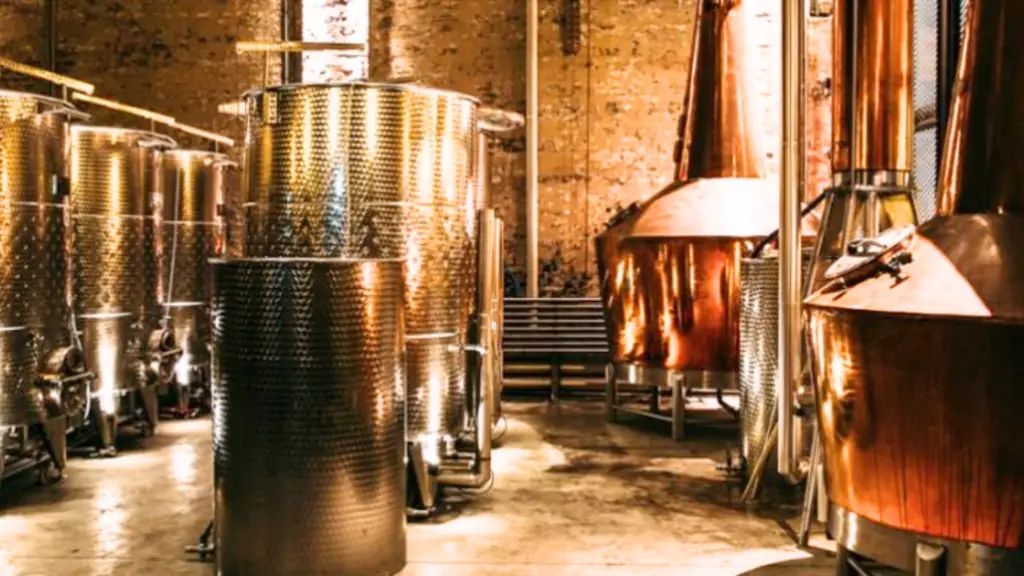
Dunder Pit Fermentation at Hampden Estate and the Formation of High Ester Marques
Behind the fermenters at Hampden Estate, the ground holds part of the distillery’s production logic. Open dunder pits sit exposed to heat and time, filled with the residue of previous distillations. This material is not discarded. It is allowed to decompose, acidify, and evolve before being reintroduced into new fermentations. In most modern distilleries, each […]
April 10, 2026