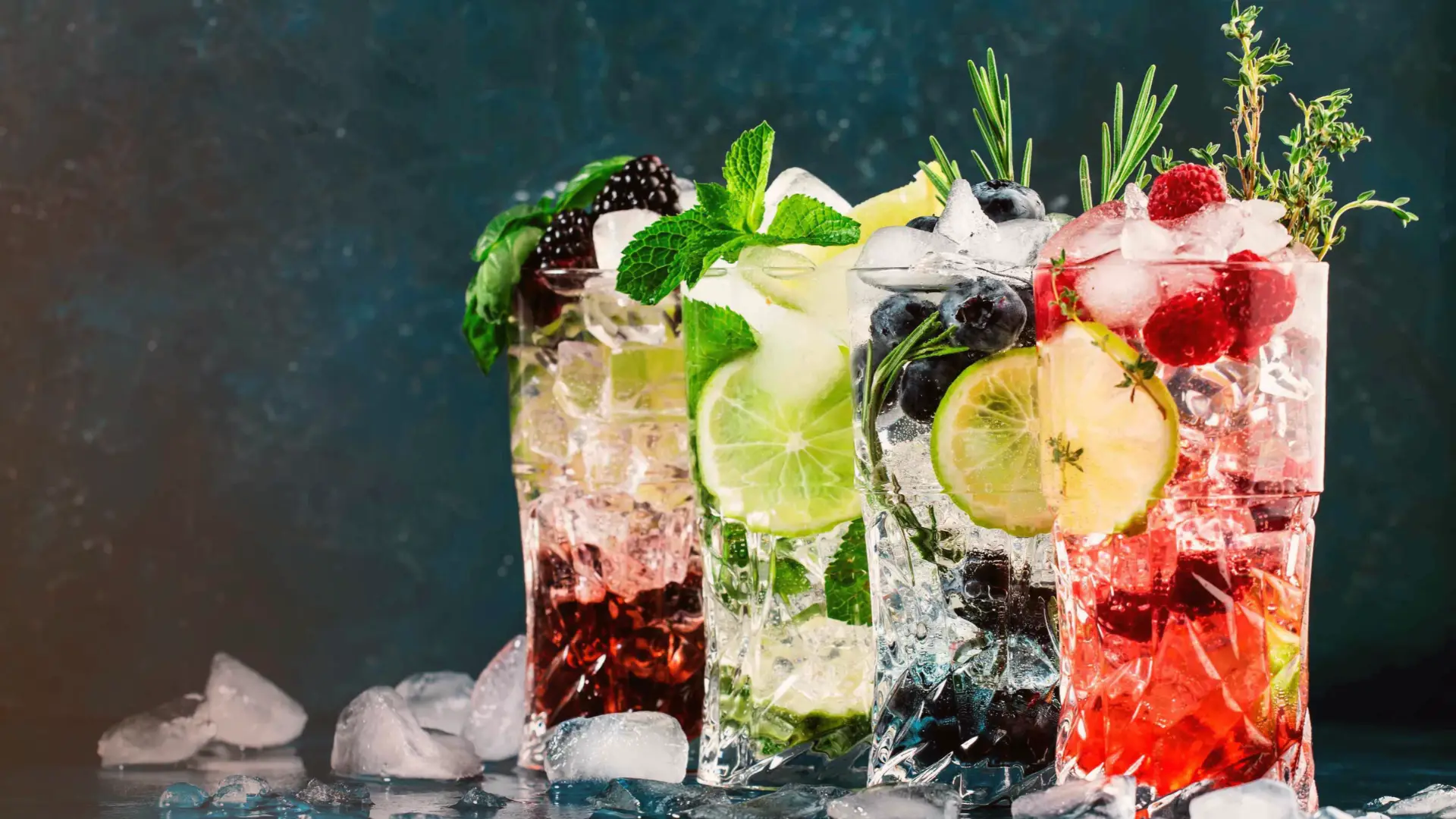
Flavour is where the many decisions behind a cocktail become perceptible. Ingredients, aroma, temperature, and texture arrive as a single impression, even though they reach the senses through different pathways. For the bartender, flavour is not a decorative layer added at the end. It is the organising structure through which the drink becomes intelligible.
Everyday language often treats taste and flavour as the same thing, but flavour is broader. Taste includes sensations such as sweetness, sourness, bitterness, saltiness and umami, while smell contributes much of the aromatic detail that distinguishes one ingredient from another. Texture, temperature and sensations such as cooling, heat or astringency also shape perception. Scientific reviews consistently describe flavour as a multisensory experience rather than the work of the tongue alone.
Cocktails make these relationships especially visible because they bring distinct ingredients into a compact form. The Last Word is recognised for the tension between herbal, botanical, sweet and citrus notes. None of these qualities explains the drink by itself; its identity comes from the way they remain distinct while forming a single profile.
Cocktail Flavour and the Structure of Taste in Modern Bartending
The Penicillin offers a different model. Smoke, citrus, honey and ginger create a flavour that develops in stages rather than appearing all at once. Aroma shapes the opening impression, while sweetness, acidity and spice carry the palate forward. The drink shows that flavour can be sequential as well as balanced.
The Jungle Bird depends on contrast. Tropical richness and dark rum are set against the bitterness and aromatic dryness of Campari. That bitter component should not be described simply as amaro because its identity within the drink is more specific. The cocktail demonstrates that coherence does not always come from similarity; it can also emerge from carefully controlled opposition.
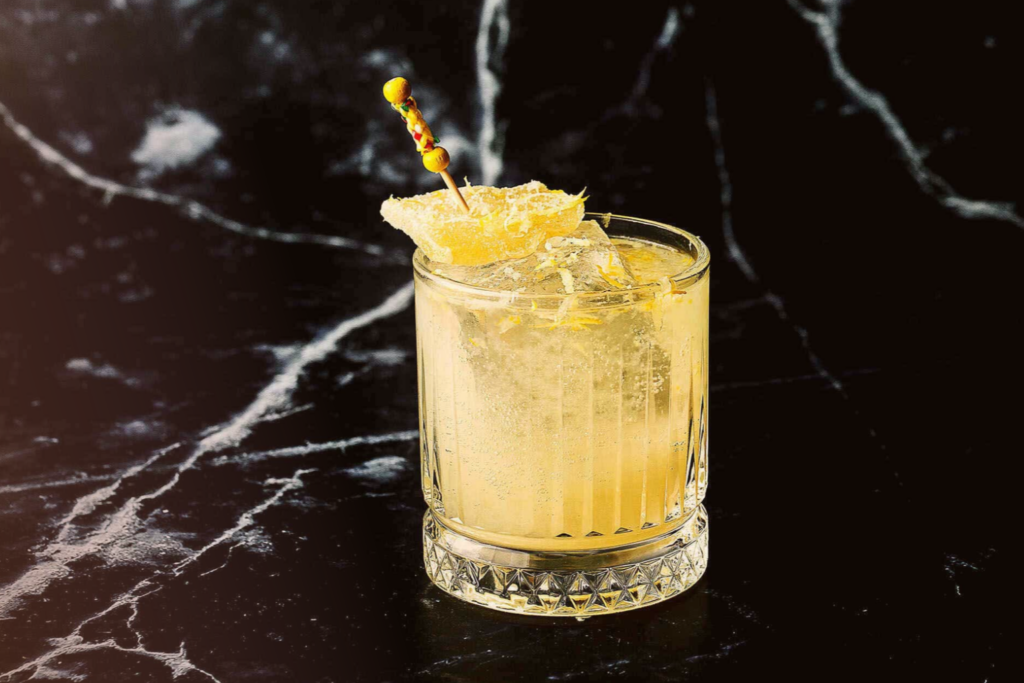
Perception changes as the drink changes. Temperature can mute some aromas while sharpening the impression of freshness. Dilution alters concentration, and texture affects the way flavour spreads across the palate. These variables mean that flavour is not fixed at the moment a drink is served. It continues to evolve as the drink warms, rests or changes in the glass.
Ingredient condition is equally important. Freshness, maturity, preservation and storage all influence aromatic clarity and texture. A mature spirit, fermented ingredient or fortified wine may be valued precisely because time has changed it, while another component may lose definition quickly. The relevant question is not whether an ingredient is simply fresh, but whether it is in the condition the drink requires.
Culture also influences flavour. Bitterness may be central to one drinking tradition and treated cautiously in another. Herbal, smoky, savoury or highly acidic profiles carry different associations depending on place, cuisine and personal memory. Flavour is experienced physically, but it is interpreted through culture.
This is why tasting vocabulary matters. Words such as bright, dry, rich, bitter, floral or smoky can be useful, but they are never perfectly universal. A skilled description helps a guest understand the direction of a drink without pretending that everyone will perceive it in the same way.
Developing judgement requires comparison and attention. The aim is not to memorise one correct profile, but to understand how a shift in one element changes the whole. A cocktail may become softer, sharper, more aromatic or less coherent without any single component appearing obviously wrong.
The strongest drinks create clarity without becoming simple. Their flavours may be layered, contrasting or unfamiliar, yet the guest can still sense an organising idea. Flavour is where technique, memory and culture meet, allowing the cocktail to communicate more than the sum of its ingredients.

Renowned international hospitality consultant, founder of Barpartners, and IBA Vice President of Classic Mixology, bringing over 25 years of luxury hotel bar operations.

In partnership with International Bartenders Association
The International Bartenders’ Association stands at the crossroads of exchange between new and established generations of professionals.
Bar
Mae’s Room is an intimate cocktail bar in Miami that exudes warmth and understated sophistication. The interior is…
Bar
In Osaka’s cocktail landscape, Juniper has established itself as a refined destination for lovers of gin and meticulously…
Cocktail
The Penicillin is a modern classic cocktail, celebrated for its harmonious blend of smoky, sweet, and tart flavors…
Cocktail
The Jungle Bird is a distinctive tropical cocktail that balances rich rum with bitter and fresh elements, creating…
Partnership
Lady Bee: Structure, Scale, and the Quiet Discipline of Contemporary Peruvian Bartending
There are bars that announce themselves through concept, and others that build recognition through repetition. Lady Bee belongs firmly to the latter. Located in Lima, the bar has developed its reputation not through spectacle, but through consistency, technical control, and a steady refinement of classic structures within a contemporary Peruvian context. Since opening in 2017, […]
September 26, 2026
Partnership
Superbueno in New York: Precision, Identity, and the Return of Clarity in Cocktail Design
Not every bar in New York needs to announce itself loudly to be noticed. Superbueno opened in 2023 with a smaller room, a focused menu, and a level of clarity that quickly separated it from the noise. Within a year, it had already entered The World’s 50 Best Bars list, a rare trajectory that says […]
September 19, 2026
Partnership
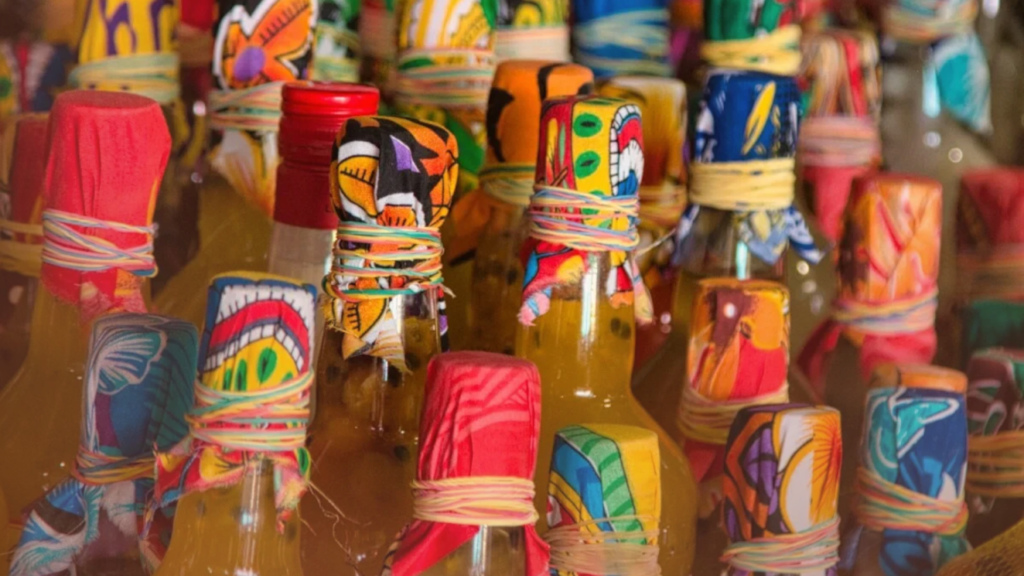
French Guiana Rum: Discovering Pure Cane Juice Spirits Beyond the Caribbean Spotlight
French Guiana is often overlooked in discussions of rum. It does not belong to the Caribbean island chain, and its production is far smaller than that of Martinique or Guadeloupe. Yet its cane-juice tradition holds a distinct place within the French overseas rum world. Located on the north-eastern coast of South America, French Guiana is […]
September 18, 2026