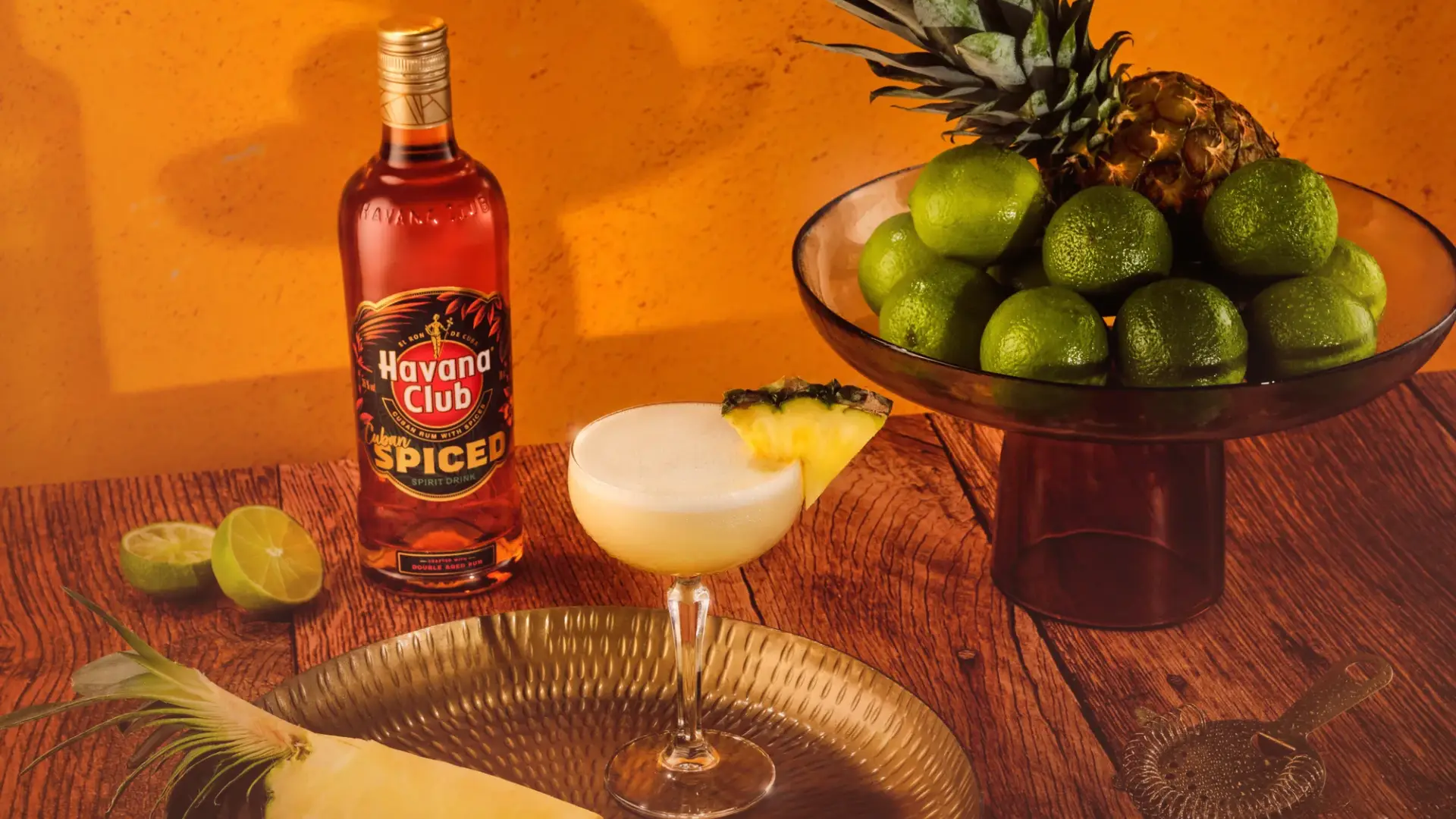
Cuban Rum grew out of cane, heat, ports, warehouses, and an island economy that learned to turn sugar into something more durable than the crop itself. The spirit did not become Cuban because of one brand, one city, or one famous label. It became Cuban through a way of working with molasses, ageing, filtration, blending, and inherited technical judgement.
The phrase ron ligero cubano carries more than a flavour idea. It refers to a Cuban tradition of lighter-bodied rum shaped by column distillation, controlled ageing, and the work of maestros roneros who learned to build continuity through selection and blending. That knowledge is now part of Cuba’s recognised cultural heritage.
Cuban rum is protected through the Denominación de Origen Protegida Cuba for rum. The legal system gives structure to a national production identity, while the UNESCO recognition of the Knowledge of the Light Rum Masters gives cultural weight to the people who keep that identity alive.
Cane, Ports, and the Making of an Island Style
Cuba’s rum history cannot be separated from sugar. Cane fields, mills, molasses, warehouses, and maritime trade shaped the island’s economy for centuries. Rum came from that world. It was tied to sugar production, but it also developed its own technical language and commercial reputation.
By the 19th century, Cuban rum had begun to move toward a lighter and more polished style than many older heavy rums of the Caribbean. Santiago de Cuba is especially important in this history. UNESCO identifies 1862 in Santiago de Cuba as a founding moment in the emergence of Cuban light rum, a date that places the category inside a long chain of industrial and cultural practice.
The island’s style was not created by accident. It came from distillation choices, ageing discipline, charcoal filtration, blending, and the slow formation of a professional community around the work. Cuba’s rum identity is therefore both industrial and human. It depends on equipment and law, but also on memory, training, and judgement.
The Protected Name Cuba
Cuba protects its rum through a Denominación de Origen Protegida. The regulatory framework was formalised through Resolution No. 343 of September 5, 2013, issued by the Ministry of Food Industry and published in the Official Gazette on October 14, 2013. The regulation established the system for control, administration, communication, protection, and defence of the protected denomination, and created the Consejo Regulador.
That legal structure matters because the word Cuba is not used here as a vague national image. In the DOP context, it is a protected origin claim. The name is tied to Cuban production conditions, regulatory control, and the specific reputation of Cuban rum.
The system is also linked to Cuba’s wider geographical indication law. The protected name belongs to a national legal framework rather than to a European AOC model. For Barlist, the correct terminology is Denominación de Origen Protegida, not AOC and not a generic brand description.
Molasses and the Cuban Rum Base
Cuban rum belongs to the cane spirit family, but its traditional base is molasses from sugarcane processing. This connects the spirit to the island’s sugar economy and to a production chain that begins long before distillation.
The Cuban method is associated with producing aguardientes and lighter distillates that can later be worked through ageing, selection, and blending. The point is not to present a recipe. The important legal and cultural fact is that Cuban rum identity rests on cane derived material, Cuban production, and a house of techniques developed around light rum.
Molasses gives the category its agricultural and industrial foundation. The maestros roneros give that raw material a Cuban form.
The Discipline of Lightness
Light rum can be misunderstood as simple rum. In the Cuban context, lightness is not the absence of character. It is a controlled style built through precision.
The tradition of ron ligero cubano depends on separating heaviness from balance, roughness from refinement, and youth from maturity. Cuban rum culture values continuity and harmony rather than excess. Its masters work with distillates, bases, aged components, and blends to maintain a profile that remains recognisably Cuban without becoming static.
This is where the category becomes more than a legal file. A protected origin can define territory and rules, but Cuban rum also depends on a culture of trained interpretation. The maestro ronero reads the spirit through experience, not only through measurements.
Ageing as a Cuban Grammar
Ageing is one of the places where Cuban rum shows its character. Cuban light rum tradition is associated with successive ageing and blending rather than a simple one-stage maturation story. The UNESCO description refers to continuous mixture processes and successive natural ageing as part of the knowledge of the light rum masters.
That phrase is important because it points to a cultural method, not just time in wood. Cuban rum identity depends on knowing how different aged components relate to one another and how each stage contributes to the final balance.
The cellar is therefore not only a storage space. It is a place of interpretation. The rum changes through time, but it also changes through the decisions of the people responsible for guiding it.
The Maestros del Ron Cubano
The maestros roneros are central to Cuban rum. UNESCO describes their knowledge as a body of traditional, scientific, sensory, and transmission techniques that safeguards the Cuban light rum manufacturing process. This knowledge is passed through long training and professional selection.
Their work takes place in ageing cellars, blending areas, and laboratories. It is technical, but it is also cultural. The maestros are responsible for continuity, and continuity is one of the hardest things to protect in any spirit category.
In 2022, the Knowledge of the Light Rum Masters was inscribed on UNESCO’s Representative List of the Intangible Cultural Heritage of Humanity. That recognition is essential for this article because Alexandre specifically noted that the Cuban rum article must include it.
The inscription confirms that Cuban Rum heritage is not only held in factories or regulations. It is carried by people who learn the discipline over time and transmit it to the next generation.
A National System Rather Than a Single House
Cuban rum is often seen internationally through famous commercial names, but the protected system should not be reduced to one producer. The DOP belongs to a wider national rum identity and is organised through regulatory control.
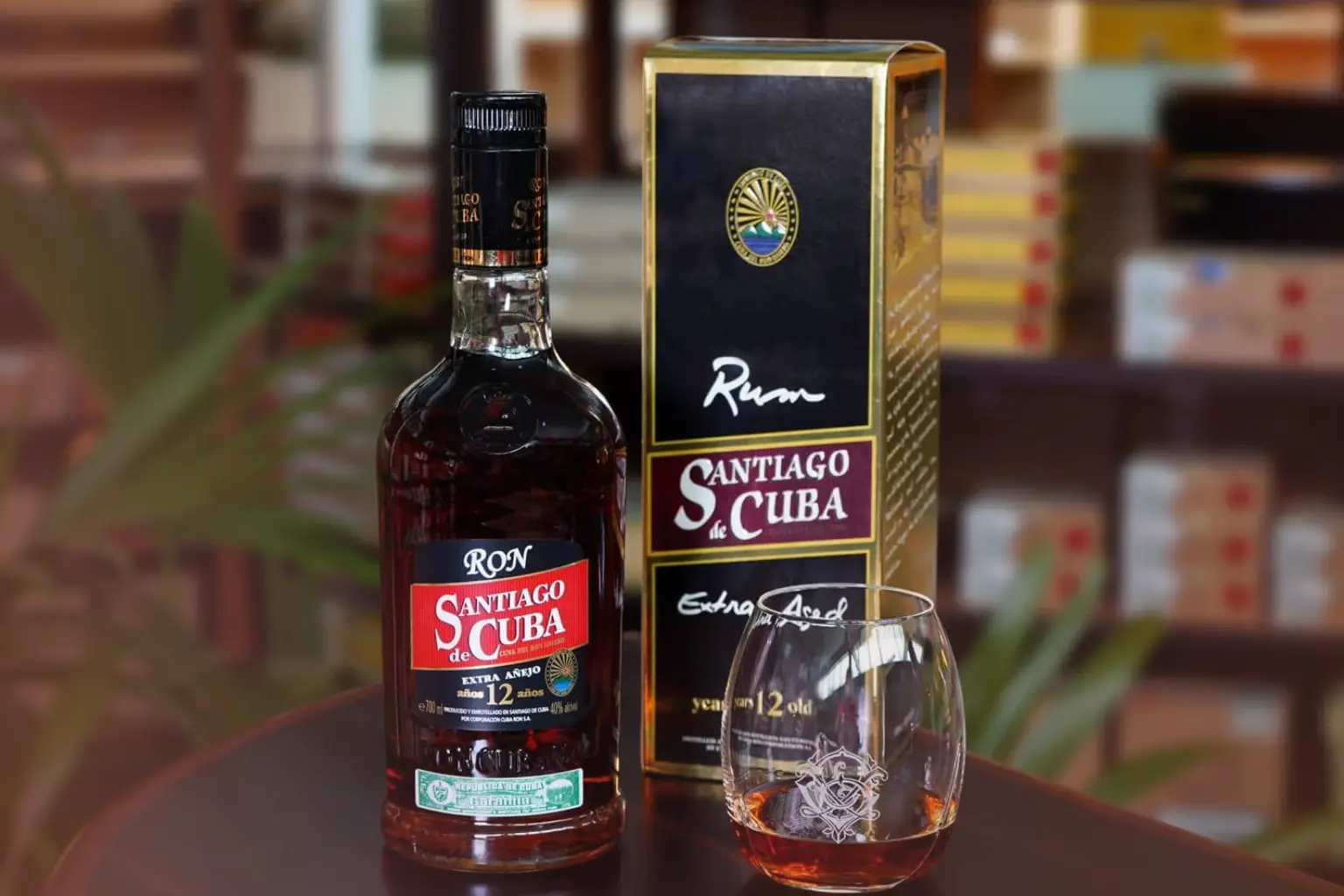
Cuba Ron S.A. has played an important institutional role in the modern rum sector and in the Consejo Regulador framework. Producers and brands such as Havana Club, Santiago de Cuba, Cubay, Varadero, and Caney are part of the wider public face of Cuban rum, but the legal meaning of the protected name is larger than any one label.
This distinction is important for an appellation article. Brands help consumers recognise the category, but the protected origin belongs to a production system, not to a brand story.
Cuban Rum in the Wider Caribbean
Rum has many regional languages. Jamaica is often discussed through heavier fermentation-driven marks. Martinique’s rhum agricole is tied to fresh cane juice and AOC rules. Venezuela protects a national rum denomination built around cane, ageing, and state recognition. Cuba’s identity sits elsewhere, in the culture of light rum, molasses-based production, ageing, filtration, and blending.
That difference should not be turned into a hierarchy. It simply shows why rum requires careful legal vocabulary. Each protected system has its own grammar. Cuban rum’s grammar is built around the DOP Cuba, ron ligero cubano, and the living expertise of the maestros roneros.
A Protected Origin Carried by Knowledge
Cuban rum became legally and culturally defined because law and human transmission meet inside the same system. The DOP protects the name Cuba for rum. The Consejo Regulador gives the denomination institutional structure. UNESCO recognition protects the knowledge of the people who give Cuban light rum its continuity.
The category is therefore not only an industrial product. It is a national production culture shaped by cane, molasses, ageing, blending, and apprenticeship. Cuban rum shows how a spirit can become protected not only through geography, but through disciplined human knowledge. The island gives the origin. The maestros give the origin a memory.
Renowned freelance spirits consultant, award-winning author, and international spirits judge, recognized globally as a leading authority on spirits selection, historical distillates, and market innovation.
Spirit
Havana Club 11 YO Rum is a remarkable expression from the acclaimed Havana Club rum distillery, renowned for…

Spirit
Santiago de Cuba Extra Añejo 20 YO Rum
Santiago de Cuba Extra Añejo 20 YO Rum is an exceptional spirit that showcases the rich heritage and…
Spirit
Ron La Progresiva De Vigia 13 Cuban Rum
Ron La Progresiva 13 is an exquisite premium dark rum produced in Cuba, specifically crafted to exemplify both…
Spirit
Havana Club 'Iconica' Selección De Maestros Rum
Havana Club Selección de Maestros Rum is a distinguished Cuban rum noted for its smoothness and complex flavor…
Spirit
Bristol 2003 Classic Fine Cuban Rum
Bristol 2003 Classic Fine Cuban Rum is a remarkable expression meticulously crafted to showcase the distinctive qualities of…
Spirit
Ron Caney Añejo Centuria Cuban Rum
Ron Caney Añejo Rum is a distinguished rum that embodies the rich heritage and craftsmanship of rum-making in…
Trending
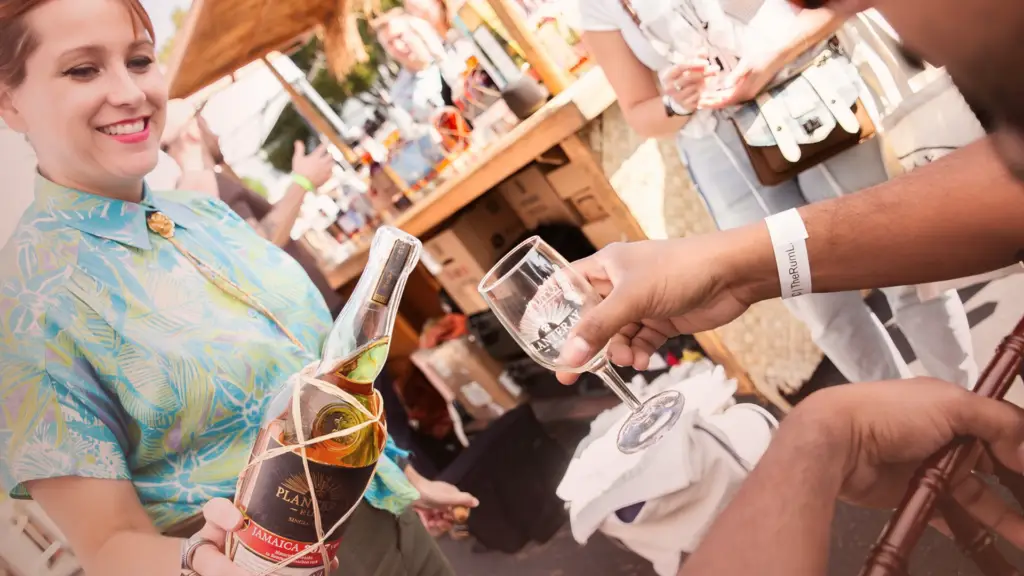
California Rum Fest 2026: Exploring the Craft, Culture, and Revival of Rum
California Rum Fest 2026: Across the Caribbean, Latin America, and beyond, rum has always carried the stories of landscapes, agriculture, and generations of craftsmanship. Born from sugarcane and shaped by the traditions of different regions, rum is one of the world’s most diverse spirits, offering expressions that range from light and elegant to rich, complex, […]
September 20, 2026
Trending
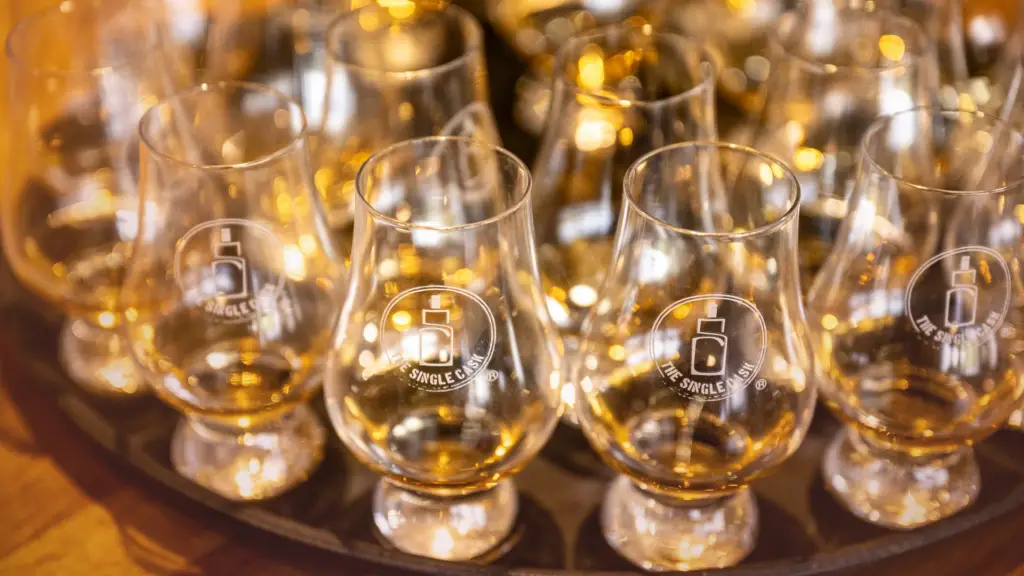
Whisky Indy Love Festival: Where Curiosity Meets the Craft of Whisky
Whisky Indy Love Festival: Whisky has always been a spirit shaped by patience, place, and people. Behind every bottle lies a story of distilleries, landscapes, casks, and the decisions that transform new-make spirit into something with character and identity. While famous distilleries often represent the public face of whisky, a different world exists behind the […]
September 19, 2026
Partnership

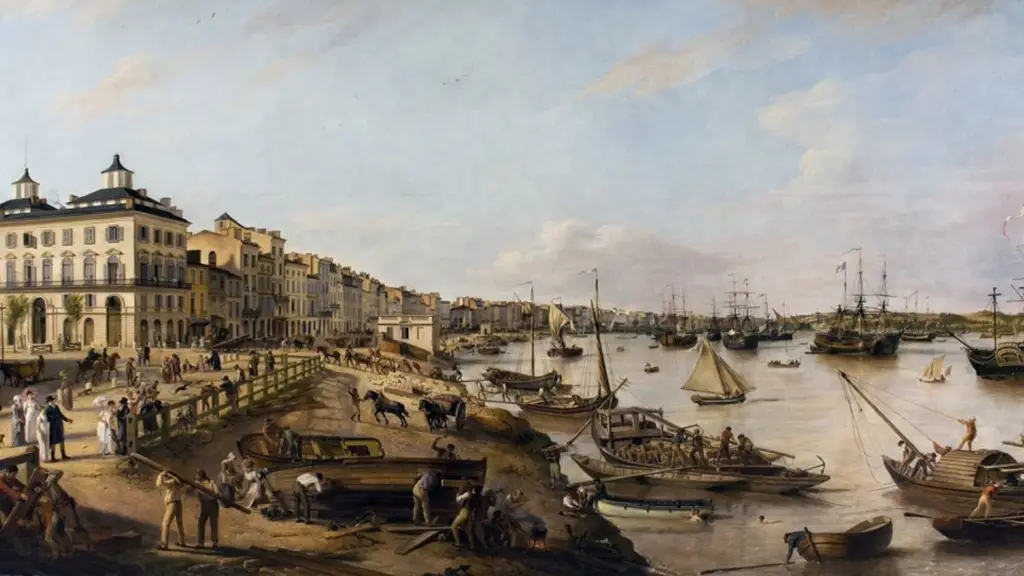
The Port of Bordeaux and the Trade Routes That Built Cognac
Cognac did not become a global spirit because of vineyards alone. Its rise depended on water, ships, and merchants long before it depended on distilleries. The identity of Cognac was shaped as much by the port of Bordeaux as by the chalk soils of Charente. Without Bordeaux’s access to Atlantic trade routes, cognac would likely […]
September 16, 2026