Among the many treasures of France, Cognac stands as a timeless symbol of luxury, artistry, and refinement. From candlelit palaces to royal banquets, this golden spirit has long been associated with power, prestige, and exquisite taste. But its rise from a humble wine distillate to a drink of kings is a story of trade, innovation, and diplomacy that spans centuries.
The Birth of a Royal Spirit
The story of Cognac begins in the Charente region of western France during the sixteenth century. Merchants from England, Holland, and Scandinavia frequently traded for the region’s wines, but these did not always survive long sea voyages. To preserve their quality, French producers began distilling the wines into eau-de-vie, which could later be diluted back into wine. Over time, they discovered that when this spirit was aged in oak casks, it transformed into something far more complex, rich, and elegant.
By the seventeenth century, Cognac had become France’s most prized export, appreciated for its smoothness and refined character. It was during this period that it began to catch the attention of Europe’s royal courts. Monarchs, nobles, and dignitaries across England, Russia, and Scandinavia developed a fascination for this new French spirit, whose delicate balance of fruit, spice, and wood reflected the sophistication of the aristocracy itself.
From the French Countryside to Royal Tables
As trade expanded through the great European empires, Cognac became a symbol of status and taste. It was the drink of diplomacy, often gifted to kings, tsars, and emperors as a gesture of friendship and alliance. The royal families of England, Denmark, and Russia became some of Cognac’s earliest ambassadors, spreading its fame beyond France’s borders.
During the reign of Louis XIV, known as the Sun King, Cognac earned a permanent place at the French royal table. Its connection with the monarchy elevated its reputation throughout Europe. The smooth texture and noble aroma of the spirit made it an essential part of courtly life, savored during royal banquets and private gatherings alike.
In England, the demand for Cognac grew so rapidly that merchants from Hennessy, Martell, and Courvoisier established strong trade routes and warehouses to satisfy the aristocracy’s desire for French brandy. Meanwhile, Russian nobles were known to toast to victories and peace treaties with fine Cognac, considering it a drink of elegance and intellect.
The Houses That Defined Royal Taste
The rise of Cognac as a royal drink is inseparable from the legendary houses that perfected its craft. Martell, founded in 1715, quickly became a favorite of European courts for its delicately balanced style. Hennessy, established in 1765 by an Irish officer in the French army, grew to become the most recognized Cognac brand in the world, revered by both monarchs and artists. Courvoisier, famously known as Napoleon’s Cognac, was said to have accompanied the Emperor during his exile, cementing its association with leadership and legacy.
Each of these houses contributed to defining what we now recognize as the Cognac tradition: meticulous distillation, long oak aging, and an unyielding devotion to craftsmanship. The result was a spirit worthy of palaces and thrones.
Cognac’s Legacy of Prestige
By the nineteenth century, Cognac had become synonymous with power and prestige. It was served at coronations, state dinners, and royal banquets across Europe. Even as revolutions and wars reshaped nations, Cognac retained its allure. It adapted to new times while maintaining its connection to heritage and excellence.
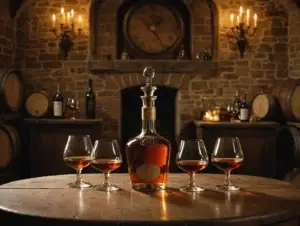
Today, that same spirit continues to embody refinement. Whether poured in a crystal snifter in Paris, London, or Tokyo, Cognac remains a universal emblem of craftsmanship and class. Its deep amber glow and layered aroma are reminders of its royal journey from French vineyards to the world’s most exclusive tables.
Barlist and the Cognac Experience
Through Barlist, you can explore the world of Cognac as it was meant to be experienced — with knowledge, appreciation, and discovery. Learn about the great houses, their heritage, and the artistry behind every blend. Use the Barlist bottle scan feature to uncover tasting notes, aging details, and pairing suggestions that bring royal elegance to your glass.
From the vineyards of Grande Champagne to the cellars of historic maisons, every bottle of Cognac tells a story of kings, connoisseurs, and centuries of craftsmanship. With Barlist, that legacy continues to pour into the present, one glass at a time.