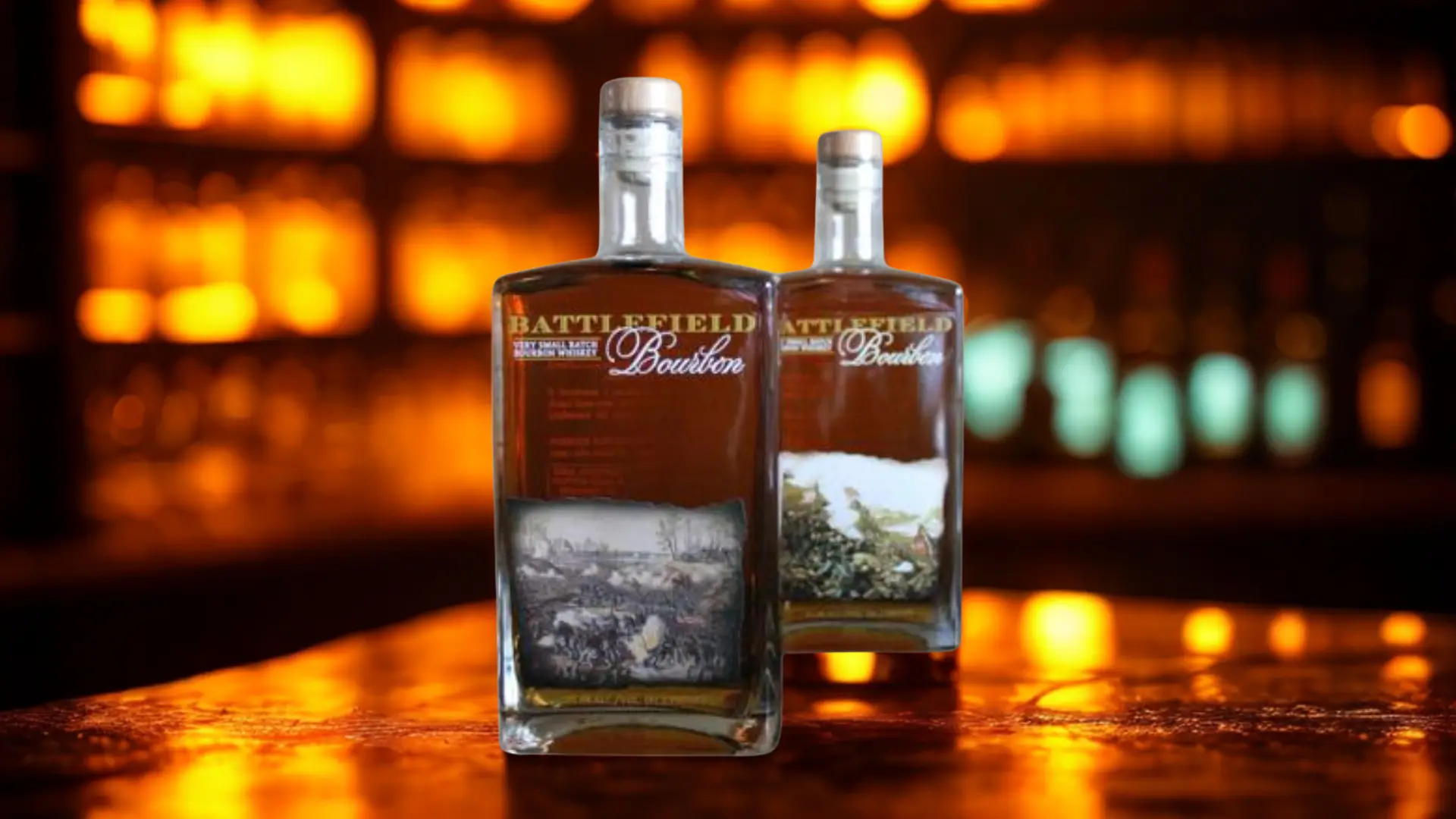
The story of bourbon is inseparable from the story of America itself. Born in the rolling hills of Kentucky, bourbon’s journey from local corn whiskey to national symbol was not shaped by peace and prosperity but by the turmoil of war. The American Civil War, fought from 1861 to 1865, left no corner of the country untouched, including its distilleries. What emerged from that era was not only a stronger nation but also a spirit that came to embody resilience, resourcefulness, and pride.
Bourbon Before the War
Long before the first shot was fired at Fort Sumter, bourbon had already taken root as America’s native spirit. Distilling traditions brought by Scottish and Irish settlers in the late eighteenth century flourished in Kentucky’s fertile valleys, where limestone water, abundant corn, and charred oak barrels created a uniquely smooth whiskey.
By the early 1800s, bourbon was being shipped down the Mississippi River to New Orleans, gaining popularity across the nation. Small family-run distilleries dotted the countryside, each guarding its own recipes and methods. Whiskey was more than a drink; it was a form of currency, a medicine, and a symbol of connection to the land.
The Civil War and the Distillers’ Dilemma
When the Civil War began, distilling faced both practical and moral challenges. Many distilleries shut down voluntarily or were forced to halt production as Union troops occupied Kentucky and Tennessee, seizing supplies of corn, grain, and barrels for the war effort. Others saw their stills destroyed or taken by soldiers who needed alcohol for medical use, morale, and survival.
Whiskey became a crucial commodity on the battlefield. Surgeons used it as an anesthetic, soldiers drank it for courage, and generals used it to maintain discipline and spirit among their troops. President Abraham Lincoln himself famously remarked that if a general fought well while drinking whiskey, the government should “send a barrel to all the others.”
The war also brought about the first major shift in bourbon’s economic landscape. The federal government introduced taxes on spirits to help fund the war, which led to the creation of the Internal Revenue Service in 1862. These new taxes forced many small distillers to close while larger, more structured operations began to dominate production in the postwar years.
The Birth of Bourbon’s National Identity
When peace finally returned, the bourbon industry was forever transformed. The war had taken bourbon from a regional specialty to a national treasure. Soldiers returning home carried memories of Kentucky whiskey, spreading its reputation across the United States. As the country rebuilt, bourbon became a symbol of unity and perseverance, representing an American spirit born of conflict but matured in resilience.
Distilleries such as Buffalo Trace, Jim Beam, and Wild Turkey refined their production, creating consistent and recognizable expressions that defined modern bourbon. The Bottled in Bond Act of 1897 further cemented its reputation, setting high standards of purity and transparency that endure today.
Legacy and Reflection
The relationship between bourbon and the Civil War is one of paradox and perseverance. The conflict nearly destroyed the industry, yet it also gave bourbon a national identity that would last for centuries. Forced to adapt through hardship, distillers emerged stronger, setting the stage for bourbon’s rise as a defining element of American culture.
Every sip of bourbon tells this story. It carries the history of battlefields and backroads, of farmers and soldiers, of faith in better days. It is a reflection of the American character, blending craftsmanship, endurance, and hope in liquid form.
Bourbon’s Enduring Symbolism
For the Barlist community, bourbon stands as more than a drink; it is a living legacy. From the fields of Kentucky to the hearts of whiskey enthusiasts worldwide, it continues to symbolize authenticity, integrity, and craftsmanship. Its amber glow reminds us that from struggle can come greatness, and from chaos, creation.
To understand bourbon is to understand America’s spirit itself. Both were shaped by conflict, refined through time, and destined to endure. Each bottle represents a story of courage and transformation, reminding us that heritage is not preserved by standing still but by continuing to evolve with respect for the past.

Partnership

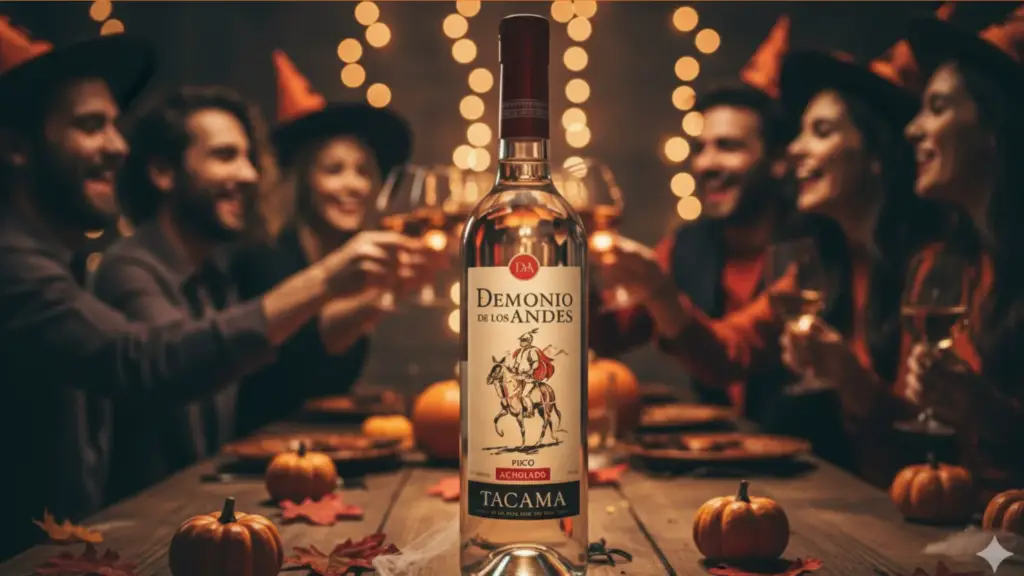
Pisco: A Spirit Claimed by Two Nations
Pisco is one of the few spirits whose identity is divided by national borders rather than defined by them. Both Peru and Chile claim pisco as a national spirit, each supported by legal frameworks, historical narratives, and active production. This dual claim is not a modern branding dispute. It is the outcome of colonial administration, […]
October 7, 2026
Partnership
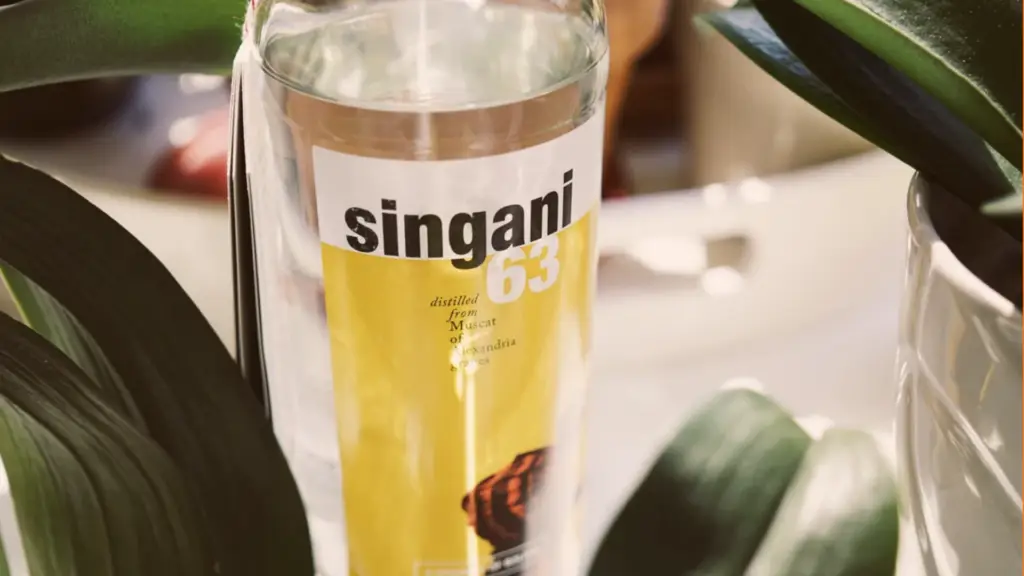
Singani: Bolivia’s High-Altitude Spirit and a Forgotten Andean Heritage
Singani is one of the least understood legally protected spirits in the world. Despite centuries of continuous production in Bolivia, it remains largely absent from global spirits discourse. This absence is not due to ambiguity or lack of definition. Singani is one of the most tightly structured grape distillates in existence, defined by altitude, grape […]
September 30, 2026
Partnership
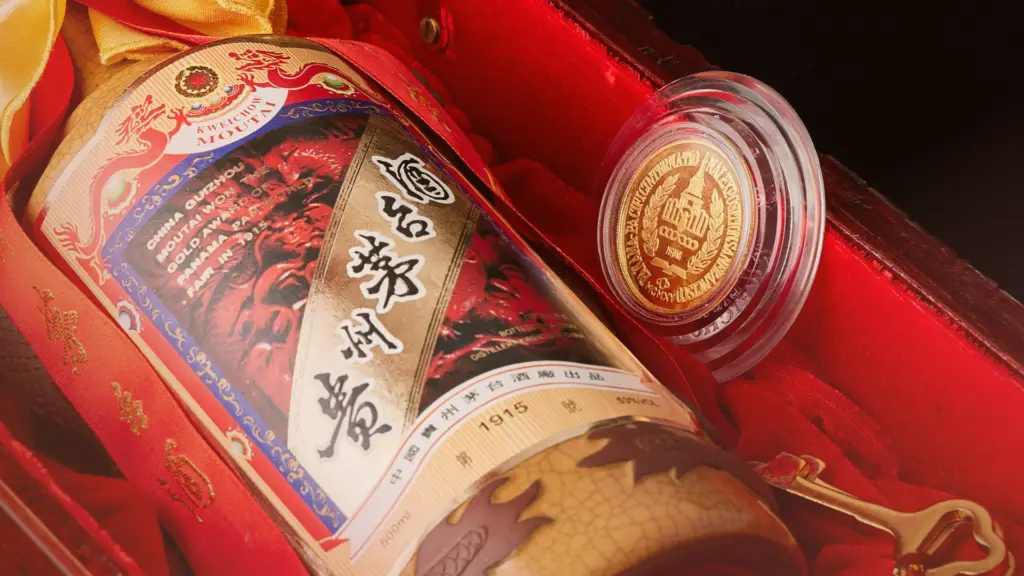
Kweichow Moutai: The Protected Origin of Sauce Aroma Baijiu
Moutai begins in a bend of the Chishui River, in a town where geography has been asked to explain taste for generations. The river, the valley heat, the purple-red soils, the surrounding hills, and the microbial life of Maotai Town are all part of the story people tell when they try to explain why this […]
September 27, 2026