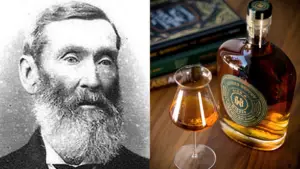
Cachaça and the Spirit That Refused to Be Silenced
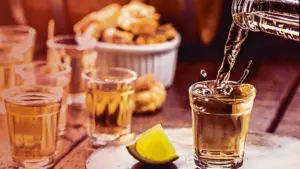
Long before it became the foundation of the Caipirinha, Cachaça was born under oppression. In sixteenth-century Brazil, enslaved Africans working on Portuguese sugar plantations observed
Long before it became the foundation of the Caipirinha, Cachaça was born under oppression. In sixteenth-century Brazil, enslaved Africans working on Portuguese sugar plantations observed
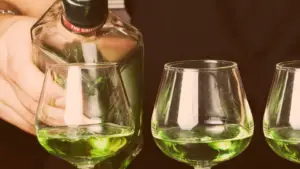
In the 19th century, few alcoholic drinks inspired as much fear and fascination as Absinthe. It was accused of causing hallucinations, insanity, violent crime, and

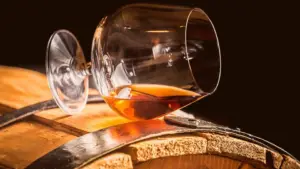
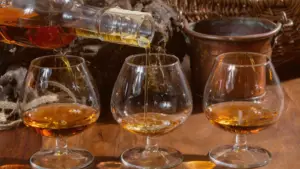
In the landscape of French spirits, few contrasts are as revealing as the divergence between Armagnac and Cognac. Both are grape-based brandies distilled from wine.

In early 18th century London, gin was no longer an occasional indulgence. It had become an everyday presence, poured in kitchens, alleys, and unlicensed dram

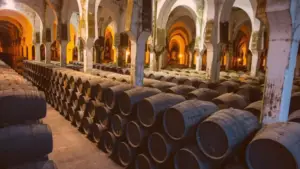
British drinking culture was shaped as much by foreign trade as by domestic tradition. Few categories illustrate this more clearly than sherry. While often described

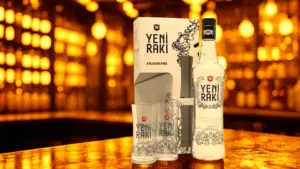
Rakı is not simply an anise-flavored spirit. It is a cultural system shaped by empire, reform, and shared ritual. Its identity formed across Anatolia and

France’s three great brandy traditions did not evolve as variations of a single idea. Armagnac, Cognac, and Calvados emerged under different commercial pressures, agricultural realities,

Modern spirits are often defined by brand, age, or origin, yet few drinkers consider the technology that made global spirits culture viable. The transition from

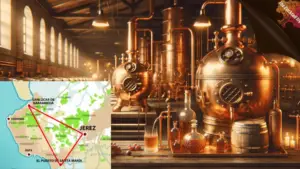
Sherry is often described broadly as a Spanish wine, yet its true identity has always been geographically narrow. Despite Spain’s vast wine-producing landscape, only one