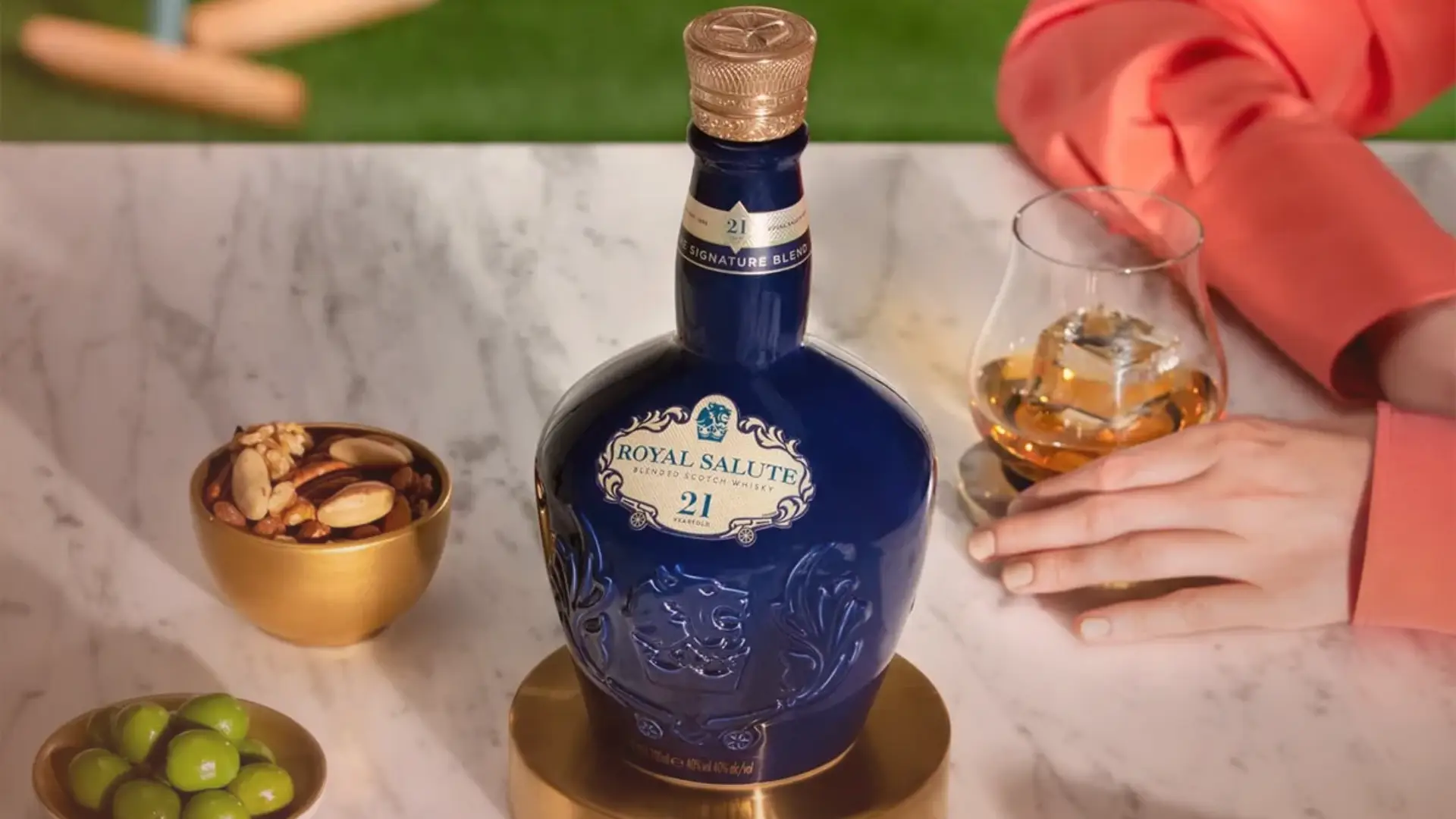
Some whiskies acquire ceremony around them after decades of reputation. Royal Salute 21-Year-Old began with ceremony already embedded in its identity.
The blended Scotch was launched in 1953 in connection with the Coronation of Queen Elizabeth II, held at Westminster Abbey on 2 June that year. The occasion reached an audience unprecedented for a British coronation: the Royal Household records that an estimated 27 million people in Britain watched on television, while another 11 million listened on the radio.
Against that setting, Royal Salute was conceived as more than another aged blend. Its name referred to the traditional 21-gun royal salute, while its whisky began at 21 years of maturation. The connection between ceremonial symbolism and whisky age would become central to the brand rather than remaining a detail of its launch. Royal Salute’s current Signature Blend continues to use Scotch whiskies aged for a minimum of 21 years. (Royal Salute)
The relationship is unusually direct. The number on the bottle is both a historical reference and production requirement. That gives Royal Salute a useful place in Scotch whisky history: a commemorative whisky whose founding idea has continued to influence how the liquid itself is constructed.
The Coronation That Gave Royal Salute Its Name
Elizabeth II became Queen following the death of King George VI in February 1952, but her Coronation took place more than a year later, on 2 June 1953. The ceremony at Westminster Abbey brought together religious ritual, constitutional tradition and military pageantry, while television carried those traditions into millions of homes. It was an old institution encountering a new mass medium.
Royal Salute emerged within this particular moment. Chivas Brothers’ historical archive records that the original Royal Salute 21 Year Old was bottled and launched in June 1953. The whisky drew on stocks laid down during the 1920s and 1930s, demonstrating that the launch depended on mature inventory accumulated long before the Coronation itself.
The company’s archive identifies Charles Julian, Chivas Brothers Master Blender from 1949 to 1958, as the blender responsible for the first Royal Salute 21 Year Old. That distinction matters because mature blended Scotch is not created simply by assembling old whisky. The blender must combine individual components with different distillery characters and maturation histories while producing a coherent final profile. (Chivas Brothers)
Royal Salute also linked the new whisky to Strathisla Distillery in Keith, Speyside. Established in 1786, Strathisla is described by Chivas Brothers as the oldest working distillery in the Scottish Highlands. Royal Salute’s own account states that whisky from Strathisla contributed to the blend created in 1953. (Chivas Brothers)
Why 21 Became the Defining Number
The name Royal Salute came from the traditional 21-gun salute. British military guidance describes 21 rounds as the standard Royal Salute, although additional rounds are fired in certain locations and circumstances. A salute from a royal park or residence can comprise 41 rounds, while the Tower of London has historically fired 62 rounds on specified royal occasions.
The whisky translated that ceremonial number into an age statement. This was not merely a naming device. Under Scotch whisky rules, an age declaration must refer to the youngest whisky contained in the product, not an average of the ages in the blend. A Scotch labelled as 21 years old therefore cannot obtain that age statement by combining younger whisky with substantially older stock and averaging the result.
That distinction is fundamental to understanding Royal Salute. Twenty-one functions simultaneously as historical symbolism and a minimum maturation threshold.
The Signature Blend is a Blended Scotch Whisky, drawing on the complementary characteristics of malt and grain whiskies rather than representing the output of a single distillery. The presence of Strathisla in the brand’s founding story should therefore not be mistaken for Royal Salute being a single malt or single-distillery whisky.
Long maturation also changes the commercial and technical demands placed upon the blender. A 21-year-old whisky being released now depends on spirit distilled more than two decades earlier. Stocks have to be laid down without certainty about future demand, while individual casks will develop differently during maturation. Maintaining an established blend therefore requires inventory planning to operate on a timescale far longer than the immediate sales cycle.
For Royal Salute, the 21-year starting point turned the original Coronation reference into a continuing production discipline.
Strathisla, Charles Julian and the Architecture of the Blend: Royal Salute
The circumstances surrounding Royal Salute‘s creation help explain why blending occupies such an important place in its identity. Chivas Brothers had acquired Strathisla in 1950, only three years before Royal Salute appeared, and its archive records substantial stocks of mature Scotch whisky from earlier decades. Charles Julian consequently had access to aged inventory that could support a 21-year-old release when the Coronation provided the occasion for one.
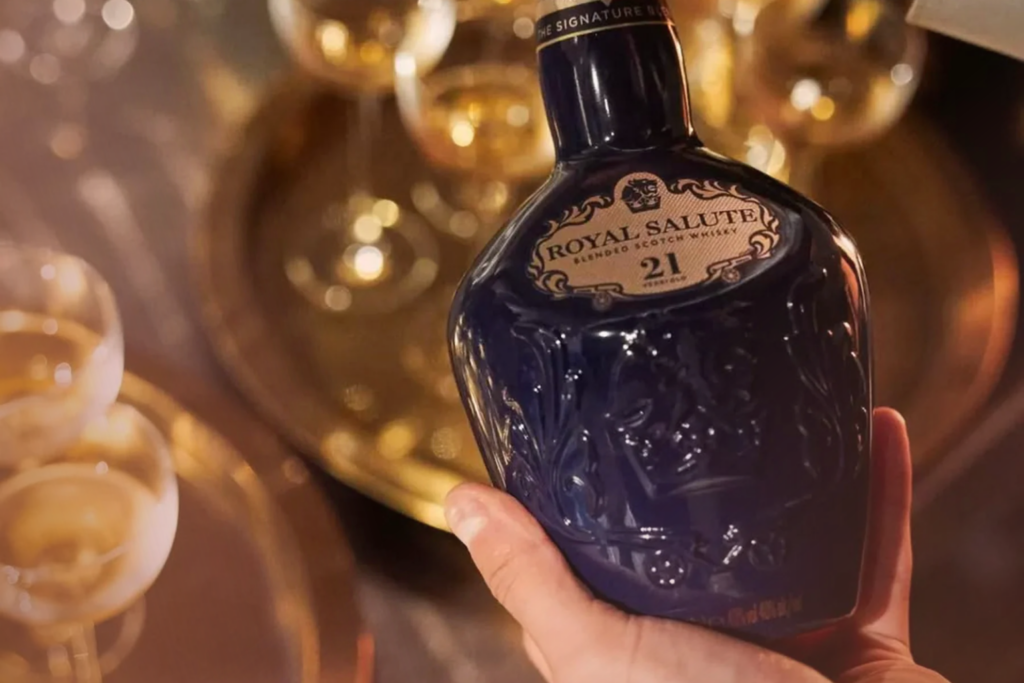
The current Royal Salute 21 Year Old Signature Blend is described by the producer as being assembled from Scotch whiskies matured for at least 21 years. Royal Salute’s tasting description places pear and citrus alongside vanilla, oak, sherry-associated notes and light smoke, with orange marmalade, spice and hazelnut on the palate. These are producer tasting notes rather than objective measurements, but they indicate the flavour balance the house seeks to associate with its flagship blend. (Royal Salute)
The task of preserving that profile now sits with Sandy Hyslop, Royal Salute’s Director of Blending & Inventory. Hyslop entered the whisky industry in 1983 and became Director of Blending across the Chivas Brothers blended Scotch portfolio in September 2016. Royal Salute states that his responsibilities include maintaining the consistency of its permanent collection as well as creating new blends.
His work also illustrates how sensory assessment remains central to large-scale blending. Royal Salute says Hyslop noses around 1,500 whisky samples in a week while tasting only a small proportion of them. Behind the apparent simplicity of an age statement, therefore, sits a continuous process of cask assessment, component selection and inventory management.
The original 1953 blend and today’s Signature Blend are separated by more than seven decades of changing stocks and production conditions. Continuity in that context does not mean that every individual cask remains identical. It means using available mature stocks to maintain the intended identity of the blend over time.
From Royal Tribute to Modern Scotch Identity
Royal imagery has long appeared across wines and spirits, so a crown or aristocratic reference alone tells relatively little about a drink’s history. Royal Salute is more specific because its identity can be traced to a documented royal event and because the numerical symbolism of that event became connected with the age of the whisky.
The Coronation itself also occupied an unusual cultural position. Westminster Abbey supplied the centuries-old ceremonial setting, while television transformed the scale on which the public could witness it. Royal Salute appeared at the meeting point of those two worlds: established ritual and post-war mass communication.
The brand has repeatedly returned to royal ceremonial references. Its 62 Gun Salute collection, for example, takes its name from the extended salute associated with the Tower of London on major royal occasions. Government records explain that the Tower’s 62 rounds comprise the standard 21-round Royal Salute, 20 additional rounds associated with the royal location, and another 21 connected with the City of London.
Royal Salute has nevertheless moved beyond straightforward commemoration. Its contemporary portfolio includes older blends, cask-finished releases and limited editions, allowing the house to use a wider range of whisky-making ideas while retaining 21 years as a recurring reference point.
How the 1953 Idea Still Shapes Royal Salute
Corporate ownership has changed considerably since the first bottle appeared. Pernod Ricard acquired Royal Salute, alongside Chivas Regal, The Glenlivet and other former Seagram assets, in 2001. Royal Salute today remains within the Chivas Brothers Scotch whisky portfolio.
The brand’s more recent releases show how its historical framework is being adapted rather than simply reproduced. The Royal Salute 21 Year Old 2002 Vintage Blend, for example, was made using 21-year-old whiskies laid down in 2002 and was created to mark the year of Queen Elizabeth II’s Golden Jubilee. Royal Salute identifies single malts from Longmorn Distillery as an important influence within that blend.
Elsewhere, collaborations have connected mature Scotch blending with contemporary design. Royal Salute’s work with fashion designer Harris Reed involved a co-blending session with Hyslop at Strathisla, using whisky composition rather than packaging alone as part of the collaboration.
These releases place the original concept under a useful test. Heritage becomes commercially weak when it survives only as repeated imagery. Royal Salute’s stronger connection to 1953 lies in the way the founding story established an unusually clear relationship between a ceremonial number and the maturation of the whisky.
For bartenders and whisky drinkers, that relationship is more informative than the royal symbolism by itself. Had Royal Salute simply borrowed the language of a 21-gun salute for its name, the historical connection would largely belong to branding. By making 21 years part of the liquid’s identity, the house tied the story to a measurable characteristic of the Scotch.
That distinction has endured as ownership, packaging, blending teams and individual releases have changed. Royal Salute 21 Year Old began as a whisky for a particular event in 1953, but its longer significance comes from what Chivas Brothers chose to do with that occasion. The Coronation supplied the context. The 21-gun salute supplied the name. Long-aged blending turned both into a whisky identity that has continued long after the ceremony itself passed into history.
Distillery
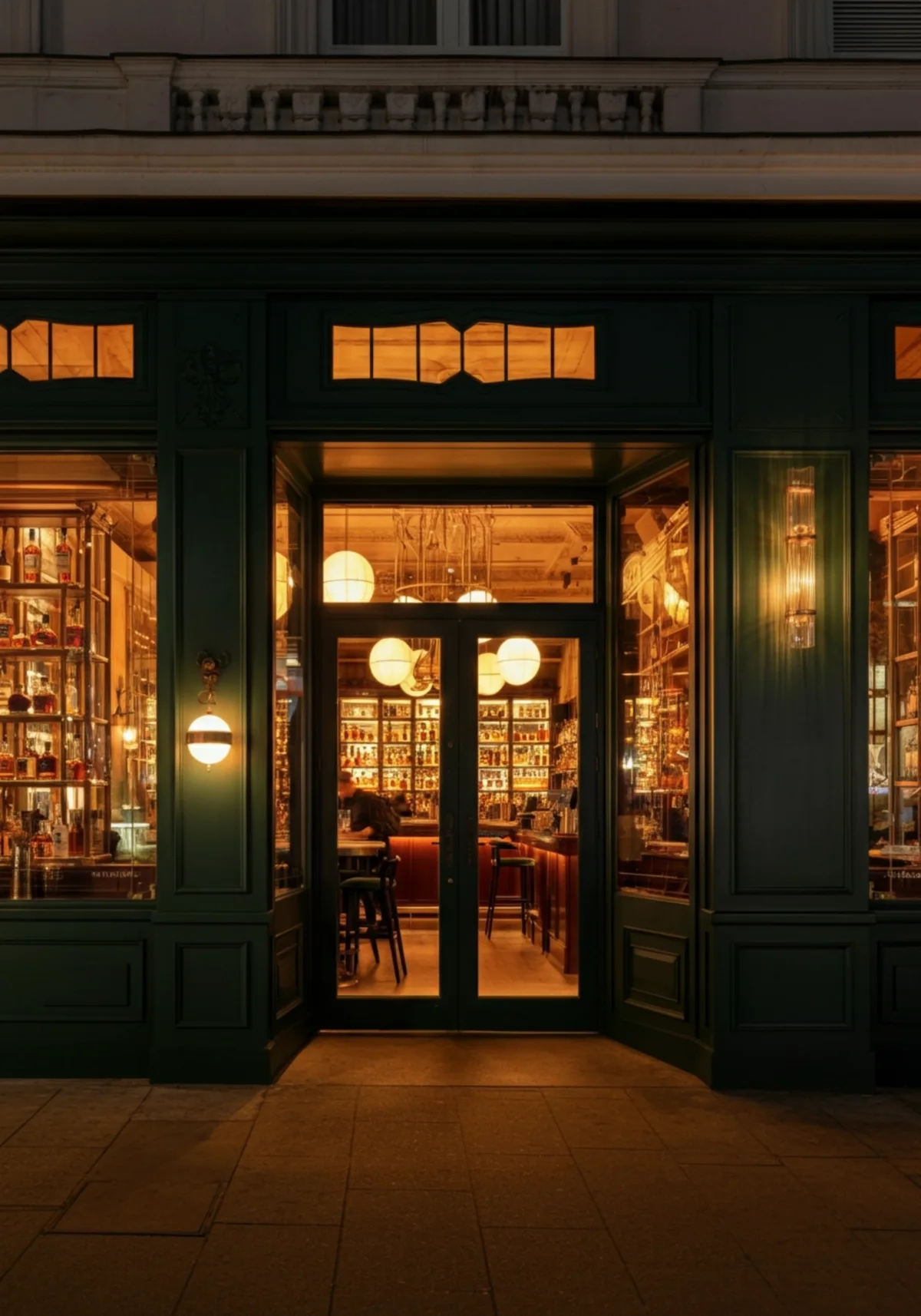
Strathisla Distillery & Home of Chivas
Strathisla Distillery, nestled in the iconic Speyside region of Scotland, stands as a pillar of tradition and craftsmanship…
Spirit
Royal Salute 21 YO Ruby Flagon Lunar Special Edition 2023 Blended Scotch Whisky
The Royal Salute 21 Year Old Ruby Flagon Lunar Special Edition 2023 stands as a testament to the…
Spirit
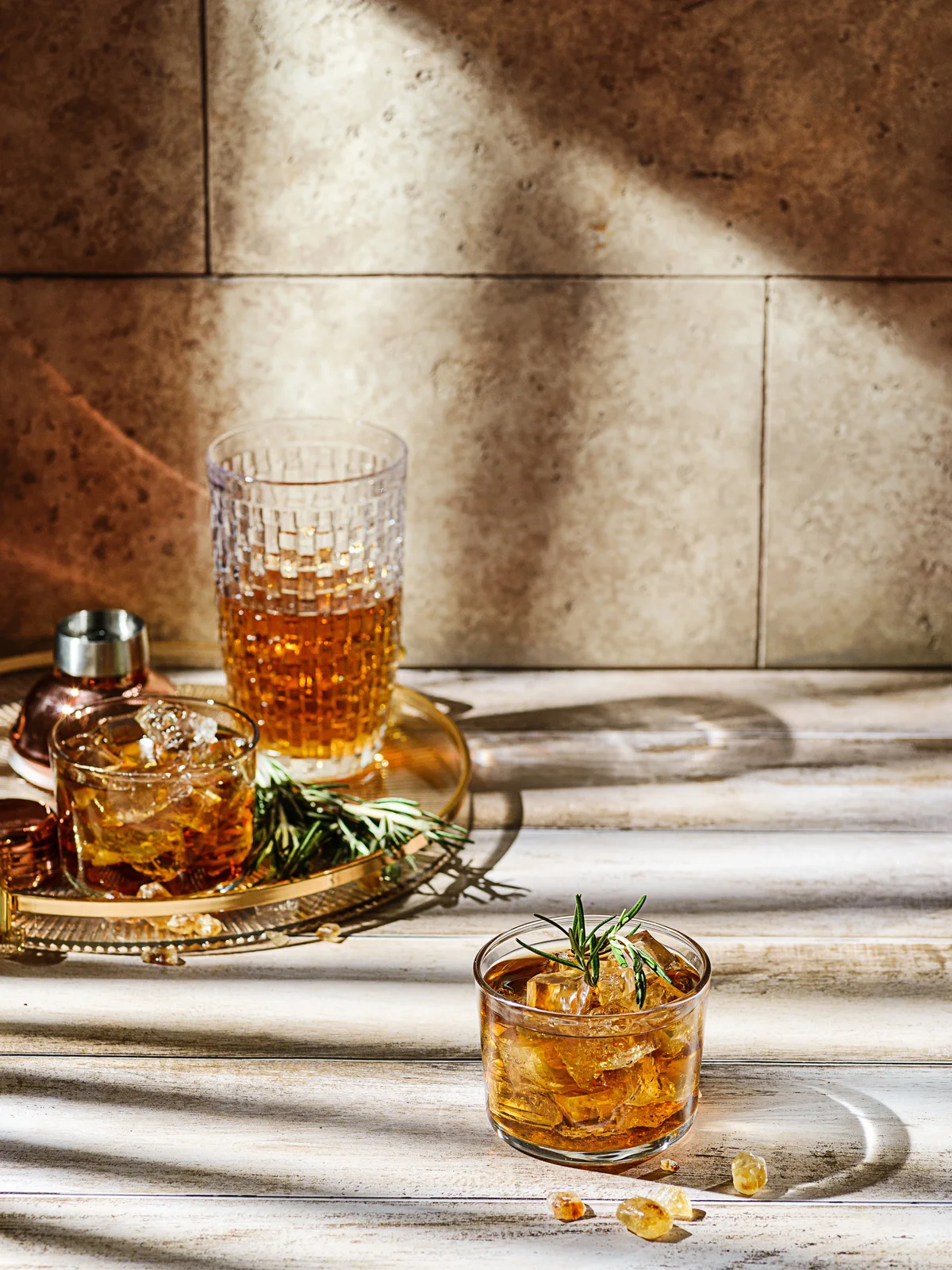
Royal Salute 21 YO Blended Scotch Whisky
Chivas Royal Salute 21 Year Old LXX is a premium blended Scotch whisky recognized for its exceptional craftsmanship…
Spirit
Royal Salute 21 YO Blended Grain Scotch Whisky
Royal Salute 21 YO Blended Grain Scotch Whisky is a distinguished offering from the prestigious Royal Salute brand,…
Spirit
Royal Salute 21 YO Scotch Whisky
Royal Salute 21 Year Old Scotch Whisky stands as a testament to the luxurious craftsmanship inherent in the…
Spirits
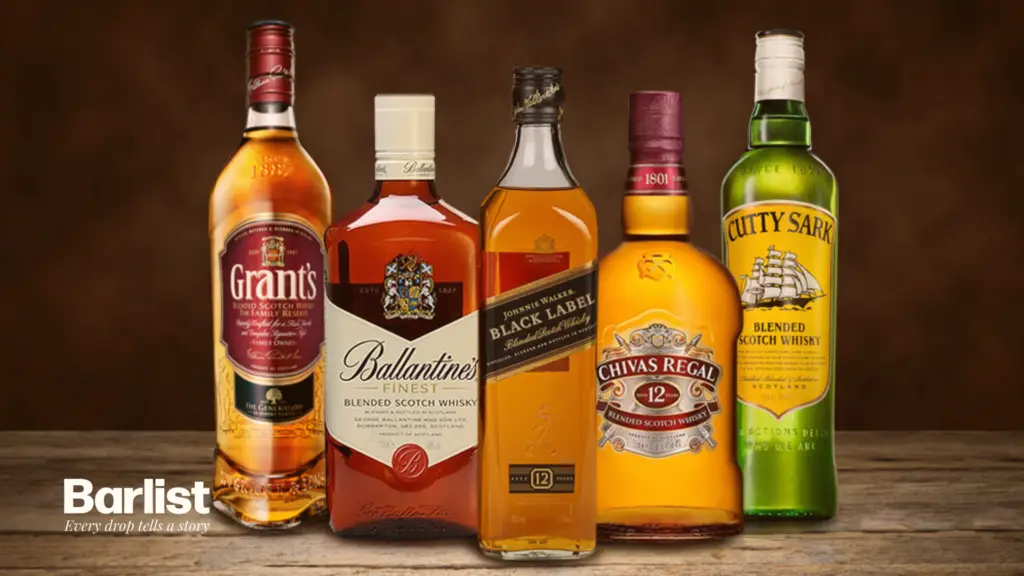
Why Scotch Whisky Blend Remains the Foundation of Whisky Culture Globally
Long before single malts captured global attention, scotch whisky blend quietly shaped how whisky was understood, enjoyed, and shared across continents. Its story runs parallel to the rise of modern whisky culture, bringing balance, accessibility, and consistency to a spirit that once varied dramatically from cask to cask. To understand whisky as a global language […]
December 12, 2025
Trending
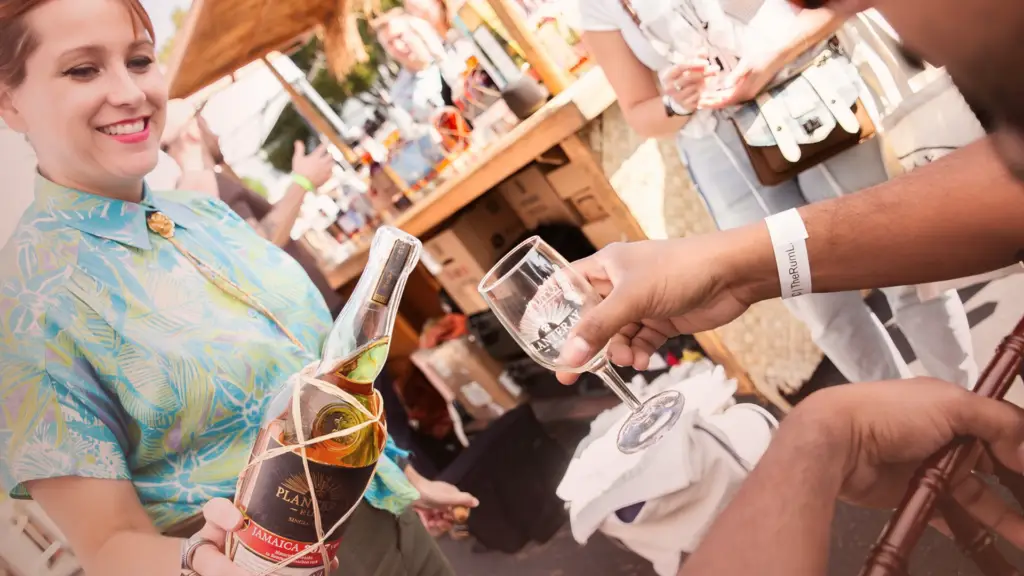
California Rum Fest 2026: Exploring the Craft, Culture, and Revival of Rum
California Rum Fest 2026: Across the Caribbean, Latin America, and beyond, rum has always carried the stories of landscapes, agriculture, and generations of craftsmanship. Born from sugarcane and shaped by the traditions of different regions, rum is one of the world’s most diverse spirits, offering expressions that range from light and elegant to rich, complex, […]
September 20, 2026
Partnership
Cuban Rum and the Cultural System of the Light Rum Masters
Cuban Rum grew out of cane, heat, ports, warehouses, and an island economy that learned to turn sugar into something more durable than the crop itself. The spirit did not become Cuban because of one brand, one city, or one famous label. It became Cuban through a way of working with molasses, ageing, filtration, blending, […]
September 20, 2026