There’s a point where simplicity stops being effortless and starts being precise.
In Italy, that line is easy to miss. Aperitivo culture has always favoured clarity over complexity, drinks that don’t need explanation, only consistency. But translating that quiet balance into a competitive environment is something else entirely. That’s where Michael Moreni’s work sits.
His development came through a hospitality landscape where volume and discipline coexist. Service demands speed, but not at the cost of structure. Drinks are expected to land the first time correctly, and every time after. Over time, that expectation shapes a different kind of thinking. You don’t adjust balance; you prevent it from shifting.
Across cities like Milan and Rome, bars such as Nottingham Forest Bar and Jerry Thomas Speakeasy reflected a broader shift in Italian bartending, where tradition began to meet a more deliberate technical approach. Moreni’s style developed within that environment, not as a reaction to it, but as a continuation of its logic.
Competition and International Stage
As Italian bartending became more structured through the Federazione Italiana Barman, competitions emerged as a key platform for professional recognition. These formats test more than creativity. They expose consistency, repetition, and control under pressure.
Moreni’s career includes participation at this level, representing a generation of Italian bartenders who carried traditional balance into structured international competition environments, particularly within the framework of the International Bartenders Association.
Rather than relying on contrast or theatrical technique, his approach reflects a compositional clarity that aligns with IBA judging standards, where taste, presentation, and repeatability remain central.
A Style That Stays Within Its Limits
Moreni’s work doesn’t attempt to expand a drink beyond its natural structure. His cocktails are built around proportion, where ingredients support each other rather than compete. The balance is immediate and stable, without requiring layers of development or correction.
This approach mirrors a broader Italian philosophy. Simplicity is not the absence of complexity; it is the control of it. Temperature and dilution follow the same principle. They are not adjustments made after the fact, but elements that are already accounted for in the build. Once the drink is finished, nothing needs to be reconsidered.
Continuity Over Reinvention
Italian bartending has evolved significantly over the past two decades, but its core principles have remained intact. Innovation has expanded the landscape, yet balance continues to define it. Moreni’s trajectory reflects that continuity.
Rather than representing a break from tradition, his work shows how those foundations can operate within modern competition frameworks without losing their identity. Michael Moreni’s career doesn’t depend on redefining Italian bartending. It shows what happens when its principles are held steady, even when the environment around them changes.
Precision Through Flair
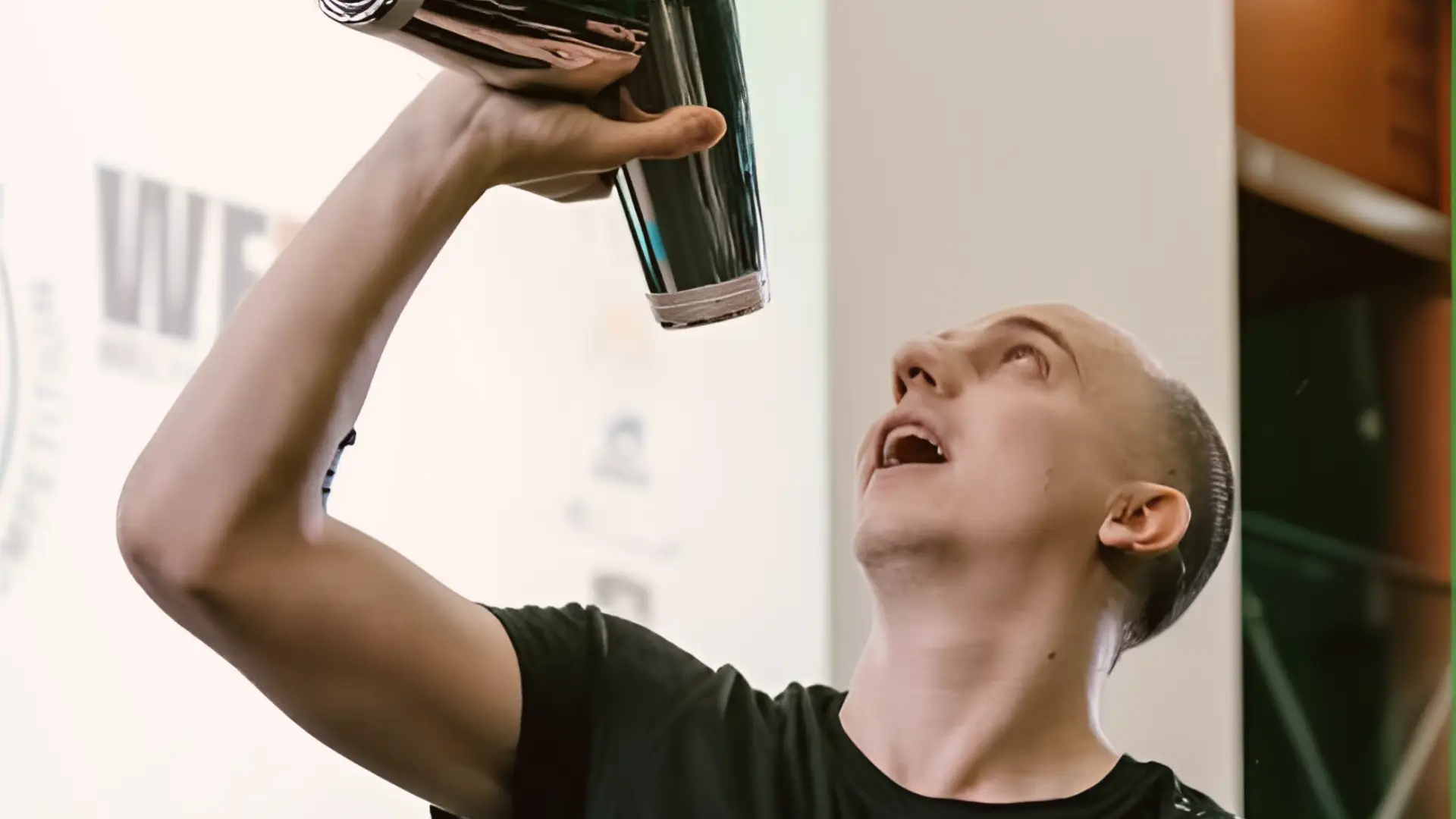
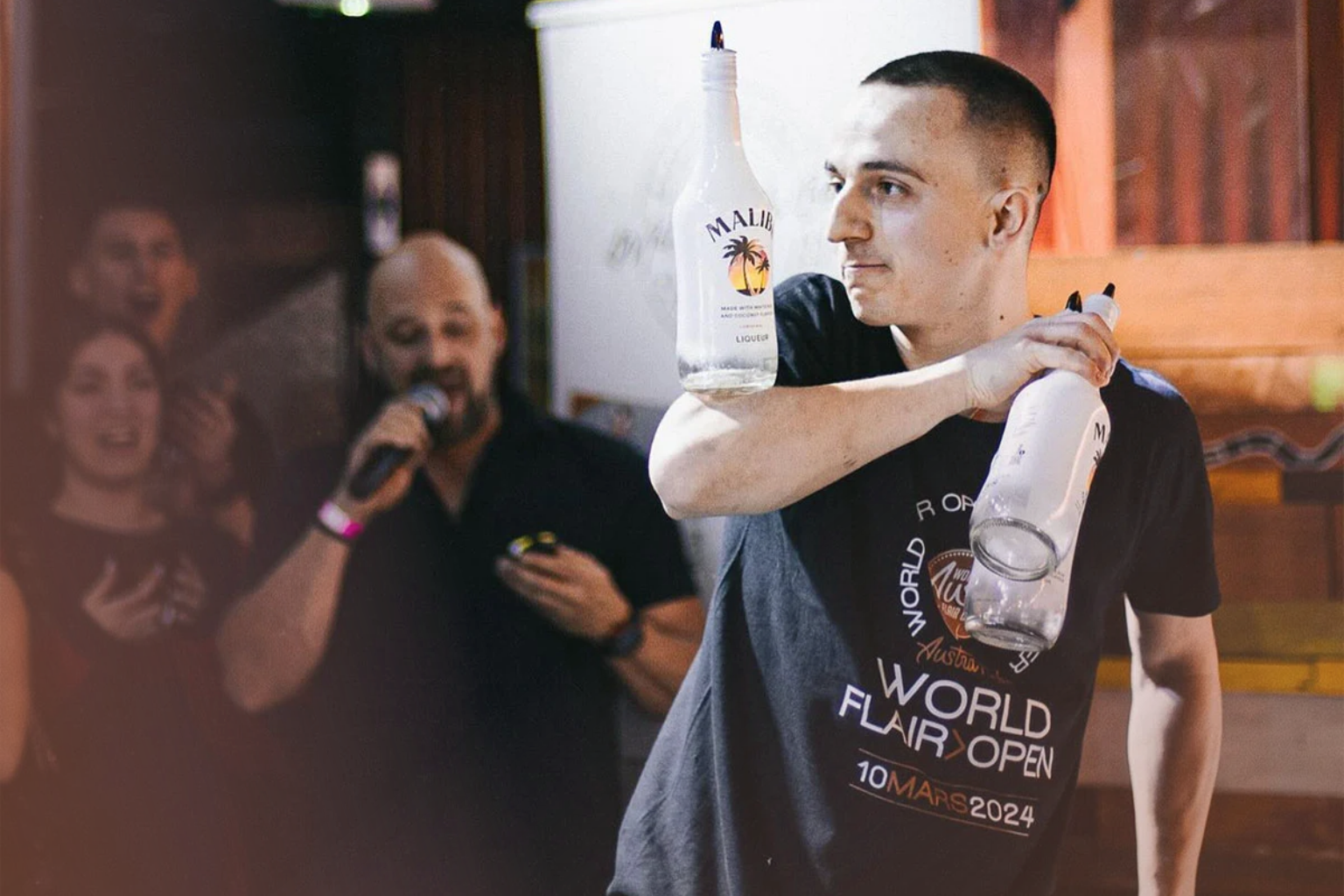
Michael Moreni’s expertise becomes particularly visible in flair bartending, where the controlled approach that defines his cocktails extends into movement, timing, and physical execution. At the 2024 IBA World Cocktail Championship in Madeira, representing Italy, he finished as first runner-up in the Flair competition and received the award for The Biggest Flair Move.
That competitive record continued internationally. He won the Flair category at the 2024 Lotus Prestige Cup in Macau, as well as the Niu Lan Shan Yi Hao brand award. In 2025, representing the United Kingdom Bartenders’ Guild, he again finished first runner-up in Flair at the IBA World Cocktail Championship in Cartagena, Colombia.
His wider record also includes consecutive WFA Grand Slam World Champion titles in 2024 and 2025, while his 2026 victory at the Hospitality Lab Flair Competition in Genoa was recognised for technical ability and originality.
These results add another dimension to Moreni’s approach. Precision, in his case, is not confined to proportion, temperature, or dilution. It extends to movement and timing, where difficult physical sequences must remain controlled without separating performance from the drink itself.

Bar
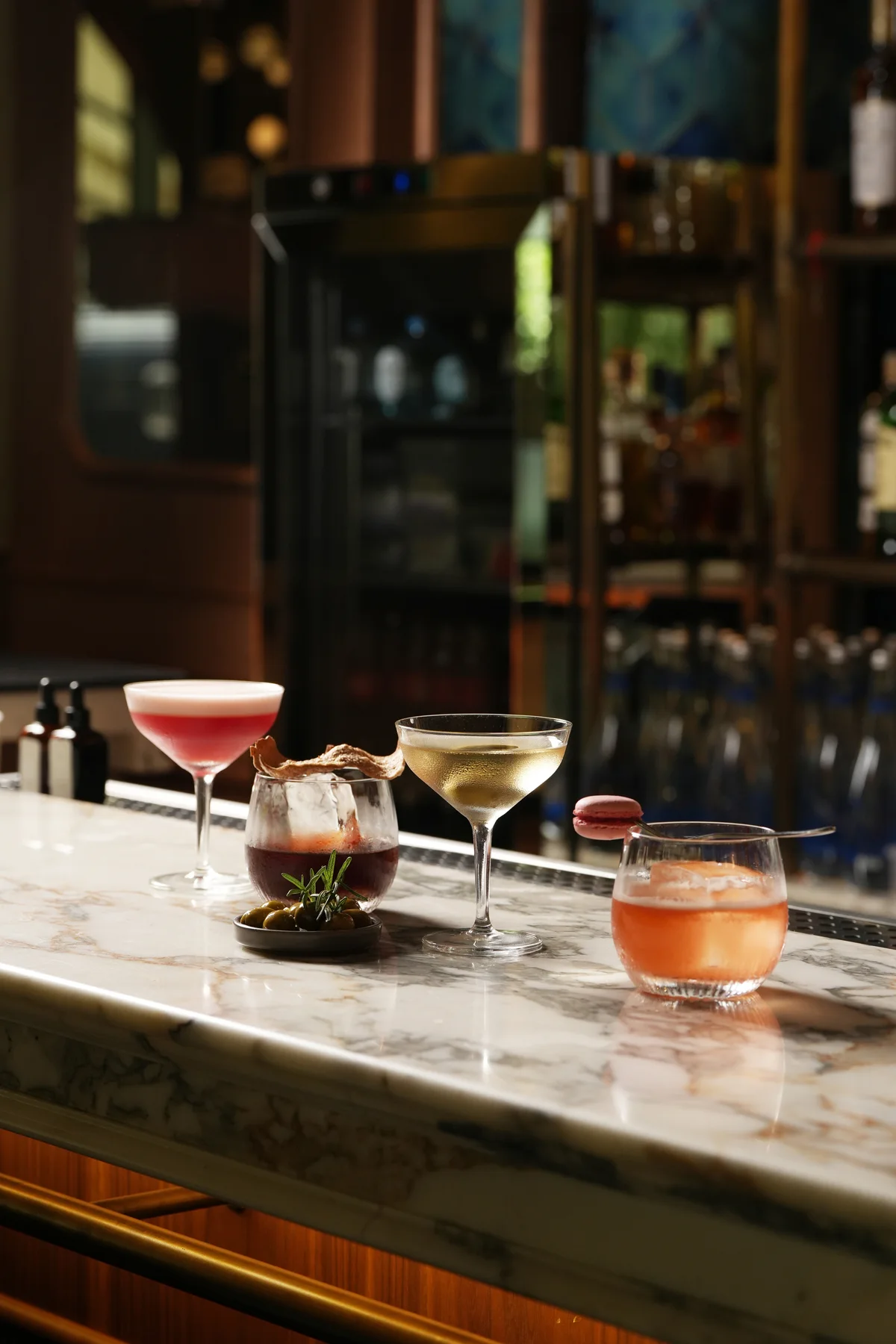
Nottingham Forest is a renowned and pioneering cocktail bar located in the vibrant city of Milan, Italy. Celebrated…
Bar
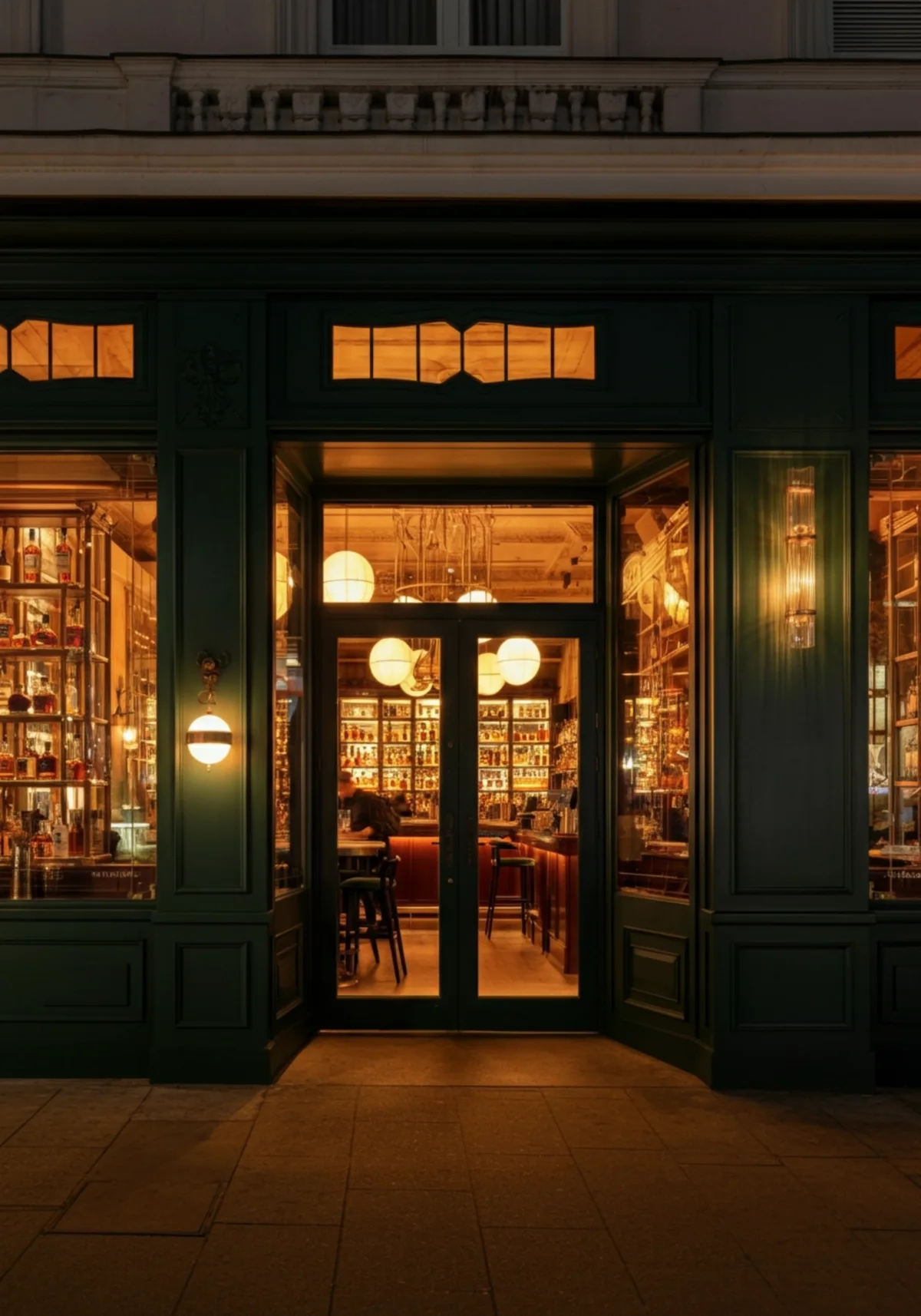
Jerry Thomas Bar Room, located at Via del Moro 10 in Rome, is the refined extension of the…
Barlist
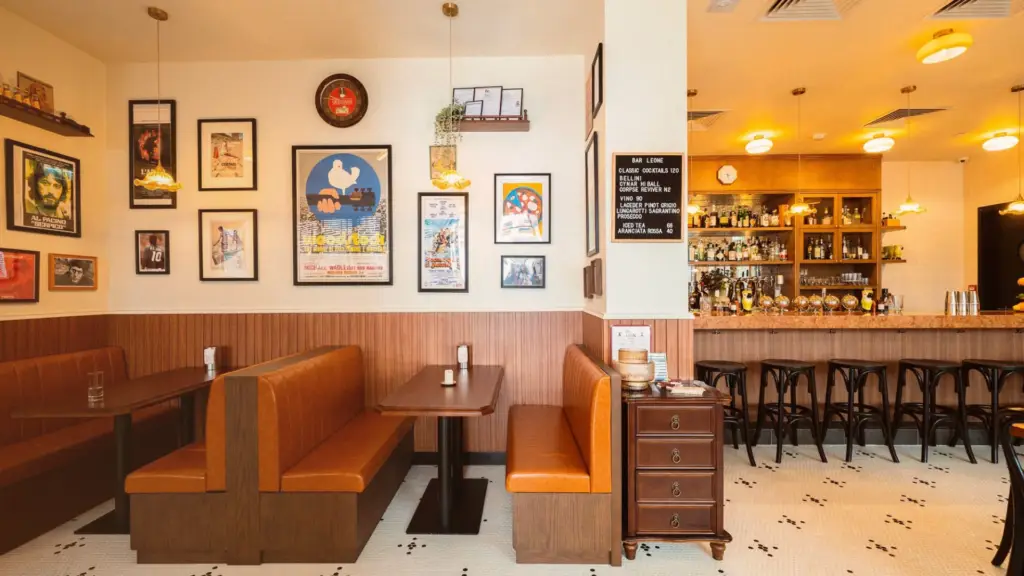
Bar Leone: Precision, Aperitivo Culture, and the Martini Reimagined in Hong Kong
In a city that rarely slows down, Bar Leone opened in Hong Kong in 2023 with a notably different rhythm. There was no attempt to compete through spectacle or technical theatre. Instead, the bar established itself through clarity of purpose, disciplined execution, and a deeply human understanding of what a bar should feel like. Within […]
July 4, 2026
Barlist
What the 2026 Brand Champions Reveal: The New Geography of Spirits Volume
The old map of global spirits influence was drawn around familiar export categories. Scotch whisky, international vodka, Caribbean rum, Cognac, and American whiskey appeared to define scale because they travelled widely, occupied prominent back bars, and were supported by multinational distribution. The largest volume brands tell a different story. The 2026 edition of The Spirits […]
June 30, 2026
Barlist
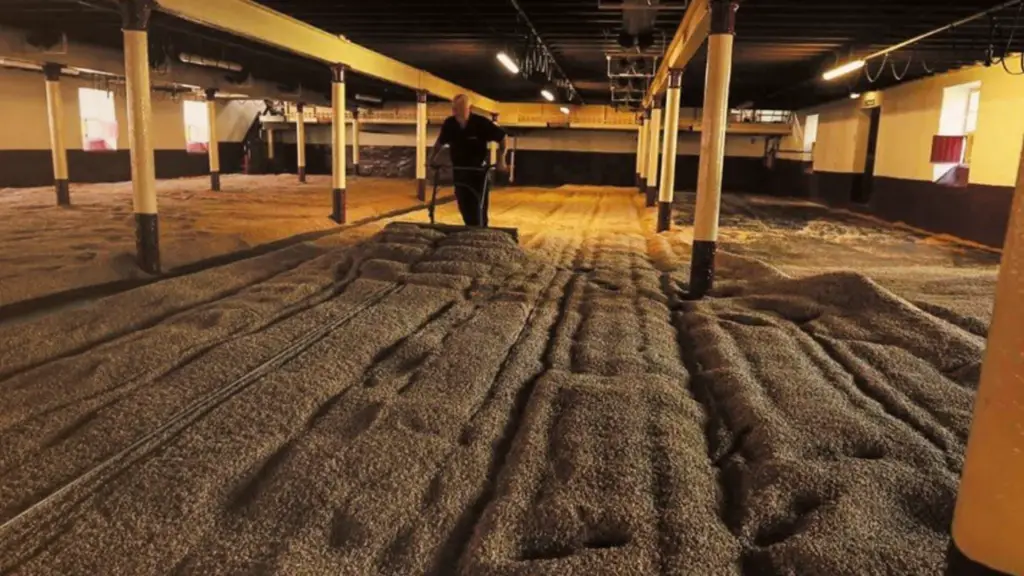
From Floor Maltings to Bottling: How Springbank Distillery Kept Whisky Production on Site
At Springbank Distillery, barley still arrives at one end of the production process and bottled whisky leaves at the other. Between those points, the grain is steeped, spread across malting floors, dried in the kiln, milled, mashed, fermented, and distilled. The resulting spirit is filled into casks, matured in Campbeltown, bottled, and labelled by the […]
June 24, 2026