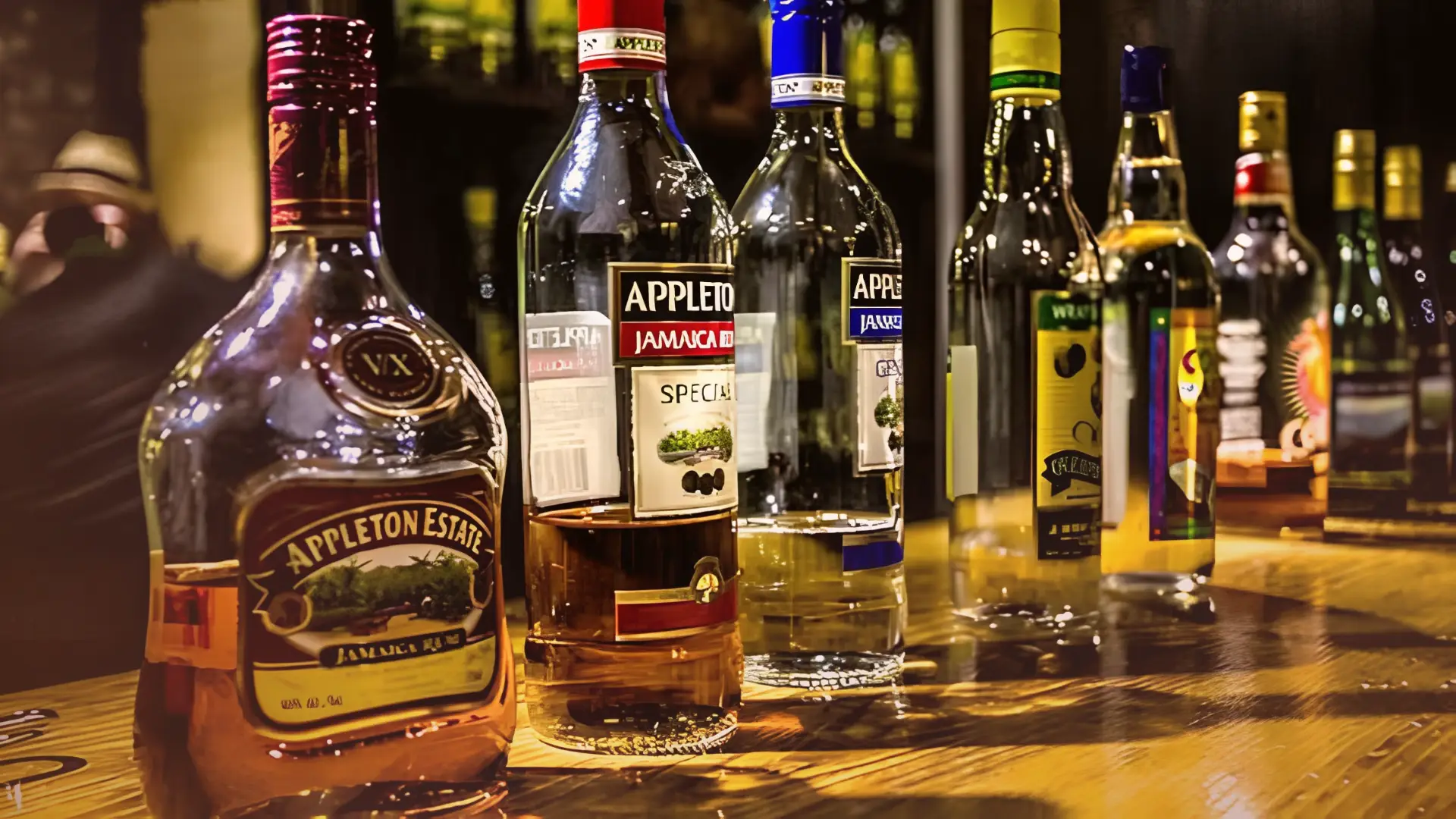
Jamaica’s Rum story begins with sugar estates, limestone water, heavy fermentations, coastal trade, and a landscape where cane became both wealth and memory. The island’s reputation was not made by one house or one parish. It grew across estates, distilleries, ports, and rural communities where sugar production and rum making became inseparable from the country’s history.
Jamaica Rum is protected today as a Geographical Indication. That protection gives legal form to a reputation that had already travelled far beyond the island. The name belongs to a rum system shaped by Jamaican raw materials, water, fermentation culture, distillation, ageing traditions, excise control, and the long memory of sugar estates.
For this project, the category needs careful handling. Jamaica Rum is not a French AOC, not a European-style appellation, and not only a loose national style. It is a Jamaican Geographical Indication built through national law, industry agreement, and an ongoing legal conversation about how strongly the name should be tied to Jamaican territory and process.
Cane Country and Estate Memory
Sugarcane transformed Jamaica after European colonisation. Estates spread across lowlands, valleys, and limestone country, connecting agriculture with forced labour, export trade, plantation wealth, and later the difficult inheritance of post-emancipation rural life.
Rum emerged from that sugar economy. Molasses, cane juice, sugar, water, fermentation, and distillation formed part of the same estate system. Over time, Jamaica developed a reputation for rums with strong character, especially those shaped by long fermentation, distinctive marks, and distillery-specific methods.
The historical estate landscape remains important because Jamaica Rum was never only an industrial category. Distilleries grew out of particular places. Hampden and Long Pond belong to Trelawny’s old sugar country. Clarendon and New Yarmouth carry the memory of central Jamaican production. Worthy Park is rooted in St. Catherine’s estate landscape. Appleton Estate is tied to the Nassau Valley in St. Elizabeth.
Those places matter because Alexandre’s correction asks for more than one sentence of geography. Jamaica Rum needs to be read through its parishes, estates, limestone basins, and distillery territories. The protected name carries that older map inside it.
A GI Built From National Reputation
The Jamaica Rum GI was registered in Jamaica in 2016. The registration was made in the name of the Spirits Pool Association Limited, a body connected to the Jamaican rum industry. The protected name gives intellectual property structure to a national reputation that had long existed in export markets.
The Bureau of Standards Jamaica presentation on the GI describes the Code of Practice as a set of rules around raw material, water, fermentation, distillation, ageing, colour, movement under excise law, and age statement meaning. This gives the GI a technical and legal backbone.
The protection matters because rum names can be easily diluted in international trade. Jamaican rum has historically moved in bulk, been aged or blended abroad, and entered wider systems of commerce. The GI is an attempt to keep the name Jamaica Rum connected to the island’s production identity rather than allowing it to become a vague flavour description.
That tension still matters. Recent legal proceedings show that different Jamaican industry stakeholders have not always agreed on how far the GI should go, especially around ageing, overseas stocks, and certification. A serious article must acknowledge that complexity without turning the piece into a legal dispute summary.
The Island’s Rum Geography
The GI is national in name, but Jamaican rum has always been local in practice. Distilleries are tied to parishes and landscapes with different histories of cane cultivation, water, estate ownership, and technical style.
Trelawny is essential to the story. Hampden Estate and Long Pond sit in a parish deeply associated with old sugar estates and high-character rum. Hampden in particular is often used as a reference point for Jamaica’s reputation for intense fermentation-driven marks, while Long Pond carries its own long estate and distilling history.
Clarendon also needs attention. The Clarendon distillery, often linked with Monymusk, and New Yarmouth are part of the central Jamaican rum landscape. This area connects modern production with a long sugar and distilling history that should not be hidden behind Kingston-based brand recognition.
St. Catherine contributes through Worthy Park, one of Jamaica’s historically important estates and modern distilleries. Its location in the Lluidas Vale area places it within a rural interior shaped by cane cultivation and estate production.
St. Elizabeth belongs to the story through Appleton Estate and the Nassau Valley. Appleton has played a major role in the global identity of Jamaican rum and in the visibility of Jamaican aged rum, while still belonging to a broader island system rather than standing alone as the whole category.
Together, these areas show why Jamaica Rum cannot be explained through the word tropical alone. It is a rum of named parishes, valleys, estates, aquifers, warehouses, and working distilleries.
Limestone Water and the Fermentation Base
The GI Code of Practice connects Jamaica Rum to naturally filtered limestone water obtained from the geographical area used for distillation. This is not just decorative language. Jamaica’s geology is part of the production identity, especially in the limestone aquifer basins associated with rum making.
The permitted wash under the GI may be produced from molasses, sugarcane juice, crystalline sugar from sugarcane, or a combination of those cane-derived materials. In practice, molasses has historically been central to Jamaican rum, linking the spirit to sugar production and estate economy.
Fermentation and distillation must take place in Jamaica. That rule is one of the clearest anchors of the GI. It keeps the creation of the spirit connected to the island, rather than allowing Jamaica to function only as a raw material or brand reference.
The article should not turn this into a technical manual. What matters editorially is that the protected name depends on a Jamaican production chain. Water, cane-derived material, fermentation, distillation, and official control all help keep the name tied to the island.
Fermentation Culture and Distillery Marks
Jamaica’s reputation is closely linked to fermentation culture. The GI framework recognises the role of fermenting agents, including yeasts occurring in the local environment and cultured yeasts permitted under the rules. Recent legal discussions have also addressed the role of different yeast categories and local bacterial and yeast cultures.
For readers, the deeper point is not laboratory detail. Jamaica Rum developed a vocabulary of marks, marques, and distillery signatures. A mark can represent a particular style or profile associated with a distillery’s production. In Jamaica, those marks have long mattered in bulk trade, blending, export, and distillery identity.
This is one reason the GI is unusually interesting. It is not simply defending one smooth national style. It is protecting a reputation built from diversity. Jamaica’s rum identity includes lighter rums, heavier rums, pot still traditions, column still production, high ester reputation, and estate-specific methods.
The GI has to hold that diversity without flattening it. That is part of the difficulty and part of the strength of the category.
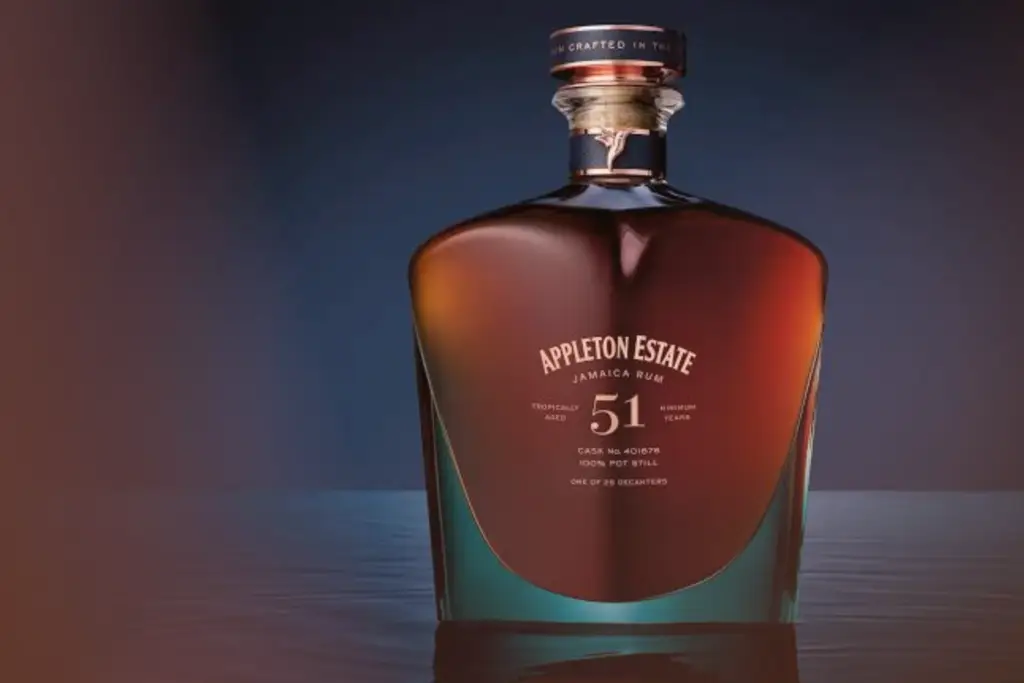
Pot Stills, Columns, and Jamaican Range
Jamaica Rum should not be reduced to pot still rum only. Pot still production is historically important and remains central to the island’s reputation, especially for heavier marks. But Jamaican distilling also includes column still production and blended styles.
This matters because legal writing should not confuse romance with regulation. A rum can be Jamaican without being only one still type, provided it meets the GI conditions. The island’s identity comes from the broader system of Jamaican production, not from one piece of equipment alone.
Distilleries such as Hampden, Long Pond, Clarendon, Worthy Park, New Yarmouth, and Appleton show this range. Some are strongly associated with pot still character. Others also connect to column still production and broader blending traditions. The protected name has to reflect the full Jamaican industry, not a single specialist image of it.
Age, Colour, and the Meaning of Control
The GI Code of Practice treats age statements carefully. When an age statement appears, it refers to the youngest rum in the relevant blend or stock. This protects the meaning of age and prevents older components from being used to imply maturity across the entire product.
Colour is also addressed through the legal framework. The Code of Practice permits colour derived from wood during maturation or from caramel made from cane sugar for colour correction. This kind of rule keeps the identity of Jamaica Rum connected to cane and ageing practice rather than unrelated flavouring or cosmetic additions.
Ageing has also become one of the most debated parts of the GI. JIPO’s 2024 rectification attempted to clarify rules around ageing location and vessels, but later court proceedings placed those changes under interim relief. For now, the careful editorial position is to state that ageing is a central issue in the protected system and a live legal subject, not to present the 2024 amendments as settled beyond dispute.
That caution is important. An appellation article should be precise, not present certainty where the legal record is still contested.
Spirits Pool, JIPO, and the Work of Protection
The Jamaica Intellectual Property Office is responsible for the registration of geographical indications under Jamaican law. The Jamaica Rum GI was registered through that framework, with the Spirits Pool Association Limited connected to the protected name.
The Spirits Pool Association has long represented rum industry interests. The 2025 court record describes it as the successor to the Rum Pool, a body organised by rum manufacturers to regulate spirits production. Its role shows how Jamaica Rum protection emerged from both state law and industry organisation.
The GI is therefore not only a label. It is an institutional system. It involves intellectual property law, industry management, certification questions, excise supervision, and the defence of reputation in export markets.
That institutional dimension is part of what makes Jamaica Rum important. The category shows how a Caribbean rum-producing country has tried to protect a national spirit identity through geographical indication law.
A Name Still Being Defended
Jamaica Rum is one of the most compelling rum GIs because it is not completely quiet. It is living law, with real economic consequences for producers, bulk trade, ageing, certification, and international recognition.
That does not weaken the category. It reveals how much the name is worth. A protected origin only becomes contested when the name carries reputation, money, history, and future value.
The dispute around the GI should not distract from the larger point. Jamaican rum has a distinctive identity rooted in cane, limestone water, fermentation culture, distillery marks, estate landscapes, and island production. The legal system is trying to protect that identity in a global market where origin names can easily be stretched.
A Protected Island System of Cane and Character
Jamaica Rum became a GI because the name carries more than national pride. It carries the memory of sugar estates, the technical language of distillery marks, the character of limestone water and fermentation, and the reputation of parishes such as Trelawny, Clarendon, St. Catherine, and St. Elizabeth.
The protected system does not make every Jamaican rum identical. It gives boundaries to a category known for difference. Heavy and light, pot and column, estate and blended, aged and unaged can all belong to the conversation when the legal requirements are met.
Jamaica Rum shows how a rum-producing island can turn history and production culture into a protected name. Its GI is not only about preventing misuse. It is about keeping the word Jamaica attached to the landscapes and people that made the rum famous.

Renowned freelance spirits consultant, award-winning author, and international spirits judge, recognized globally as a leading authority on spirits selection, historical distillates, and market innovation.

Distillery
Long Pond Distillery, nestled in the heart of Trelawny, Jamaica, stands as a testament to the rich heritage…
Distillery
Hampden Distillery, founded in 1753 in the heart of Jamaica's Trelawny Parish, stands as a testament to centuries…
Distillery
Clarendon Distillery, located in the heart of Jamaica, embodies the rich heritage and culture of rum production on…
Spirit
Jamaica Rum 1992 Vintage 14 YO Rum
The Jamaica Rum 1992 Vintage 14 Year Old Rum is a standout example of the deconstruction of flavors…
Spirit
Rum Artesanal 2009 Second Edition Jamaica Rum
Rum Artesanal 2009 Second Edition Jamaica Rum is a premium, limited-edition rum that epitomizes the craftsmanship and complexity…
Spirit
Compagnie Des Indes 15 YO Jamaica Rum
Compagnie Des Indes 15 YO Jamaica Rum is a remarkable embodiment of Jamaican rum craftsmanship, showcasing the region’s…
Spirit
Appleton Estate 1998 Hearts Collection Jamaica Rum
The Appleton Estate 1998 Hearts Collection Rum is a remarkable expression that showcases the distillery's rich tradition of…
Distilleries
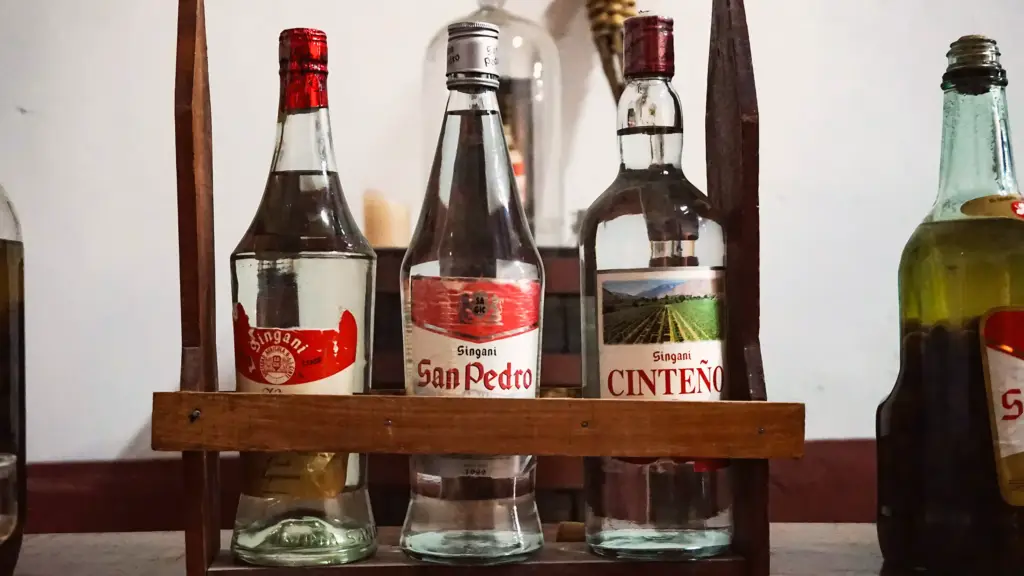
Singani: Bolivia’s High-Altitude Spirit and a Forgotten Andean Heritage
The vineyards of Tarija do not resemble traditional brandy landscapes. They rise sharply into the Andes, where sunlight is direct, air pressure is reduced, and diurnal temperature shifts slow the ripening cycle. At elevations between 1,600 and 2,200 meters, grapes develop differently. Sugar accumulates without losing acidity, and aromatics intensify rather than flatten. From this […]
April 19, 2026
Distilleries & Producers
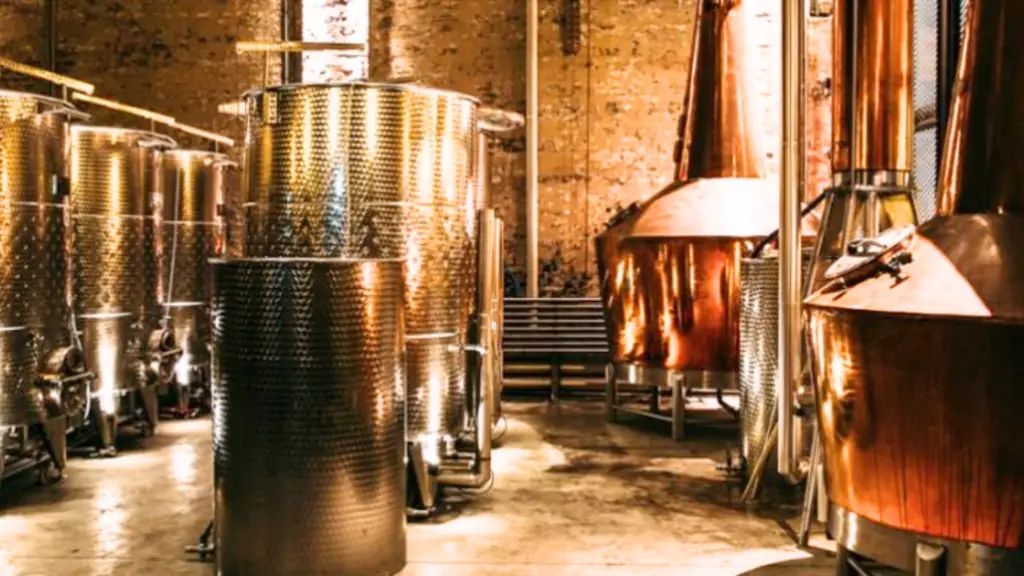
Dunder Pit Fermentation at Hampden Estate and the Formation of High Ester Marques
Behind the fermenters at Hampden Estate, the ground holds part of the distillery’s production logic. Open dunder pits sit exposed to heat and time, filled with the residue of previous distillations. This material is not discarded. It is allowed to decompose, acidify, and evolve before being reintroduced into new fermentations. In most modern distilleries, each […]
April 10, 2026
Interviews & Insights
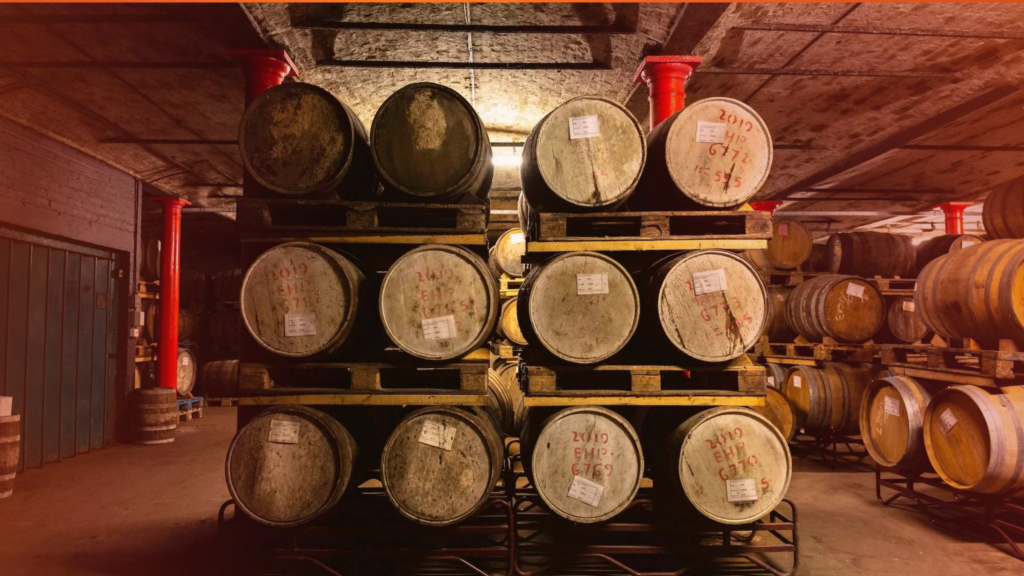
Temperature Fluctuation in Tropical Aging: A Caribbean Rum Expert Explains
In the Caribbean, maturation is not a quiet affair. Barrels expand beneath midday heat, contract in the relative cool of night, and breathe salt-tinged air drawn in from surrounding coastlines. For a master blender in Barbados or Jamaica, temperature fluctuation in tropical aging is not an incidental condition but a structural force. It shapes extraction, […]
February 25, 2026