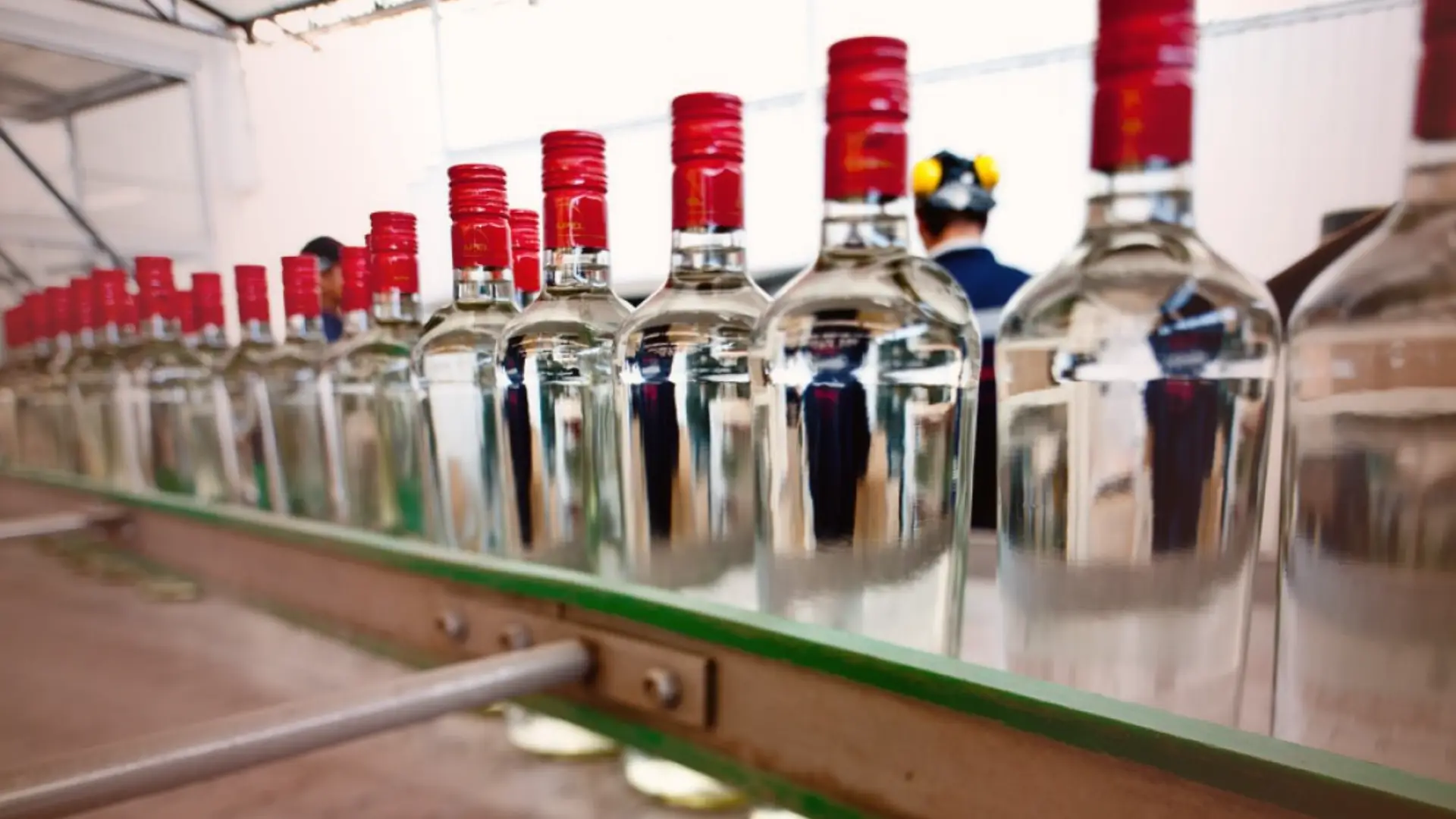
The story of Pisco begins with the arrival of vines in colonial South America. Spanish settlers introduced grape growing along the Pacific coast, where dry valleys, irrigation, and sunlight allowed viticulture to develop in areas that were otherwise defined by desert, mountains, and ocean.
Wine came first. Distilled grape spirit followed. In Peru, the name Pisco is closely tied to the port and town of Pisco, south of Lima, which became associated with wine and spirit trade during the colonial period. Grape spirits moved through coastal commerce, connecting vineyards, ports, storage vessels, and export routes.
In Chile, Pisco identity developed in the northern valleys where viticulture adapted to arid conditions, clear skies, strong sunlight, and irrigation from mountain water systems. The valleys of Atacama and Coquimbo became the legal and cultural heart of Chilean pisco.
This shared colonial background helps explain why the name carries such weight. Pisco is not only a product category. It is tied to early viticulture, maritime trade, regional economies, and national identity on both sides of the Andes.
Peru and the Coastal Denomination
Peru’s system defines Pisco as a Denomination of Origin. The authorised production area is coastal and specific. It includes Lima, Ica, Arequipa, Moquegua, and the Locumba, Sama, and Caplina valleys in Tacna.
The Peruvian logic is built around geography, grape varieties, and the purity of transformation from grape must to spirit. It must come from recently fermented fresh musts of grapes grown in the authorised area. The legal language emphasises a process without additives, sugars, water, or other elements outside the grape.
This creates a spirit identity where the grape is expected to remain visible. The Peruvian system protects a clear, unaltered grape distillate whose character should come from authorised grapes, fermentation, distillation, and rest in neutral vessels rather than from wood colour or added materials.
Indecopi is central to this system because it protects, authorises, and defends the Denomination of Origin. Labels must identify the Denomination of Origin Pisco, the authorisation certificate, the type of Pisco, the grape variety, the valley of the producing bodega, and the harvest year.
The Eight Grapes of Peruvian Pisco
Peruvian Pisco is built around authorised pisco grapes. These are commonly divided into non-aromatic and aromatic groups. The non-aromatic varieties include Quebranta, Negra Criolla, Mollar, and Uvina. The aromatic varieties include Italia, Moscatel, Torontel, and Albilla.
These grapes are not interchangeable decorations. They define the sensory and agricultural identity of the spirit. Quebranta is especially important in Peru’s pisco culture, while Italia, Torontel, Moscatel, and Albilla bring aromatic expression associated with floral and fruit-driven profiles.
Peruvian Pisco is legally organised through three principal types. Puro is made from one grape variety. Acholado is made through the use or blending of more than one grape variety or pisco type. Mosto Verde comes from must that has not completed full fermentation before distillation.
The important editorial point is not to turn these terms into tasting advice. Their relevance here is legal and cultural. They show how Peru’s Denomination of Origin protects different ways of expressing grape identity within one national system.
Chile and the Northern Appellation
Chile’s protected system follows another geography. Chilean Pisco is tied to the Atacama and Coquimbo regions, especially valleys such as Copiapó, Huasco, Elqui, Limarí, and Choapa. The legal protection dates to 1931, and Decree No. 521 provides the modern regulatory framework for the Appellation of Origin Pisco.
This northern landscape is very different from Peru’s coastal pisco valleys. It is marked by aridity, intense sunlight, mountain water, and vineyard zones that sit between the Andes and the Pacific. The Chilean system connects pisco to this regional grape agriculture and to a long-standing distilling economy.
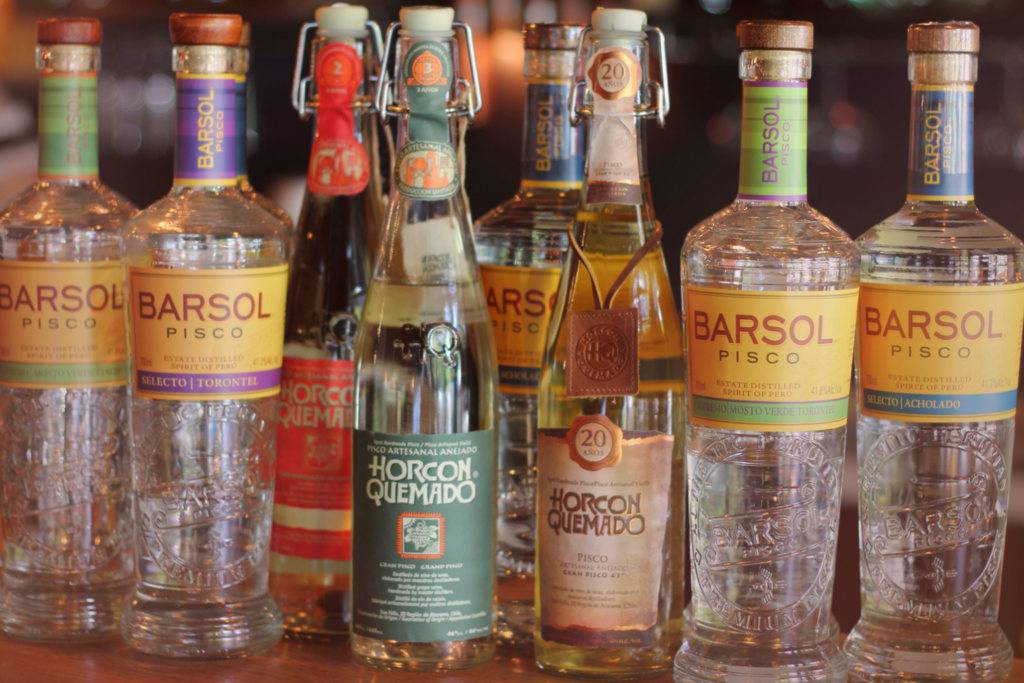
The Chilean regulation controls grape varieties, production zones, distillation requirements, alcohol categories, and bottling rules. It is a legal system in its own right, not merely an imitation of the Peruvian model.
This is why careful vocabulary matters. The Chilean should not be treated as if it has no legal basis. At the same time, Peru’s claim to the historical and geographic name Pisco should not be erased. The two systems coexist internationally in complex and sometimes contested ways.
Two Legal Systems Under One Name
The legal challenge of Pisco is that the same word does not operate as one universally agreed appellation. Peru claims Pisco as its Denomination of Origin and defends the name as part of Peruvian heritage. Chile protects it through its own Appellation of Origin for production in Atacama and Coquimbo.
International markets handle this in different ways. The United States recognises Pisco as grape brandy made in Peru or Chile according to the producing country’s laws. It also recognises Pisco Perú and Pisco Chileno as distinctive products under trade agreements.
This creates a rare situation. A consumer may see it from Peru and from Chile, both legally recognised in certain markets, but produced under different national rules. The name therefore carries legal plurality rather than one single global specification.
For this reason, Pisco is one of the most useful cases in an appellation series. It shows that protected origin systems can become politically and historically complex when two countries regulate the same name through different legal traditions.
Distillation as a Boundary of Identity
Both Peruvian and Chilean systems begin with grapes, wine, and distillation, but their legal rules and cultural expectations differ.
In Peru, Pisco is obtained from fresh fermented musts of grapes and is strongly associated with an unaltered grape spirit identity. It is not defined by oak ageing or colour. The final spirit is expected to remain clean, bright, and colourless, and the Peruvian rules prohibit adding fruits, vegetables, cinnamon, or other external elements.
In Chile, the regulation permits a different classification structure based partly on alcohol strength. Traditional, Special, Reserve, and Great Pisco are legal categories, and the Chilean framework allows a broader production identity within its own rules.
The comparison should not be used to declare one system legitimate and the other illegitimate. The correct editorial approach is to explain that the two legal systems protect different national interpretations of grape spirit under the same contested name.
Pisco and the Politics of Origin
Pisco is not only a legal dispute. It is also a cultural and historical argument. Peru points to the town and port of it, early colonial documents, and the coastal production tradition as evidence of origin. Chile points to its long protected designation, its northern pisco valleys, and an established production culture that has been legally organised since the twentieth century.
This dispute should be handled without reducing the article to nationalism. The point is not to decide the conflict in a spirits dictionary. The point is to explain why the conflict exists.
Both show how place names become valuable when they carry history, export value, identity, and legal recognition. Once a spirit name becomes a symbol of national heritage, regulation becomes more than technical control. It becomes cultural defence.
Producers and Regional Memory
In Peru, notable producers such as Caravedo, Barsol, Tacama, Viñas de Oro, La Diablada, and Cuatro Gallos represent the diversity of coastal pisco production. Their work reflects a system tied to valleys, authorised grapes, and the Denomination of Origin.
In Chile, producers such as Capel, Mistral, Alto del Carmen, Waqar, Aba, Mal Paso, and Los Nichos represent the northern pisco landscape of Atacama and Coquimbo. These producers belong to a different legal system and a different regional history.
Including both producer groups is important because it is not one producer’s brand. It is a protected name organised through national systems and carried by multiple growers, distillers, and regional communities.
A Protected Name With Two National Frameworks
Pisco is one of the most instructive spirits in any discussion of appellations because it resists simple classification. It is a grape spirit, a Denomination of Origin, an Appellation of Origin, a national symbol, and an international naming dispute at the same time.
Its protected meaning depends on which legal system is being discussed. In Peru, it is tied to coastal departments, authorised grapes, clear, unaltered distillate, and Indecopi’s defence of the Denomination of Origin. In Chile, Pisco is tied to Atacama, Coquimbo, authorised grapes, regulated production, and the Chilean Appellation of Origin.
That tension does not weaken the importance of the category. It makes the drink more revealing. It shows that origin protection is not only about soil and production. It is also about memory, law, politics, and the power of a name to belong deeply to more than one community.

Renowned freelance spirits consultant, award-winning author, and international spirits judge, recognized globally as a leading authority on spirits selection, historical distillates, and market innovation.


Spirit
Pisco Control Gran is a hallmark of premium Chilean pisco, distinguished as the market leader in the country.…

Spirit
Pisco Montesierpe Peruvian Grape Brandy
Pisco Montesierpe is a premium Peruvian grape brandy known for its authentic craftsmanship and dedication to traditional methods.…

Spirit
Pisco Bou Barroeta Noor Brandy
Pisco Noor De Bou Barroeta is a distinguished example of Chilean pisco, crafted with exceptional skill and precision…
Spirit
Alto del Carmen Pisco is a distinguished expression of Chilean craftsmanship, celebrated for its purity and artisanal methods.…
Spirit
1615 Pisco del Peru is a quintessential Peruvian spirit, presenting a unique expression of terroir through its meticulous…
Spirit
Pisco Acholado Demonio de Los Andes
Pisco Acholado Demonio de Los Andes is a distinguished Peruvian spirit, known for its rich heritage and meticulous…

Partnership

Pisco: A Spirit Claimed by Two Nations
Pisco is one of the few spirits whose identity is divided by national borders rather than defined by them. Both Peru and Chile claim pisco as a national spirit, each supported by legal frameworks, historical narratives, and active production. This dual claim is not a modern branding dispute. It is the outcome of colonial administration, […]
October 7, 2026
Partnership
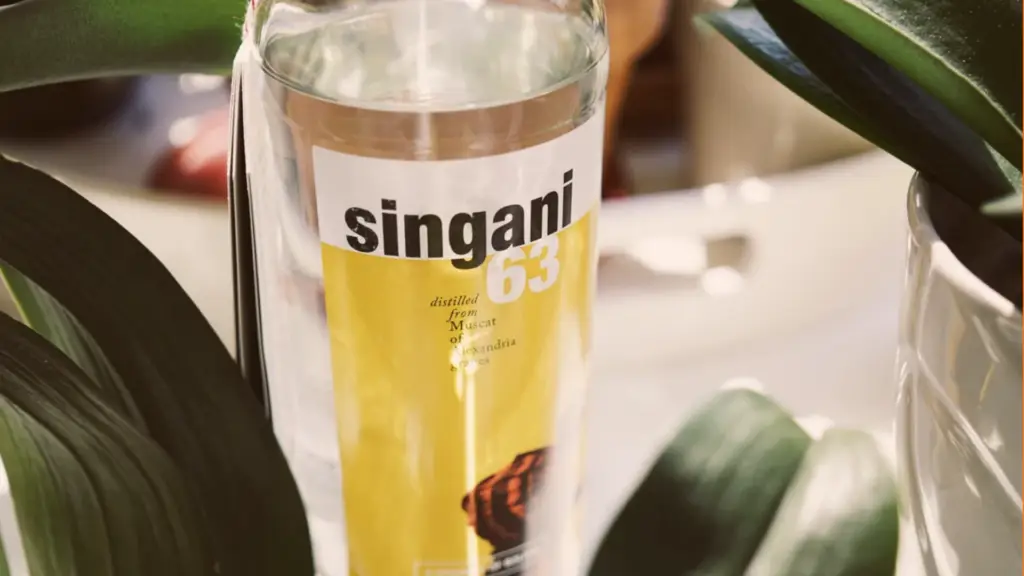
Singani: Bolivia’s High-Altitude Spirit and a Forgotten Andean Heritage
Singani is one of the least understood legally protected spirits in the world. Despite centuries of continuous production in Bolivia, it remains largely absent from global spirits discourse. This absence is not due to ambiguity or lack of definition. Singani is one of the most tightly structured grape distillates in existence, defined by altitude, grape […]
September 30, 2026
Partnership
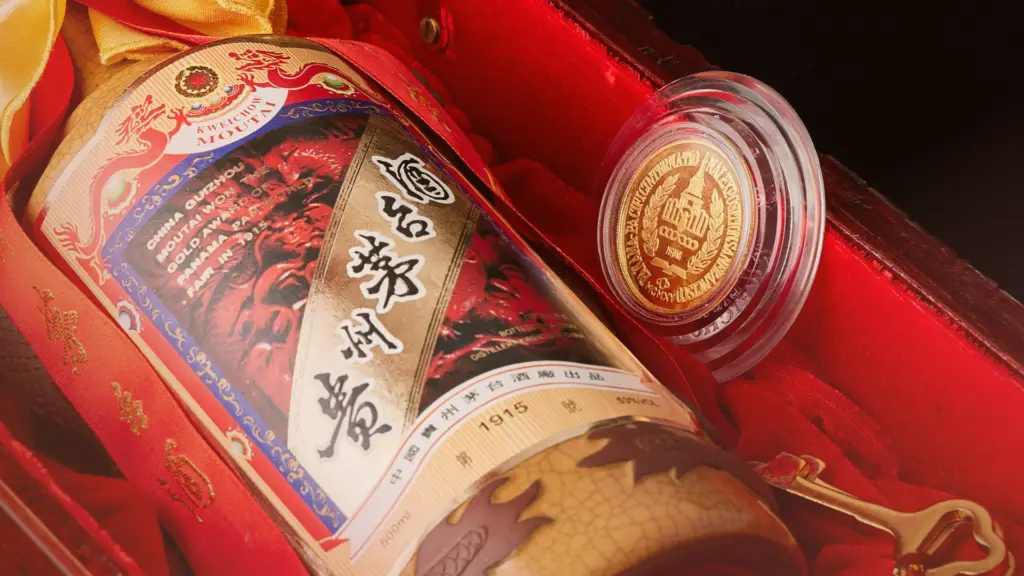
Kweichow Moutai: The Protected Origin of Sauce Aroma Baijiu
Moutai begins in a bend of the Chishui River, in a town where geography has been asked to explain taste for generations. The river, the valley heat, the purple-red soils, the surrounding hills, and the microbial life of Maotai Town are all part of the story people tell when they try to explain why this […]
September 27, 2026