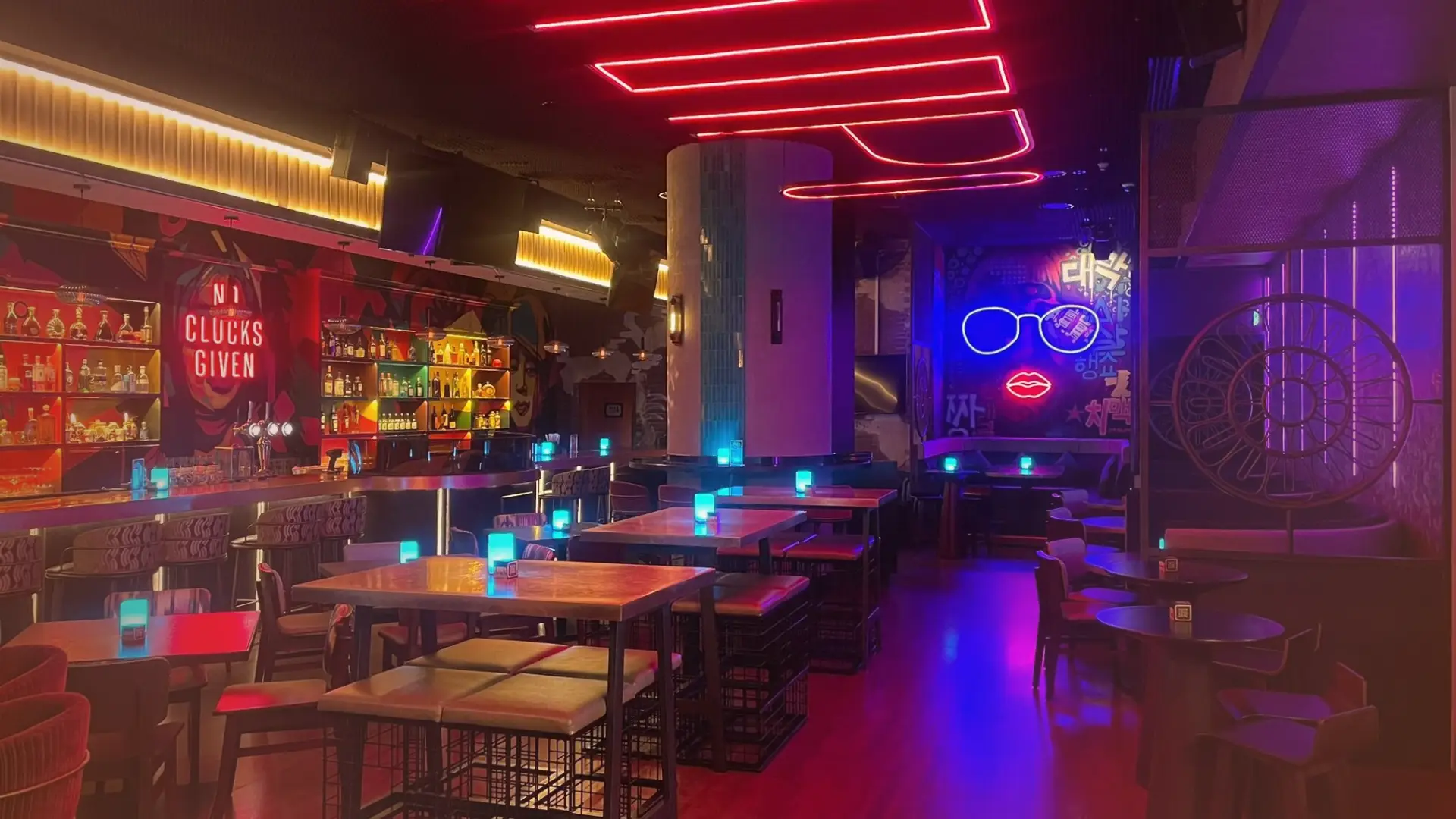
Bars in Dubai have evolved into one of the city’s most distinctive expressions of hospitality, combining ambitious cocktail programmes, international bartending talent, rooftop venues, hotel bars and increasingly sophisticated local concepts. From intimate speakeasies and neighbourhood drinking spots to destination bars overlooking the Dubai skyline, the city offers a drinking culture shaped by both global influence and its own rapidly developing identity.
The city also has a distinctive advantage: its bars have absorbed influences from across the world while increasingly developing their own identity. Japanese cocktail culture, Mediterranean ingredients, Middle Eastern flavours, contemporary mixology and established hotel-bar traditions now coexist across neighbourhoods such as DIFC, Jumeirah and Business Bay.
For this list, the focus is on five established venues that remain relevant to Dubai’s drinking culture in 2026, rather than simply selecting the newest openings. Recent international and regional coverage consistently highlights several of these names, while current 2026 listings confirm that the venues remain operating destinations.
Dubai’s International Cocktail Scene: Bars in Dubai 2026
1. Mimi Kakushi
Located at the Four Seasons Resort Dubai at Jumeirah Beach, Mimi Kakushi has developed into one of Dubai’s most important cocktail destinations. The restaurant is inspired by 1920s Osaka, but its bar has developed an identity of its own through elaborate drinks, Japanese ingredients, and a strong connection among cocktails, music, and storytelling.
The work of bar manager Manja Stankovic has been central to that development. Previous menus have explored Japanese jazz culture through cocktails presented alongside vinyl records, while the later Kintarō menu drew inspiration from the life and films of Japanese actor Sessue Hayakawa.
Mimi Kakushi‘s international reputation is particularly significant. It was ranked No. 36 in The World’s 50 Best Bars 2025, making it the highest-ranked bar in the Middle East and North Africa that year.
Why It Matters
The bar combines Japanese-inspired cocktails, specialist spirits, and an immersive atmosphere, with a drinks programme that evolves over time. Its success illustrates the growing importance of concept, narrative and technical bartending in Dubai.
2. Galaxy Bar
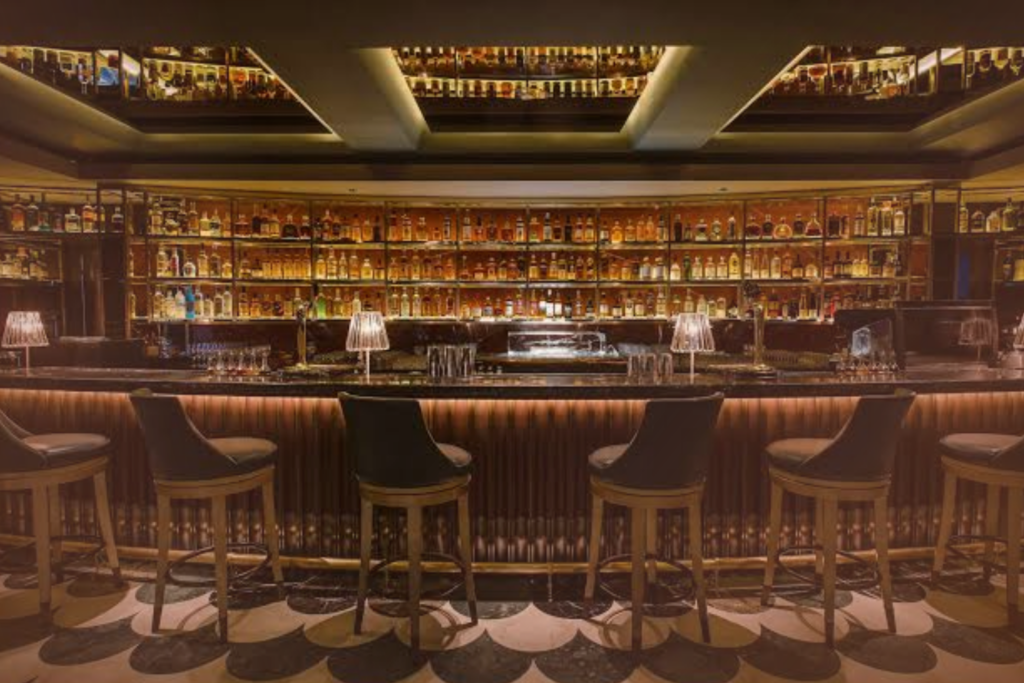
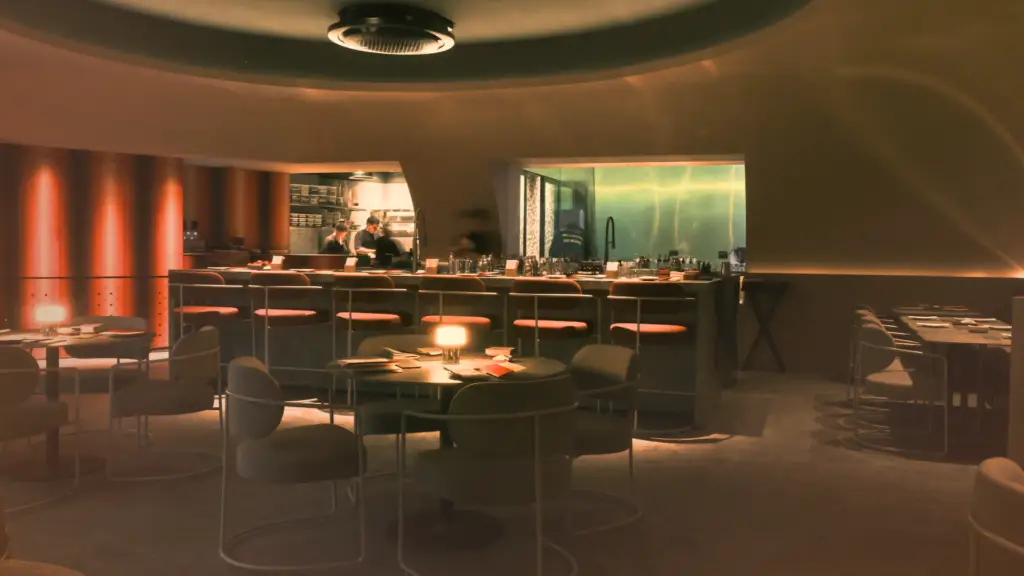
Hidden within Gate Village 9 in DIFC, Galaxy Bar takes a much more intimate approach. The room is deliberately dark and compact, with an arched marble bar and an atmosphere inspired by astronomy and the night sky.
Its reputation was established well before the current wave of Dubai cocktail bars. Galaxy Bar appeared on The World’s 50 Best Bars list in 2021 at No. 45 and has remained an important reference point for Dubai’s serious cocktail community.
The experience is deliberately different from Dubai’s larger destination lounges. The room encourages guests to concentrate on the bar itself, while the cocktail programme uses the venue’s cosmic theme as a framework for drinks and storytelling.
That intimacy has helped Galaxy Bar maintain its identity in a city where scale and spectacle are often central to nightlife.
A DIFC Cocktail Institution
Galaxy Bar is particularly relevant to enthusiasts interested in classic cocktail technique, contemporary mixology and specialist spirits. Its location in DIFC also places it within one of Dubai’s most important hospitality districts, where restaurants and bars increasingly function as destinations for professionals and international visitors.
3. Zuma Dubai
Zuma Dubai occupies a different position from the city’s dedicated cocktail bars. Its reputation was originally built around Japanese izakaya-inspired dining, but its bar has become a destination in its own right.
Located in Gate Village 6, DIFC, Zuma combines a substantial specialist-spirit selection with Japanese-influenced cocktails, a Zuma Heritage drinks programme and an aperitivo menu that adapts the format through Japanese ingredients and flavours.
The venue has also become an important part of Dubai’s after-work and late-evening drinking culture. Its popularity means that the bar can feel very different from an intimate cocktail room such as Galaxy Bar, but that is precisely part of its appeal.
Zuma demonstrates another important aspect of Dubai’s bar culture: the strongest drinking destinations do not necessarily need to be conventional cocktail bars. A restaurant with an exceptional bar programme can become equally influential.
Where Japanese Hospitality Meets Dubai
The appeal of Zuma lies in the integration of food, cocktails, Japanese spirits and hospitality. The bar works particularly well for drinkers who want to move between dining and drinking without treating the two experiences as separate parts of the evening.
4. Salmon Guru Dubai
When Salmon Guru arrived in Dubai in 2022, it brought the distinctive visual and theatrical approach associated with the Madrid original. Located at The Opus by Omniyat in Business Bay, the Dubai bar combines colourful interiors with playful cocktails and a menu organised around different flavour profiles.
The concept was created by Spanish bartender Diego Cabrera, whose original Salmon Guru in Madrid became internationally recognised for its unconventional presentation and experimental approach to cocktails. The Dubai venue carries that philosophy into a different market.
Rather than concentrating exclusively on classic cocktails, the menu explores categories such as sweet and strong, refreshing, fruity and sour. The approach encourages guests to choose drinks according to flavour and mood rather than simply ordering by spirit category.
This makes Salmon Guru particularly relevant to Dubai’s newer drinking culture, where cocktails are increasingly treated as complete sensory experiences.
The Theatre of Modern Cocktails
Salmon Guru‘s importance lies partly in its willingness to make the cocktail itself part of the entertainment. Unusual vessels, visual presentation and playful techniques create an experience that is deliberately different from the restrained style of a traditional hotel bar.
Yet the underlying structure remains rooted in professional cocktail making. That combination of technique and theatricality has helped the venue establish a distinct position in Dubai.
5. Paradiso Dubai
Paradiso Dubai brings one of the world’s most recognised modern cocktail-bar concepts to FIVE Luxe JBR.
The original Paradiso in Barcelona became famous for its hidden entrance, theatrical interior and ambitious cocktails, and it was named The World’s Best Bar by The World’s 50 Best Bars in both 2021 and 2022. The Dubai outpost translates that theatrical philosophy into a larger setting overlooking Palm Jumeirah.
The Dubai venue combines elaborate cocktail presentation with a rooftop setting, creating a very different experience from the intimate rooms of Galaxy Bar or Mimi Kakushi.
Its presence is also significant because it shows how Dubai has become attractive enough to international cocktail brands that have already established reputations in other major drinking cities.
Paradiso is not simply another imported bar. Its arrival reflects Dubai’s increasing position within the international cocktail economy.
From Barcelona to JBR
The drinks programme retains the playful character associated with Paradiso, with a strong emphasis on gin-based cocktails alongside elaborate presentations. The location adds another dimension, giving the concept access to Dubai’s resort and beach-club culture while maintaining the cocktail focus that established the original venue’s reputation.
Why These Five Matter
These five bars represent different directions within Dubai’s contemporary drinking culture.
Mimi Kakushi demonstrates how cultural storytelling and Japanese influences can create an internationally recognised cocktail programme. Galaxy Bar represents the intimate, technically focused cocktail room that has become an important part of DIFC’s nightlife. Zuma Dubai shows how a restaurant-led hospitality concept can build a serious drinks destination around food, spirits and Japanese-inspired cocktails.
Salmon Guru Dubai brings theatrical modern mixology into the city’s cocktail landscape, while Paradiso Dubai demonstrates Dubai’s growing ability to attract internationally recognised bar concepts and give them a new setting.
Together, they also reveal something about the character of Dubai itself. The city’s drinking culture is not based on one historical tradition. It has developed through the meeting of international hospitality brands, specialist bartenders, global cocktail movements and the city’s own appetite for ambitious dining and nightlife.
That makes Dubai particularly interesting for contemporary drinks culture. Its bars can borrow from Barcelona, Madrid, Osaka, London and other established cocktail centres while adapting those influences to a city with its own architecture, clientele and hospitality economy.
For drinkers, the result is a city where a serious cocktail can take many forms. It might arrive in a dark DIFC room beneath a constellation-themed ceiling, alongside a Japanese jazz-inspired menu, within a busy restaurant bar or from a theatrical rooftop overlooking the Palm.
The common factor is the growing sophistication of the drinks programme.
Dubai’s best bars are no longer defined simply by luxury surroundings or spectacular views. The city’s leading venues increasingly compete through bartending, cocktail development, specialist spirits, cultural references and the quality of the experience surrounding the drink.
That evolution is visible in the five venues selected here. Mimi Kakushi, Galaxy Bar, Zuma Dubai, Salmon Guru Dubai and Paradiso Dubai each represent a different interpretation of what a modern Dubai bar can be.
Their differences are precisely what make the city worth exploring.
Bar
In the winding streets of Madrid’s Barrio de Las Letras — once the stomping grounds of Spain’s greatest…
Bar
Mimi Kakushi is a visually captivating and conceptually rich Japanese fusion restaurant and cocktail bar situated within the…
Bar
Galaxy Bar is an elegant and intimate cocktail lounge located in Gate Village Building 9 within Dubai’s prestigious…
Partnership
Lady Bee: Structure, Scale, and the Quiet Discipline of Contemporary Peruvian Bartending
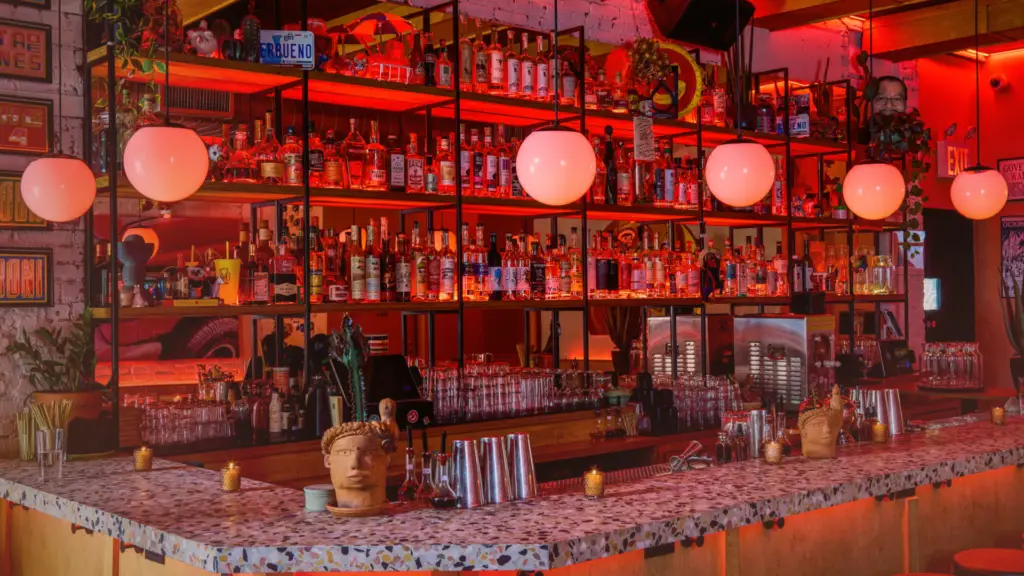
There are bars that announce themselves through concept, and others that build recognition through repetition. Lady Bee belongs firmly to the latter. Located in Lima, the bar has developed its reputation not through spectacle, but through consistency, technical control, and a steady refinement of classic structures within a contemporary Peruvian context. Since opening in 2017, […]
September 26, 2026
Partnership
Superbueno in New York: Precision, Identity, and the Return of Clarity in Cocktail Design
Not every bar in New York needs to announce itself loudly to be noticed. Superbueno opened in 2023 with a smaller room, a focused menu, and a level of clarity that quickly separated it from the noise. Within a year, it had already entered The World’s 50 Best Bars list, a rare trajectory that says […]
September 19, 2026
Partnership
French Guiana Rum: Discovering Pure Cane Juice Spirits Beyond the Caribbean Spotlight
French Guiana is often overlooked in discussions of rum. It does not belong to the Caribbean island chain, and its production is far smaller than that of Martinique or Guadeloupe. Yet its cane-juice tradition holds a distinct place within the French overseas rum world. Located on the north-eastern coast of South America, French Guiana is […]
September 18, 2026