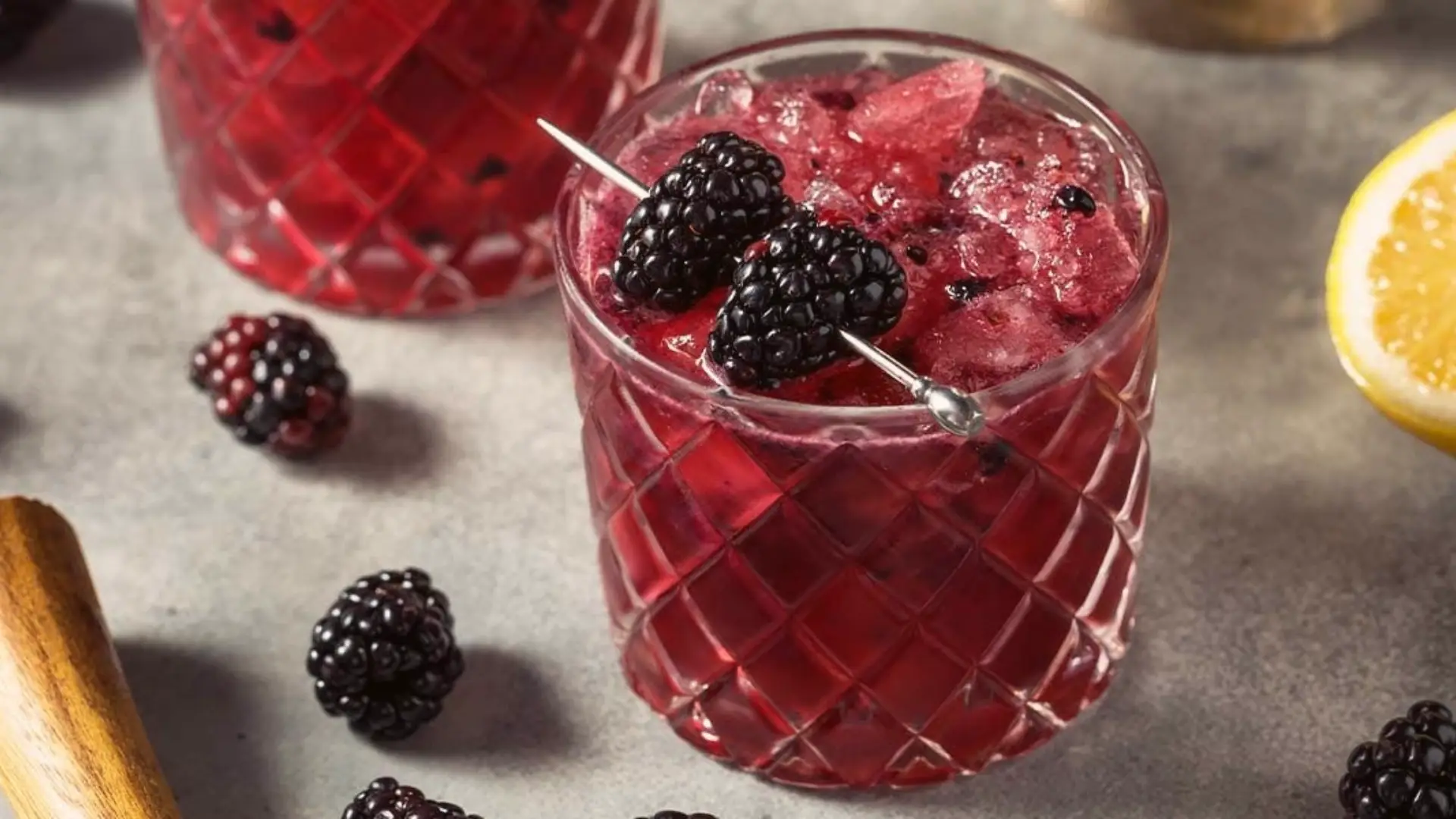
In 1980s London, as the city’s cocktail culture began to re-emerge after decades of decline, a new style of drink appeared that would quietly redefine how fruit could function in a modern cocktail. The Bramble, created in 1984 by Dick Bradsell at Fred’s Club in Soho, was not conceived as a reinterpretation of a classic, but as something distinctly contemporary. Its structure combined the clarity of a Gin Sour with the visual and aromatic impact of fresh berries, producing a drink that felt both grounded and new.
What distinguishes the Bramble is its ability to translate a seasonal, almost culinary idea into a reproducible bar format. Inspired in part by Bradsell’s childhood memories of blackberry picking on the Isle of Wight, the cocktail captures the tension between acidity, sweetness, and fruit depth without becoming heavy or overly complex.
The Creation of the Bramble and Its London Context
The early 1980s marked a transitional period for London bars. While many establishments still relied on simplified, often outdated recipes, a small number of bartenders began to reintroduce freshness and technique. Dick Bradsell was central to this shift, later credited with creating influential drinks such as the Espresso Martini and the B52.
The Bramble emerged within this context as a response to both ingredient availability and creative intent. Rather than relying on imported or processed fruit flavours, Bradsell used crème de mûre, a blackberry liqueur, to introduce controlled fruit intensity and visual layering. This approach allowed the cocktail to maintain structural integrity while still delivering a distinct fruit profile.
Structure and the Role of Crème de Mûre
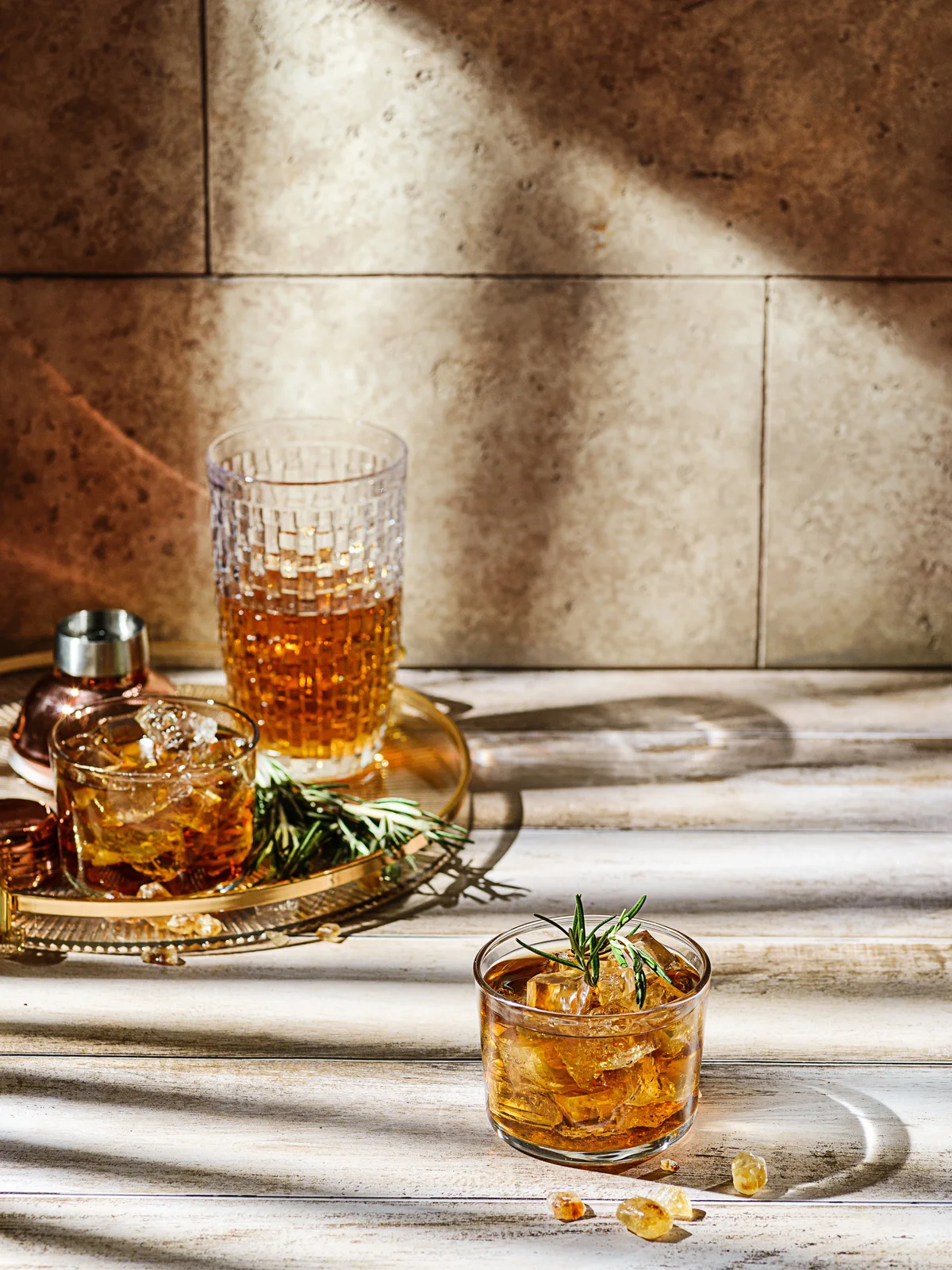
At its foundation, the Bramble is a variation of the Gin Sour, built on gin, fresh lemon juice, and sugar syrup. What defines it is the addition of crème de mûre, traditionally floated over crushed ice, where it slowly integrates into the drink.
This technique is not purely aesthetic. The gradual mixing of the liqueur creates a progressive flavour experience, where the initial sip is bright and citrus-driven, followed by increasing depth and sweetness as the blackberry element disperses. The use of crushed ice further enhances this effect by increasing dilution and surface area, softening the drink over time.
Classic builds often use Bombay Sapphire for its balanced botanical profile, though other London Dry styles such as Tanqueray London Dry Gin provide a more juniper-forward structure. The choice of gin determines how prominently the fruit interacts with the base spirit.
Fruit Liqueur and the Evolution of Flavour Control
Crème de mûre, most notably produced by Giffard in Angers, France, is essential to the Bramble’s identity. Unlike fresh fruit purées, which can vary in consistency and sweetness, liqueurs offer stability and precision, allowing bartenders to control flavour intensity across multiple servings.
This choice reflects a broader technical shift in late twentieth-century bartending, where consistency became as important as creativity. By using a liqueur instead of muddled fruit, Bradsell ensured that the cocktail could be reproduced reliably in a professional setting without sacrificing character.
From Soho to Global Classic
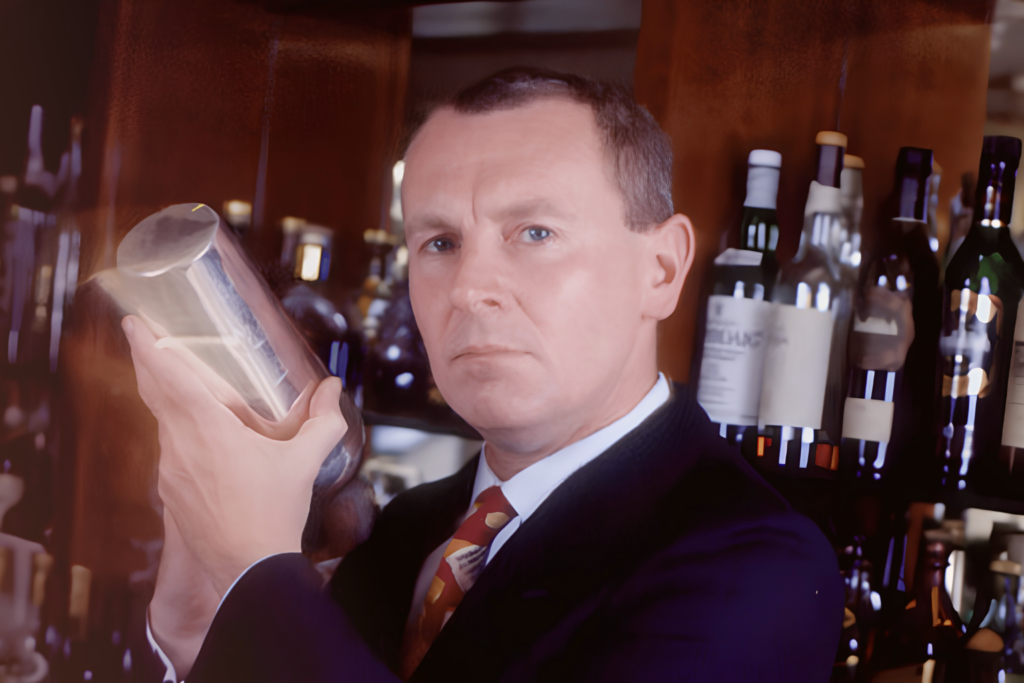
Following its creation at Fred’s Club, the Bramble spread quickly through London and beyond, becoming one of the defining drinks of the modern cocktail revival. Its accessibility, both in terms of ingredients and flavour profile, contributed to its adoption in bars across Europe and the United States.
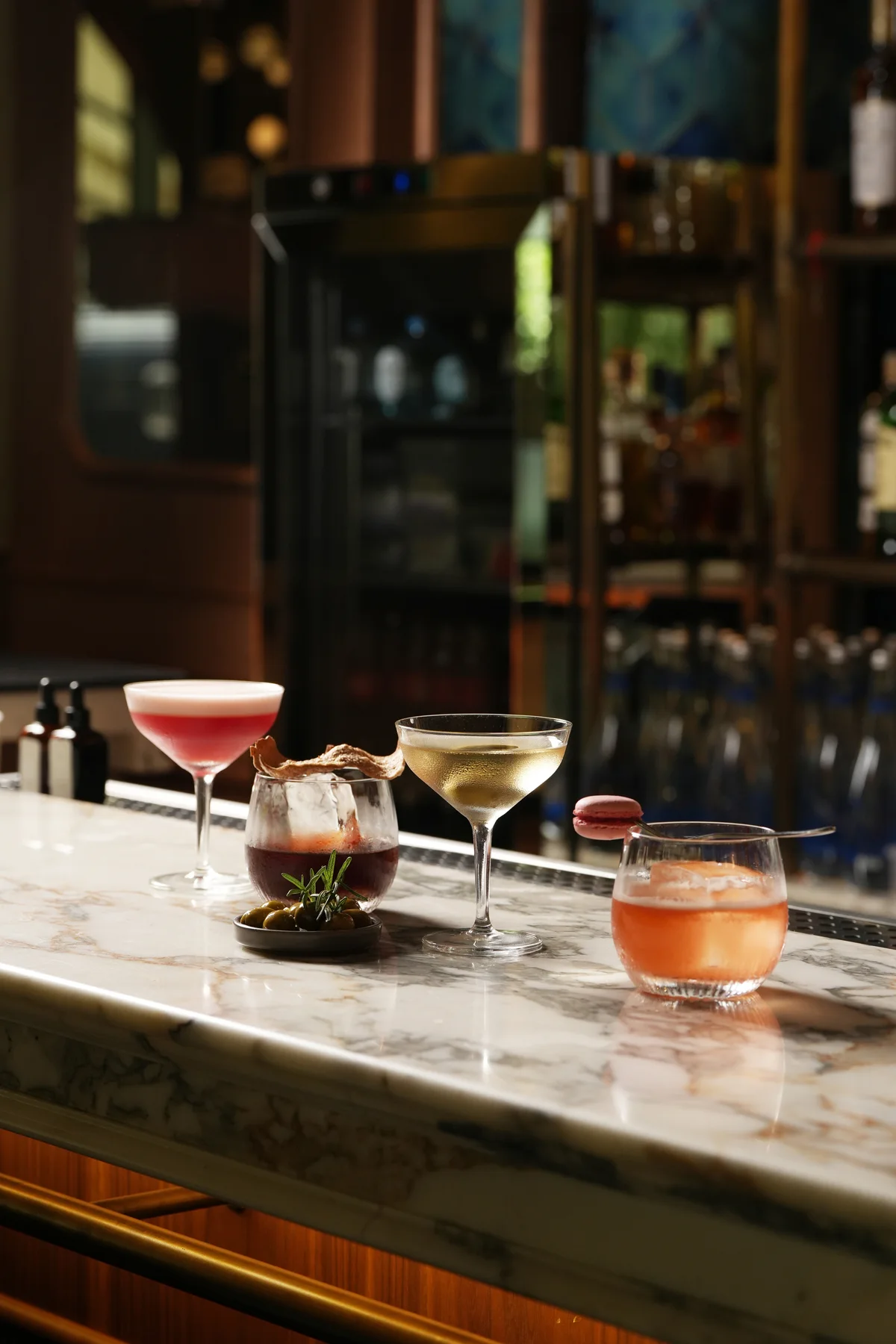
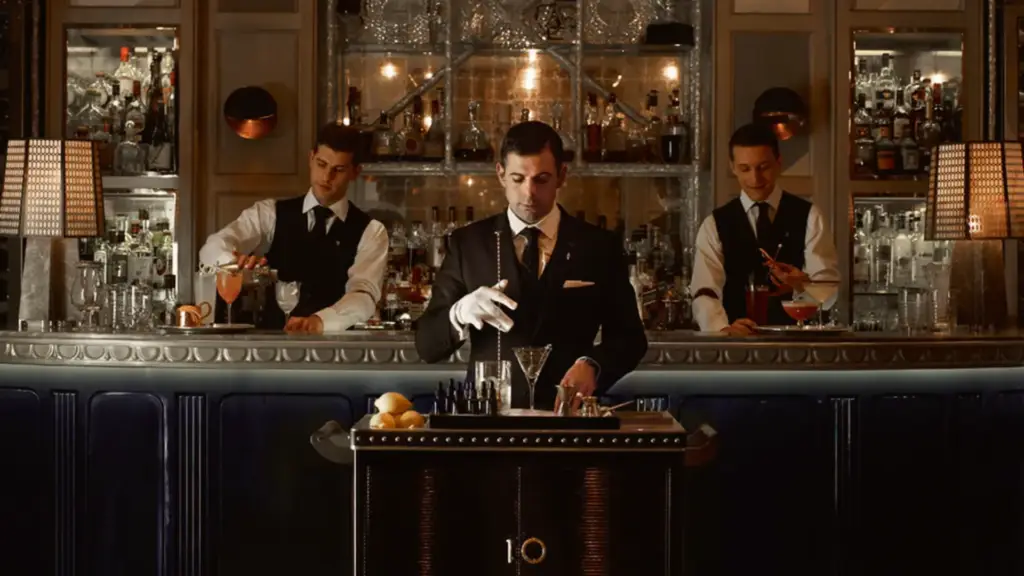
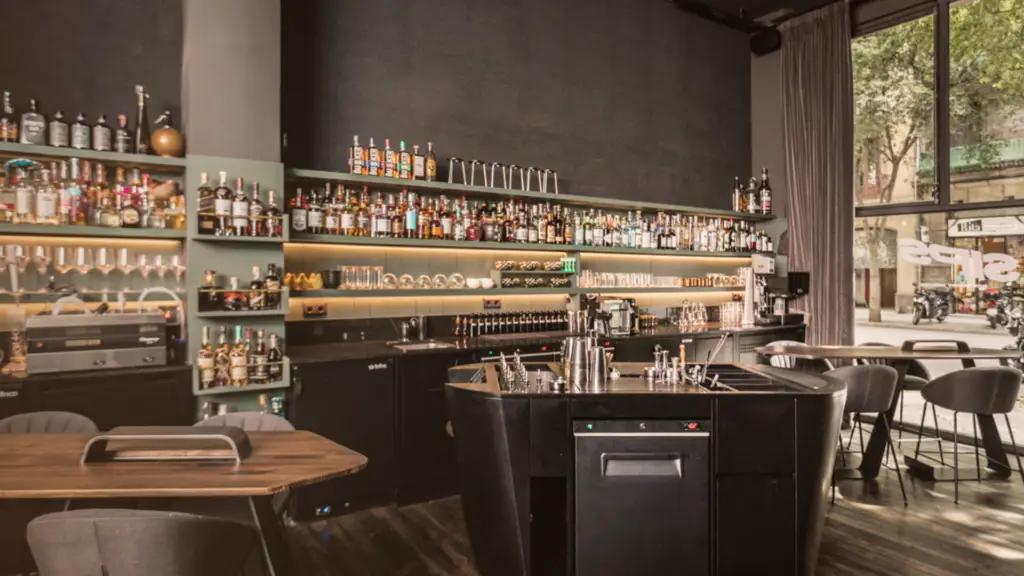
At Connaught Bar, where classical technique is maintained with precision, the Bramble remains part of the broader lineage of drinks that emphasise clarity, balance, and visual presentation. Meanwhile, contemporary venues such as Sips reinterpret its structure through controlled dilution and ingredient refinement, demonstrating its adaptability.
Technical Considerations in Modern Bars
The Bramble presents several technical challenges that define its execution. The use of crushed ice requires careful management to avoid excessive dilution while still achieving the desired texture. The float of crème de mûre must be measured precisely, ensuring it integrates gradually rather than overwhelming the drink.
Another often overlooked detail is the balance between sugar syrup and liqueur. Because crème de mûre contributes both sweetness and flavour, the base sour must be calibrated to prevent the cocktail from becoming overly rich. This requires a measured reduction in base sweetness, a subtle adjustment that distinguishes refined versions from less controlled builds.
Lesser-Known Details and Cultural Influence
Despite its modern origin, the Bramble draws on older traditions of fruit-based drinks, particularly cobblers and fixes, which also relied on crushed ice and fresh ingredients. However, its streamlined structure and reliance on liqueur rather than muddled fruit mark it as distinctly contemporary.
An interesting historical detail is that blackberries, the defining flavour of the drink, were not commonly used in cocktails before the late twentieth century. Their integration into a widely adopted recipe helped expand the range of fruit profiles considered viable in professional bartending.
The Bramble also reflects a shift in how cocktails were perceived. Rather than being purely functional or spirit-driven, they became expressions of seasonality and personal memory, linking ingredients to narrative in a way that would influence future generations of bartenders.

Renowned international hospitality consultant, founder of Barpartners, and IBA Vice President of Classic Mixology, bringing over 25 years of luxury hotel bar operations.

In partnership with International Bartenders Association
The International Bartenders’ Association stands at the crossroads of exchange between new and established generations of professionals.

Bar
In the heart of Mayfair, behind the storied façade of The Connaught Hotel, stands the Connaught Bar —…
Cocktail
The Gin Sour is a classic and elegantly balanced cocktail that highlights the bright, botanical flavors of gin…
Cocktail
The Espresso Martini is a modern classic that combines the rich, bold flavor of freshly brewed espresso with…
Cocktail
The Bramble is a modern classic that has quickly become a favorite for its vibrant balance of sweet,…
Spirit
Tanqueray London Dry Gin is a quintessential spirit that has stood the test of time, recognized globally as…
Bartender of The Week
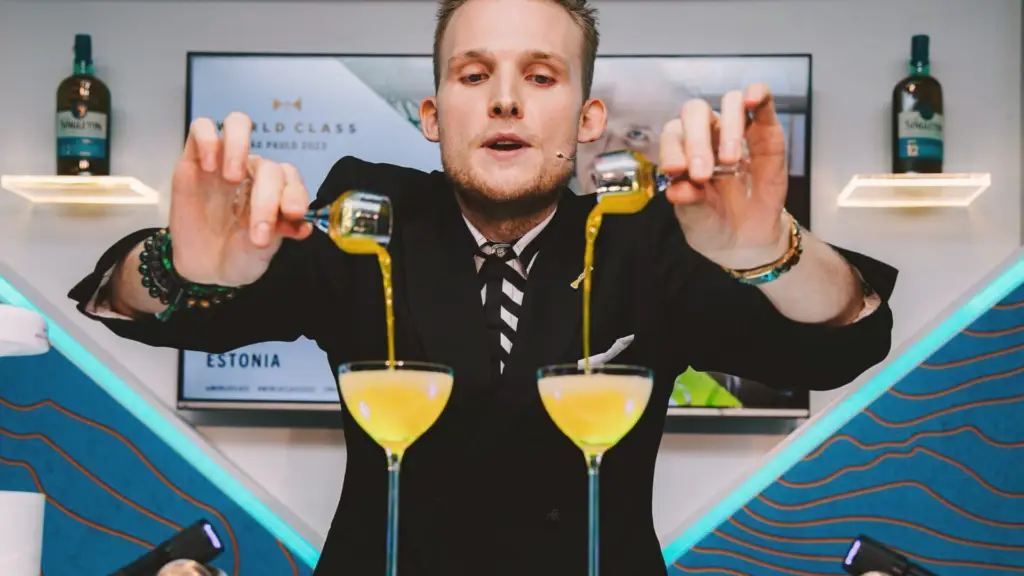
Erik Tammeleht: From Precision to Experience in Tallinn’s Cocktail Culture
In Tallinn, the story of cocktails doesn’t begin with glamour. It begins with systems. After Estonia, from where Erik Tammeleht comes, regained independence in the early 1990s, the hospitality industry had to reorganise quickly. Training replaced tradition, and professional standards became the backbone of the craft, largely shaped by the Estonian Bartenders Association. In this […]
August 3, 2026
Partnership
The Connaught Bar: Precision, Ritual, and the Martini That Set the Standard
Some bars are defined by their drinks. Others by their atmosphere. At Connaught Bar, it is service that holds everything together. Tucked within The Connaught in London, the bar has, over time, established itself as a reference point for what modern classic bartending can look like when precision and ritual are treated as inseparable. This […]
August 1, 2026
Partnership
Sips in Barcelona: The Avant-Garde Cocktail Bar Leading Europe’s New Drinking Culture
Walk into Sips and the first thing that becomes apparent is the absence of the expected. There is no traditional bar counter acting as a barrier, no hierarchy between bartender and guest. Instead, the room opens up, almost like a stage, where drinks are assembled in full view and the act of making a cocktail […]
July 18, 2026