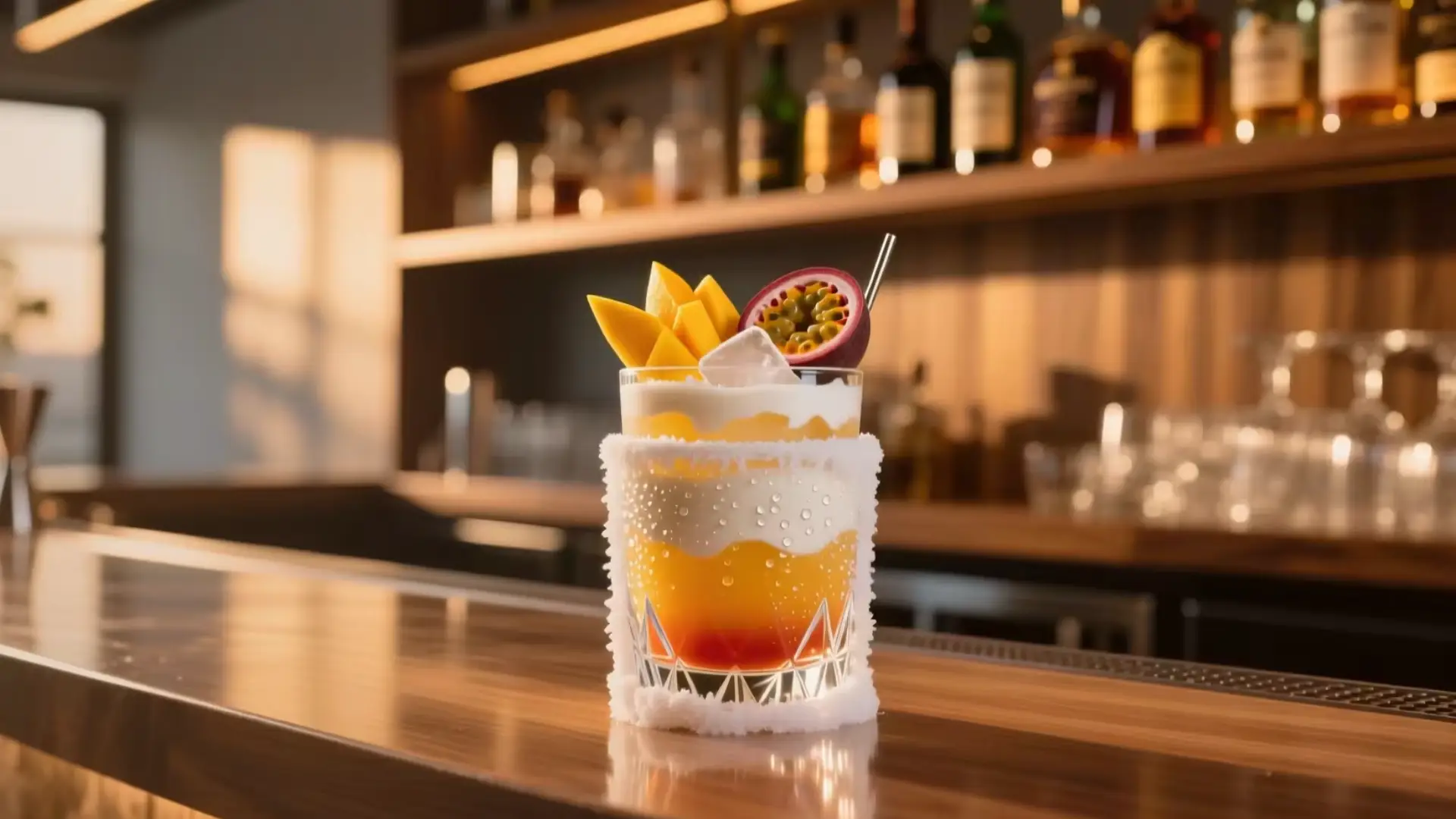
Dilution begins as soon as ice and liquid exchange heat, but its importance extends far beyond the simple addition of water. It changes alcoholic strength, temperature, aroma, sweetness, bitterness and texture, helping separate ingredients become a coherent drink. Because the process is usually invisible, it can be mistaken for a side effect of chilling. In practice, dilution is one of the cocktail’s structural components.
Water appeared in the earliest printed definition of the cocktail. In 1806, the drink was described as a combination of spirit, sugar, water and bitters. The wording is significant because it places water beside the other ingredients rather than treating it as an accident. Long before dilution was measured with modern tools, bartenders understood that a strong mixture required water to become balanced and approachable.
Water as a Structural Ingredient
Historical manuals reveal this understanding through method. Jerry Thomas‘s How to Mix Drinks (1862) gave directions for shaking, stirring, pouring and working with ice across many categories of mixed drink. The language and equipment differed from those of the contemporary bar, but the underlying problem was familiar: the bartender had to control how temperature, movement and water changed the mixture before it reached the guest.
Managing Dilution Through Technique
Chilling and Dilution Are Not the Same
Dilution and chilling occur together, although they are not identical. Ice absorbs heat from the drink and its surroundings. Once melting occurs, water enters the mixture and alters its concentration. The result depends on several variables, including the starting temperature of the ingredients, the temperature and condition of the ice, the size of the mixing vessel, the length of preparation and the amount of agitation. No single factor determines the outcome on its own.
Shaking, Stirring and Texture
Stirring and shaking produce different physical effects, but the distinction should not be reduced to the claim that one method always creates more dilution. Shaking moves the liquid and ice rapidly, promoting quick chilling while introducing air and a more turbulent texture. Stirring usually creates less aeration and is chosen when clarity and a smoother texture are desired. With sufficient time, both methods can approach similar levels of chilling and dilution; their most important differences often lie in speed, aeration and texture.
Classic Cocktails and Controlled Dilution
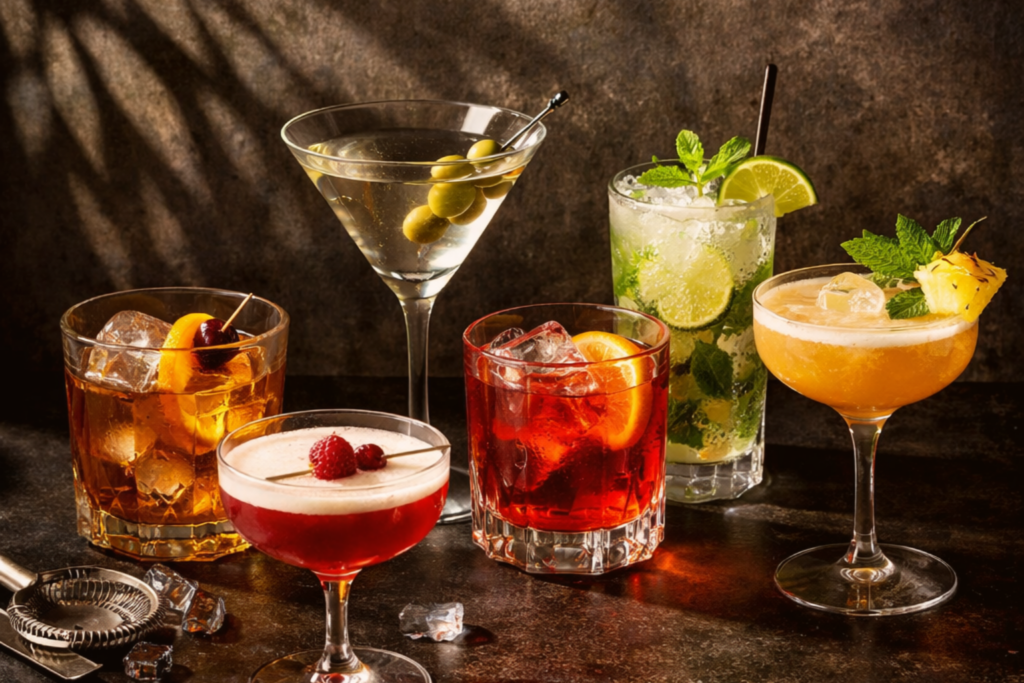
Classic cocktails make these differences easier to recognise. A Dry Martini or Manhattan is generally stirred so that the drink remains clear and controlled while water softens the alcoholic intensity and joins the spirit with vermouth. A Daiquiri is shaken because its citrus, sugar and spirit benefit from rapid integration, chilling and aeration. Dilution is essential in both cases, but the desired texture and appearance guide the method.
The Role of Ice
The condition of the ice matters as much as its shape. Ice that has already begun to melt carries surface water into the vessel immediately. Very cold ice may first absorb heat before contributing as much meltwater. Smaller pieces provide more surface contact, while larger pieces are often useful for drinks intended to remain over ice during service. These principles are tendencies rather than absolute rules, because the entire preparation system influences the final result.
How Dilution Continues After Service
A drink served without ice largely stops diluting once it has been strained, although it continues to warm. A drink served over ice keeps changing. The bartender must therefore consider the moment of service and the expected life of the drink. A long drink may be designed to open gradually, while a short drink served up should arrive close to its intended final concentration.
Water as the Final Balancing Element
Ingredients also respond differently to water. High-proof spirits can reveal aroma as their strength is reduced. Sugar may feel less heavy at a colder temperature, while bitterness and acidity can become more or less prominent as concentration changes. Dilution does not simply weaken flavour; it reorganises perception. Too little can leave a drink hot, sharp or disconnected, while too much can flatten its structure and shorten its finish.
For professional bartenders, control comes from consistency rather than guesswork. The same specification should be assessed with the actual ice, glassware, ingredients and service conditions used by the bar. Timing and observation matter, but so do preparation systems that allow the intended result to be repeated during a busy shift.
Dilution is hidden only because it leaves no separate ingredient to point to in the finished glass. Its presence is felt in the way the drink opens, settles and holds together. When managed well, water does not erase the character of a cocktail. It gives that character space to become clear.

Renowned international hospitality consultant, founder of Barpartners, and IBA Vice President of Classic Mixology, bringing over 25 years of luxury hotel bar operations.

In partnership with International Bartenders Association
The International Bartenders’ Association stands at the crossroads of exchange between new and established generations of professionals.

Cocktail
The Amaretto Tea is a warm, comforting cocktail that elegantly combines the nutty sweetness of amaretto with the…
Cocktail
Tommy’s Margarita is a modern twist on the classic Margarita, celebrated for its clean, bright flavors and emphasis…
Cocktail
The Manhattan is one of the most distinguished and enduring cocktails in history, often placed alongside the Martini…
Cocktail
The Daiquiri stands as one of the purest expressions of cocktail craft, celebrated for its elegance, simplicity, and…
Cocktail
The Dry Martini is one of the most iconic and enduring cocktails in the history of mixology. Its…
Trends and Innovations
International Beer Day 2026: The History of the World’s Most Social Drink
On the first Friday of August, International Beer Day brings breweries, bars, restaurants and beer drinkers together around one of the world’s oldest fermented beverages. The celebration itself is relatively recent, having been established in Santa Cruz, California, in 2008 by Jesse Avshalomov and a group of friends. It was initially held on 5 August […]
August 7, 2026
Partnership
Don’s Special Daiquiri: How Donn Beach Redefined the Daiquiri in 1930s Hollywood
The classic Daiquiri, associated with Cuba in the late nineteenth and early twentieth centuries, is defined by restraint. Rum, fresh lime, and sugar create a precise equilibrium where each component is clearly legible. Donn Beach’s (known as Don’s Special Daiquiri)version begins with this structure but shifts its direction. Passion fruit introduces a broader tropical acidity, […]
August 6, 2026
Partnership
Gohar Gasparyan: Building Precision in a Scene That Had to Start From Zero
By the time Gohar Gasparyan stepped onto the World Cocktail Championship stage in 2024, Armenia was not expected to win. Not because of a lack of talent, but because the country’s cocktail culture was still finding its footing. Unlike established markets, where bartending is shaped by decades of accumulated technique, Armenia’s scene was newer, more […]
July 27, 2026