
On the first Friday of August, International Beer Day brings breweries, bars, restaurants and beer drinkers together around one of the world’s oldest fermented beverages. The celebration itself is relatively recent, having been established in Santa Cruz, California, in 2008 by Jesse Avshalomov and a group of friends. It was initially held on 5 August before moving to the first Friday of August in 2013. The modern observance may be young, but the history behind the drink reaches back thousands of years.
The origins of beer cannot be assigned to a single brewer, civilisation or moment. Fermentation developed independently in different societies, and the earliest beverages that we would now describe as beer were not necessarily identical to modern beer. Archaeological evidence from Mesopotamia, ancient Egypt and other parts of the ancient world demonstrates that cereal fermentation became an important part of settled societies, while evidence from sites such as Göbekli Tepe has encouraged researchers to consider whether organised feasting and cereal-based fermentation may have appeared even earlier.
The conditions that made beer possible were relatively simple. Grain could be cultivated, crushed and mixed with water, while naturally occurring microorganisms could transform fermentable sugars into alcohol. Once people learned that the resulting liquid could be reproduced, brewing became a practical craft rather than an accidental discovery.
That early process established a principle that would remain central to brewing for millennia. Beer was shaped by agriculture, water, fermentation and human knowledge, and every brewing culture adapted those elements to its own environment.
Mesopotamia and the Earliest Brewing Traditions
In Mesopotamia, beer became closely connected with agriculture, food production and organised society. Cuneiform records provide evidence of brewing and distribution, while the Hymn to Ninkasi preserves a literary connection between beer and the goddess associated with brewing.
Beer was not simply consumed for pleasure. It could form part of workers’ rations, appear in religious and social settings and contribute to the economy of urban communities. Brewing was therefore embedded within the wider organisation of Mesopotamian life.
The beers themselves would have been unfamiliar to a modern drinker. They were generally produced from cereals such as barley and could contain other ingredients, while the absence of modern filtration, refrigeration and controlled carbonation gave them a very different texture and appearance.
The same broad principle applied elsewhere.
In ancient Egypt, beer became a dietary staple and was consumed across different levels of society. Brewing and baking were closely connected because both depended on processed grain, and archaeological evidence indicates that beer was produced both domestically and on a larger institutional scale.
Egyptian beer could be used as food, refreshment, part of workers’ provisions and in religious contexts. Its importance demonstrates that early beer was not simply an alcoholic drink in the modern sense. It could occupy the space between food, nourishment, social exchange and ritual.
Brewing Becomes a Skilled Craft
As settled societies expanded, brewing became increasingly specialised. Different regions developed their own combinations of grains, herbs and fermentation practices, while brewers learned to control processes that had initially depended heavily on seasonal and environmental conditions.
For much of history, brewing remained closely associated with the household. In many European communities, women were among the principal domestic brewers, producing beer for family consumption and local exchange. Commercial brewing gradually expanded as towns became larger and trade networks more sophisticated.
This transition changed the position of the brewer.
Beer could now become a profession, and the brewery could become a commercial institution. Brewers developed reputations, established relationships with taverns and merchants, and increasingly operated within systems of regulation.
The development of brewing therefore followed the same broader pattern seen across the history of food and drink. A domestic practice gradually became a specialised craft, and that craft eventually became an industry.
Hops and the Development of European Beer
One of the most consequential changes in European brewing was the growing use of hops. Hops had been used in brewing in different forms before becoming dominant, but their importance increased during the medieval period as European brewers developed more consistent hopped beer traditions.
Hops contributed bitterness, aroma and preservative properties. Their increasing use helped create the flavour structure that modern drinkers now associate with many European beers.
The change was gradual rather than revolutionary. Earlier beers could be flavoured with herbs and other botanicals, and hopped beer developed differently across regions. Regulations also influenced which ingredients brewers were permitted to use.
The eventual prominence of hops nevertheless marked an important change. Brewing had acquired one of its defining modern ingredients, and regional differences in hop varieties, malt and water would later become central to the development of distinct beer styles.
Monasteries, Taverns and the Social Life of Beer
Medieval Europe provided an environment in which brewing could become both more organised and more closely connected with public life.
Monasteries developed significant brewing operations, partly because beer could support religious communities economically and provide a reliable beverage for daily consumption. Monastic brewers accumulated practical knowledge about ingredients, fermentation and storage, and some historic brewing traditions remain associated with religious communities to this day.
At the same time, urban brewing became increasingly regulated. Guilds and local authorities established rules concerning production, trade and quality, while commercial brewers supplied the growing number of taverns and alehouses that served expanding towns.
These establishments gave beer another important role.
The tavern and alehouse were places where people could meet outside the home, exchange news, conduct business and spend leisure time. Beer therefore became closely connected with the development of public social spaces.
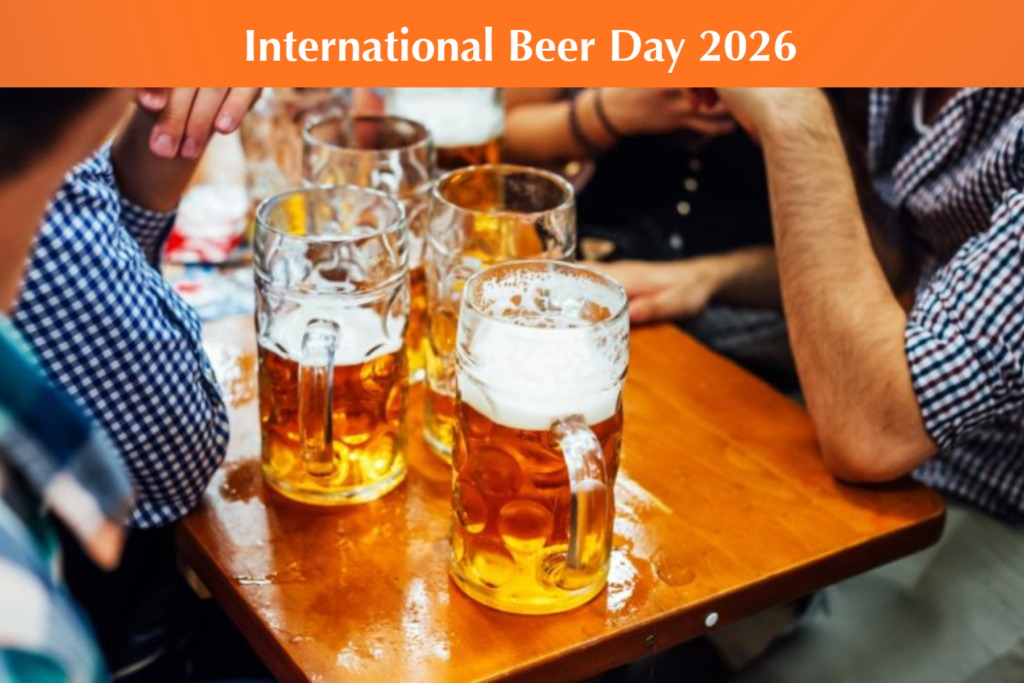
The relationship between beer and hospitality has remained remarkably durable. The medieval alehouse and the modern pub are separated by centuries of technological and cultural change, but both demonstrate how beer can function as a social drink as much as a beverage.
From Lager to the Global Beer Industry
The Cold Revolution
The modern beer industry was shaped by a series of technological developments, but few were as important as the rise of lager brewing.
Lager developed through Central European brewing traditions, particularly in Bohemia and Bavaria, where brewers refined methods involving cooler fermentation and extended maturation. The resulting beers were generally cleaner and more stable than many traditional warm-fermented ales.
The ability to control temperature was crucial.
For centuries, brewing had been heavily influenced by climate and season. Brewers could use naturally cold cellars, but they remained dependent on environmental conditions. The development of mechanical refrigeration during the nineteenth century changed that relationship.
Brewers could now control fermentation and storage more precisely, making production more predictable and allowing lager brewing to expand into regions where the climate had previously presented significant limitations.
Refrigeration therefore did more than improve convenience. It changed what was commercially possible.
Brewing Enters the Industrial Age
During the nineteenth century, brewing increasingly adopted the technologies of industrialisation. Steam power, improved malting, refrigeration, glass bottles, rail transport and scientific analysis all changed the way beer was produced and distributed.
The work of Louis Pasteur and other scientists helped establish a more systematic understanding of fermentation and microorganisms. Brewing gradually moved towards greater control over yeast, sanitation and production conditions.
The brewery itself also changed.
Large facilities could produce enormous quantities of beer with a degree of consistency that smaller traditional operations could not easily match. Railways allowed beer to travel further, while bottling and improved storage systems helped breweries establish markets beyond their immediate surroundings.
Brand identity became increasingly important. A beer no longer needed to be recognised solely by the town in which it was brewed. It could be recognised by a name, a label and a distinctive visual identity. The foundations of the modern global beer industry were being established.
Beer Crosses Borders
The international spread of beer followed migration, trade and industrial expansion. Brewing knowledge travelled with communities, while European brewers established operations in countries where local agriculture and consumer demand could support new beer industries.
German brewing traditions proved particularly influential. Lager styles spread throughout Europe, North America, South America, Australia and other markets, gradually becoming some of the most widely consumed beers in the world.
In the United States, brewing had expanded considerably before Prohibition began in 1920. The constitutional ban on the production and sale of alcoholic beverages caused severe disruption to the brewing industry. Many breweries closed, while others survived by producing non-alcoholic products or other goods.
When Prohibition ended in 1933, the American beer industry emerged in a very different form. Large producers increasingly dominated the market, and consumers became accustomed to consistent, widely distributed lagers.
That consistency was commercially successful, but it also reduced the visible diversity of American brewing.
The Return of the Independent Brewer
The late twentieth century brought a reaction to industrial uniformity.
The modern craft beer movement developed through small breweries and independent brewers who began restoring older styles and experimenting with ingredients, fermentation methods and flavour profiles that had become less common in mainstream beer.
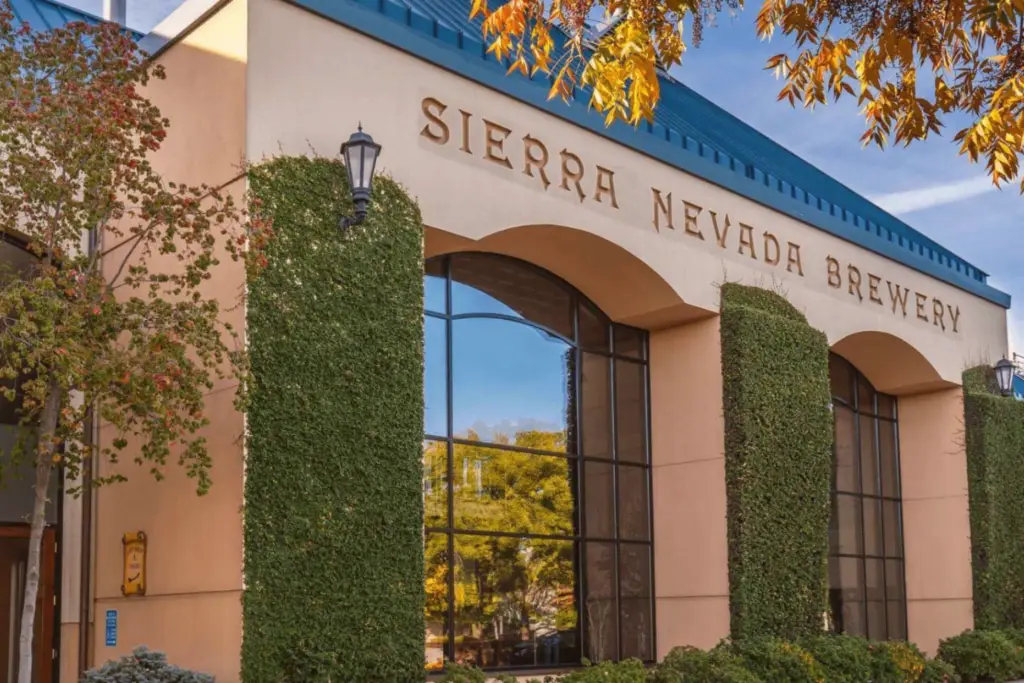
In the United States, early craft pioneers such as Anchor Brewing, New Albion Brewing Company and later Sierra Nevada Brewing Company helped establish the foundations of a new brewing culture. Similar developments occurred across Britain, Europe, Australia and other regions.
The movement was not simply a rejection of large breweries.
It was a return to the idea that beer could express the character of its brewer and its location.
Breweries began producing more distinctive IPAs, stouts, porters, saisons, sours and experimental beers. Local ingredients became part of brewery identity, while taprooms and brewpubs turned production sites into places where consumers could meet the people making the beer.
The brewery became a destination again.
Beer as a Global Social Tradition
The history of beer is inseparable from the history of the places where it has been consumed.
The British pub, German beer hall, Belgian café, Irish pub, American brewpub and contemporary craft-beer taproom all represent different versions of the same social function. They provide environments in which beer can be consumed alongside conversation, food, music, celebration and everyday interaction.
This has also shaped the role of the bartender and beer professional.
Modern beer service involves considerably more technical knowledge than simply opening a bottle. Temperature, glassware, draught-system maintenance, carbonation, cellar conditions and beer styles all affect the final experience.
Yet the purpose remains familiar. Beer creates an occasion in which people can gather. That social role helps explain why the category has survived so many technological and commercial transformations. Brewing has changed dramatically, but the reason people meet over beer is remarkably consistent.
A Category Built on Regional Difference
Modern beer exists simultaneously as a global commodity and a local expression.
International breweries can distribute the same brand across continents, while independent breweries may produce beers intended primarily for a local community. Between those extremes lies an extraordinary range of brewing traditions.
Pilsner, IPA, stout, porter, saison, witbier, weissbier, sour beer and countless regional interpretations now exist within the same broad category.
Contemporary brewers can draw on ancient fermentation principles, medieval ingredients, nineteenth-century industrial science and modern microbiology within a single production environment. That continuity is one of beer’s most remarkable characteristics. The category has remained relevant not because it has resisted change, but because it has absorbed change repeatedly.
International Beer Day and the Meaning of Beer Culture
Against this long history, International Beer Day becomes more than a date for raising a glass.
The celebration was established in Santa Cruz, California, in 2008 by Jesse Avshalomov and friends. It was initially intended as a local celebration of beer, but its international reach grew rapidly. In 2013, the observance moved to the first Friday of August, where it remains today. Its modern origins are modest compared with the history of the drink itself.
That contrast is part of what makes the occasion useful for a historical drinks publication. A modern celebration provides a fixed point from which to examine a beverage that has accompanied human societies for thousands of years.
Beer has moved through households, temples, monasteries, taverns, factories, pubs, restaurants and modern taprooms. Each setting has changed the way it is produced, served and understood. The drink has therefore become a record of social change as much as a product of brewing technology.
The History Behind the Glass
The history of beer reflects the development of agriculture, fermentation, trade, science and hospitality. Early brewers transformed cultivated cereals into fermented beverages. Medieval communities developed commercial brewing and expanded the role of hops. Monasteries preserved brewing knowledge while urban breweries turned the craft into an organised profession.
Industrialisation then changed the scale of production. Refrigeration helped lager become a global style, while railways, bottling and modern distribution allowed breweries to reach consumers far beyond their original communities.
The twentieth century brought consolidation, international brands and periods of decline in brewing diversity, followed by the emergence of craft brewing and a renewed interest in regional identity. Every stage left something behind.
The beer served in a modern bar can therefore contain influences from several different periods of history. Its ingredients may reflect agriculture in one region, its fermentation method another, its production technology a nineteenth-century innovation and its branding a global commercial system.
Beer is not one tradition. It is an accumulation of traditions.
Why Beer Remains the World’s Social Drink
Beer has survived because it has repeatedly adapted to the societies that consume it. Its ingredients have changed, its production has become more scientific, its distribution has become global and its styles have multiplied far beyond what ancient brewers could have imagined.
Yet its social role has remained unusually persistent.
Ancient communities consumed beer at feasts and within organised societies. Medieval drinkers gathered in alehouses and taverns. Industrialisation created new breweries and drinking establishments. Modern craft beer has once again made the brewery itself a place of social interaction.
The scale has changed, but the relationship between beer and hospitality remains.
That is ultimately what makes International Beer Day worth examining through the history of the drink rather than simply as a celebration. The occasion may have begun in California in 2008, but the culture it celebrates stretches back to the earliest settled communities that discovered the possibilities of fermented grain.
Beer has travelled across continents and centuries without losing its ability to bring people together.


Bar
Red Pub in Santiago has become a well‑loved destination for those who enjoy good drinks, good company, and…

Cocktail
The Amaretto Tea is a warm, comforting cocktail that elegantly combines the nutty sweetness of amaretto with the…

Distillery
Real De Jalpa, S.C. De R.L. De C.v.
Real De Jalpa, S.C. de R.L. de C.V. is a distinguished craft distillery nestled in the heart of…
Distillery
Intipalka Winery stands as a hallmark of modern viticulture in the enchanting Ica Valley of Peru. Known for…
Spirit
The Hakushu Distiller's Reserve Single Malt Japanese Whisky
The Hakushu Distiller's Reserve is a distinguished expression from the House of Suntory, located in the Japanese Alps.…
Spirit
Porter’s Straight 95 Rye Whiskey
Porter’s Straight 95 Rye Whiskey is a distinguished expression from the New York Distilling Company, known for its…

Partnership
Tres Monos in Buenos Aires: The High-Energy Bar Redefining Cocktail Craft
Volume comes first. Not just music, but movement, conversation, the rhythm of a room that rarely settles. At Tres Monos in Buenos Aires, energy is not an accessory to the experience; it is the structure that holds everything together. What appears spontaneous is, in reality, tightly controlled, with every drink, every gesture, and every interaction […]
September 5, 2026

Partnership
Dilution and the Hidden Structure of the Cocktail
Dilution begins as soon as ice and liquid exchange heat, but its importance extends far beyond the simple addition of water. It changes alcoholic strength, temperature, aroma, sweetness, bitterness and texture, helping separate ingredients become a coherent drink. Because the process is usually invisible, it can be mistaken for a side effect of chilling. In […]
August 4, 2026

Partnership
Gohar Gasparyan: Building Precision in a Scene That Had to Start From Zero
By the time Gohar Gasparyan stepped onto the World Cocktail Championship stage in 2024, Armenia was not expected to win. Not because of a lack of talent, but because the country’s cocktail culture was still finding its footing. Unlike established markets, where bartending is shaped by decades of accumulated technique, Armenia’s scene was newer, more […]
July 27, 2026